
If you have spotted silverfish near your baseboards, sinks, storage areas, or in your bathroom, moisture may be part of the problem. In Huntsville and across North Alabama, warm, damp air can make indoor spaces more comfortable for silverfish.
Silverfish are small, wingless insects with long antennae. They prefer dark, humid areas and often appear after rain, during hot months, or in rooms where airflow is limited.
They often stay in dark, damp areas. This guide explains how humidity encourages silverfish activity, where they tend to hide, and what you can do to reduce moisture, limit food sources, and know when to call pest control services in Huntsville, AL.
Key Takeaways
- High indoor humidity, easy food sources, and cluttered storage areas can make silverfish harder to control.
- Lowering moisture, improving airflow, fixing leaks, and sealing gaps can reduce the conditions that attract them.
- If the silverfish problem continues, call professional pest control services. They can help you take control and prevent future issues.
Why Humidity Attracts Silverfish Indoors
Silverfish need moisture to live. When indoor air stays damp, they can remain active, reach food sources, and settle into protected areas.
High Relative Humidity Helps Them Live
In Huntsville, indoor humidity can climb during the summer, especially in rooms with poor ventilation.
When humidity levels remain high, silverfish may survive longer and become more difficult to control. That can increase the risk of an ongoing infestation.
Moisture Softens Their Food
Silverfish feed on starches, cellulose, and carbohydrates found in common household materials. Paper, glue, fabrics, cardboard, old books, and some book bindings can all attract them.
When these materials sit in damp areas, they may become easier for silverfish to access and consume.
Humidity Helps Them Grow
Silverfish go through a life cycle that includes molting. Moisture supports that process.
In humid environments, silverfish activity can continue throughout the year. These pests do best in damp areas, often with humidity levels around 75% to 95%. When these conditions stay consistent indoors, they can survive and reproduce for longer periods, which can lead to an ongoing silverfish infestation.
Where Humidity Gives Silverfish an Edge
Silverfish do best where moisture, shelter, and food sources overlap. In a home, that often means the areas people check least. Some areas make this easier.
Basements and Crawl Spaces
Basements and crawl spaces can stay damp when air does not circulate well. In Huntsville, rain and seasonal humidity can keep these areas moist for long stretches.
Silverfish hide in crevices along walls and floors. These spaces give them cover and steady moisture, which helps them survive.
Attics With Poor Airflow
Attics can trap heat and moisture when ventilation is limited. That creates conditions silverfish and firebrats may prefer.
Stored items like cardboard boxes and paper goods give silverfish both food and shelter. Over time, these conditions can support more activity.
Bathrooms and Laundry Rooms
Bathrooms and laundry rooms collect moisture from showers, sinks, faucets, and washing machines.
Silverfish often hide behind baseboards, under sinks, near plumbing, and close to leaky pipes. These areas keep them near water and away from light.
Storage Areas and Closets
Closets and storage areas can trap moisture, especially when they are full. Cardboard boxes, clothes, and old books create good hiding spots.
Silverfish may also eat dead insects in these areas. These insects provide proteins, which help silverfish survive when other food sources are limited.
How to Lower Humidity and Silverfish Pressure
The most useful silverfish prevention starts with moisture control. These steps can make your home less attractive to them.
Use a Dehumidifier
A dehumidifier removes excess moisture from the air. It works well in basements, crawl spaces, and other damp areas.
Lower humidity levels make it harder for silverfish to stay active indoors.
Improve Airflow
Good airflow helps lessen humidity. Use exhaust fans in bathrooms and laundry rooms, and make sure attics and crawl spaces have proper ventilation.
Better airflow can also make the home less inviting to other moisture-loving pests, including cockroaches and centipedes.
Fix Leaks
Leaky pipes and dripping faucets add moisture. Fixing them helps with moisture control. Even small leaks can create damp spots where silverfish hide.
Seal Cracks and Entry Points
Silverfish can enter through small openings around baseboards and windows. Use caulk to seal cracks.
Store Items in Airtight Containers
Use airtight containers for paper goods and clothing. This removes easy food sources. Try not to store items in cardboard boxes for long periods. These boxes contain starchy materials that attract silverfish.
Be Careful With DIY Methods
DIY options such as diatomaceous earth or repellents may help in small, targeted areas. However, they do not solve the moisture problem that often keeps silverfish active.
If the problem keeps coming back, you may need a full pest management plan for better silverfish control.
Schedule a Silverfish Inspection in Huntsville
If you keep seeing silverfish, the issue is often tied to moisture that has not been fully controlled. In Huntsville homes with higher humidity, these pests can stay active and continue to reproduce indoors. Without fixing the conditions that attract them, a silverfish infestation can keep coming back.
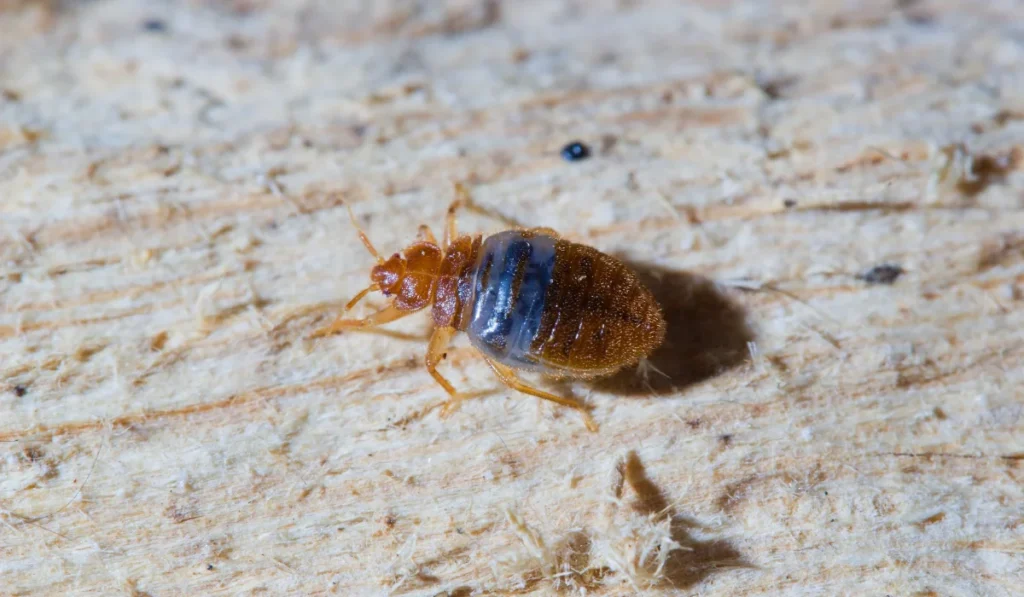
A trained professional can find hidden moisture problems, locate where silverfish are active, and identify entry points you may not notice. They can also check for related pests like firebrats, cockroaches, or bed bugs, which often share the same damp areas.
Waynes Pest Control offers year-round pest control services designed to treat common household pests and help prevent future problems. With our focused approach that targets active pests, identifies entry points, and treats problem areas inside and outside the home, you can reduce recurring issues and better protect your home over time. If you are ready to take control of silverfish activity and help prevent them from coming back, schedule an inspection with us and get a free quote.
FAQs
Why do silverfish show up in humid homes?
Silverfish need moisture to live. High humidity helps them stay active and reproduce. That is why they are often found in damp areas like bathrooms, basements, and crawl spaces.
What do silverfish feed on inside a home?
Silverfish feed on items with starch and cellulose. This includes paper, glue, fabrics, cardboard boxes, and even dead insects.
What is the best way to get rid of silverfish?
Lower indoor humidity, fix leaks, and remove food sources. Seal entry points to keep them out. For ongoing problems, pest control services can provide better results.