
Insights, Tips, and Tales

8 Cold Weather Pests To Watch Out For This Winter

_ëîé_1

8 Cold Weather Pests To Watch Out For This Winter

Winter preparations aren’t just for us – pests are getting ready too. When the cold weather hits, some pests, like mosquitoes, flies, and bees, seem to disappear, bringing relief from their irritating stings and bites. Others go into hibernation, but that doesn’t mean you’re in the clear. Despite the outdoors seeming nearly pest-free in the colder months, certain winter invaders find their way into your warm home to wait out the cold. Here are 8 of these cold weather pests to keep an eye on this winter:

Stink Bugs:

Field Guide · Southeast

Cold-weather pests that move indoors in winter

Several common pests don’t disappear in winter — they relocate into your home. Knowing which ones to expect and where they hide makes identification faster when it counts.

1
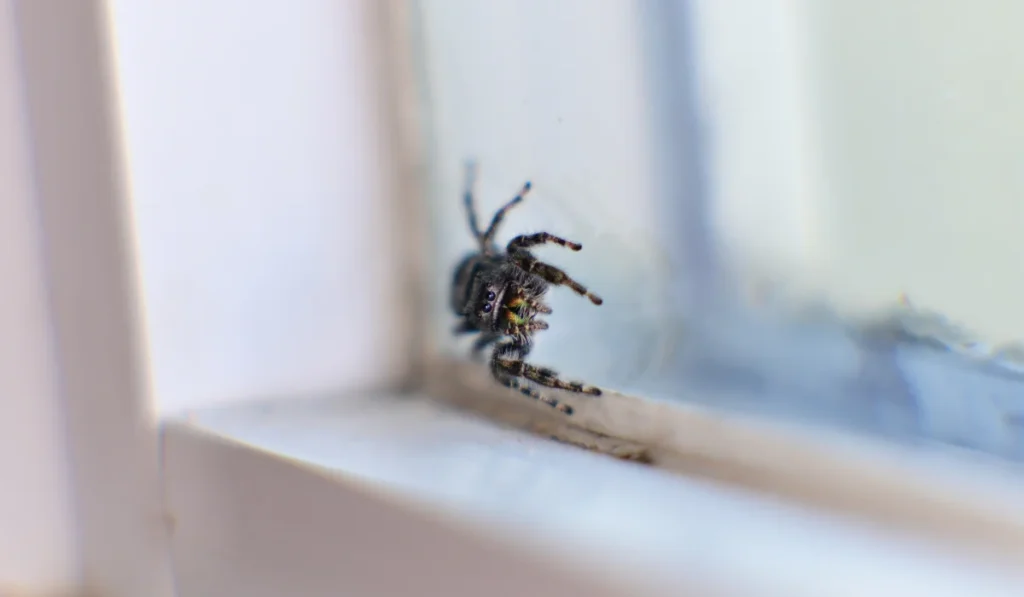
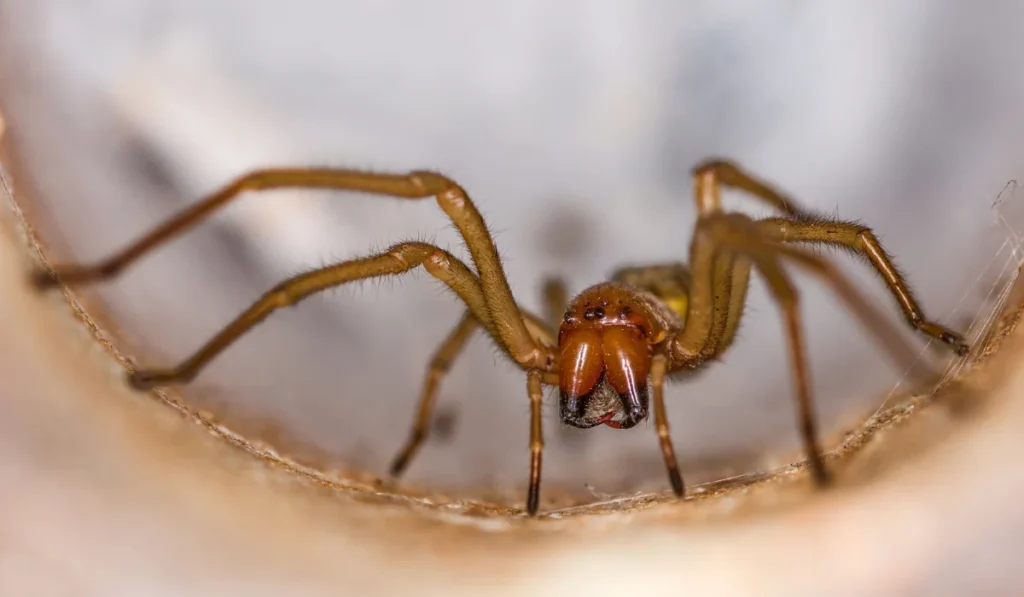
Brown recluse spider
Loxosceles reclusa
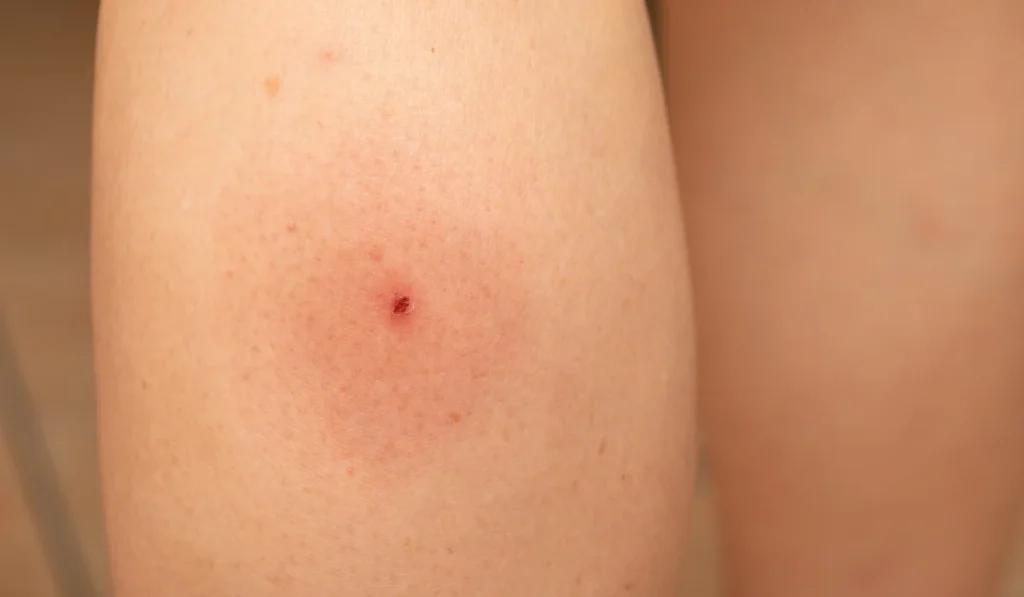
Can bite
IDSmall tan-to-brown body with a dark violin-shaped mark on the back
WhereUndisturbed storage rooms, attics, basements, and bagged clothing
NoteBites are rare but can cause serious tissue damage. Encounters spike in winter when recluses push deeper into heated interior spaces.
2
Deer tick
Ixodes scapularis
Disease risk
IDTiny, dark reddish-brown body roughly the size of a sesame seed
WhereHitchhiking on pets; found in bedding, carpets, and furniture once indoors
NoteUnlike most ticks, deer ticks remain active even in cold weather and are the primary vector for Lyme disease in the Southeast.
3
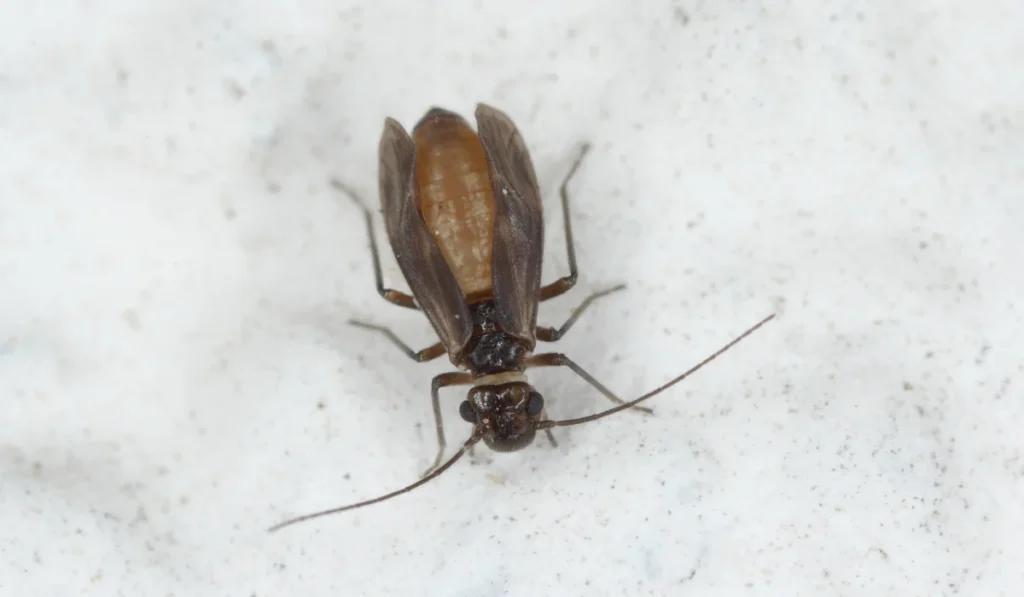
German cockroach
Blattella germanica
Contaminates
IDLight brown, about half an inch long, with two dark parallel stripes behind the head
WhereKitchens, bathrooms, and anywhere clutter or food waste accumulates
NoteGerman cockroaches reproduce quickly indoors and are notoriously difficult to eliminate once established. Winter infestations tend to be well-entrenched by the time they’re noticed.
4
Termite
Order Isoptera
Damages wood
IDPale, soft-bodied, about ¼ inch; workers are creamy white with no wings; swarmers have two equal-length wings
WhereSoil near the foundation, crawl spaces, and moist wood inside walls
NoteTermites stay active year-round in the Southeast and will keep feeding through winter. Activity spotted in the colder months signals a mature, established colony.
5
Carpenter ant
Camponotus spp.
Damages wood
IDLarge black ant, up to ½ inch; winged reproductives have one large and one smaller wing pair
WhereMoist or damaged wood in walls, attics, and around windows
NoteWinged carpenter ants seen indoors in winter almost always mean a satellite colony is already inside the structure — not just scouts passing through.
6
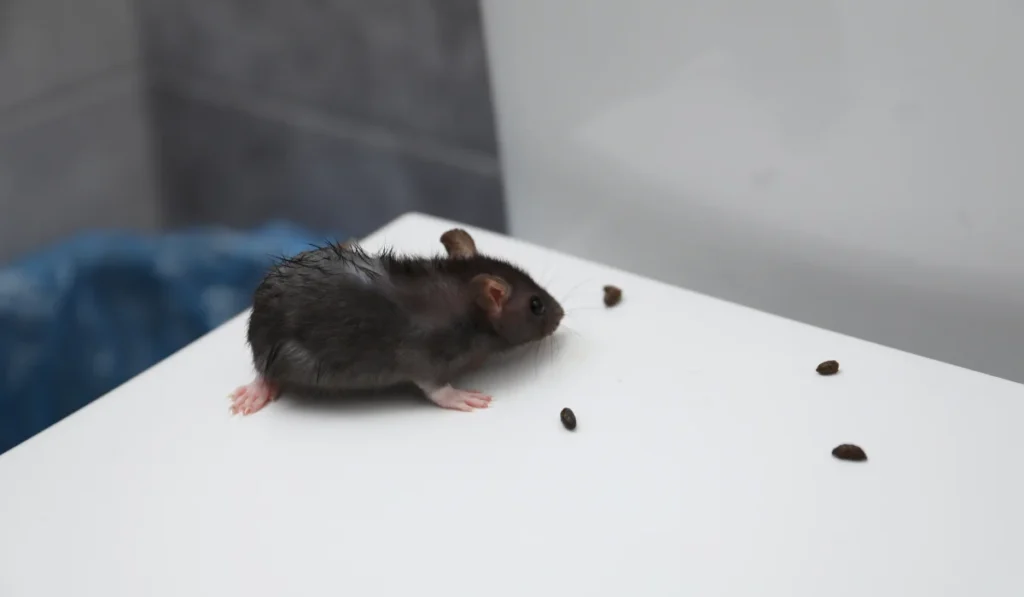
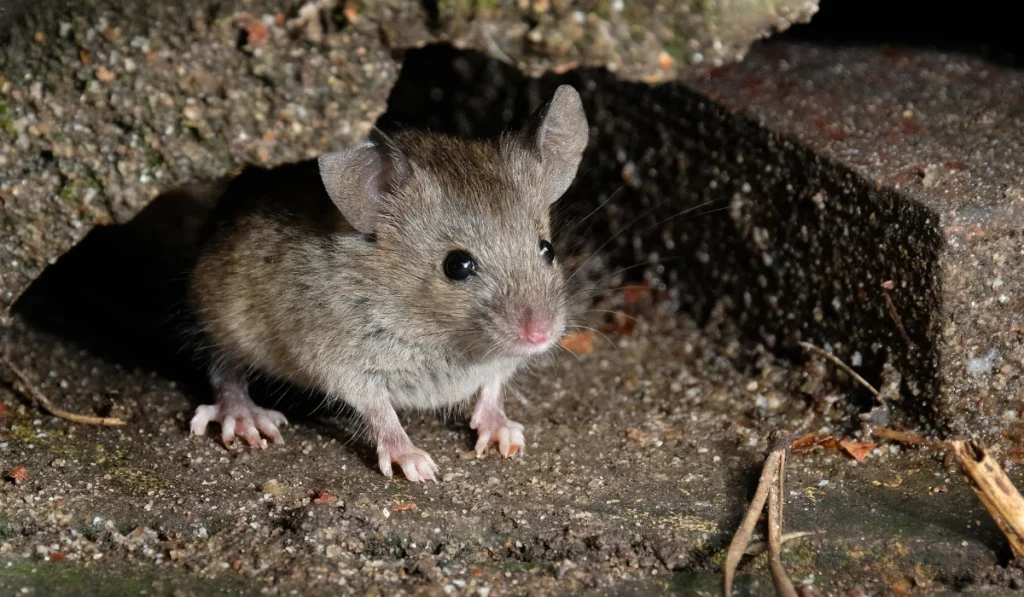
House mouse
Mus musculus
Gnaws wiring
IDDusty gray-brown fur, large ears, pointed snout, and a thin hairless tail roughly as long as its body
WhereBasements, wall voids, dark corners, and behind appliances
NoteMice can squeeze through a gap the size of a dime. Look for small dark droppings and gnaw marks on baseboards as early signs of entry.
7
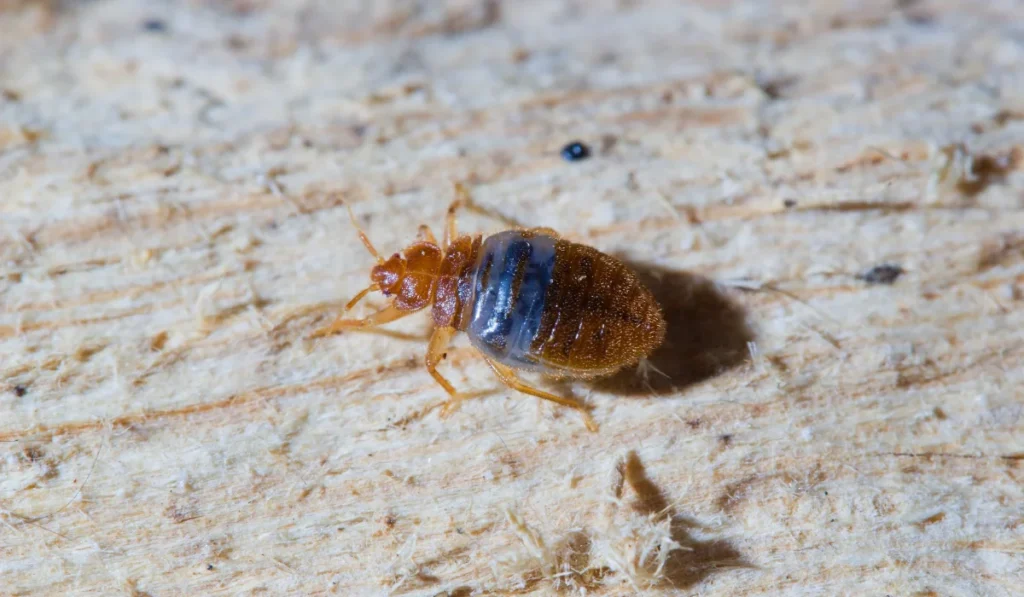
Bed bug
Cimex lectularius
Can bite
IDFlat, oval, mahogany-brown body about the size of an apple seed; swells and reddens after feeding
WhereMattress seams, box springs, headboards, and luggage after travel
NoteBed bugs don’t come in from the cold — they hitchhike. Winter travel is a common introduction point; inspect hotel rooms and check luggage before bringing it inside.
8
Stink bug
Halyomorpha halys
Low concern
IDShield-shaped grayish-brown body with alternating light and dark banding on the abdomen edge
WhereExterior walls and window frames in fall; interior wall voids and attics through winter
NoteStink bugs don’t bite or damage structure, but crushing or vacuuming them releases a pungent odor. Seal entry points before temperatures drop to prevent mass aggregation.
Waynes has protected Southeast families for 50 years as an EPA Pesticide Environmental Stewardship member. Every little thing matters. A LOT.
If you spot small, grayish-brown specks on your home’s exterior, stink bugs might be the culprits.These smelly critters huddle on home walls, seeking warmth, and if given the chance, they’ll happily move inside for the winter.

Cockroach:

Roaches, especially German cockroaches are survivors, and if they find a cozy spot in your home during the cooler months, getting rid of them becomes an even bigger challenge. Eliminate clutter and food waste to manage them and call Waynes in case of an infestation.

Rats & Mice:

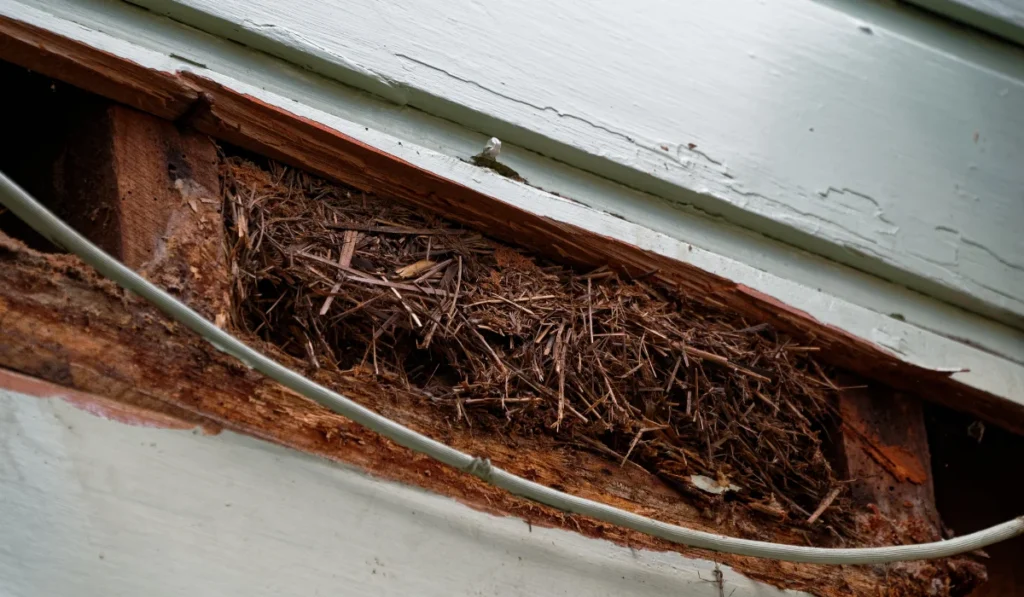
With a knack for sensing subtle weather changes, mice seek shelter and warmth during winter. They often slip into homes, making nests in basements and dark corners. Seal entry points, watch for droppings, and maintain bait stations if you’ve had mouse problems before.

Ticks:

While many ticks go dormant in winter, deer ticks might still find a way into your home, hitchhiking on pets. Regular checks and professional pest control can help eliminate them.

Spiders:

The typical house spider will invade your home during any time of year. During the winter, the brown recluse, a potentially dangerous spider, tends to hide in undisturbed places that are warm. Storage rooms, attics, and basements are prime spots. Bagging unused clothing and keeping trees and bushes trimmed around your home can help manage them.

Bedbugs:

If planning a winter getaway, inspect hotel rooms for bedbugs, and check luggage and clothes before returning home. These crafty bugs can hitchhike at any point.

Ants:

While some ants perish in winter, others, like winged carpenter ants, may have established nests before winter and can seek warmth in your home. The temperature drop below 15°F usually does them in, but some ant species prove to be resilient.

Termites:

These wood-munchers seek food, warmth, and moisture, posing a threat to both the ground beneath your home and the structure itself. If you spot termite activity during winter, act quickly to prevent damage to your home’s foundation. Preventive measures are crucial to keep winter pests at bay. Sealing cracks and gaps in the home’s exterior, especially around doors and windows, can help prevent entry. Properly storing food in airtight containers and maintaining cleanliness are essential steps to deter pests. Regular inspections and professional pest control services can further safeguard homes against the challenges posed by winter pests, ensuring a comfortable and pest-free living environment during the colder months. Keep your home pest-free this winter by plotting against these sneaky invaders. Don’t wait, protect your home. Contact Us Today!

Rebecca Wood

Waynes has been serving customers since 1973. We have grown over the decades through a commitment to providing a world-class experience for our customers. We believe that if our employees are happy and fulfilled, they will go above and beyond in delighting our customers.

Latest from Waynes Blog

chigger

Chiggers in Alabama: Where They Hide and How to Avoid Them

Chiggers in Alabama can create costly problems when early signs are missed. Learn what to look for, why it matters, and when to call Wayne’s Pest Control. Key Takeaways About Alabama Chiggers Chiggers are mites, not insects. Only the tiny larval stage bites, and these larvae do not burrow into your skin or feed on…

Learn More >

Why Stink Bugs Come Inside in Fall in Tennessee

Brown marmorated stink bugs are not coming inside Tennessee homes to feed or breed. They are looking for a sheltered place to spend the winter, and your home offers exactly what they need. As temperatures drop each fall, these invasive insects shift from feeding on crops and garden plants to searching for protected overwintering sites….

Learn More >

How to Get Rid of Drain Flies in Mobile AL

Drain flies in a Mobile home almost always trace back to a breeding source that has not yet been found. These small, fuzzy-winged flies develop inside the biological film that coats slow-moving drains, seldom-used fixtures, and any other spot where wet organic matter accumulates undisturbed. Cleaning the drain you can see does not always reach…

Learn More >

Earwig Season in Huntsville Alabama

Earwigs become more active around Huntsville homes when temperatures rise and moisture levels increase. They are outdoor insects that move toward structures when they find the damp, sheltered conditions they depend on close to a foundation. Most of the time they are a nuisance rather than a serious threat, but consistent indoor sightings or a…

Learn More >

Why You Have Fleas in Your Mobile AL Home Without Pets

Fleas in a home without pets surprise most Mobile homeowners, but the biology of this pest makes it entirely predictable. Cat fleas, which are the species found in most residential infestations, can survive for weeks without feeding. They arrive on wildlife passing through a crawl space, on stray animals resting near a foundation, or on…

Learn More >

How to Tell If You Have Termites in Your Nashville Home

Termites can feed inside a Nashville home for years without producing any visible surface sign. By the time most homeowners notice something is wrong, a colony has often been active long enough to compromise structural framing behind walls, beneath floors, or inside crawl spaces. Knowing the specific signs termites leave behind, what conditions support their…

Learn More >

What Attracts Ants to Kitchens in Chattanooga Homes

Ants find their way into Chattanooga kitchens for a straightforward reason: a scout locates food or water, lays down a scent trail on the way back to the nest, and dozens of workers follow that invisible highway back to the same spot. Wiping up the ants you see does not erase the trail, and as…

Learn More >

How to Prevent German Cockroaches in Panama City FL

German cockroaches are the most common and most difficult indoor cockroach problem in Panama City homes. They reproduce faster than other species, stay hidden close to food and moisture, and require a treatment approach that differs entirely from general pest control. Catching them early and understanding what sustains a population gives you the best chance…

Learn More >

How to Get Rid of Wasps in Nashville TN

Wasps near high-traffic areas of a Nashville home are a sting risk that grows as the season progresses. Colonies that start small in spring can reach close to a thousand workers by late summer, and a nest that seems manageable in April becomes a serious situation by August. Knowing which species you are dealing with,…

Learn More >

Scroll to Top