
Termite damage in Nashville homes is often well underway before any visible sign appears. Subterranean termites work from the inside out, consuming wood while leaving surfaces intact. Knowing which species are active in Middle Tennessee, what evidence they leave behind, and how professional treatment works helps you catch a problem early rather than after structural damage has accumulated.
Key Takeaways
- Nashville homeowners may encounter both native subterranean and Formosan subterranean termites. Formosan colonies are larger, more aggressive, and harder to manage once established.
- Mud tubes on foundation walls, hollow-sounding wood following the grain, and swarmer activity near windows or doors are the most reliable early indicators.
- A trained pest control professional can identify termite activity and damage in areas that are difficult to inspect on your own.
- Waynes Pest Control uses Constant Protection baiting systems with AlwaysActive technology, placed in the ground around your home, to address termite activity and maintain ongoing protection.
How to Identify Termite Activity in Nashville
Knowing what to look for is the first step in catching termite activity early. Nashville homeowners deal primarily with subterranean termites, and identifying their presence does not have to be complicated. The real challenge is often telling swarmer termites apart from winged ants, since swarmers are typically the first visible sign that a colony is active nearby. University of Tennessee Extension provides identification resources for termite species found across Middle Tennessee.
Formosan vs. Native Subterranean Termites
Two types of subterranean termites are active in the Nashville area: native subterranean termites and Formosan subterranean termites. Formosan colonies are more aggressive and typically larger than native colonies. Soldiers make up roughly 15 percent of a Formosan colony compared to less than 5 percent in native eastern subterranean colonies. That larger soldier presence makes Formosan infestations harder to manage once established near a structure.
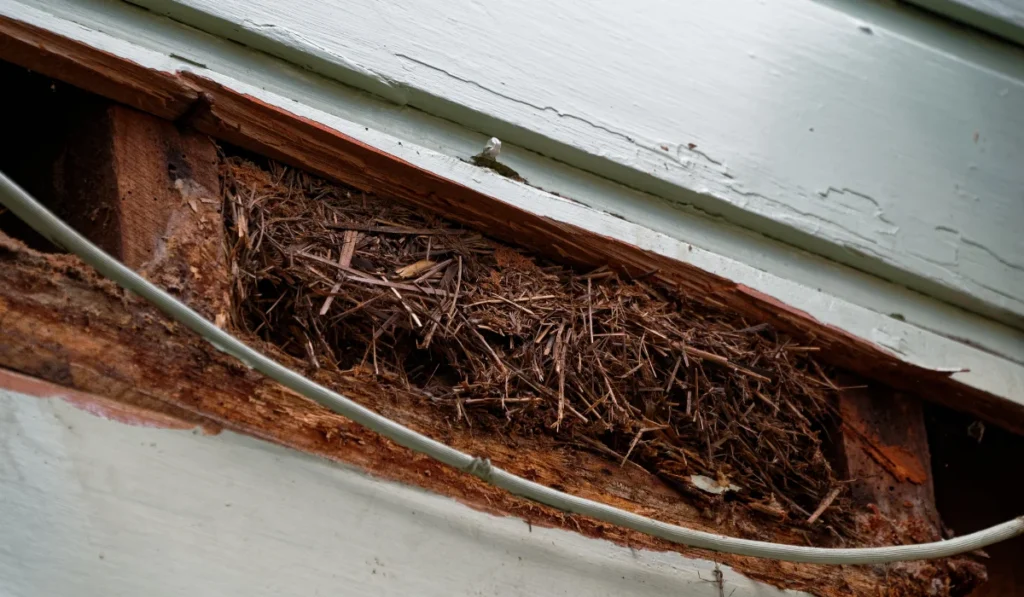
Both species feed on wood in a similar way, but recognizing the wood damage pattern helps distinguish subterranean termite activity from other species. Subterranean termites feed along the grain of the wood, attacking softer springwood and leaving the harder summerwood behind. That layered, honeycombed damage pattern is one of the most reliable visual identifiers of subterranean termite activity.
Signs of Termite Activity Inside Your Home
Inside the home, look for wood that appears damaged in a layered pattern following the grain. Wood that sounds hollow when tapped or looks uneven along its grain lines may have had its softer interior consumed while the harder material was left intact. Drywood termites, which can sometimes be found in furniture and picture frames, leave a different type of evidence: uniform-sized fecal pellets called frass, roughly the size of a grain of sand, that accumulate on flat surfaces directly below infested wood.
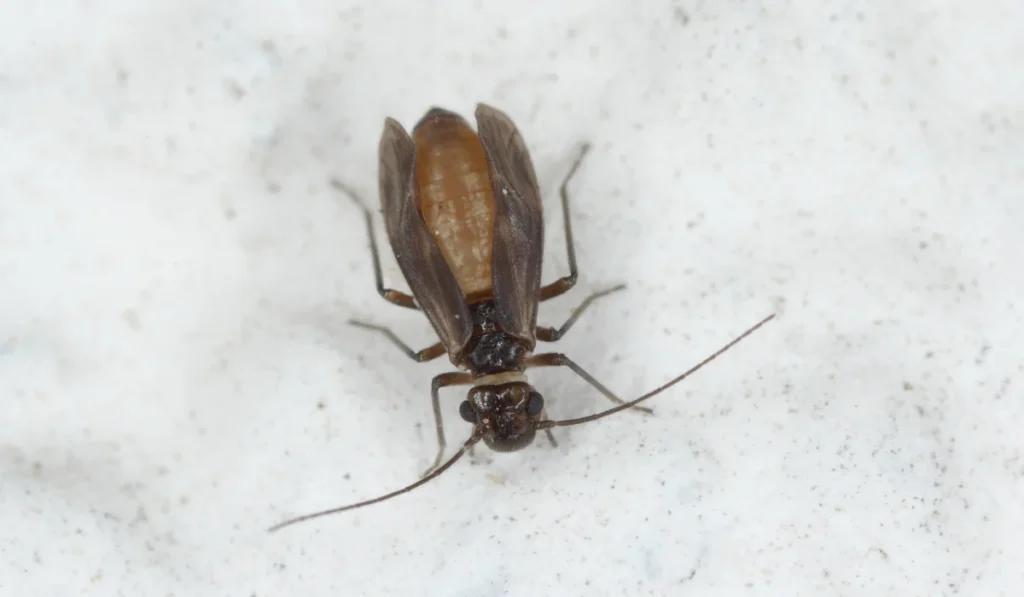
Swarmers appearing indoors are another sign worth acting on. These winged termites can look similar to winged ants. If you spot winged insects near windows or light sources, saving a sample allows a service professional to confirm whether you are dealing with termites or a less serious look-alike.
Where Termite Activity Concentrates
Mud tubes are one of the clearest indicators of subterranean termite activity. These pencil-width tunnels run along surfaces and connect the colony in the soil to the wood it feeds on. Breaking a mud tube open may reveal live workers and soldiers moving through it. Check foundation walls, crawl space piers, and any area where wood contacts or sits close to the ground. Damaged wood in these locations typically shows the grain-following feeding pattern described above.
Exterior Signs and Entry Points
On the outside of the home, mud tubes traveling up foundation walls from the soil are the primary exterior sign. These tubes give subterranean termites a protected path from the ground into the structure. Inspect areas where soil meets the foundation, paying particular attention to cracks or gaps that could serve as direct pathways. The combination of mud tubes, grain-following wood damage, and swarmer activity near windows or doors gives you a reliable checklist to work from during any exterior inspection.
Why Termite Infestations Develop in Nashville
Termite problems in Nashville homes often go unnoticed until visible clues appear. Understanding where these pests nest, what draws them toward a structure, and how they reach the wood they feed on helps you recognize warning signs sooner and focus prevention in the right places.
Where Termites Nest
Subterranean termites nest in the soil around and beneath structures. Both native and Formosan colonies establish underground near a food source, foraging up through shelter tubes to reach wood above. Formosan colonies tend to be larger and may be established at greater depth, which can make them harder to locate and treat without professional inspection equipment.
What Draws Termites Toward a Structure
Wood is the primary draw. Any wood in contact with or near soil can serve as a bridge between the colony and the material termites consume. Keeping wood debris away from your foundation, maintaining soil grade away from the structure, and reducing moisture near the foundation all reduce what draws termites closer to the home. Leaky pipes, poor drainage, and wood-to-soil contact near the foundation are conditions that termites exploit and that a professional inspection will flag for correction.
How Termite Colonies Spread
One of the first ways termite activity becomes visible is through swarming. In Nashville and Middle Tennessee, native subterranean termites typically begin swarming in late winter or early spring, in the morning or early afternoon, with no attraction to light. Formosan termites swarm later in the season, typically at dusk, and are strongly attracted to light sources. The sudden emergence of swarmers near a structure may indicate a mature colony is already well established nearby.
Shelter Tubes: The Most Visible Evidence
Subterranean termites build shelter tubes to travel between their soil nests and the wood they consume. These pencil-width tubes along foundation walls, crawl space piers, or other surfaces connecting soil to the structure are the most commonly found physical evidence of an active infestation. Recognizing even one tube early gives you a better chance of addressing the problem before the colony grows larger and damage compounds further into structural members.
Risks of a Termite Infestation
Structural Damage from Termites
Termite damage often builds quietly inside the wood members of a home. In many cases subterranean termites consume so much interior wood that only a thin exterior shell remains. This hollowed-out condition can compromise load-bearing framing long before anything is noticeable from the outside. Workers build earth-hardened shelter tubes from saliva mixed with soil and bits of wood or drywall. Spotting tubes on foundation walls or floor joists means the colony may already be well established inside structural wood, not just near it.
Hidden Damage Behind Finished Surfaces
Much of the termite damage in a Nashville home stays hidden behind finished surfaces. Drywood termite colonies are especially difficult to detect because they live entirely inside the wood they consume. Frass accumulating on flat surfaces below a piece of furniture or trim is often the only outward indicator that an infestation exists inside wood that appears intact. A thorough inspection is necessary to detect colonies and contain damage before it spreads through concealed framing.
Moisture and Hidden Damage
Because subterranean termites forage from the soil, their shelter tubes can introduce moisture pathways along surfaces such as drywall and wood trim. The colony’s activity can reach areas well beyond the original entry point. The longer an infestation goes undetected, the more wood throughout the structure may be at risk. Moisture damage and termite damage often appear together, and addressing one without the other leaves conditions in place that sustain continued activity.
When to Take Action
Any confirmed sign of termite activity warrants prompt attention. The EPA’s termite guidance identifies professional inspection as necessary to detect colonies and contain damage, particularly for drywood termites where the infestation may be widespread before obvious signs appear. When drywood termite damage is extensive, whole-structure fumigation may be necessary. Waiting gives the colony more time to consume wood from the inside out, increasing both the scope of damage and the cost of repair.
Professional Termite Control in Nashville, TN
When you notice signs of termite activity in your Nashville home, the products needed to address an active infestation are highly regulated and require a licensed pest control professional to apply. Homeowners can replace damaged wood and correct conditions that favor termite activity, but treatment itself is not a DIY task.
Reducing What Draws Termites In
Moisture is one of the most important conditions to address before and alongside treatment. Fixing leaky pipes, improving drainage around the foundation, and replacing compromised wood are all steps that make professional treatment more effective and lasting. Removing wood debris from the foundation perimeter and keeping soil graded away from the structure reduces what draws termites toward the home in the first place.
Why Inspection Comes First
A professional inspection is the foundation of any termite control plan. Termites often work in concealed areas, and trained professionals can find evidence of activity and damage that homeowners routinely miss. From a thorough inspection, you and your provider can determine the right course of action based on the type and extent of activity found, whether that means a baiting system, a liquid treatment, or a combination approach for a more established infestation.
What Termite Treatment Involves
Control of subterranean termites in a home requires professional involvement. The products registered for this purpose are not available to the general public, and their application requires training and licensing.
Waynes Pest Control uses Constant Protection baiting systems with AlwaysActive technology. This approach starts working as soon as the system is placed in the ground around your home, addressing termite activity and continuing to work to keep termites away over time. Your service professional will identify whether you are dealing with native or Formosan subterranean termites and tailor the plan accordingly.
The Waynes Protection Plan
A complete termite control plan pairs professional treatment with corrective steps at the property level. Treatment alone will not deliver lasting results if moisture sources remain and damaged wood is left in place. Your Waynes plan accounts for both.
Waynes Pest Control brings over 50 years of experience and has served more than 150,000 families across Tennessee and beyond. As an EPA Environmental Stewardship Program member since 2004, Waynes applies registered products responsibly and with attention to non-target considerations. With family ownership and post-service video transparency guiding every job, a Waynes termite control plan is built on character and integrity from the first inspection through ongoing protection.
Bottom Line
Catching a termite problem early in your Nashville home starts with knowing what to look for. Shelter tubes on foundation walls, wood that sounds hollow when tapped, and swarmers near windows or doors are all reasons to take a closer look. Because termite treatment involves regulated products and concealed damage that is easy to miss, a licensed pest control professional is the right call once you spot warning signs. Waynes Pest Control uses Constant Protection baiting systems with AlwaysActive technology to address subterranean termite activity around your home. Contact Waynes to schedule an inspection.
Frequently Asked Questions
How Can I Tell If I Have Termites or Flying Ants?
Termite swarmers have straight antennae, equal-length wings, and a broad waist. Flying ants have elbowed antennae, uneven wings, and a pinched waist. If you see a swarm indoors or near a window, save a sample in a sealed bag so a professional can confirm the species quickly.
What Should I Look for During a DIY Check?
Probe wood near the foundation or soil with an ice pick or screwdriver, paying attention to sill plates, header joists, and the ends of floor joists. Wood that feels soft, channeled, or unsound may point to termite feeding. Also look for earthen tubes on foundation walls and crawl space piers, and listen for hollow sounds when tapping suspect framing.
Can I Handle a Termite Problem on My Own?
You can replace damaged wood and correct moisture and soil-to-wood contact issues yourself. Applying registered termite treatments is a different matter. These products are highly regulated, require a licensed professional to apply, and need to be matched to the specific species and extent of activity found during inspection.
What Types of Termites Does Waynes Treat?
Waynes addresses both native and Formosan subterranean termites. Formosan termites are more aggressive and typically require closer attention once identified. The Constant Protection baiting system with AlwaysActive technology is placed in the ground around your home and begins working immediately, providing ongoing protection against both species.