
If you own a home in Nashville, termites can cause serious problems. Our warm summers and damp soil give subterranean termites the moisture and food source they need to expand their termite colony. Once termites find wood, they continue feeding and expanding the colony.
Termite protection for homes focuses on preventing infestations before damage begins. A termite infestation often begins before homeowners notice visible damage. It often starts in the soil, inside the crawl space, or behind walls, where termites stay hidden.
This guide explains what increases termite risk, where termites enter homes, signs of termites to watch for, and when to call a pest control company for professional termite treatment.
Key Takeaways
- Termite protection for homes in Nashville often includes ongoing termite prevention and regular termite inspections.
- Subterranean termites are the most common termite species in the region, but drywood termites and aggressive Formosan super-termites can also appear in certain conditions.
- Moisture and wood in contact with soil increase the risk of a termite infestation.
- Professional termite control methods, including the Sentricon System, help manage termite activity and support long-term termite protection.
How to Reduce Termite Risk Year-Round
Because termites remain active throughout most of the year in Nashville, prevention efforts should happen year-round. Simple steps throughout the year can reduce the risk of a termite infestation.
Spring: Swarm Season Starts
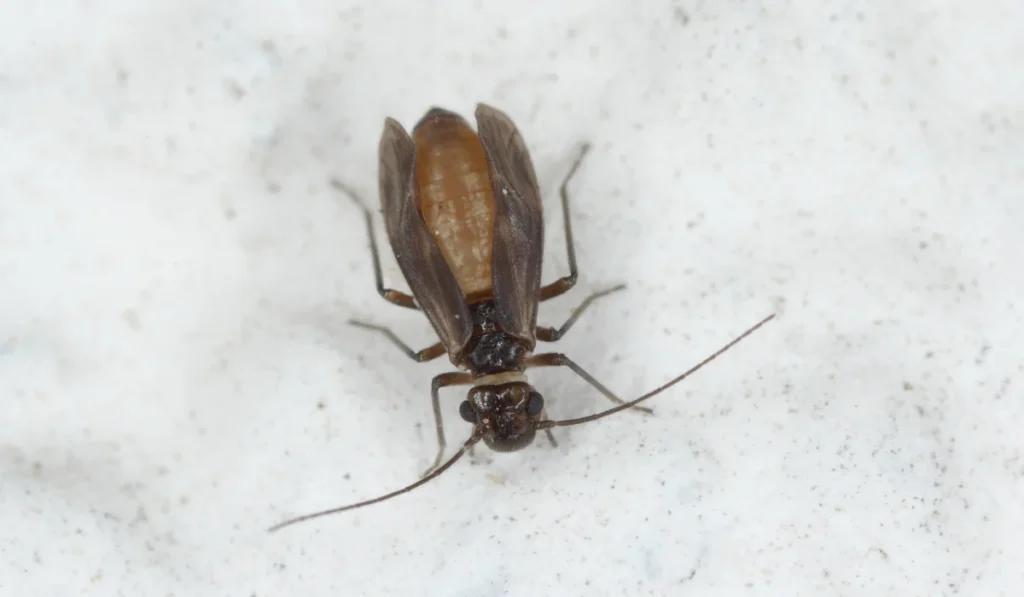
Many homeowners first notice termite activity during spring. You might see swarmers near windows or find wings on the floor. These are common signs of a termite infestation.
According to NC State Extension, swarming usually occurs during the daytime, frequently in spring, and often after a warm rainstorm. While colonies stay active year-round, spring swarms are when signs of termites become easier for homeowners to notice.
Because termite activity increases in spring, this is the best time to schedule a termite inspection. Catching a termite problem early makes treatment easier and less expensive. Termite bait stations placed around the home help monitor termite activity and target the termite colony before damage spreads.
Summer: Moisture Drives Activity
Summer heat does not stop termite activity. Soil moisture helps subterranean termites stay active. They build mud tubes to move from the ground to the wood without drying out.
Check your crawl space. Make sure water is not pooling near the foundation. A wet crawl space provides termites with moisture and a steady food source.
Fall: Small Repairs Matter
In the fall, termites may move deeper into the soil. But if they are already inside your home, they stay active.
Walk around your house and look for cracks in the foundation. Check the decks and siding for wood that touches soil. These may seem small, but they give termites a direct path into the home.
Winter: Do Not Assume They Are Gone
Termites do not disappear in winter. If they are inside your home, they keep feeding.
Store-bought pesticide or insecticide sprays might kill the termites you see, but they will not eliminate the entire termite colony. That requires a complete termite control plan.
Where Termites Usually Enter
Termites do not usually enter a home by chance. They follow moisture, wood contact, and small gaps around your home.
Foundation Cracks
Termites can squeeze through tiny gaps. Even small foundation cracks can allow termites to enter and start an infestation.
Sealing foundation cracks can reduce entry points for termites. But professional termite treatment methods can create a treated soil zone around your home that intercepts termites before they reach the structure.
When a licensed pest professional applies a termiticide soil treatment according to the product label, termites are affected as they move through the treated soil.
Crawl Space
The crawl space is one of the most common entry points for termites. Crawl spaces are dark, humid, and often overlooked by homeowners.
During a termite inspection, a pest professional will typically check areas such as crawl spaces where termite activity commonly begins. In some cases, a professional may recommend borate wood treatment to help protect exposed wood from termite damage.
Gaps Around Pipes and Wires
Small openings around plumbing lines and utility wires give termites hidden entry points.
Sealing these areas is a simple preventative measure. When combined with termite bait systems or liquid termite treatments, it strengthens overall pest management.
Moisture and Wood Contact: Two Big Risk Factors
Two things make homes especially attractive to termites: moisture and a steady food source. When wood and moisture are close together around your home, the risk of a termite infestation increases.
Drainage Problems
Termites need moisture. If water collects near your foundation, you increase the chance of termite activity.
Make sure downspouts direct water away from your home. Keep gutters clean. Good drainage supports termite prevention.
Wood Touching Soil
Any wood in contact with soil gives subterranean termites a direct path to your home.
Deck posts, fence posts, and siding should not touch the ground. Raising wood and using borate treatment reduces risk.
High Crawl Space Humidity
Humidity supports termite populations and even other pests, such as cockroaches.
Installing a vapor barrier can lower moisture levels. Dry conditions make your home less attractive to termites.
Professional Termite Control in Nashville
When you see signs of a termite infestation, it is time to contact a professional pest control company or exterminator with experience treating termites. A pest professional can inspect your home for termite activity and recommend a treatment plan to protect it.
We offer the Sentricon System, a termite bait system designed to target the termite colony. Our team installs bait stations in the soil around your home, where termites feed on the bait and carry it back to the colony.
When monitored and maintained by a pest professional, bait systems can reduce termite activity and eliminate the termite colony. The Sentricon System includes periodic inspection and service visits to help maintain termite protection over time.
When DIY Is Not Enough
According to the University of Kentucky, treating a home for termites requires specialized equipment and a strong understanding of building construction. Because DIY termite treatments rarely eliminate active termite infestations, pest professionals usually recommend professional treatment.
Mud tubes
Mud tubes along your foundation are common signs of termites. Breaking mud tubes will not stop the termite infestation. However, some homeowners confuse termite activity with that of other wood-damaging insects. Signs such as mud tubes, wood damage, or small piles of insect droppings can indicate different pests, so correct pest identification is important.
Swarmers Indoors
Seeing swarmers inside often indicates a possible termite infestation within the structure and should prompt a professional termite inspection. Indoor swarms often mean the termite colony is already active somewhere inside the structure.
Visible Termite Damage
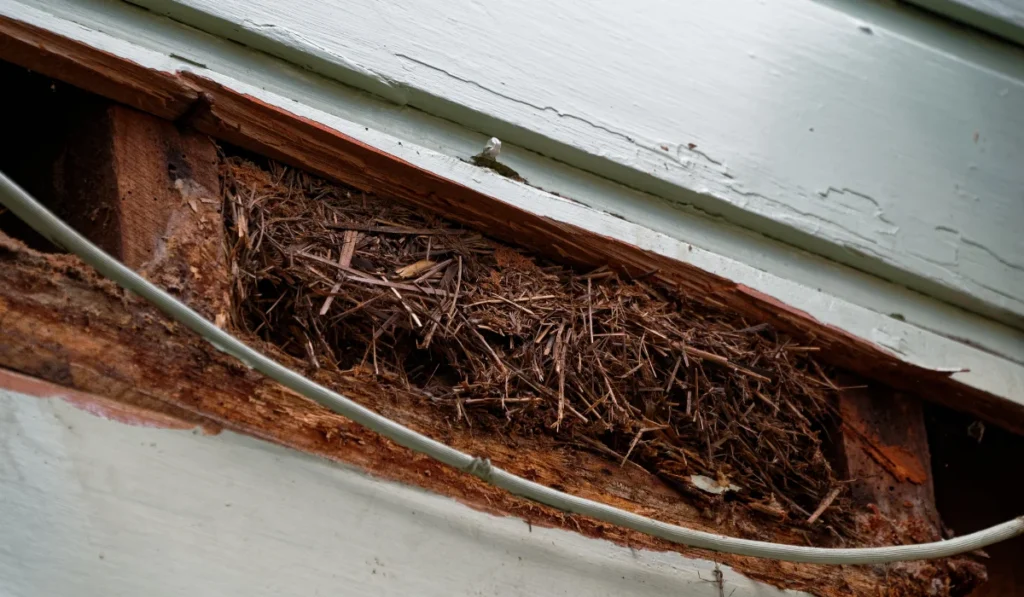
Soft, hollow, or blistered wood can signal serious termite damage. At this point, you need effective treatment and reliable termite control, not a temporary fix.
Professional pest management ensures the right termite treatments are used and monitored.
Schedule a Termite Inspection in Nashville
Termite protection for homes starts with a thorough termite inspection. A trained professional will check your foundation, crawl space, attic, and exterior for termite activity.
At Waynes Pest Control, we provide termite protection services for homeowners in the Nashville area. One option available is the Sentricon System, which uses bait stations installed around the home. Protection plans may include scheduled inspections, service visits, and, in some cases, a warranty, depending on the program selected.
If you suspect a termite problem, do not wait for the damage to spread. Contact us today to schedule a termite inspection if you suspect termite activity and want to prevent costly structural damage.
FAQs
What are the most common types of termites in Nashville?
Subterranean termites are the most common species in the Nashville area. Formosan subterranean termites may also occur in parts of the Southeast.
How does the Sentricon System work?
The Sentricon System uses termite bait stations around your home. Termites carry the bait back to the colony, helping to eliminate it over time.
How often should I schedule a termite inspection?
Many pest professionals recommend a yearly termite inspection, though inspection frequency can vary by local risk and protection plans.