
Termites can feed inside a Nashville home for years without producing any visible surface sign. By the time most homeowners notice something is wrong, a colony has often been active long enough to compromise structural framing behind walls, beneath floors, or inside crawl spaces. Knowing the specific signs termites leave behind, what conditions support their activity near a structure, and what professional treatment involves helps you catch a problem early and respond before the damage compounds.
Key Takeaways
- Mud tubes on foundation walls, wood that sounds hollow when tapped or gives easily when probed, and swarmer activity near windows and doors are the most reliable warning signs for Nashville homeowners.
- Nashville homes may encounter both native subterranean termites and the more aggressive Formosan subterranean termite. Each swarms at a different time and under different conditions.
- Homeowners can address conducive conditions such as wood-to-soil contact and moisture near the foundation, but applying registered termite treatments requires a licensed pest control professional.
- Waynes Pest Control uses Constant Protection baiting systems with AlwaysActive technology, placed in the ground around your home, to address termite activity and maintain ongoing protection.
How to Identify Termite Activity in Your Nashville Home
Several physical signs point to subterranean termite activity, and recognizing them during a routine inspection gives you the best chance of catching a problem before structural damage becomes extensive. University of Tennessee Extension provides identification resources for termite species found across the state, including the swarm timing, physical characteristics, and damage patterns most relevant to Middle Tennessee homes.
Native Subterranean vs. Formosan Termites
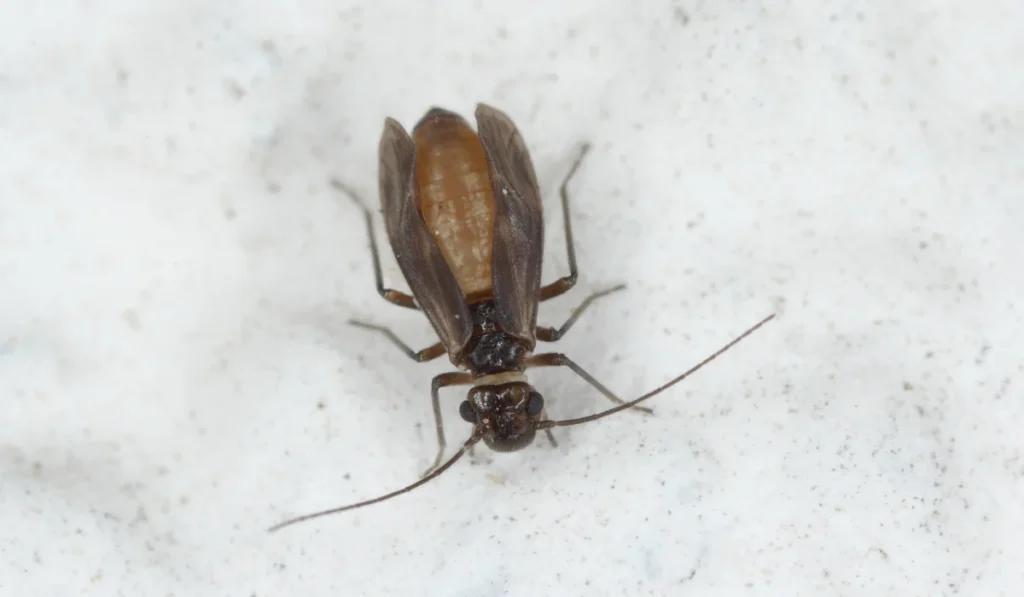
Nashville-area homes may encounter two subterranean termite species. Native subterranean termite swarmers are black to caramel colored and measure roughly 1/4 to 3/8 inch in body length. They swarm in the morning or early afternoon, typically from January through early June, and are not attracted to light. Formosan subterranean termite swarmers are larger, about 1/2 inch including wings, with a caramel-colored body and small hairs on the wings visible only under magnification. Formosan termites swarm at dusk and are strongly attracted to light. Formosan colonies also carry a higher proportion of soldiers, roughly 15 percent of the colony compared to less than 5 percent in native colonies, which reflects how aggressively this species can damage a structure once established.
Both species feed along the grain of wood, consuming softer springwood while leaving the harder summerwood intact. That pattern produces a layered, channeled appearance inside damaged lumber that is one of the clearest visual identifiers of subterranean termite feeding when you open up a suspect timber.
Signs of Termite Activity Inside Your Home
Wood that feels soft, gives easily under a sharp probe, or sounds hollow when tapped is worth investigating further. Subterranean termites work from the inside out, consuming framing while leaving only a thin exterior shell. Timbers that appear intact on the surface may already be substantially compromised underneath. A screwdriver pushed into suspect wood near a foundation, sill plate, or floor joist will reveal whether the interior has been hollowed.
Irregular earthen tubes running across interior walls, along floor joists, or up foundation walls inside a crawl space are shelter tunnels that subterranean termites build to travel between soil and wood while staying protected from open air. Finding these mud tubes indoors is a strong indicator that a colony is active. A moisture meter can help identify areas with elevated moisture that may indicate hidden feeding activity in wall cavities or beneath flooring.
Where Activity Concentrates Around Nashville Homes
On the exterior, inspect foundation walls for pencil-width lines of dried soil running vertically or at angles along concrete, block, or brick. These tubes bridge the gap between the soil where the colony lives and the structural wood above. Check any transition zone where wood approaches or contacts soil, including porch framing, deck posts, and areas where siding runs close to grade. Probing exposed structural wood in these locations with a screwdriver and listening for hollow sounds is a practical inspection method that does not require any tools beyond what most homeowners already have.
Swarmers as a Warning Sign
Finding winged insects near windows or light sources, or discovering clusters of discarded wings on windowsills and near door frames, is often the first sign Nashville homeowners connect to termites. Swarmers are the winged reproductives that leave an established colony to start new ones, which means their presence indicates a mature colony is already nearby. Telling termite swarmers apart from winged ants matters because the two are frequently confused. Termite swarmers have straight antennae, a broad waist, and two pairs of equal-length wings. Winged ants have elbowed antennae, a pinched waist, and unequal wing pairs. If you are unsure, save a sample in a sealed container for professional confirmation.
Why Termite Problems Develop in Nashville
Subterranean termite activity around Nashville homes traces back to consistent conditions: available moisture, soil contact, and accessible wood. Understanding what creates those conditions near your structure helps you recognize warning signs before damage progresses.
Where Termites Nest Near Your Home
Subterranean termites nest in soil, where moisture protects the colony from drying out and provides building material for mud tubes. Soil that stays consistently damp near your foundation, whether from poor drainage, leaking pipes, or ground-level landscaping, supports colony establishment within easy foraging distance of structural wood. Formosan subterranean termites can also establish above-ground carton nests in moisture-laden wood inside a structure when conditions allow, which sets this species apart from native subterranean species that always maintain soil contact.
What Draws Termites Toward a Structure
Wood is the food source, and any wood in direct contact with or close to soil represents a direct path from colony to meal. Porch framing, deck posts, door frames near grade, and wood debris left near the foundation all create foraging opportunities for subterranean termites. Moisture problems around the foundation, including leaking pipes, inadequate grading, and condensation issues in crawl spaces, create the damp soil conditions that support colony establishment and the damp wood conditions that favor Formosan nesting.
How Termite Colonies Spread
Colonies expand by producing swarmers that emerge to establish new colonies nearby. Native subterranean termite swarmers in the Nashville area typically appear from late winter through late spring. Formosan swarmers emerge later, primarily in May, and are drawn to lights at dusk. A swarm event does not mean termites are arriving for the first time. It means a mature colony is already established close enough to the structure to produce reproductives, which typically takes several years of feeding before it happens.
Shelter Tubes and Travel Routes
Mud tubes are the most consistently visible physical evidence of subterranean termite activity. Workers build these tunnels from soil, saliva, and bits of wood to travel between their underground colony and wooden framing above without exposure to open air. They appear along foundation walls, crawl space piers, utility penetrations, and other surfaces connecting soil to the structure. Finding even one tube is enough to warrant a professional inspection, because the colony producing it may already be feeding throughout the adjacent framing.
Risks of a Termite Infestation in Nashville
Structural Damage That Builds Undetected
Subterranean termites can feed on wood inside a structure for years without producing any surface sign that triggers concern. In many cases the infestation is only discovered when swarmers emerge or when a probe or renovation reveals hollowed framing. Workers build shelter tubes from soil mixed with saliva and bits of wood or drywall, which can run along foundation walls and floor joists for considerable distances before anyone investigates. Framing that appears intact may already be substantially compromised at the load-bearing interior when the infestation is finally identified.
The Delay Between Infestation and Discovery
The pattern most Waynes professionals see in Nashville is a colony that has been feeding for several years before any visible swarm event prompts the homeowner to call. That delay is built into how subterranean termites work. They stay hidden in wood and soil, produce no sound and no surface waste, and only become visible when the colony is mature enough to produce swarmers. Treating a swarm event as an emergency makes sense precisely because it means the colony is well established, not newly arrived. The EPA’s termite guidance identifies professional inspection as necessary once any sign of termite activity is confirmed, because the visible sign is typically the last clue to appear, not the first.
Formosan Termites and Accelerated Damage
Formosan subterranean termite colonies are substantially larger than native subterranean colonies and consume wood at a faster rate. A mature Formosan colony can number in the millions compared to the hundreds of thousands typical of native subterranean species. That scale difference means structural damage accumulates faster once a Formosan colony establishes near or beneath a Nashville structure, which makes early identification particularly important when this species is suspected.
When to Act
Mud tubes on a foundation wall, swarmers near a window, or wood that gives under a probe are all reasons to schedule a professional inspection rather than continue monitoring. The longer a colony remains unaddressed, the more broadly the damage extends through adjacent framing. Correcting moisture conditions and removing wood-to-soil contact around the structure are useful first steps, but they do not eliminate an active infestation. Treatment requires a licensed professional and registered products that are not available to homeowners.
Professional Termite Control in Nashville
Protecting your Nashville home from termite damage combines reducing the conditions that attract subterranean termites, a thorough professional inspection, and a treatment approach that reaches the colony rather than just addressing the visible signs.
Reducing What Draws Termites In
Addressing moisture near the foundation is the most consequential preventive step for subterranean termites. Fix leaking pipes, correct drainage that directs water toward the foundation, and repair any condensation issues in crawl spaces. Eliminate direct wood-to-soil contact by keeping siding away from grade, removing wood debris from around the foundation perimeter, and treating or replacing any wood already in contact with soil. These steps reduce the foraging opportunities and nesting conditions that allow a colony to establish near your home. They support whatever professional treatment is in place but do not replace it when a colony is already active.
Why Inspection Comes First
A professional inspection identifies where termite activity is present, which species is involved, what conditions around the property are supporting the infestation, and what structural damage has already occurred. Pest professionals look for mud tubes, damaged wood, moisture intrusion points, and wood-to-soil contact in areas that a homeowner walkthrough typically misses, including crawl space framing, attic bearing walls, and utility penetrations. The inspection also determines whether the activity involves native subterranean termites or the more aggressive Formosan species, which shapes the treatment approach and the urgency of the response.
What Termite Treatment Involves
Registered termite treatment products are highly regulated and require a licensed professional to apply. Homeowners cannot access or legally apply the products used for subterranean termite control, which is why professional involvement is necessary once an infestation is confirmed rather than optional.
Waynes uses Constant Protection baiting systems with AlwaysActive technology, placed strategically in the ground around your home. The system begins working as soon as installation is complete, targeting termite activity and continuing to work to help keep termites away over time. Your service professional identifies whether native or Formosan subterranean termites are involved and accounts for that distinction when designing the placement and monitoring plan for your property.
What Ongoing Protection Covers
A termite control plan extends beyond the initial treatment visit. Subterranean termites live underground and can return if conditions near the structure change or if the baiting system is not maintained. Waynes’ Constant Protection baiting systems with AlwaysActive technology provide ongoing monitoring alongside active protection, so any new activity around the structure is identified and addressed before it produces the kind of hidden feeding damage that takes years to discover.
Waynes has served more than 150,000 families across Tennessee and neighboring states with over 50 years of experience. As an EPA Environmental Stewardship Program member since 2004, Waynes approaches every treatment with care for your property and the surrounding environment. Every little thing matters. A LOT.
Bottom Line
Telling whether you have termites in your Nashville home starts with knowing the signs worth acting on: mud tubes on foundation walls, wood that sounds hollow or gives under a probe, and swarmers near windows or doors. A swarm event means a colony is already mature, not newly arrived, which is why treating it as an urgent signal rather than a curiosity makes sense. Correcting moisture and wood-to-soil contact conditions around your home reduces what draws termites in, but eliminating an active infestation requires a licensed professional. Contact Waynes Pest Control to schedule an inspection and get a clear picture of what you are dealing with.
Frequently Asked Questions
What Are the First Signs Most Homeowners Notice?
Swarmers near windows or doors, and the discarded wings they leave behind on windowsills and floor surfaces, are often the first visible sign. Mud tubes on exterior foundation walls are the next most common indicator. Both appear only after a colony has been active for some time, which is why they should be treated as a prompt to act rather than a reason to keep monitoring.
Can I Handle a Termite Problem on My Own?
You can replace termite-damaged wood and correct conditions around your foundation that favor termite activity. Applying registered termite treatment products is a different matter. Those products are highly regulated and require a licensed pest control professional to apply legally and effectively. A DIY approach to treatment is not a workable substitute for professional service.
When Should I Schedule a Professional Inspection?
If you find mud tubes on a foundation wall, wood that gives under a probe or sounds hollow when tapped, or swarmers inside your home, schedule an inspection rather than waiting to see whether the signs persist. Native subterranean termites in Nashville can swarm as early as January, so staying alert through spring is worth building into your routine. Any confirmed sign of activity warrants professional evaluation rather than continued monitoring.
What Types of Termites Are Found in Nashville?
Waynes encounters both native subterranean termites and Formosan subterranean termites in the Nashville area. Native species are more common, but Formosan termites are more aggressive and produce larger colonies capable of causing more extensive damage in a shorter period. A professional inspection identifies which species is present and shapes the treatment plan accordingly.