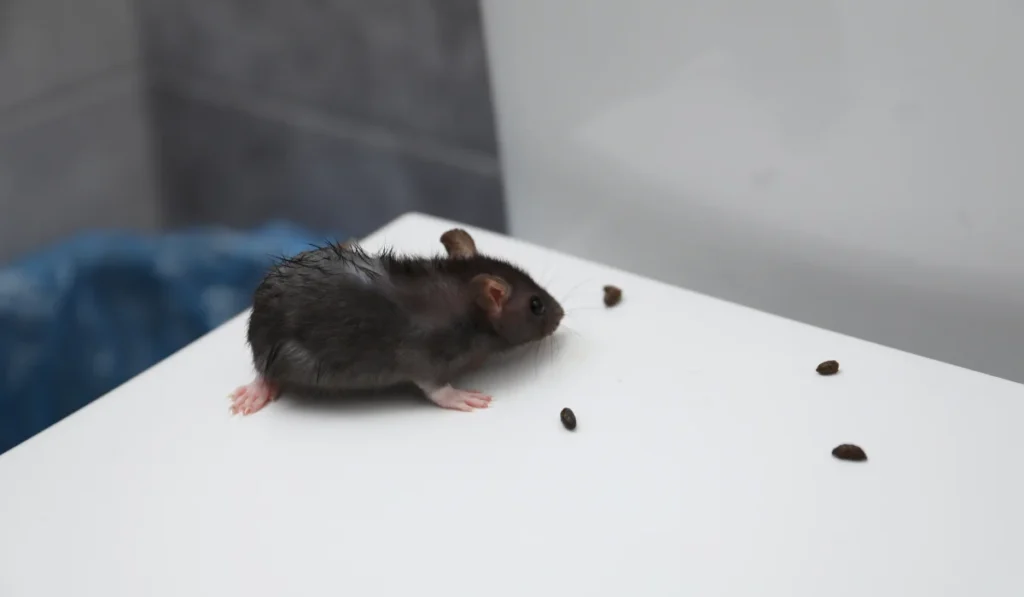


Roof rats are a growing problem in Mobile, Alabama, due to warm weather, steady humidity, and easy access to food and shelter. These critters move across tree limbs, slip into rooflines, and hide in crawl spaces. When they get inside, they can bring fleas, chew on electrical wiring, and leave droppings in storage areas.
If you want to prevent roof rat infestations in Mobile, AL, you need clear steps that fit the Gulf Coast climate. Homeowners across Mobile County, including Daphne, Saraland, Spanish Fort, and Fairhope, face rodent issues year-round, so a robust plan makes a big difference.
That plan should include sealing entry points, improving sanitation, and using basic pest-control practices to reduce rat attractants. If you need help getting started, professional rodent control in Mobile, AL, can guide you through the proper steps.
This guide explains why roof rats infest homes in Mobile, what attracts them, how to keep them out, and when to call pest control or rodent exterminators.
Key Takeaways
- Moisture, food access, and tree cover make Mobile homes easy targets for roof rats.
- Sealing entry points and storing food in airtight containers are the best first steps.
- Mobile’s climate keeps rodents active year-round, increasing the need for steady prevention.
- Homeowners should call a professional when signs of an infestation come back or when repairs are needed.
Video Guide: How to Identify What Type of Rat You Have
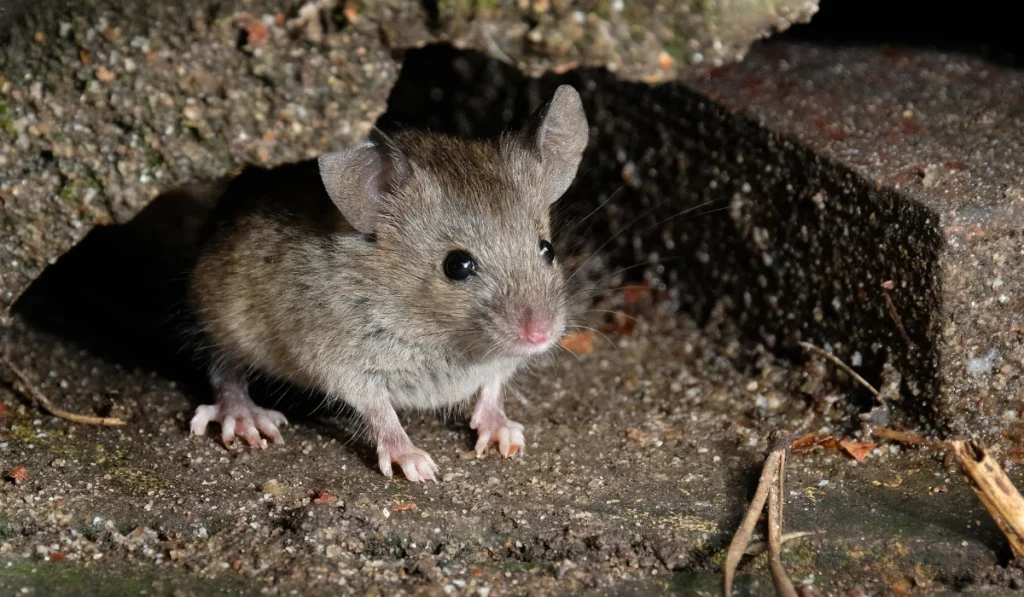
This video helps homeowners tell roof rats apart from other rodents, such as the Norway rat. It outlines key features to look for, including body shape, size, and movement patterns. These visuals make it easier to identify the type of rodent in your Mobile home, an important first step before sealing entry points or implementing prevention measures.
Why Do Roof Rats Infest Homes In Mobile, AL?
Roof rats in Mobile, AL, infest homes because the climate gives them everything they need. High humidity, steady rain, and mild winters create moisture pockets around foundations and rooflines.
These areas attract rodents, including the heavier Norway rat. Older homes and raised foundations in Mobile, Daphne, and Fairhope often have gaps that allow roof rats to enter.
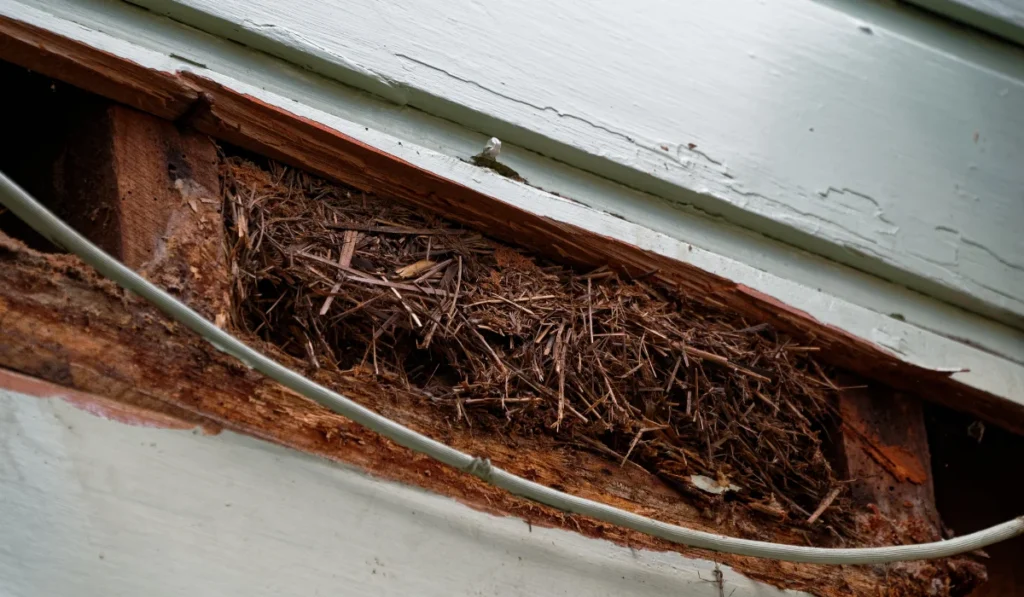
Tree limbs hanging over rooftops act as bridges, allowing rodents to reach vents, soffits, and weak points in shingles. Landscaping with dense shrubs or vines shelters roof rats while they search for entry points. Once inside, they choose warm areas like attics or wall voids, where they chew through wiring and insulation.
Human habits can also increase rodent activity. Leaving pet food outside, storing snacks in thin packaging, or placing trash cans near the home can attract rodents. Roof rats may also introduce fleas, which can spread throughout the house, and some rodents carry pathogens, including those linked to hantavirus.
If you suspect roof rats or house mice are active in your home, our team can inspect your property and develop a rat control plan tailored to Mobile’s climate.
What Attracts Roof Rats To Homes In Mobile, AL?
Food is the biggest attractant for roof rats: open pantry items, crumbs, and pet food bags stored in garages all invite them inside. Trash cans left open, or birdseed spilled under feeders, also serve as meal sources. Any home with steady access to food becomes a target.
Moisture draws rodents close as well. Clogged gutters, roof leaks, and damp crawl space areas create year-round water sources. After heavy storms, standing water around the yard increases activity. Rodents stay near these damp spots because they offer shelter and protection from the heat.
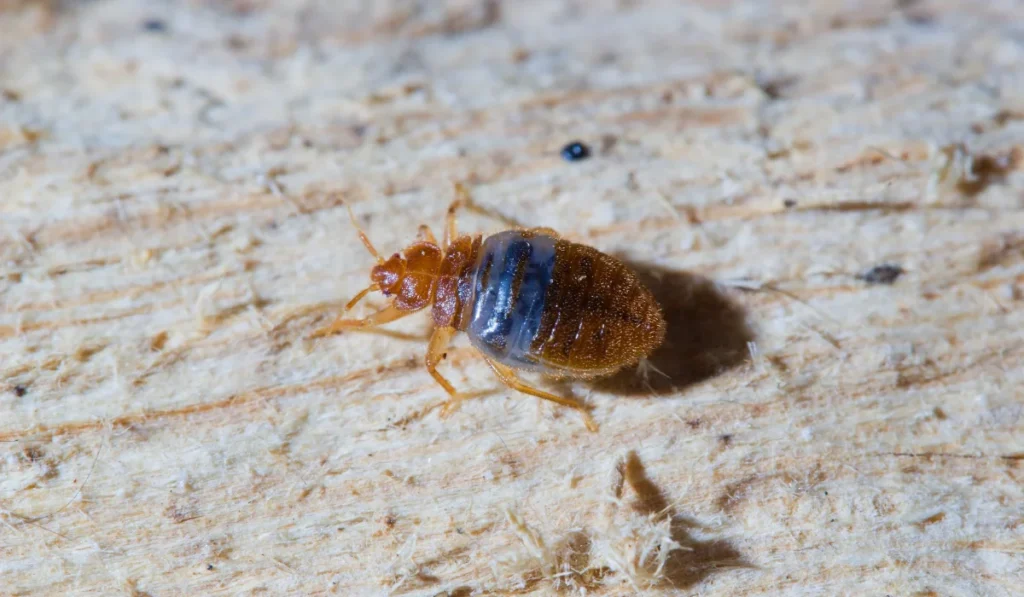
Shelter is the final piece. Firewood stacks, leaf piles, sheds, and attic insulation provide roof rats with hiding places. Other pests, such as wasps and bed bugs, may also use the same spaces. Neighborhood changes, such as construction or a shifting trash pickup schedule, can increase rodent activity across Mobile and the surrounding areas.
At Waynes Pest Control, we offer a comprehensive rodent control service that helps you identify the attractants driving your rodent problem and guides you on the next steps.
How Do You Prevent Roof Rat Infestations In Mobile, AL?
Step 1: Seal Entry Points
Look for gaps around soffits, vents, siding, and crawl space doors. Roof rats only need a small opening to enter. Check around utility lines, window frames, and areas where tree limbs touch the roof. Closing these entry points is the first and strongest step in preventing a rodent infestation.
Step 2: Reduce Moisture Indoors & Outdoors
Moisture control matters in Mobile’s climate. Fix leaks under sinks and around hose connections. Clean gutters after storms and improve airflow in damp rooms. Remove standing water from buckets, yard tools, or children’s toys. A dry home is much less attractive to roof rats.
Our team can inspect your home for moisture issues that may be contributing to your rodent problem.
Step 3: Improve Food & Waste Management
Store pantry items in airtight containers. Keep trash lids closed, and bring pet food indoors at night. Clean under appliances and sweep crumbs from the kitchen. These habits also reduce the presence of other common pests, such as fire ants and bed bugs. Strong sanitation makes the home less appealing to rodents.
If you need help identifying food-related risks, we can point them out during an inspection.
Step 4: Maintain Landscaping
Trim shrubs, mow grass regularly, and rake leaves away from the house. Keep firewood stacked off the ground and away from the walls. Roof rats use thick outdoor cover to hide before entering the home, so yard care makes a big difference across Alabama’s Gulf Coast.
We can help you review landscaping choices that may attract rodents and other pests.
Step 5: Use Preventive Treatments When Needed
Basic traps and monitors can help with early detection, but may not solve a large rodent infestation. Roof rats avoid poorly placed traps and may move deeper into crawl spaces or attic corners. DIY efforts reach a limit, especially once you see structural damage or signs of contamination.
At Waynes Pest Control, we offer eco-friendly options and long-term rodent control to keep your home protected.
What DIY Methods Help Prevent Roof Rats In Mobile, AL?
DIY steps can help reduce the early signs of roof rats. Homeowners can place traps in safe locations, seal small gaps with steel wool, and keep kitchens and storage areas clean. Monitoring for droppings, noises, or chew marks helps catch problems early.
Still, DIY methods cannot solve infestations inside wall voids or insulation. Rodents may carry fleas, chew through electrical wiring, or damage boxes before traps catch them. Homeowners often reach a point where they need a licensed exterminator to locate nests and safely remove rodents.
We offer pest control services that include safe removal, cleanup guidance, and long-term protection.
How Does The Mobile, AL Climate Affect Roof Rat Prevention?
Mobile’s weather keeps rodents active year-round. A combination of rain, humidity, and mild winters encourages roof rats to stay near homes. Seasonal changes also shape rodent behavior.
Seasonal Impact On Roof Rat Activity
| Season | Climate Conditions | Rodent Behavior | Best Prevention Steps |
|---|---|---|---|
| Winter | Mild and damp | Roof rats stay active and seek warm attic spaces. | Inspect insulation and seal entry points. |
| Spring | Heavy rain | Moisture pushes rodents toward dry indoor areas. | Fix leaks and clean gutters. |
| Summer | Heat and humidity | Rodents search for water and shade. | Strengthen sanitation and reduce clutter. |
| Fall | Cooler nights, storms | Roof rats prepare for winter shelter. | Trim vegetation and reinforce exclusion. |
Urban areas like Midtown Mobile often have higher levels of food waste, which increases rodent activity. Suburban areas may face a higher risk from vegetation or crawl space openings.
We can build a seasonal plan to keep your home protected all year-round.
When Should You Call A Professional For Roof Rat Prevention In Mobile, AL?
If you want to protect your home from rodents and hantavirus, call a professional when noises persist, droppings appear in multiple areas, or DIY traps stop working.
Rodents can spread pathogens through their urine and feces, putting you at risk of contracting diseases such as Salmonella, and they may bring fleas into your home.
Chewed wires, damaged storage boxes, and strong odors may point to a hidden infestation. Ignoring these issues can make them unsafe and lead to costly repairs.
Our licensed exterminator can identify roof rats or Norway rat activity, remove them safely, and create a prevention plan.
Making The Right Roof Rat Prevention Plan For Your Mobile, AL Home
A strong prevention plan helps protect your home from damage and keeps rodents from settling in. Sealing entry points, controlling moisture, storing food correctly, and caring for your yard all work together. In Mobile’s climate, these habits need steady attention.
At Waynes Pest Control, we can help you prevent roof rat infestations in Mobile, AL, with a plan built for the Gulf Coast.
Contact us today or request a free quote. Let our team of experts protect your home from roof rat infestations.
FAQs
What’s the most important step in preventing roof rats in Mobile, AL?
Sealing entry points is the most important step. Many Mobile homes have gaps in crawl space doors, rooflines, or siding that let roof rats inside. Closing these spots keeps rodents from entering in the first place.
Are DIY pest prevention methods effective in Mobile, AL?
DIY steps can help with minor issues, but Mobile’s weather keeps rodents active year-round. If you live in Mobile County and the rodent problem persists, contact a pest control company for assistance.
Does the weather affect how often roof rats invade homes in Mobile, AL?
Yes. Weather changes across the Gulf Coast push rodents toward homes. Storms, humidity, and mild winters allow roof rats to stay active in Mobile longer than in cooler regions.