

If you’re asking, “Are there German cockroaches in Chattanooga, Tennessee?” the answer is yes.
German cockroaches like warm, humid spots. They often hitchhike into homes in grocery bags, cardboard boxes, and small appliances. We see them year-round in apartments and single-family homes from Hixson to East Brainerd.
When people ask this, they often just see small tan roaches dash away when the lights come on. You’re not alone. These pests spread fast, and a few sightings can turn into an infestation within weeks. The good news: targeted pest control works. If you’re looking for reliable pest control in Chattanooga, TN, professional help can stop the problem before it grows.
This guide covers what German cockroaches look like, how they differ from other roaches, where they hide, what starts an infestation, and when to call a pro. We also share how Waynes Pest Control treats homes in Chattanooga and the surrounding areas.
Key Takeaways
- German cockroaches are common in Chattanooga and spread quickly in kitchens, bathrooms, and basements.
- Correct ID matters. German roaches differ from American cockroaches and oriental cockroaches.
- Small changes in storage and sanitation cut off food sources and reduce the risk of infestation.
- Professional pest control services deliver lasting pest solutions with follow-up to keep homes pest-free.
What German Cockroaches Are And Why Chattanooga Sees Them
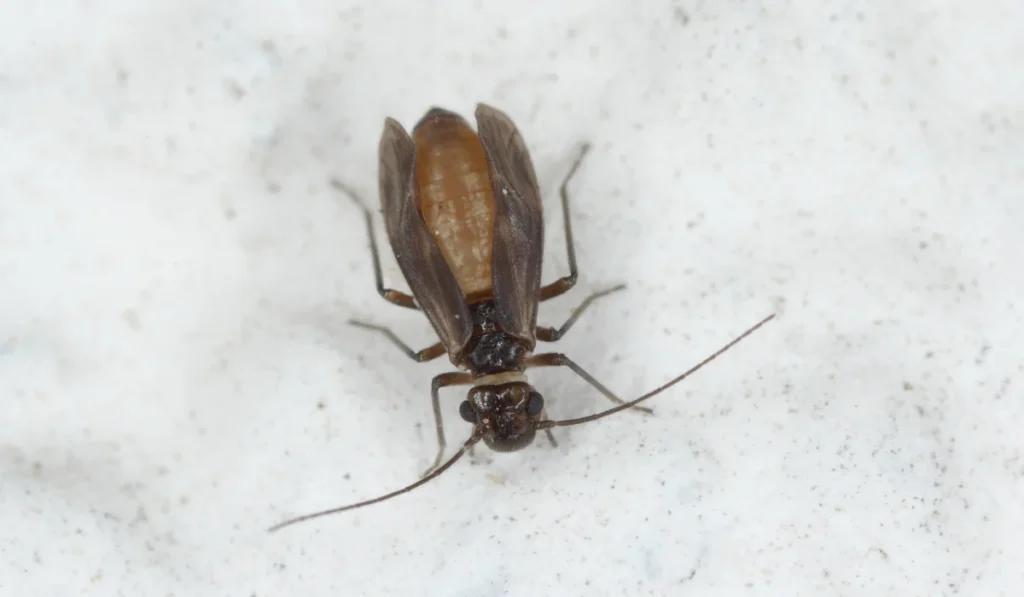
People ask this because they keep seeing them. German cockroaches are small and light brown with two dark stripes behind the head. They want warmth, moisture, and easy food.
In Chattanooga, multifamily housing, older kitchens, and busy schedules create ideal conditions. They don’t usually come from drains or sewers. Instead, they spread by riding in bags, secondhand appliances, and cardboard boxes.
Once inside, they multiply fast. One female with egg cases can turn into a severe cockroach infestation if you don’t act. In Red Bank, North Shore, or Ooltewah, the pattern is the same.
How To Spot German Roaches Versus Other Types Of Cockroaches
First, confirm what you’re seeing.
German roaches are small, tan, and have two short stripes behind the head. They run fast and hide in tight, warm spots. Look in kitchens and bathrooms near sinks and appliances.
Other roaches in Chattanooga can look similar. Correct identification leads to the right plan. Check color, size, and where you find them. Look for droppings, shed skins, and egg cases in hidden spots.
Learning what types of cockroaches are in Chattanooga, TN, can also help you spot the differences early.
American Cockroaches And Palmetto Bugs
American cockroaches are large and reddish-brown. Many people call them palmetto bugs. They live in sewers, crawl spaces, and basements, then wander indoors. You might see them in garages or along baseboards at night. They need a different plan than German roaches.
Oriental Cockroaches And “Water Bugs”
Oriental cockroaches are dark brown to almost black and like damp areas. Some folks call them water bugs. You will find them in basements, crawl spaces, and around foundation drains more than in kitchens. If you catch one, compare color and size to help confirm what you have.
Where German Cockroaches Hide In Chattanooga Homes
Spotting them starts with knowing where they hide inside.
In kitchens, check warm spots: behind fridges, under dishwashers, inside cabinet hinges, and near the stove. Look for pepper-like droppings, tiny shed skins, and egg cases in crevices.
Bathrooms are next. Check around sink traps, behind toilets, and inside vanity cabinets. In basements, look near laundry areas, stored cardboard, and water heaters. They squeeze into tight gaps.
When you’re ready for help, our team at Waynes Pest Control targets these harborage points and blocks access. We design pest control for Chattanooga homes and apartments.
What Causes An Infestation And How It Spreads
The question, “Are there German cockroaches in Chattanooga, TN?” usually follows a surprise sighting.
A small introduction is all it takes. Cockroaches ride in shopping bags, used microwaves, or a friend’s box of kitchenware after a move. They hide in corrugated boxes, then spread from room to room.
Food keeps them growing. Crumbs in toaster trays, pet bowls left out, drips under the fridge, and open snacks become a buffet. At night, they feed, breed, and spread.
In multifamily buildings, they move under doors and along utility lines. A small cockroach problem can quickly grow into a large infestation.
If you think you brought them home or live in close quarters, our team at Waynes Pest Control can build a plan with treatments, follow-ups, and prevention measures.
Health Risks And Signs You Should Not Ignore
Can German cockroaches in Chattanooga affect your health? Yes. Their droppings and shed skins can trigger allergies and asthma, especially in kids. They track germs onto counters and into cabinets. The longer an infestation lasts, the more it spreads across kitchens and bathrooms.
Watch for pepper-like droppings, egg cases behind appliances, and a musty smell in tight spots. Nighttime is prime time; turn on the light and check near the stove, sink, and microwave. In basements, check near the laundry sink for stored paper or cardboard. Act early to cut a growing infestation.
DIY Vs Professional Pest Control In Chattanooga
Many homeowners try DIY first. Simple steps help: reduce clutter, seal snacks, empty small trash cans nightly, and limit cardboard. Fix leaks and wipe up splatters. These moves make your home less friendly to German roaches and boost any treatment.
If you’re wondering how to get rid of German roaches effectively, these small habits are the first step before professional help.
A heavy infestation needs a pro plan. German roaches breed fast, hide in tiny gaps, and resist quick fixes, which is why calling a local exterminator can make a big difference. A local pro can reach what you can’t. In Chattanooga and nearby Cleveland, Soddy-Daisy, and Dalton, pro service cuts numbers faster and keeps them from returning.
Want a plan that works? At Waynes Pest Control, we are a trusted pest control company serving Tennessee and North Georgia.
Our Process For Cockroach Control In Chattanooga
Here’s our simple process:
- Inspect: We check under appliances, inside cabinet hinges, along baseboards, and in basements and crawl spaces. We confirm German roaches and note any other species of cockroaches, such as American or Oriental roaches.
- Treat and follow up: We target harborage zones, cut food access, and suggest simple changes that last. We schedule follow-ups to track progress and adjust tactics. If we see moisture or gaps, we call them out and offer fixes.
How German Roaches Compare To Pests In Other Tennessee Cities
People ask if it’s worse here than elsewhere. We see German roaches across Tennessee, including Knoxville and Nashville, with patterns that match Chattanooga. Warm areas with older plumbing or frequent moves see more issues.
In Knoxville, student moves and shared housing drive activity. In Nashville, more multifamily housing and turnover spread egg cases fast. The basics stay the same: tight hiding spots, warmth, and steady food. They move from kitchens to bathrooms and even basements.
No matter the city, we adapt to the building type and neighborhood. If you split time between Chattanooga, Knoxville, or Nashville, our team can coordinate pest solutions that fit your routine.
Mistakes That Make Roach Problems Worse
Several habits keep German cockroaches comfortable. Stacking cardboard boxes in basements gives them shelter and easy places to hide egg cases. Leaving pet food out overnight becomes a steady source of food. Letting small leaks drip under sinks creates moisture that keeps them close to the kitchen.
Spraying the wrong product in the wrong place can scatter roaches. You may see fewer for a short time, then a rebound. Skipping follow-ups lets hidden pockets grow again.
Use a steady plan: reduce clutter, close gaps, and target the right zones until the roach infestation breaks.
What To Do Right Now If You’re Seeing Roaches
If you just saw a small tan roach run across the counter, take these steps: wipe spills, empty the toaster tray, and clean under the fridge. Bag and remove extra cardboard. Seal snacks and keep paper goods off the floor. These simple steps cut off the food and crumbs that let German cockroaches grow and spread.
Next, note where you see activity. Check under the sink, behind the stove, and along cabinet edges for droppings or egg cases. In basements and crawl spaces, check near the water heater and laundry sink. The more you find now, the better your plan will be. Daily activity means you likely need help.
Seasonality: Why They Thrive Year-Round
Chattanooga’s climate suits German roaches year-round. Summers are humid. Winters are mild, and indoor heat from cooking and laundry keeps them active. We still see problems after the holidays as boxes move through kitchens.
Travel and moving also spread them. New roommates, a used microwave, or a delivery with extra packing can bring hitchhikers. In older homes, gaps near plumbing allow water to move between units. A small pocket in one kitchen can become an infestation next door.
At Waynes Pest Control, we build long-term prevention into every plan. If you want year-round protection, our Chattanooga team can set up recurring service and keep watch between visits.
Are There German Cockroaches In Chattanooga, TN Apartments?
Apartments face extra challenges. Shared walls, frequent moves, and stacked kitchens help German roaches spread. One unit can be clean, but roaches still travel along plumbing or under doors. Building-wide action works best with unit-level steps.
Tenants can report early, keep food sealed, and limit cardboard. Property managers can set consistent service, schedule follow-ups, and fix moisture issues. In Chattanooga and nearby towns, we coordinate with managers to ensure treatments occur in the correct order.
Myths: Do They Come Up From Drains?
We hear this a lot. While American cockroaches often live in sewers, German cockroaches prefer indoor spots near warmth and food. They may show up near sinks because that is where water and crumbs collect, not because they live deep in the pipes. Blocking food and moisture sources is more effective than drain tricks.
Another myth is that a spotless kitchen cannot have roaches. Even tidy homes can pick them up from packages or a visiting appliance. Cleanliness helps, but it is not the only factor. Fast identification and a steady plan make the most significant difference in breaking an active infestation.
If myths have stalled your progress, we can set the record straight and get results. Our Chattanooga team focuses on facts and proven steps that work.
Making The Right Pest Control Choice For Chattanooga Homeowners
German cockroaches may be common in Chattanooga, but lasting relief comes from action, not worry. Once you know what attracts them and where they hide, staying ahead becomes simple: quick cleanup, sealed food, and consistent follow-up.
Professional treatment adds the final layer of protection by reaching the hidden places that DIY methods can’t. One thorough plan stops the cycle and helps your home stay clear year-round.
At Waynes Pest Control, we offer local expertise and proven pest solutions designed for Chattanooga homes.
Contact us today or request a free quote and take the first step toward a roach-free home.
FAQs
How do I know if I have German cockroaches or something else?
Look for small tan roaches with two dark stripes behind the head, fast movement, and pepper-like droppings near warm, tight spots in kitchens. Larger reddish-brown roaches are usually American cockroaches, and very dark roaches that like damp areas are often oriental cockroaches.
What attracts German roaches in the first place?
Warmth, moisture, and easy meals. Crumbs, pet food, and drips under sinks keep them close. Cardboard boxes and clutter provide shelter. Limit these food sources, fix leaks, and reduce floor storage to slow activity while you set treatment.
How long does treatment take to clear an active infestation?
Timelines vary by size and layout. A structured plan with inspection, targeted treatment, and follow-up is key. Expect several visits for a heavy infestation, plus simple home changes to cut off access and help results last.