Chattanooga summers create exactly the conditions cockroaches look for: warmth, humidity, and abundant food sources. Several species common to the region move toward structures as temperatures climb, and at least one, the German cockroach, lives entirely indoors once it establishes. Knowing which species you are dealing with, what draws them inside, and how professional treatment differs by species helps you respond before a small presence becomes a larger problem.
Key Takeaways
Protection Calendar · CockroachesChattanooga, TNCockroach season in Chattanooga
This calendar tracks when cockroaches move toward and inside homes. Summer heat and humidity drive the pattern. Populations build through the hottest months. Darker shields mean heavier activity.
Peak: Jul–Aug, summer heat and humidity push outdoor species inside and speed indoor breeding
Peak Jul–AugHigh May–Jun, Sep–OctLow Nov–Apr
- Several cockroach species can appear in Chattanooga homes during summer. American, smokybrown, and oriental cockroaches primarily live outdoors but move indoors when heat intensifies. German cockroaches live entirely inside once established.
- German cockroaches are among the most difficult species to address and require a dedicated treatment plan that differs from general pest control.
- Reducing clutter, removing cardboard, and addressing moisture sources around kitchens and bathrooms makes indoor spaces less hospitable to all cockroach species.
- Waynes Pest Control provides an initial barrier treatment and interior service with scheduled follow-up visits at no additional cost for reservices.
How to Identify Cockroaches in Your Chattanooga Home
Knowing which species you are dealing with helps you understand where to look and what to expect from treatment. The species present shapes where cockroaches concentrate, how quickly populations can grow, and what control approach is appropriate.
University of Tennessee Extension provides identification resources for cockroach species found across the state, including those most common in the Chattanooga area.
How to Tell Common Species Apart
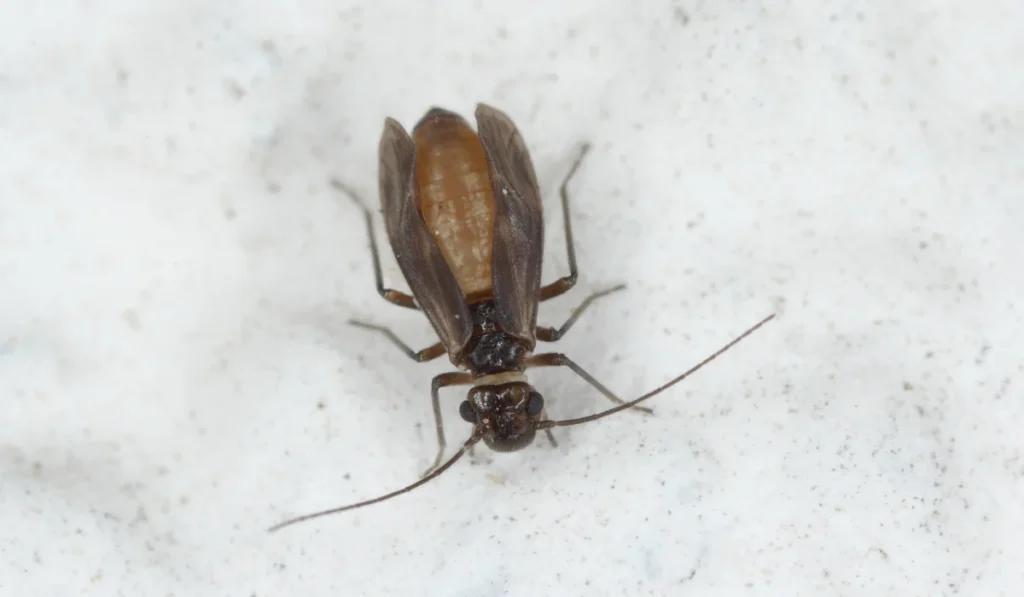
German cockroaches are the species most likely to be living entirely indoors. Adults are light brown to tan with two dark stripes running behind the head. Nymphs are darker, ranging from dark brown to black, with the same two-stripe pattern. German cockroaches rarely fly and prefer to run. Their presence indoors alongside nymphs usually means a population is already developing rather than just passing through.
American cockroaches are larger, reddish-brown insects that move between outdoor and indoor spaces. Smokybrown cockroaches are also outdoor species that may enter homes seeking food or water. Oriental cockroaches tend to prefer cool, damp conditions and are another outdoor species that finds its way inside under certain conditions. Telling these apart matters because the right response depends on which species is active and where it is concentrated.
Signs of Activity Inside Your Home
German cockroaches prefer temperatures around 80 degrees Fahrenheit, which Chattanooga summers regularly provide. Warmer indoor temperatures can shorten nymph development time, which increases the potential for population growth through the hottest months. Small dark droppings, shed skins, or a musty odor in warm rooms are worth investigating. Finding nymphs alongside adults is a clear sign that breeding is already underway indoors.
Where Activity Concentrates
American and smokybrown cockroaches often live outdoors but move toward structures when summer heat intensifies. American cockroaches prefer temperatures around 80 degrees, roughly 5 to 10 degrees warmer than the range German cockroaches favor, which drives them closer to homes during the hottest periods. German cockroach activity, by contrast, stays concentrated inside rather than around the exterior, typically in kitchens and bathrooms where warmth, moisture, and food converge.
How Cockroaches Get Inside
Outdoor species including American and smokybrown cockroaches use foundation cracks, gaps around doors, and openings where utility lines enter the structure to move inside. These access points connect them to the warm, sheltered conditions they seek as summer temperatures peak. Sealing visible gaps can help reduce how many outdoor species find their way in. German cockroaches, because they live entirely indoors, typically arrive by hitchhiking in grocery bags, cardboard boxes, or luggage rather than entering through structural gaps.
Why Cockroaches Come Inside in Summer in Chattanooga
Summer heat, moisture, and food pull cockroaches toward structures in predictable ways. Understanding where different species spend their time outdoors, what draws them toward a home, and how they move once inside helps you focus prevention where it matters most.
Where Cockroaches Spend Time Outdoors
During daylight hours, cockroaches hide in warm, dark, moist spots near structures. Water meter boxes, sewer access points, crawl spaces, and cracks in foundations stay humid even on the hottest days, giving roaches the sheltered conditions they need to rest before foraging after dark. Smokybrown cockroaches, the most common cockroach in suburban Southern neighborhoods with mature hardwood trees, may live in tree holes, attics, crawl spaces, and sheds before moving toward the structure.
What Draws Cockroaches Toward Your Home
Odors from decaying organic material, soured residue near drains, and dead insects can pull cockroaches toward a structure from outdoor nesting areas. Once nearby, they seek shelter in dark cavities in walls and crawl spaces. German cockroaches concentrate near moisture and food sources inside the home, which is why kitchens and bathrooms are the most common trouble spots for this species. Keeping those areas dry and free of food residue reduces what draws them deeper into the living space.
How Cockroaches Move Through a Home
When outdoor conditions shift or food sources become scarce, cockroaches move indoors through structural cracks, crevices, and gaps. A population may appear suddenly even if the outdoor colony has been building for weeks. Once inside, they hide in warm, dark areas during the day and come out to feed after dark. Cockroaches can also travel between neighboring spaces, including apartments and adjacent rooms, through shared walls and utility penetrations. That migration is one reason an indoor infestation can reestablish after treatment if entry points are not sealed alongside the treatment itself.
The Role of Clutter and Cardboard
Corrugated cardboard is a reliable source of cockroach introductions and harborage. Cockroaches and their egg capsules can arrive in shopping bags, shipping boxes, and luggage without being noticed. Once inside, stacks of cardboard, piled papers, and clutter in kitchens and bathrooms give cockroaches the dark, sheltered spots they prefer during daylight hours. Removing those materials reduces both the likelihood of introduction and the harborage that lets populations build between treatments.
Risks of Cockroaches in Your Chattanooga Home
Cockroaches that move indoors during summer create concerns beyond simple nuisance. Several species found in Chattanooga homes are associated with real health and sanitation issues, particularly when populations grow unchecked through the warm months.
Health Concerns
German cockroaches are among the most widespread indoor pests affecting public health in homes, apartments, and restaurants.
The EPA identifies cockroaches as a significant indoor health concern, associated with allergens that trigger asthma and respiratory symptoms, particularly in children. Because German cockroaches can produce a new generation in roughly 100 days under favorable conditions, a small number present at the start of summer can become a much larger population by fall. That growth rate increases the likelihood of contact with surfaces where you eat, cook, and spend time.
Species Variety Adds to the Challenge
The range of cockroach species active in the Chattanooga area means homeowners may encounter more than one type during summer. Eight species of wood cockroaches are native to the Southeastern United States. The Asian cockroach, first identified in the Southeast in the 1980s, and the palebordered field cockroach have joined native wood cockroaches and smokybrown cockroaches already established in the region. If cockroach activity appears in multiple rooms or during daylight hours, the population may already be well established and worth investigating further rather than addressing with a single surface spray.
Kitchens and Food Storage Areas
Kitchens and pantries are prime destinations once cockroaches enter a home. German cockroaches concentrate near food preparation and storage areas, raising sanitation concerns that go beyond annoyance. Their presence on surfaces where food is handled or stored warrants a response that treats the population rather than just the individuals you see.
When Activity Warrants a Closer Look
Seeing cockroaches during daylight hours is a sign worth taking seriously. Cockroaches are nocturnal and typically stay hidden during the day. Daytime sightings, or finding them in multiple rooms, usually indicate a population that has grown large enough that competition for nighttime harborage is pushing some individuals out during off-peak hours. At that stage, prevention steps alone are unlikely to be enough.
Professional Cockroach Control in Chattanooga
When cockroaches find their way indoors during summer in Chattanooga, a combination of prevention, thorough inspection, and professional treatment gives you the best chance of keeping an infestation from taking hold or growing larger.
Reducing What Draws Cockroaches In
Removing clutter is the most immediate step you can take. Piles of papers and cardboard boxes, especially in kitchens and bathrooms, give cockroaches the cover they look for once inside. Break down and recycle cardboard promptly. Keep paper off the floor in storage areas. Examine bags, boxes, and luggage before storing them to check for cockroaches or egg capsules. These habits reduce both the harborage and the most common introduction routes.
Addressing moisture is equally important. Fix dripping pipes and leaking faucets under sinks. Keep bathroom and kitchen surfaces dry. Reducing available moisture makes indoor spaces less hospitable to all cockroach species, including German cockroaches, which are particularly reliant on proximity to water.
Why Inspection Comes First
Any cockroach management plan starts with identifying how cockroaches are getting in and where they are concentrated. A careful inspection covers holes and cracks around walls and doors, utility entry points, and areas inside the home where droppings, shed skins, or odors indicate activity. Waynes includes an internal inspection with the initial service so service professionals can locate problem areas and determine the right approach for your home before any treatment begins.
Inspection also means checking what you bring inside. Grocery bags, shipping boxes, and luggage can carry cockroaches or their egg capsules unnoticed. Examining those items before storing them reduces one of the most common ways German cockroaches enter a home.
What Treatment Involves
For most cockroach species, Waynes addresses treatment through the general pest control service. The initial visit creates a barrier around the home and includes an internal service. Follow-up treatments are then scheduled to maintain control, with no additional cost for reservices.
German cockroaches require a separate treatment plan. If a German cockroach infestation is identified during inspection, the Waynes team outlines that plan so you know what to expect before work begins. Sealing holes and crevices around walls, doors, and utility penetrations is an important part of any cockroach plan, because roaches can travel from neighboring spaces through those gaps and reestablish activity after treatment if entry points remain open.
What a Cockroach Control Plan Covers
A Waynes cockroach plan combines the barrier treatment, interior service, and scheduled follow-up visits into one package. The follow-up visits maintain pressure on the population over time rather than relying on a single application to carry the season. Between visits, keeping kitchens and bathrooms free of cardboard and paper clutter helps maintain the progress each treatment provides.
With over 50 years of experience and more than 150,000 families served, Waynes brings a track record built on character, integrity, and persistence. Every little thing matters. A LOT.
Bottom Line
Summer warmth drives cockroaches toward the food, moisture, and shelter your Chattanooga home provides. Sealing entry points, reducing clutter, removing cardboard, and keeping kitchens and bathrooms dry all help make your home less inviting. When roaches do show up, species identification matters because German cockroaches require a separate plan from general pest control. Waynes Pest Control creates a barrier around your home, treats the interior, and schedules follow-up visits at no extra cost. Contact Waynes to get started.
Frequently Asked Questions
Why Do I See More Cockroaches During Summer?
Summer temperatures push outdoor species toward the comfortable conditions your home provides. German cockroaches, which live entirely indoors, develop faster in warmer temperatures, which can accelerate population growth through the hottest months. Both patterns mean summer is when cockroach activity is most likely to become noticeable indoors.
Where Do Cockroaches Hide During the Day?
Cockroaches stay out of sight in warm, dark, moist spots including cracks and crevices around walls, under sinks, and behind appliances. You may not see them until after dark when they come out to forage. Daytime sightings usually indicate a population that has grown large enough to push individuals out of harborage during off-peak hours.
How Can I Help Keep Cockroaches Out?
Seal holes and crevices around walls, doors, and utility penetrations to cut off common entry points. Keep indoor areas free of excess cardboard and paper. Inspect bags and boxes before bringing them inside. Reduce moisture near sinks and drains. These habits work best when paired with professional perimeter treatment that addresses the source before cockroaches establish indoors.
Does Waynes Treat German Cockroaches Differently?
Yes. German cockroaches require a separate treatment plan because they are harder to address than most other species and live entirely indoors. Other cockroach species are typically covered under the general pest control service, which includes an initial barrier treatment, interior service, and scheduled follow-up visits at no additional cost.