
Cockroaches are more than a nuisance. They move between sewers, outdoor waste, and the surfaces inside your home, picking up and depositing bacteria along the way. They also produce allergens that accumulate in living spaces over time. For Chattanooga homeowners, understanding what cockroach activity actually means for your family’s health is the first step toward dealing with it effectively.
Key Takeaways About Cockroach-Related Illness
- Cockroaches can carry bacteria capable of causing food poisoning, so knowing how to identify them in your home matters.
- Cockroach allergens may affect respiratory health, particularly in children with asthma.
- Sealing entry points and reducing moisture are practical first steps to limit cockroach access to your living spaces.
- When populations grow, professional treatment of harborage areas may be needed to bring numbers down.
How to Identify a Cockroach Problem in Your Chattanooga Home
Knowing which cockroach you are dealing with is the first step toward understanding the health risks it may carry. Several species look similar at first glance, so a closer look at body markings and behavior patterns helps you tell them apart and respond effectively.
How to Tell Different Cockroach Species Apart
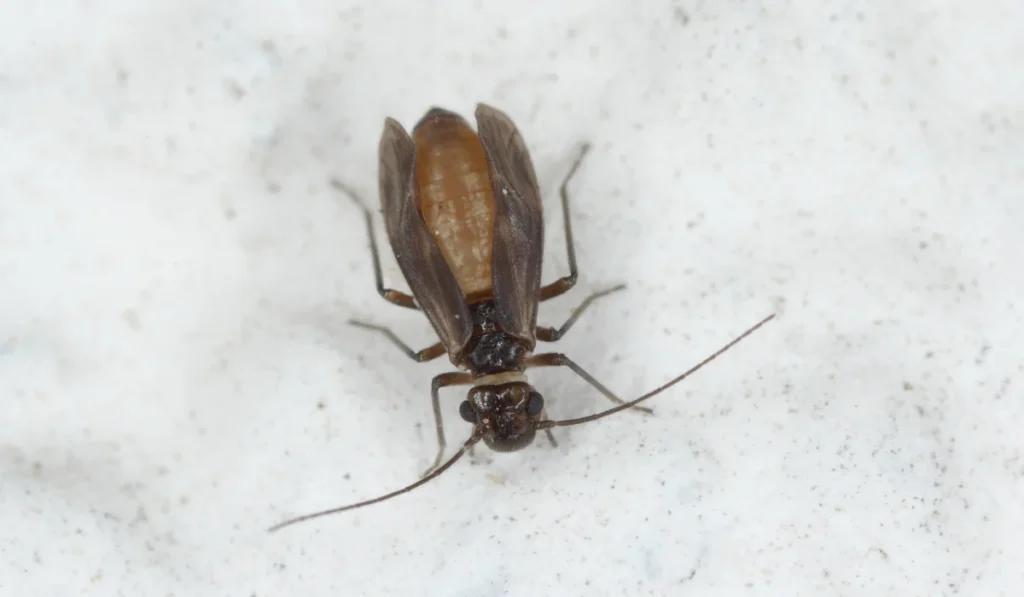
German cockroach adults are light brown to tan with two dark stripes running lengthwise behind the head. Nymphs are darker, ranging from dark brown to black, but carry the same two-stripe pattern. German cockroaches rarely fly and prefer to sprint across surfaces. They are the species most associated with kitchens and food preparation areas, and they are harder to control than most other indoor species.
American cockroaches are larger and reddish-brown, with a yellowish figure-eight marking behind the head. They are more commonly found in sewers and drains but move indoors through plumbing, drains, and foundation gaps. One way to distinguish certain look-alike species is by checking for a cream-colored band along the fore wing, which is absent on true American cockroaches.
Signs of Cockroach Activity Inside Your Home
Cockroaches are mostly active at night. If you flip on a kitchen or bathroom light and see one dart across the counter, others are likely nearby. Small dark droppings that look like pepper flecks along cabinet edges or drawer tracks are another common indicator. A musty odor in enclosed spaces such as under the sink can point to a growing population. Shed skins left behind as nymphs mature are sometimes found along baseboards or inside pantry corners.
Where Cockroach Activity Shows Up Around Homes
Inside, cockroaches gravitate toward warm, humid areas near water. Kitchens and bathrooms are frequent hotspots because they offer both moisture and food residue. Activity behind appliances and in gaps around plumbing fixtures is common. German cockroaches in particular prefer to stay close to food preparation areas, which is one reason they raise greater health concerns than outdoor species that occasionally wander inside.
Entry Points Cockroaches Use to Get Inside
Gaps around doors, window frames, and where utility lines pass through exterior walls give cockroaches a path indoors. Sewer connections and plumbing lines give American cockroaches a direct route up from below. Trees and shrubs alongside the home can serve as additional pathways, since American cockroaches migrate into houses from vegetation touching or overhanging the roofline. Worn weatherstripping and cracks in the foundation can also provide access.
Why Cockroach Problems Develop in Chattanooga
Cockroaches become a health concern when their outdoor habits bring them into contact with the spaces where you live and eat. American cockroaches are among the most common cockroaches found in sewer systems, and that association with waste is exactly why they can contaminate food and surfaces once they move indoors. Chattanooga’s warm, humid summers extend the window when outdoor cockroach populations are active and pushing toward buildings.
Outdoor Conditions That Support Cockroaches
American cockroaches favor moist, shady outdoor spots including hollow trees, wood piles, and mulch. They sometimes nest under roof shingles and in attics. During warm months, large outdoor populations create steady pressure on nearby homes, and any gap in the building envelope can become an entry point.
German cockroaches rely more heavily on humans for food and shelter and are the most likely species to infest home kitchens and restaurants. Peridomestic species like the American cockroach can survive without human structures but move indoors when outdoor conditions deteriorate, including during periods of drought, heavy rain, or temperature extremes common to Tennessee summers.
What Keeps Cockroaches Coming Back
Accessible food and moisture are what keep cockroach populations active inside a structure. Once inside, cockroaches contaminate food and eating utensils, leave stains and odors on contact surfaces, and deposit allergen-producing material in the spaces where your family spends the most time. Removing those attractants reduces the reward that keeps foraging workers returning to the same areas.
Health Risks From Cockroach Infestations in Chattanooga
Cockroaches can affect your household in ways that go well beyond being an annoyance. The two primary health concerns are bacterial contamination and allergen exposure, and both deserve attention when cockroach activity is present.
Bacterial Contamination and Food Safety
German cockroaches are able to mechanically transmit diseases picked up in their environments, including Salmonella, in large part due to their omnivorous foraging behavior. American cockroaches compound that risk by moving between sewers and kitchens, potentially carrying bacteria including Salmonella spp. and Shigella spp. onto food preparation surfaces. When cockroaches move through food areas, they deposit pathogens from every surface they have previously contacted.
Keeping food preparation areas clean reduces the reward cockroaches find there, but it does not eliminate the risk when an active infestation is already established inside the walls or under appliances.
Allergens and Respiratory Health
Cockroach allergens have the greatest impact on childhood asthma in many U.S. cities. These allergens come from cockroach body fragments, droppings, and shed skin that accumulate in living spaces over time. For households with asthma-prone family members, even low-level cockroach activity deserves attention because allergen material continues to build up as long as activity continues.
Reducing cockroach populations through professional treatment and keeping areas where droppings or shed skin may accumulate clean can help lower allergen levels indoors over time.
When to Take a Closer Look
If you notice cockroach droppings, shed skins, or a musty odor in your home, it is worth investigating further. German roaches in particular require a dedicated treatment plan beyond general pest control. Recognizing activity early gives you more options for managing allergen buildup and bacterial risk before the population grows.
Professional Cockroach Control for Chattanooga Homes
Keeping cockroaches out of your home takes a combination of prevention, inspection, and professional treatment. Because these pests move indoors through plumbing, cracks, and nearby vegetation, a layered approach gives you the best chance of staying ahead of them.
Reduce What Draws Cockroaches Inside
Sealing entry points is one of the most important steps you can take, since cockroaches can travel from neighboring rooms and apartments through holes and cracks around walls or doors. Trimming vegetation that touches your roofline or exterior walls also helps, since American cockroaches migrate into houses from trees and shrubs alongside buildings.
Reducing excess moisture, storing food in sealed containers, and removing clutter that provides hiding spots make your home less inviting to roaches year-round. These steps do not replace professional treatment when a population is already established, but they reduce the conditions that allow it to return.
Why Control Starts With Inspection
An inspection identifies the routes cockroaches use to enter your home and locates the harborage areas where populations concentrate. Service professionals look for openings along plumbing penetrations, door frames, and wall junctions where gaps tend to develop over time. Pinpointing which entry points are active means treatment and exclusion efforts focus on the right areas rather than guessing.
What to Expect During Professional Cockroach Treatment
Waynes creates a barrier around your home during the initial service and performs an internal treatment for cockroaches. Follow-up treatments are then scheduled to keep the population down, with no additional costs for reservices. This layered approach addresses cockroaches already inside while reducing new arrivals from outside. The treatment method is tailored based on what the inspection reveals, including whether German cockroaches, American cockroaches, or both are involved.
What to Expect From a Waynes Pest Control Cockroach Plan in Chattanooga
Waynes Pest Control has served more than 150,000 customers across Tennessee, Alabama, Mississippi, and the Florida Panhandle for over decades.
A plan built on regular service visits addresses the ongoing nature of cockroach pressure. Because cockroaches migrate from sewers, trees, and neighboring structures, one-time treatments often fall short. Waynes schedules follow-up visits as part of the plan, and reservices come at no extra charge.
Bottom Line on Cockroach Health Risks in Chattanooga
Yes, cockroaches can make you sick. They may carry bacteria linked to food poisoning, and their allergens can affect respiratory health, particularly in children. Keeping your home clean, reducing moisture, and sealing entry points all help lower the chance of an infestation. When cockroach populations grow, professional treatment is needed to bring numbers down. If you are dealing with cockroaches in your Chattanooga home, contact Waynes Pest Control for an inspection and a treatment plan tailored to the species involved.
Frequently Asked Questions
Can Cockroaches Trigger Asthma Symptoms?
Yes. Cockroach allergens from body fragments, droppings, and shed skin accumulate in living spaces and can worsen asthma symptoms, particularly in children. Reducing cockroach activity and cleaning areas where that material collects can help lower allergen levels indoors over time.
How Do Cockroaches Spread Bacteria?
Cockroaches pick up bacteria by moving through sewers, waste material, and contaminated outdoor surfaces, then deposit those pathogens onto food preparation areas and utensils indoors. Keeping food areas clean and addressing any infestation early reduces that risk, but cleaning alone does not eliminate it when a population is established inside the structure.
Are German Cockroaches Harder to Treat?
Yes. German cockroaches need a dedicated treatment plan that goes beyond general pest control. An initial barrier treatment, interior service, and scheduled follow-up visits help keep populations down, with no additional cost for reservices from Waynes.
What Can I Do to Prevent Cockroaches Indoors?
Seal holes or crevices around walls and doors, since cockroaches can travel through cracks from neighboring spaces. Reduce excess moisture, store food in sealed containers, and remove clutter that provides hiding spots. Trim back vegetation touching the home’s exterior and address any plumbing leaks that create moisture inside walls. These steps make your home less inviting to roaches year-round.