
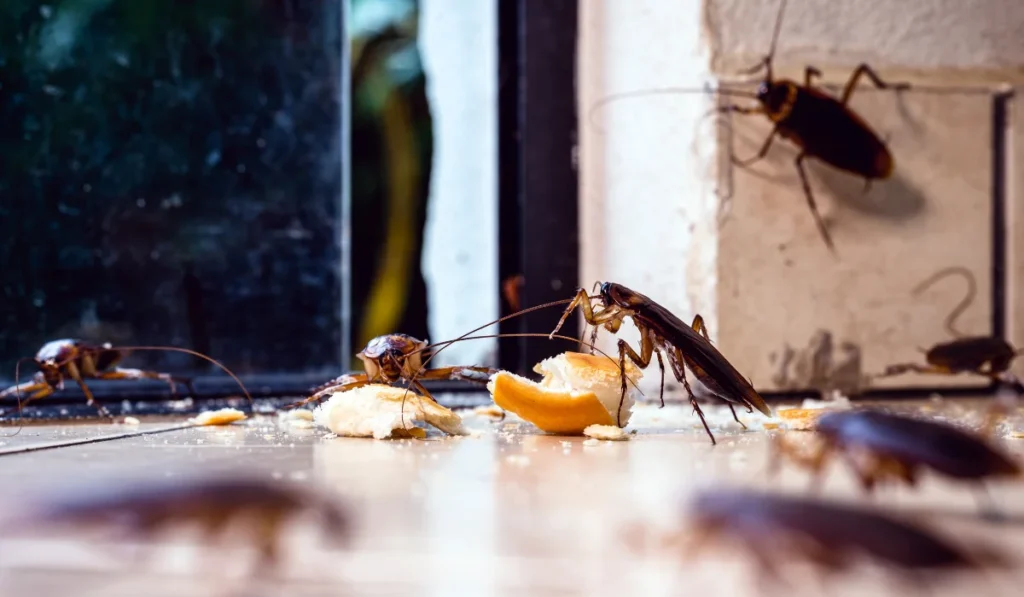
 You turn on the kitchen light and see a cockroach on the wall. Then it takes off. Moments like this make many homeowners ask, “Do cockroaches fly?” In the Southeast, this sight is common and unsettling.
Yes, some cockroaches can fly, but not all species fly well. Some use their wings often, while others only lift off when scared. Warm, humid states support flying cockroaches that survive outdoors and move into homes, which is why many homeowners in Alabama, Mississippi, Tennessee, and the Florida Panhandle turn to a professional cockroach exterminator for help.
This guide explains which cockroach species can fly and why they enter homes. You will also learn how they enter, the health risks they pose, and how to address the larger problem.
You turn on the kitchen light and see a cockroach on the wall. Then it takes off. Moments like this make many homeowners ask, “Do cockroaches fly?” In the Southeast, this sight is common and unsettling.
Yes, some cockroaches can fly, but not all species fly well. Some use their wings often, while others only lift off when scared. Warm, humid states support flying cockroaches that survive outdoors and move into homes, which is why many homeowners in Alabama, Mississippi, Tennessee, and the Florida Panhandle turn to a professional cockroach exterminator for help.
This guide explains which cockroach species can fly and why they enter homes. You will also learn how they enter, the health risks they pose, and how to address the larger problem.
Key Takeaways
Field Guide · Southeast
Cockroach species in Southern homes — which ones fly and which ones don’t
The Southeast is home to several cockroach species, and they behave very differently. Knowing which ones fly, which ones stay hidden, and which ones carry the most risk helps you understand what you’re dealing with.
1Disease risk
German Cockroach
IDPale tan with two dark parallel stripes running from head to wing base; wings present but almost never used for flight
WhereKitchens, bathrooms, behind appliances, inside cabinet hinges — strongly prefers indoor environments
NoteThe most common indoor cockroach in the U.S. and the hardest to eliminate. Reproduces rapidly and leaves droppings and shed skins that trigger asthma and spread Salmonella and E. coli.
2Disease risk
American Cockroach
IDReddish-brown body with a pale yellow figure-8 pattern behind the head; one of the largest roaches you’ll encounter indoors
WhereBasements, crawl spaces, floor drains, and areas near leaky pipes
NoteCapable of short flights, especially when disturbed in warm weather. Contaminates food prep surfaces with bacteria picked up in sewers and drains.
3Disease risk
Smoky Brown Cockroach
IDUniformly dark mahogany-brown with no markings; wings extend slightly past the abdomen on both sexes
WhereGutters, attics, tree holes, rooflines, and woodpiles — attracted to moisture and outdoor lighting
NoteA strong flier that moves readily between outdoor habitats and homes. More of a flying threat than the American cockroach and commonly mistaken for it.
4Can bite
Asian Cockroach
IDNearly identical to the German cockroach — tan with two dark dorsal stripes — but holds its wings flat and takes flight readily
WhereOutdoors in mulch, leaf litter, and gardens; enters homes through doors and windows at night
NoteStrongly attracted to light, which draws it inside after dark. Unlike the German cockroach, it prefers outdoor living but can establish indoors in Florida’s climate.
5Contaminates
Australian Cockroach
IDSimilar to the American cockroach but with distinct yellow streaks along the outer edge of the forewings
WhereOutdoor plantings, greenhouses, and wall voids in humid areas; common in Florida
NoteA capable flier that enters homes seeking moisture and food. More common in Florida than in northern parts of Waynes’s service area.
6Disease risk
Oriental Cockroach
IDShiny dark brown to black body; male has short wing stubs that don’t cover the abdomen, female has only small pads
WhereFloor drains, damp basements, crawl spaces, and utility areas — rarely moves to upper floors
NoteSometimes called the ‘water bug.’ Rarely flies but thrives in wet, cool conditions and carries bacteria from drains and sewage onto surfaces.
7Contaminates
Brown-Banded Cockroach
IDSmall and tan with two pale bands crossing the wings and abdomen; males fly when disturbed
WhereWarm, dry areas like closets, upper cabinet shelves, furniture, and electronics
NoteUnlike most cockroaches, it avoids moisture and spreads throughout the home rather than concentrating in kitchens. Can be harder to locate because it hides in unexpected spots.
8Low concern
Wood Cockroach
IDMedium brown with pale white edge along the outer wing margin; males are strong fliers toward light
WhereWooded areas, firewood piles, leaf litter, and exterior walls — enters homes by accident
NoteDoes not establish or reproduce indoors. Usually a one-time entry event rather than an infestation. No significant health risk associated with indoor encounters.
Waynes has protected Southeast families for 50 years as an EPA Pesticide Environmental Stewardship member. Every little thing matters. A LOT.
- Most cockroaches have wings, but only some are strong fliers
- Flying roaches usually come from outdoor environments
- Short flights often happen when roaches are disturbed
- Preventing entry is key to keeping homes pest-free
Video Guide: Different Types Of Cockroaches
This short video explains the different types of cockroaches found around homes. It shows how each roach species behaves and where it usually lives. Understanding these differences helps explain why some flying cockroaches show up indoors while others stay outside. This knowledge makes cockroach control more effective.Do Cockroaches Fly Or Just Glide?
Many people wonder if cockroaches truly fly or only glide. The answer depends on the species. Most cockroaches have wings, but many rarely use them. Instead of full flight, cockroaches usually glide from cabinets, shelves, or walls. Most cannot remain in the air for long and cannot fly like birds or insects. When cockroaches do fly, they travel short distances. They often lift off when something scares them or when they search for food. Warm air helps roaches take flight, which makes flying roaches more common in summer. If you see cockroaches flying inside your home, they likely came from outside. At Waynes Pest Control, we offer professional cockroach control services in Huntsville to identify the species and prevent recurring infestations.Flying Cockroaches Commonly Found In Homes
Several flying cockroach species are common in Southern states.- American cockroach: The American cockroach is one of the largest species. It has a reddish-brown color and often inhabits basements, crawl spaces, and areas near leaky pipes. While it does not usually glide or fly, it can do so over short distances.
- Smoky brown cockroach: Smoky brown cockroaches are strong fliers. They often live in gutters, attics, trees, and rooflines. Moisture and light attract them, which is why they sometimes enter homes.
- Asian cockroach: Asian cockroaches are strong fliers and actively seek out light. This behavior makes them common near doors and windows, especially in Florida.
- Australian cockroach and wood cockroach: These cockroaches can also fly. Wood cockroaches typically enter homes accidentally and do not pose long-term problems.
Roaches That Rarely Or Never Fly
While some cockroaches can fly, most common indoor species cannot.- German cockroach: The German cockroach is the most common indoor roach. Even though it has wings, it rarely flies. It spreads quickly in kitchens and bathrooms.
- Brown-banded cockroach: Brown-banded cockroaches prefer dry, warm areas like closets, cabinets, and furniture.
- Oriental cockroach: In places like Nashville, the oriental cockroach lives near drains and damp areas. It rarely flies.