Insights, Tips, and Tales

Tips on Keeping Uninvited Pests Out of Hotels

White mosquito silhouette with a dashed curved flight path on a green background

Tips on Keeping Uninvited Pests Out of Hotels

The temperature is lowering, the leaves are turning orange, and everyone is gearing up for the Thanksgiving holiday. Hello, fall! With the holiday season approaching, that means traveling and traveling means hotel stays. You want to make sure you keep your guest cozy, welcome, and safe during their stay—human guests that is. You definitely don’t want uninvited pests as guests.


Top 3 Fall Pests in Hotels

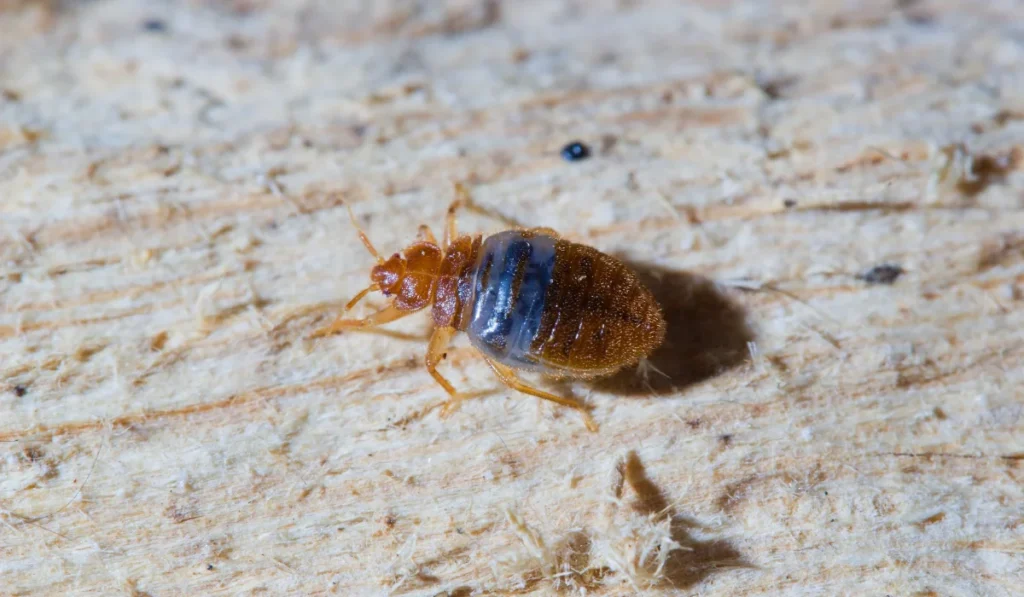
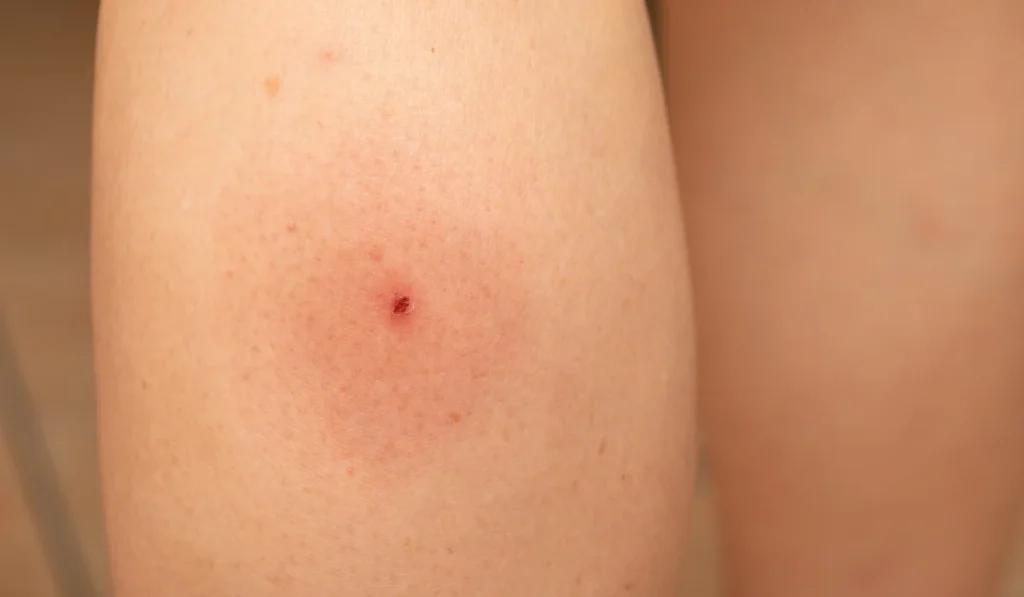
Bed bugs – Bed bugs are the biggest hitchhikers in the pest world. With traveling hiking up, it’s no question that bedbugs will show up. Bed bugs feed on blood and are attracted to any place where they can find a meal quickly and easily. Additionally, hotels experience a high turnover, so guests are constantly coming in and out of rooms.

Bed bugs can cause stain your hotel’s reputation. Once one room gets them, it can spread to many rooms. It’s often better to train your staff on preventative measures. This can include incorporating bed bug inspections into daily responsibilities, creating a protocol for responding to bed bug activity, and reporting bed bug activity.

For more information on identifying and getting rid of bed bugs, check out this blog!


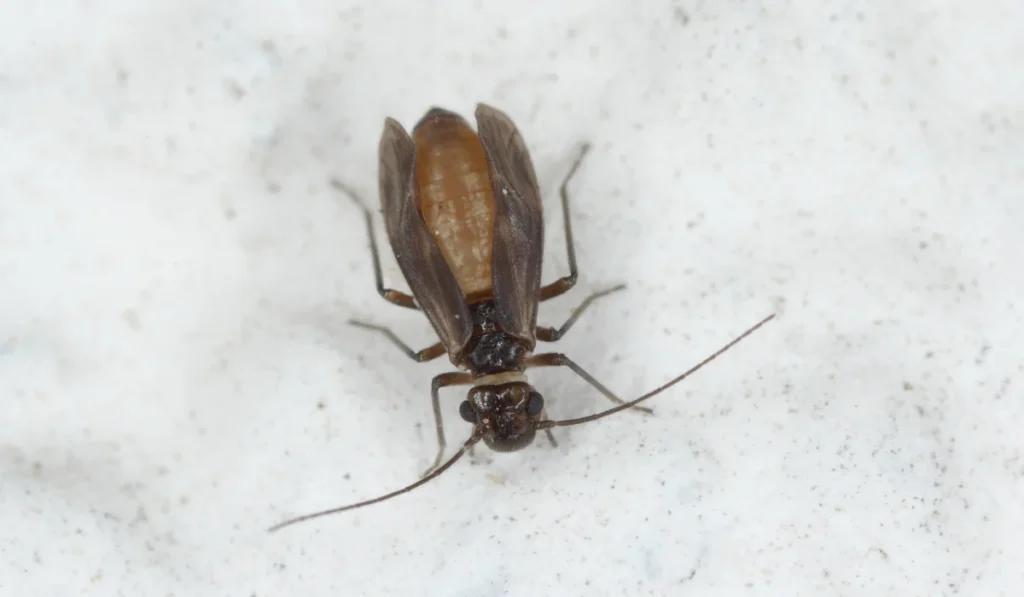
Cockroach – Colder weather can cause certain cockroach species to crawl into your hotel looking for food and warmth, while others can travel through luggage and shipments. Cockroach are notoriously nocturnal, so you may not even realize they are there. If you notice one roach, that means there are often many nearby.

In addition to disgusting your guests, cockroaches can be vectors for harmful bacteria and trigger allergies in some people. These uninvited pests tend to live, breed, and feed in materials found in hotels, and can crawl through even the tiniest cracks, luggage, and bags.

For more information on how cockroaches can affect your business, check out this blog!


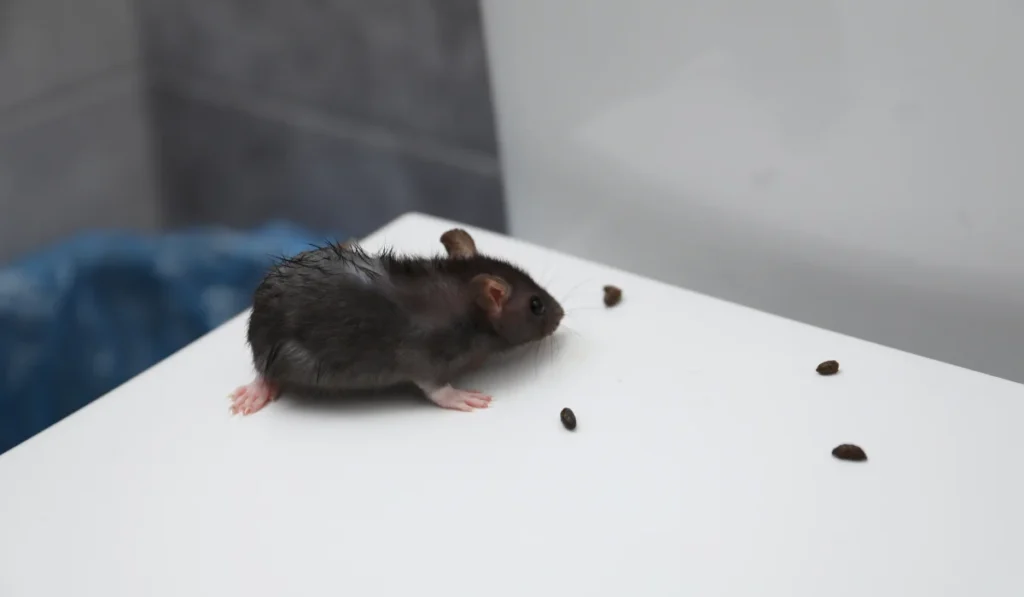
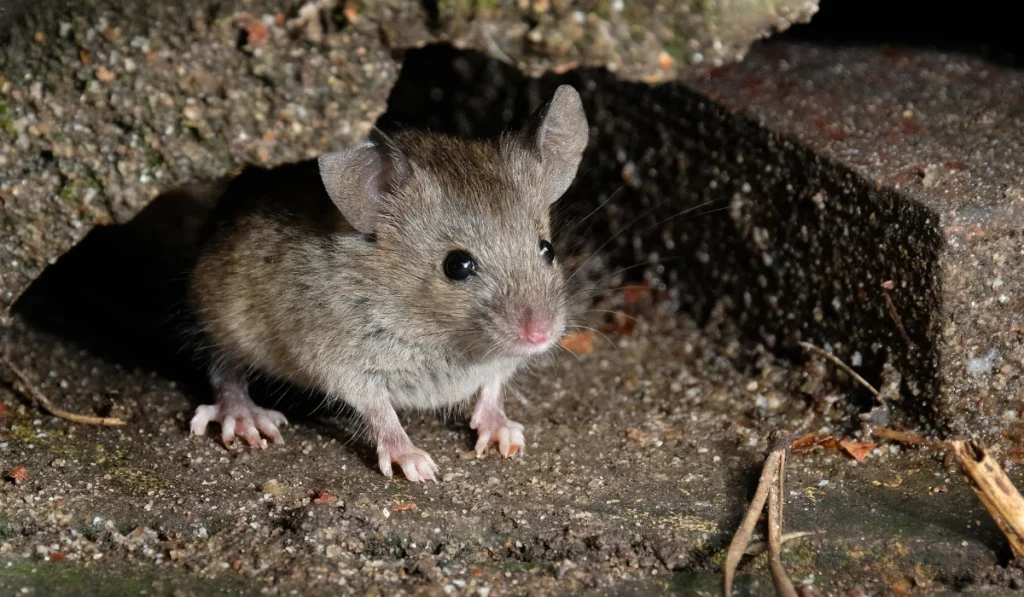
Rodents – Rats and mice also look for warmer spaces the colder it gets, and they can also get in through cracks and holes the size of a dime. They are known to carry bacteria and diseases, especially in their droppings. Not to mention they are unsightly; you definitely don’t want a guest to find a rat in their room! Whether it’s a hallway, room, dining area, or lobby, a rodent sighting can be upsetting and unsettling for your guests.


How Can a Commercial Pest Control Plan Help?

Good news, a professional, trained commercial pest company trained in treating hotels can help with all your fall pest control needs. At Waynes, we have multistep protocols for bedbugs, cockroaches, and rodents. As well as treating, we can also prevent these issues for all seasons!

By the time common fall hotel pests become problems for your guests, infestations can be large and difficult to control. Don’t let pests bother your guests this fall. Contact us today or call us at 866.WAYNES1 and we would be happy to give you a free estimate.

Rebecca Wood

Waynes has been serving customers since 1973. We have grown over the decades through a commitment to providing a world-class experience for our customers. We believe that if our employees are happy and fulfilled, they will go above and beyond in delighting our customers.

Latest from Waynes Blog

Opossum

Opossums in Florida: Habits, Risks, and ID

An opossum in Florida is usually a Virginia opossum, the state’s only marsupial. These animals are common around wooded areas, water sources, neighborhoods, gardens, sheds, crawl spaces, and yards where food or shelter is easy to find.  Opossums are mostly nocturnal and often avoid people, but they can become a nuisance when they get into…

Learn More >

tick

Ticks in Florida: Types, Season, and Prevention

In Florida, homeowners often encounter ticks around yards, trails, pets, and wooded perimeters. These animals thrive in shaded, grassy, brushy, or wooded outdoor environments, particularly where moisture, leaf litter, pets, and wildlife create ideal conditions.  Because certain ticks can transmit diseases, effective prevention is vital. Frequent sightings of ticks on clothing, pets, or outdoor recreation…

Learn More >

black carpenter ants

Carpenter Ants in Florida: Signs and Seasonal Activity

In Florida, carpenter ants are large insects that can be found both indoors and outdoors, particularly near moisture sources, trees, decaying wood, window frames, crawl spaces, attics, and plumbing leaks.  Unlike termites, they do not consume wood; instead, they often establish nests inside structural voids, soft or decayed wood, and pre-existing cavities. Spotting an occasional…

Learn More >

Florida no-see-um (biting midge) resting on human skin

Florida No-See-Ums: Identification, Bites, and Season

Biting midges, sand gnats, or sand flies, commonly known as Florida no-see-ums, are minuscule biting flies that often cause discomfort in coastal yards, patios, beaches, and marsh edges. Because of their tiny size, you might experience their small, itchy bites without ever spotting the insect itself.  These animals are particularly troublesome across coastal Florida, thriving…

Learn More >

Numerous reddish Florida fire ants swarming across a dirt mound with grass at the edges

Florida Fire Ants: Identification, Bites, and Mounds

Florida fire ants are one of the most frustrating ant problems homeowners face because they can build mounds in lawns, sting when disturbed, and return after rain or yard work.  The red imported fire ant is the species most people mean when they talk about fire ants in Florida. These ants are reddish brown to…

Learn More >

Florida millipede crawling across wet brick tile, segmented dark body with many pale legs visible

Florida Millipedes: Identification and Seasonal Habits

A Florida millipede is usually a nuisance pest, not a sign of structural damage. Millipedes live outdoors in damp places where they feed on decaying plant material, mulch, leaf litter, and rotting vegetation.  They often become noticeable after rain, heavy irrigation, or sudden moisture changes because saturated soil can push them toward patios, garages, crawl…

Learn More >

Aedes Mosquitoes

Florida Mosquitoes: Species, Season, and Bites

Florida mosquitoes are more than a backyard annoyance. They can make patios, pools, porches, and coastal yards difficult to enjoy, and some species can spread disease.  Florida has many mosquito species, but homeowners usually need to focus on a few practical questions: where they are breeding, when they are most active, and why they keep…

Learn More >

Translucent mole crab (sand flea) resting on coarse mixed-color beach sand

Sand Fleas in Florida: ID, Bites, and Season

Sand fleas in Florida can mean two different things, and that is where most of the confusion starts. At the beach, “sand fleas” often refers to mole crabs, small crustaceans that live in the surf zone and are not household fleas.  When people talk about itchy bites near beaches, marshes, patios, or coastal yards, they…

Learn More >

Ants crawling along a dirty white window sill and frame

Common Florida Insects: How to Identify Them

A Florida insect problem can look different from house to house. One home may deal with ants in the kitchen, another may see roaches in the garage, and another may notice termites, mosquitoes, fleas, or bed bugs.  Florida’s warm, humid climate can keep many pests active for long stretches of the year, so identification matters….

Learn More >

Scroll to Top