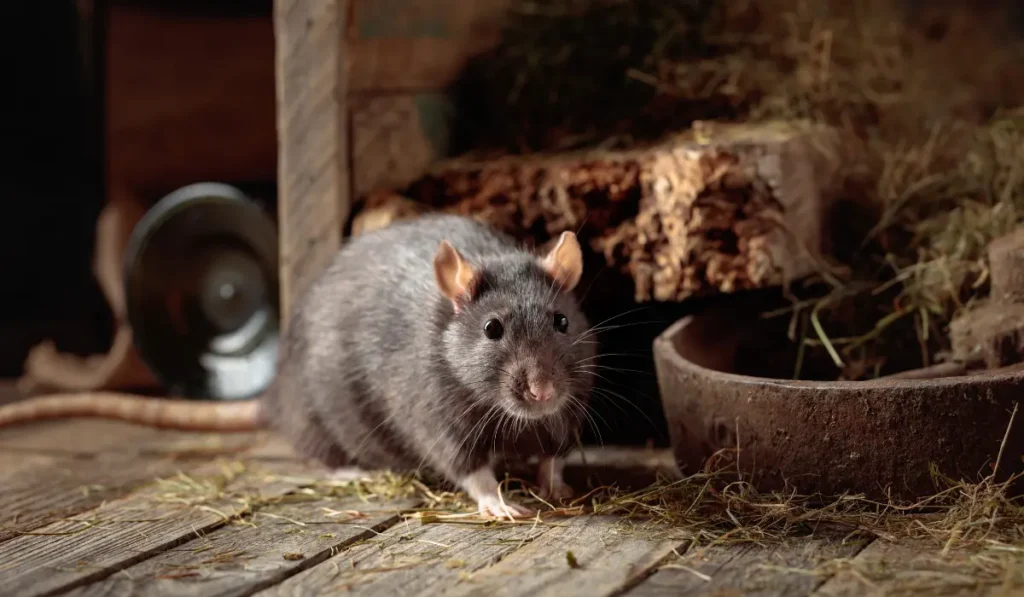


A cold front moves through, and a few nights later you hear scratching above the ceiling or find droppings near the garage wall. Reaching for peppermint pouches, an ultrasonic device, or another store-bought mouse deterrent feels like a simple response. Rodent repellents can change activity in a limited area, but they rarely solve the reason mice or rats entered your home.
Cold weather does not instantly deactivate every repellent. It does make protected shelter, food, and water more attractive to rodents. Once a mouse finds an opening into a warm attic, crawl space, garage, or wall void, an unpleasant smell or sound may not persuade it to leave.
That pattern matters across Alabama, Tennessee, Mississippi, and the Florida Panhandle, where a sudden drop in temperature can drive more rodent activity around homes. Effective winter rodent control starts with understanding what repellents can do, where they fall short, and why inspection, exclusion, sanitation, monitoring, and targeted control work better together.
Why Rodent Repellents Struggle in Cold Weather
Rodent repellents attempt to make an area less attractive through scent, sound, taste, or contact. They do not close a gap around a utility line, repair a damaged vent, secure pet food, or remove nesting material from an attic. When outdoor conditions become less comfortable, those open paths into your home can matter more than a temporary deterrent.
Mice and rats look for food, water, and shelter throughout the year. Cooler weather can increase activity around garages, crawl spaces, attics, storage rooms, and wall systems because these areas provide cover from wind, rain, and temperature changes. A repellent placed in one room cannot protect an entire structure when rodents have several possible entrances.
Outdoor placement creates more limits. Rain, moisture, dust, airflow, and routine cleaning can reduce the strength or reach of a scented product. Electronic devices also depend on proper placement and the layout of the space. No single repellent should be treated as whole-home protection.
Do Rodent Repellents Work Once Mice Are Inside?
Rodent repellents may influence where a mouse travels, but they are not a complete response to an established indoor problem. If rodents already have access to food, nesting material, and protected routes behind walls or insulation, they have strong reasons to remain. Driving them away from one spot can simply redirect activity to another room or hidden area.
The signs of mice in the house are often easier to find than the animals themselves. You may notice droppings, gnawed food containers, nesting material, grease marks, odors, or scratching sounds after dark. Activity in walls, attics, crawl spaces, and garages deserves attention because these areas can conceal nests and travel routes.
Once these signs appear repeatedly, focus on the entire problem rather than adding another mouse repellent for winter. Identify where rodents are entering, what they are eating, where they may be nesting, and whether fresh evidence returns after cleanup. That process helps distinguish an isolated sighting from an active infestation.
Comparing Common Rodent Repellents
Common rodent repellents fall into several categories, and each serves a limited purpose. Scent-based products try to make a small area less appealing. Electronic devices produce sound intended to discourage activity. Contact and taste deterrents are designed for specific surfaces or materials.
Before using any commercial product, follow its directions for placement, coverage, and permitted use. The U.S. Environmental Protection Agency’s rodent-control guidance provides current information about using registered products safely and according to their labels.
| Repellent Type | What It Is Designed to Do | Main Limitation |
| Peppermint and scented products | Create an odor rodents may avoid | The scent fades and does not block entry |
| Ultrasonic or electronic devices | Produce sound intended to discourage activity | Coverage depends on placement and room layout |
| Contact or taste deterrents | Protect certain surfaces or materials | Rodents can choose another route or nesting area |
Peppermint Oil and Scented Products
Peppermint oil for mice is one of the most familiar home remedies. Homeowners often place scented sprays, cotton balls, or packaged pouches near doors, cabinets, storage areas, or garage walls. A strong odor can affect activity in a small space, but it does not seal an opening or remove a mouse that has already built a nest.
Natural mouse repellents also require regular upkeep. Scents fade, become diluted, and may not reach hidden travel paths behind walls, appliances, or stored materials. Even when a mouse avoids the treated spot, it can use another gap nearby.
Ultrasonic and Electronic Devices
An ultrasonic rodent repellent is marketed as a low-maintenance way to discourage mice or rats with high-frequency sound. Performance depends on the device, its position, the shape of the room, and objects that interrupt the signal. A unit plugged into one open room should not be treated as protection for an attic, crawl space, garage, and wall system at the same time.
An electronic mouse repellent also does not confirm that rodents have left. Droppings, scratching, or gnawing can continue outside the device’s range. You still need to inspect the structure and monitor for fresh signs.
Contact and Taste Deterrents
Some deterrents are made for wires, surfaces, or other specific materials. They can help protect an individual item when used as directed, but they do not replace rodent-proofing your home. A mouse can choose another surface or route while remaining inside the structure.
Treat these products as supporting tools rather than a complete plan. Their value depends on using them in the right location and addressing the conditions that brought rodents inside.
What Works Better Than Rodent Repellents Alone
Rodent repellents may influence activity in a small area, but lasting control requires a broader plan. The most effective approach combines inspection, exclusion, sanitation, trapping, and continued monitoring. Each step addresses a different part of the problem, from how rodents enter to what keeps them inside.
Start With a Thorough Inspection
A detailed inspection helps identify droppings, gnaw marks, nesting material, food sources, and likely travel routes. Check attics, crawl spaces, garages, storage rooms, and areas around appliances where rodents can remain hidden.
The exterior deserves the same attention. Look around utility lines, vents, doors, roof edges, foundations, and crawl-space access points. Finding the source of the activity before placing traps or sealing gaps helps prevent rodents from shifting to another part of the home.
Seal Rodent Entry Points
Rodent exclusion closes the openings mice and rats use to enter. Damaged vents, worn weather stripping, loose screens, and gaps around pipes or cables can all create access points.
The repair method should match the location and condition of the opening. Sealing gaps without first confirming whether rodents remain inside can trap them within the structure, so exclusion should follow inspection and removal when active rodents are present.
Remove Food, Water, and Shelter
Sanitation makes your home less supportive of rodent activity. Store human and pet food in secure containers, clean spills and crumbs, empty waste regularly, and avoid leaving pet food out overnight.
Clutter also gives rodents quiet places to hide and build nests. Reduce stored materials near walls, inspect boxes before bringing them indoors, and correct moisture problems where practical. These changes work with exclusion by removing the resources rodents seek after they enter.
Use Trapping and Monitoring for Indoor Activity
Trapping may be necessary when rodents are already inside. Placement should follow signs of activity, including droppings, gnaw marks, rub marks, and scratching sounds. Traps placed far from established travel paths are less likely to address the problem.
Monitoring should continue after activity appears to stop. Fresh droppings, new damage, or recurring noises can show that another entry point or nesting area remains. Continued observation helps confirm whether the rodent control plan is working or needs adjustment.
Winter Rodent Risks in Southern Homes
Winter rodent prevention in Southern homes requires attention to local construction and seasonal conditions. Homes across Alabama, Mississippi, Tennessee, and the Florida Panhandle often include crawl spaces, attached garages, attic vents, utility penetrations, and outdoor storage areas. Each feature can provide a sheltered route when gaps, screens, weather stripping, or building materials are damaged.
Mice and rats also use different parts of a property. Some activity appears near stored food or lower-level openings, while other signs develop above ceilings, near rooflines, or inside attics. This is why identifying the animal and its travel path matters before choosing a control method.
A mild winter does not remove the risk. A series of cold nights can make a protected indoor space more attractive than an outdoor nesting area. Checking vulnerable areas before temperatures fall gives you time to repair gaps before scratching noises or damaged food packages appear.
Conditions around the foundation also affect indoor pressure. Open waste containers, pet food, dense clutter, and stored materials can provide cover close to the house. Reducing these conditions makes the property less supportive while exclusion limits access to the structure.
When Repellents Are No Longer Enough
Rodent repellents are no longer a reasonable stand-alone approach when signs continue after you place them. Fresh droppings, recurring noises, new gnaw marks, damaged containers, nesting material, persistent odors, and repeated sightings all point to ongoing activity. These signs call for inspection, not another scented pouch.
Contaminated spaces also require careful cleanup. Before handling droppings, nests, or heavily affected materials, review the Centers for Disease Control and Prevention’s guidance for cleaning up after rodents. This guidance is especially useful when activity has occurred near food storage, kitchens, HVAC areas, or spaces used by children and pets.
A professional inspection can identify likely entry points, evaluate hard-to-reach areas, and determine which combination of removal, trapping, monitoring, and exclusion fits the property. Follow-up matters because a home can have more than one entrance or nesting location.
Build a Winter Rodent Plan That Lasts
The real problem is not that every rodent repellent shuts off at a certain temperature. The problem is relying on repellents while rodents still have open entry points, available food, hidden nesting areas, and protected routes through the home. Peppermint products, ultrasonic devices, and other deterrents can play a limited supporting role, but they should not carry the entire plan.
Inspect the structure, reduce food and water sources, seal accessible openings, monitor for fresh signs, and address rodents that are already inside. To learn how Waynes helps protect homes across the Southeast, review the company’s pest and wildlife services. When scratching, droppings, or damage continues, contact Waynes to schedule an inspection and build a winter rodent control plan around the conditions in your home.