
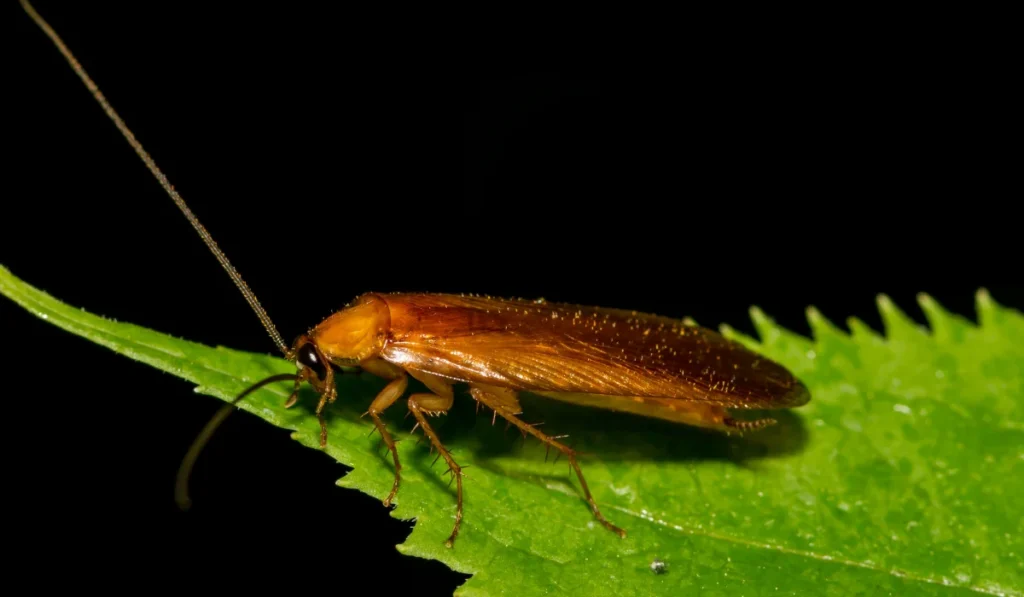
Finding a roach inside your home can make you wonder whether more are hiding nearby. With wood roaches, one sighting often means something very different from a household cockroach problem. These insects normally live outdoors, and a wood roach found near a door, garage, porch, or stack of firewood does not automatically point to an indoor infestation.
That distinction matters across Alabama, Tennessee, Mississippi, and the Florida Panhandle, where wooded lots, mature trees, pine straw, mulch, leaf litter, and firewood give outdoor insects plenty of places to live. As fall arrives, you also change how you use your home. You open garage doors, move firewood, clean up leaves, and spend more time moving between outdoor and indoor spaces.
Understanding why wood roaches wander inside helps you respond without treating every sighting the same way. The most useful clues are where you found the insect, whether sightings continue, and whether the activity matches an outdoor wood cockroach or a species better suited to living inside buildings.
Why Wood Roaches Wander Inside in Fall
Wood roaches spend their lives around outdoor wooded habitat, including logs, bark, stumps, leaf litter, and other organic material. When those materials sit close to your house, wood roaches can also live close to doors, garages, porches, crawl space openings, and other points where the outdoors meets the structure.
Fall creates several ordinary opportunities for them to cross that boundary. You can carry a wood roach indoors with firewood, or one can slip through an open door, damaged screen, or small exterior gap. This behavior is different from a cockroach species that seeks out indoor food, moisture, and shelter and can establish a continuing population inside.
Exterior Lights Can Draw Wood Roaches Closer
Some male wood cockroaches can fly and are attracted to lights. Penn State Extension guidance on wood cockroaches describes both their association with wooded environments and the tendency of males to come to lights.
That helps explain why you might notice a wood roach around a porch light, garage fixture, or entry door after dark. The light does not create a wood roach problem, but it can bring an outdoor insect closer to an opening. Once the door swings open, the roach can end up inside even though the indoor environment is not where it normally lives.
Wood Roaches vs. Indoor Cockroaches: How to Tell the Difference
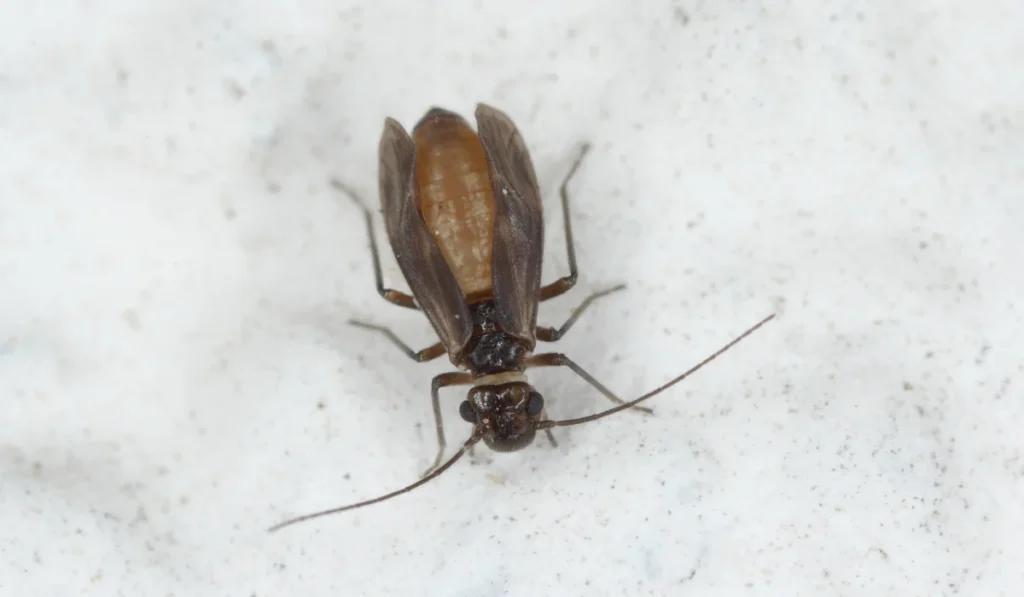
A wood roach vs. cockroach comparison should start with behavior and location rather than color alone. Several cockroach species are brown or tan, so a quick glance across the floor rarely gives you enough information for confident identification.
A wood roach found beside a stack of firewood, close to an exterior door, or inside a garage fits the pattern of an accidental outdoor visitor. Repeated cockroach activity around kitchens, bathrooms, cabinets, appliances, or food-storage areas deserves more attention because those locations can point to a species that is better adapted to indoor conditions.
| What You Notice | Wood Roach | Indoor-Adapted Cockroach |
| Typical habitat | Outdoors around wood, bark, leaf litter, and organic debris | Indoor areas with access to food, moisture, and shelter |
| Common indoor pattern | An occasional accidental visitor | Repeated activity can occur indoors |
| Where sightings often begin | Doors, garages, porches, firewood, or other exterior areas | Kitchens, bathrooms, cabinets, appliances, and similar indoor sites |
| Best first response | Check entry routes and nearby outdoor habitat | Identify the species and inspect indoor conditions |
| What repeated sightings mean | Another species could be involved | Indoor activity deserves closer evaluation |
Wood Roach Identification Depends on Context
Wood roach identification can involve species in the genus Parcoblatta, including the Pennsylvania wood cockroach. That does not mean every outdoor brown roach you encounter in the Southeast is a Pennsylvania wood cockroach. More than one outdoor cockroach species occurs across the eastern and southeastern United States, and species-level identification can be difficult without a clear photograph or specimen.
The University of Kentucky Department of Entomology provides household cockroach identification information that reinforces why identification matters. Looking at the insect’s location, behavior, and pattern of activity gives you a stronger starting point than relying on body color alone.
Do Wood Roaches Infest Homes?
Wood roaches generally do not establish the persistent indoor populations associated with cockroach species adapted to living inside buildings. Their normal habitat is outdoors around wooded material and organic debris. If you find one after carrying in firewood or leaving a garage open, the situation can be as simple as an outdoor insect ending up in the wrong place.
That is why the phrase wood roach infestation can be misleading when sightings are isolated. A property can have plenty of wood roach activity around logs, leaf litter, bark, and wooded areas without having wood roaches breeding throughout the house.
Frequency matters. If you start finding roaches regularly, especially well away from exterior doors or garages, do not assume every insect is a wood roach. Repeated activity around food, sinks, cabinets, bathrooms, or appliances calls for a closer look because another cockroach species can resemble an outdoor wood roach at first glance.
Why Southern Properties Provide Good Wood Roach Habitat
Wood cockroaches are associated with the kinds of outdoor materials found around many homes in Alabama, Tennessee, Mississippi, and the Florida Panhandle. Mature trees, fallen branches, loose bark, leaf litter, mulch, pine straw, stumps, and stacked firewood all create sheltered areas where outdoor insects can live.
You do not need to strip landscaping away from your property to reduce indoor sightings. The more useful goal is to pay attention to what sits directly beside the house. A heavily wooded property in Tennessee, a pine-straw landscape in Alabama, or a shaded yard in Mississippi can support plenty of outdoor insect activity while the inside of the home remains free of an established cockroach problem.
North Carolina State Extension’s household pest resources offer useful regional guidance for cockroach identification in the Southeast. Resources from southeastern extension programs are especially helpful because local climate, vegetation, and common pest species can differ from conditions farther north or west.
How to Keep Wood Roaches Outside
If you want to know how to keep wood roaches out, start where their habitat meets your house. Focus on firewood, exterior gaps, doors, windows, and organic debris sitting close to the foundation. Those areas matter more than trying to remove every possible outdoor hiding place from your yard.
Firewood deserves special attention during fall. When practical, store it away from the exterior wall rather than stacking it directly against the house. Check individual pieces before carrying them indoors, and bring in only what you expect to use instead of keeping a large indoor supply. That simple routine reduces the chance of carrying wood roaches and other outdoor insects inside with the logs.
Close Easy Entry Points
Inspect exterior doors for worn weather stripping or gaps beneath the door. Check window screens, garage door edges, utility penetrations, and other openings where an insect could move from outside to inside. Small repairs in these transition areas can make a meaningful difference when wood roaches are active around the exterior.
It also helps to clear accumulated leaves, decaying wood, loose bark, and fallen branches away from the immediate foundation. Mulch and pine straw can remain part of your landscaping, but keeping heavy organic buildup from pressing directly against exterior walls creates more separation between outdoor habitat and likely entry points.
Reconsider Lighting Near Entrances
Because some male wood cockroaches are attracted to lights, the placement of exterior fixtures can affect where you see them. A bright light mounted directly beside a frequently used door can draw flying insects to the same place where people are entering and leaving.
When practical, turn off unnecessary lights near entrances or adjust how exterior areas are illuminated. Lighting changes will not remove wood roaches from a wooded property, but they can reduce the number gathering directly beside doors and windows.
When a Roach Sighting Needs Professional Identification
A wood roach in your house is often an accidental visitor, but continuing activity deserves proper identification. The location of the sightings gives you useful context. One insect next to a door after moving firewood is different from roaches appearing repeatedly in a kitchen cabinet or around a bathroom sink.
A clear photograph can help when you are unsure what you found. Proper identification matters because different cockroach species require different responses. Assuming an indoor species is simply a wood roach can allow the problem to continue, while treating every outdoor visitor as proof of an infestation can lead you in the wrong direction.
If roaches keep appearing, a pest professional can inspect the areas where you are seeing activity, look for entry points, and determine whether the insect fits the pattern of a wood roach or another cockroach species. That gives you a practical plan based on the pest actually present.
Keeping Wood Roaches Where They Belong
Wood roaches belong outdoors around bark, logs, leaf litter, and other wooded habitat. When one reaches your garage, slips through a doorway, or comes indoors with firewood, its presence does not automatically mean you have cockroaches living and reproducing throughout the house.
The best response is to look at the pattern. Keep firewood from becoming an easy transport route, reduce heavy organic debris immediately beside the foundation, check exterior gaps, and pay attention to where and how often roaches appear. If sightings continue or you cannot identify what you are seeing, Waynes Pest Control can help determine what type of pest is present and what should happen next. You can also contact Waynes to schedule an inspection and get help with recurring wood roaches or other cockroach activity.