
Homeowners can be easily startled by the Florida wood cockroach, a large outdoor roach that frequently appears near mulch beds, patios, sheds, garages, or storage areas. This species typically resides outdoors in damp, protected environments filled with decomposing vegetation.
Although it doesn’t cause a kitchen infestation typical of German cockroaches, it can still become a nuisance if it wanders indoors or if outdoor factors draw it near the house.
Key Takeaways
- It is a large, dark outdoor roach that is usually slower than many indoor roach pests.
- It often lives in mulch, leaf litter, woodpiles, and sheltered outdoor areas.
- Indoor sightings are often accidental, but repeated activity points to exterior conditions or entry gaps.
What Is a Florida Wood Cockroach?
The Florida wood cockroach is commonly known as skunk roach. This species is identified as Eurycotis floridana and notes that it is native to the southeastern United States.
Unlike German cockroaches, which are strongly associated with indoor infestations, Florida wood cockroaches are usually outdoor roaches. They may enter homes, garages, or storage spaces, but they are not typically the type of roach that builds a large indoor kitchen infestation.
How to Identify a Florida Wood Cockroach
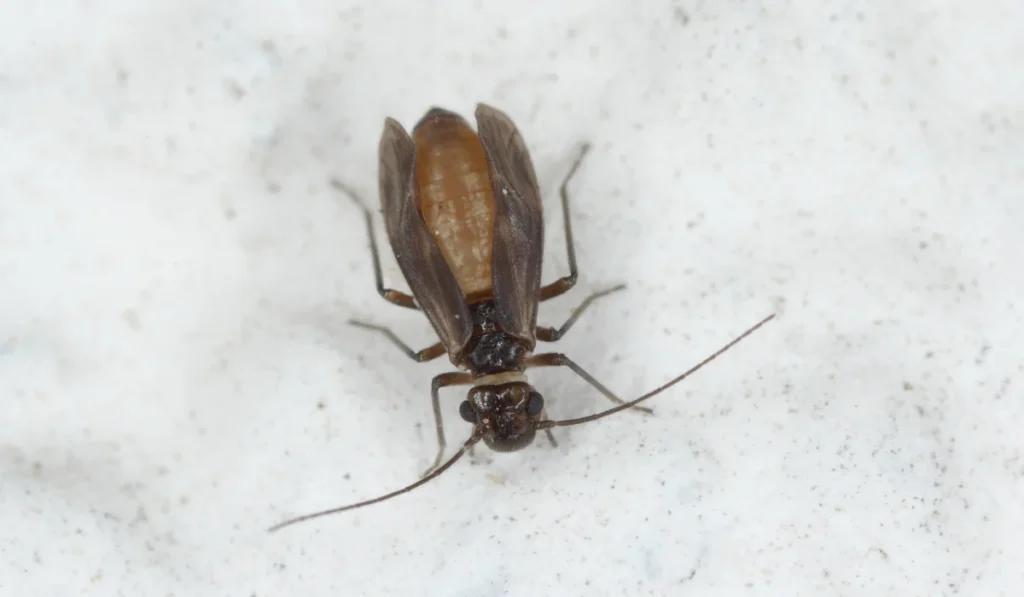
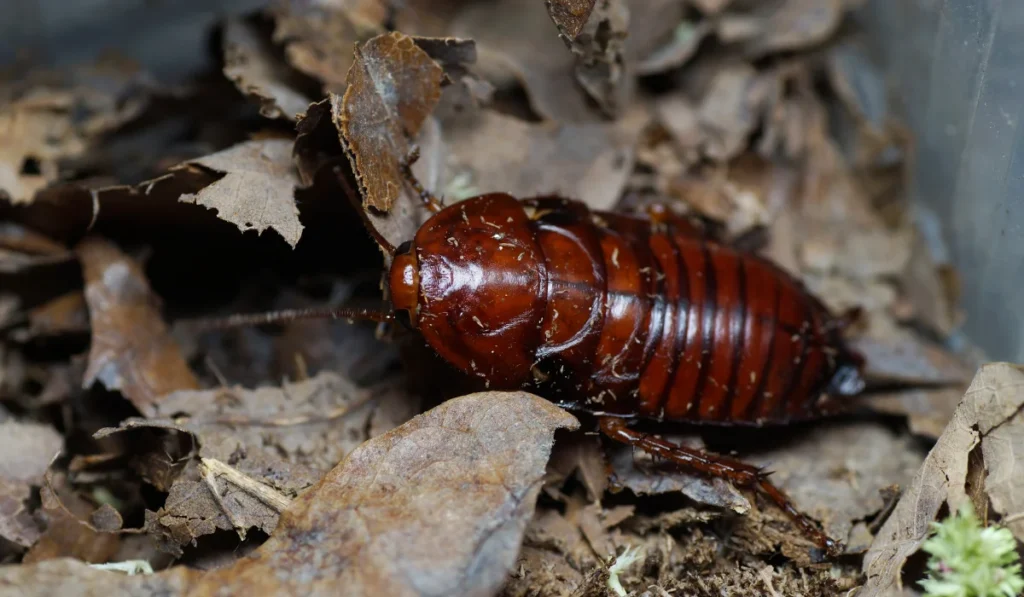
Florida wood cockroaches are large, broad, and dark. Adults may look reddish brown to nearly black, and they do not have fully developed wings. Their size and dark color often make them easy to notice.
Common identification clues include:
- Large, broad body
- Reddish-brown to dark brown or nearly black coloring
- Reduced wing pads rather than full wings
- Slow movement compared with many other roaches
- Strong odor when disturbed
- Outdoor activity around damp, sheltered areas
- Occasional indoor sightings near garages, doors, or storage areas
The strong odor is one reason this roach is sometimes called a skunk roach. If you crush or disturb one, the smell can be unpleasant.
Where Florida Wood Cockroaches Live
Florida wood cockroaches prefer outdoor habitats with moisture, cover, and decaying organic matter. Around homes, they are often connected to landscaping and storage conditions rather than dirty kitchens.
You may find them around:
- Mulch beds
- Leaf litter
- Firewood
- Tree holes
- Stumps
- Wooded edges
- Sheds
- Garages
- Crawl space edges
- Outdoor storage areas
- Palm debris or rotting plant material
The Florida woods roach is a native species often found outside structures, where decaying plant matter is available.
Why They Enter Homes
A Florida wood cockroach may enter a home by accident while looking for shelter, moisture, or food. It may also come inside with firewood, boxes, potted plants, or outdoor items stored near damp areas.
Common entry points include:
- Gaps under exterior doors
- Garage door edges
- Torn screens
- Cracks around foundations
- Utility openings
- Gaps around pipes
- Open doors
- Items brought in from outside
One roach indoors may be accidental. Repeated sightings near the same door, garage, patio, or utility area usually mean there is an exterior source nearby.
Florida Wood Cockroach vs. German Cockroach
This distinction matters. A Florida wood cockroach and a German cockroach require different thinking.
German cockroaches are small, tan roaches with two dark stripes behind the head. They reproduce indoors and hide near food, warmth, and moisture. They are one of the most serious indoor roach pests.
Florida wood cockroaches are larger, darker, and usually tied to outdoor harborage. They may wander inside, but they do not usually behave like German cockroaches in cabinets, drawer tracks, and kitchen appliances.
Outdoor cockroaches may enter dwellings from outside, but many do not survive well indoors. That is why identification is important before deciding how serious the problem is.
Florida Wood Cockroach vs. American Cockroach
Florida wood cockroaches are sometimes confused with American cockroaches because both can be large and dark. American cockroaches are usually reddish brown, have fully developed wings, and are more commonly found in buildings, drains, sewers, and damp indoor or commercial spaces.
Florida wood cockroaches are broader, wingless or short-winged, and more closely tied to outdoor debris, mulch, and wooded areas. If the roach is large, dark, broad, slow, and found near wood or mulch, a Florida wood cockroach may be more likely.
Are Florida Wood Cockroaches Dangerous?
Florida wood cockroaches are not considered dangerous in the way a venomous pest would be. They do not bite people as a normal behavior, and they are usually trying to avoid disturbance.
The problem is nuisance activity. Roaches can be unpleasant indoors, may contaminate surfaces when they move through unsanitary areas, and can make homeowners worry about a larger infestation. If roaches keep appearing, the source should be inspected instead of dismissed.
Signs You May Have Activity Nearby
Because Florida wood cockroaches usually live outdoors, the signs often start outside before they move indoors.
Watch for:
- Large dark roaches near doors or garages
- Roaches under mulch, boards, or firewood
- Activity near sheds, crawl spaces, or patio storage
- Repeated indoor sightings after rain or humidity changes
- Roaches near exterior lights
- Odor after a roach is crushed or disturbed
- Damp debris close to the foundation
If sightings are clustered around one area, inspect the exterior conditions nearby. Mulch depth, leaf litter, firewood, drainage, and door gaps can all contribute.
How to Reduce Florida Wood Cockroach Activity
Control starts outside. Since these roaches are usually tied to damp organic material, reducing shelter and access can make a noticeable difference.
Helpful steps include:
- Move firewood away from the house.
- Keep mulch pulled back from doors and foundation edges.
- Remove leaf litter and rotting plant material near the home.
- Store outdoor items off the ground when possible.
- Seal gaps around doors, vents, and utility lines.
- Replace worn door sweeps.
- Repair torn window and door screens.
- Keep garage doors closed when not in use.
- Reduce moisture around foundations and crawl space edges.
These steps also help reduce other outdoor roaches and occasional invaders that use the same shelter and entry points.
When to Call Waynes
Call us if you are seeing Florida wood cockroaches inside more than once, finding large roaches around garages or patios, or noticing activity near mulch, firewood, crawl spaces, or storage areas. Waynes provides cockroach control in the Florida Panhandle with inspection and treatment planning based on the type of roach and where activity is happening.
For broader pest concerns, our Florida pest control services help address roaches and other common household pests by focusing on the conditions that bring pests close to the home.
If large roaches are showing up around your home, contact Waynes for a free quote and we’ll help identify the roach, find the source, and recommend the right next step.
FAQs About Florida Wood Cockroaches
Do Florida wood cockroaches infest kitchens?
They are usually outdoor roaches and do not typically behave like German cockroaches, which reproduce indoors around kitchens and bathrooms. If you are seeing small roaches in cabinets or appliances, a different species may be involved.
Why did I find a Florida wood cockroach in my garage?
Garages provide shelter, moisture, clutter, and easy entry through door gaps. Firewood, boxes, outdoor gear, and damp storage areas can also bring these roaches close to the home.
Are Florida wood cockroaches harmful?
They are mainly nuisance pests. They can be unpleasant indoors and may contaminate surfaces, but they are not usually aggressive toward people.
Does Waynes treat Florida wood cockroaches?
Yes. Waynes provides cockroach control in the Florida Panhandle. We can inspect the activity, identify the species, look for exterior sources, and recommend treatment or prevention steps based on your home.