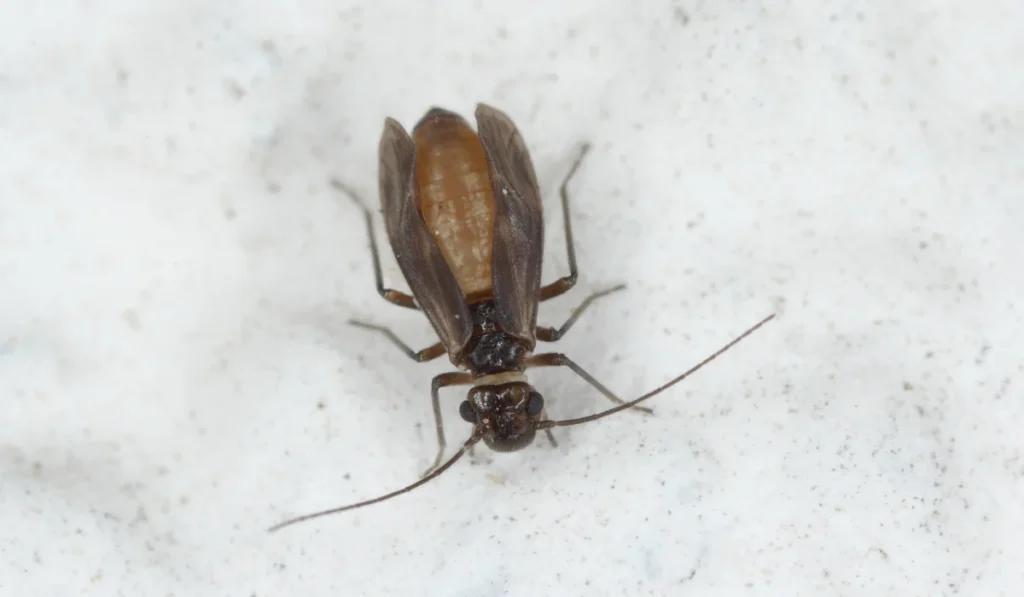

As temperatures rise in the spring and summer months, you may start noticing termite swarmers around your home. While seeing flying termites can feel alarming, it’s important to understand what they are, what they mean, and when you should take action.
Termite swarmers are reproductive termites whose job is to leave an existing colony and start new ones. Swarming is a completely natural part of the termite life cycle and typically happens during warmer, humid weather conditions.
The good news? Swarmers themselves do not damage your home.
What Are Termite Swarmers?
Protection Calendar · Termite swarmersSoutheast
When termite swarmers take flight
This calendar tracks when reproductive termites leave the colony. Swarms emerge in warm, humid weather. Activity climbs through spring and into summer. Darker shields mean heavier activity.
J
F
M
A
M
J
J
A
S
O
N
D
Peak: May–Jun, warm humid weather triggers swarms
Peak May–JunHigh Apr, Jul & AugLow Mar & SepOff Oct–Feb
Waynes builds year-round protection across the Southeast, backed by 50 years and the EPA Pesticide Environmental Stewardship Program. Every little thing matters. A LOT.
Quick Facts About Termite Swarmers
Do termite swarmers eat wood?
No. Swarmers do not eat wood, bite, sting, or cause damage to your home. Their primary purpose is reproduction and colony expansion.Do swarmers inside your home mean you have an infestation?
Not necessarily. Because swarmers are small and capable of flying, they can easily enter through:- Open doors
- Windows
- Small cracks and gaps
Can termite swarming be prevented?
No. Swarming is a natural stage in the termite life cycle and occurs when a termite colony matures.Is your home protected?
If you’re a Waynes termite customer, your termite protection plan is working around the clock to help protect your home from termite activity.Where You’re Most Likely to See Swarmers
Swarmers are commonly found around:- Windows and window sills
- Bathrooms
- Kitchens
- Front and back porches
- Areas near light sources
Tips to Reduce Swarmers Around Your Home
While you can’t prevent swarming altogether, you can help reduce the number of swarmers you see by:- Turning off unnecessary outdoor lights
- Minimizing indoor lighting near windows during peak swarming times
- Keeping doors and windows properly sealed
When Should You Contact Waynes?
If you’re already a Waynes customer, there’s usually no need to worry about seeing an occasional swarmer. However, you should contact us if you notice:- Large numbers of swarmers concentrated in one area
- Mud tubes along walls or foundations
- Small exit holes in wood or drywall