Termite swarm season in Alabama is not a single event. Two species swarm on different schedules, at different times of day, under different conditions. Native subterranean termites can begin swarming as early as January. Formosan subterranean termites pick up where native species leave off, swarming at dusk through the warmer months. Knowing when each species swarms, what the swarmers look like, and what their presence signals about your home helps you respond before damage has time to compound.
Key Takeaways
Protection Calendar · TermitesAlabamaTermite swarm season in Alabama
This calendar tracks swarming and visible activity, not the colony itself, which feeds underground year-round. Native subterranean termites swarm from late winter into late spring, and Formosan termites swarm later. Darker shields mean heavier activity.
Peak: Apr–Jun, when native and Formosan swarms overlap, with Formosan peaking in May
Peak Apr–JunHigh Mar, JulLow Jan–Feb, Aug–Sep, DecOff Oct–Nov
- Alabama’s termite swarm season stretches across several months. Native subterranean termites swarm in the morning hours from late winter through late spring. Formosan termites swarm at dusk and are attracted to light.
- Termite swarmers have straight antennae, a broad waist, and two pairs of equal-length wings. Winged ants have elbowed antennae, a pinched waist, and unequal wing pairs. Telling them apart is the first practical step.
- Swarmers inside your home are a strong indicator that a colony has been active long enough to reproduce. Damage may already be present before any visible swarm appears.
- Waynes Pest Control addresses both native and Formosan subterranean termites using Constant Protection baiting systems with AlwaysActive technology placed in the ground around your home.
How to Identify Termite Swarmers in Alabama
Swarmers are the winged reproductives that leave an established colony to start new ones. They are often the first visible sign that termites are active nearby, which makes accurate identification important.
Alabama Cooperative Extension provides identification resources for termite species found across Alabama, including native subterranean termites and Formosan subterranean termites active in the state.
Native Subterranean vs. Formosan Swarmers
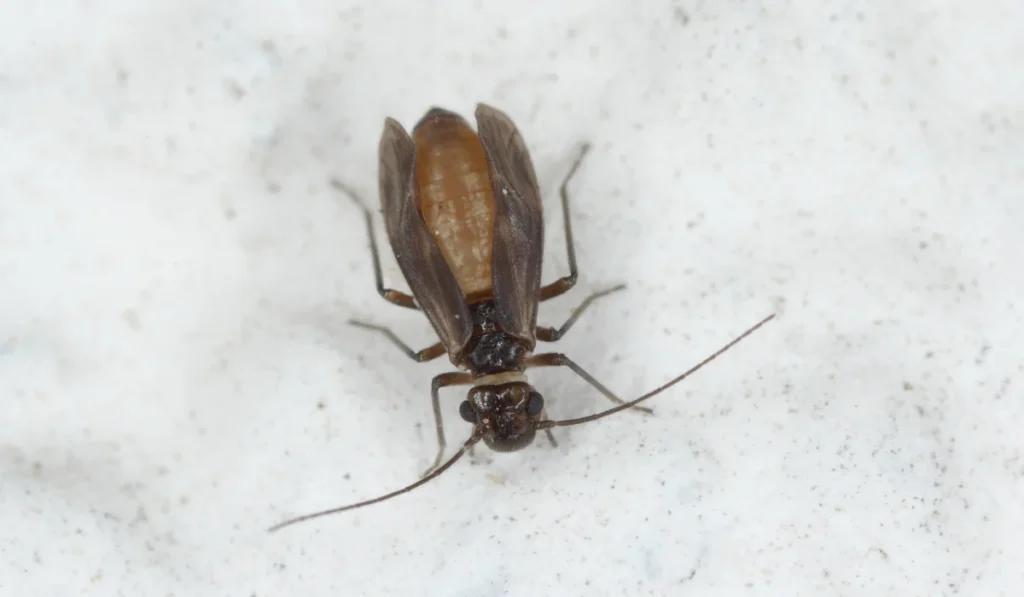
Alabama is home to both native subterranean termites and the more aggressive Formosan subterranean termite. Native subterranean swarmers are black to caramel colored and measure roughly 1/4 to 3/8 inch in body length. Formosan swarmers are noticeably larger, about 1/2 inch including wings, with a caramel-colored body and tiny wing hairs visible only under magnification. The size difference between the two species is noticeable when you have a clear look at a swarmer.
The behavioral difference is just as useful for identification. Native subterranean termites swarm in the morning or early afternoon and are not attracted to light. Formosan subterranean termites swarm at dusk and gather around illuminated entry points, porch lights, and windows. That timing difference means you could observe native swarmers near windows during daylight and Formosan swarmers around exterior lights the same evening.
Termite Swarmers vs. Winged Ants
Winged ants are the most common look-alike for termite swarmers, and telling them apart matters because ant swarms carry no structural risk.
The EPA’s termite identification guidance describes the key physical differences clearly. Termite swarmers have straight antennae, a broad waist, and two pairs of wings that are equal in length. Winged ants have elbowed antennae, a distinctly pinched waist, and two pairs of wings that are unequal in size. When in doubt, save a sample and have a pest professional confirm the species.
Signs of Swarmer Activity Inside Your Home
Swarmers emerging indoors are a strong sign of a nearby infestation. Finding discarded wings on windowsills, countertops, or near light fixtures after a swarm event points to swarmers that entered your home, shed their wings, and dispersed. Because swarmers are attracted to light, they often concentrate near windows and glass doors. A cluster of shed wings in one area is worth investigating promptly rather than sweeping up and moving on.
Exterior Signs Alongside Swarmer Activity
Swarmers are not the only indicator of subterranean termite activity. Shelter tubes, the pencil-width mud tunnels subterranean termites build along foundation walls and piers to travel between soil and wood, are one of the most reliable exterior signs. Finding tubes or swarmers near your foundation, garage, or porch framing during swarm season calls for a professional inspection rather than a wait-and-see approach.
When to Expect Termite Swarms in Alabama
Alabama’s climate supports a longer termite swarm window than most northern states, and the presence of two distinct species extends that window further. Understanding the timing for each helps you stay alert during the periods of highest activity.
Native Subterranean Termite Swarm Timing
Native subterranean termite species in Alabama can begin swarming as early as January and are largely finished by early June. Swarms happen in the morning or early afternoon on warm days following rain. These swarmers are not attracted to light, so indoor swarms tend to appear near south or west-facing windows where warmth concentrates. A mature native colony that has been feeding on your home’s framing for several years will produce swarmers, which is why an indoor swarm during late winter or early spring deserves immediate attention.
Formosan Termite Swarm Timing
Formosan subterranean termites swarm later in the season, typically from April through June in Alabama, with peak activity in May. Swarms happen after dark and are strongly attracted to light sources. Large numbers of Formosan swarmers gathering around porch lights or illuminated windows on warm spring evenings are a recognizable pattern for homeowners in areas where this species is established. Formosan colonies are larger than native colonies and grow more aggressively, which makes early identification particularly important.
What Draws Termites to a Structure
Both native and Formosan subterranean termites nest underground and forage toward wood above the soil line. Wood-to-soil contact, moist conditions near the foundation, and cellulose debris close to the structure all create favorable conditions for colony establishment and foraging. Formosan colonies have a higher proportion of soldiers relative to native colonies, which reflects the overall size and resource demand that makes Formosan infestations more destructive when left untreated.
Entry Points and Travel Routes
Subterranean termites build shelter tubes from soil along foundation walls, piers, and other surfaces to reach wooden framing above grade. These tubes protect them from exposure as they travel between the colony underground and the wood they feed on. Cracks in foundation concrete, gaps around utility penetrations, and any point where wood contacts or approaches soil are the access points most worth inspecting during swarm season and throughout the year.
Risks of Termite Swarm Activity in Alabama
What a Swarm Signals About Your Home
A termite swarm is not a new infestation arriving at your doorstep. It is a sign that an established colony nearby has grown large enough to produce winged reproductives. The colony responsible has typically been active for three to five years before producing swarmers, which means structural feeding may already be well underway before the first visible swarm appears. Treating a swarm as an early warning is the wrong frame. It is more accurately a late warning that damage is already occurring.
Structural Damage from Subterranean Termites
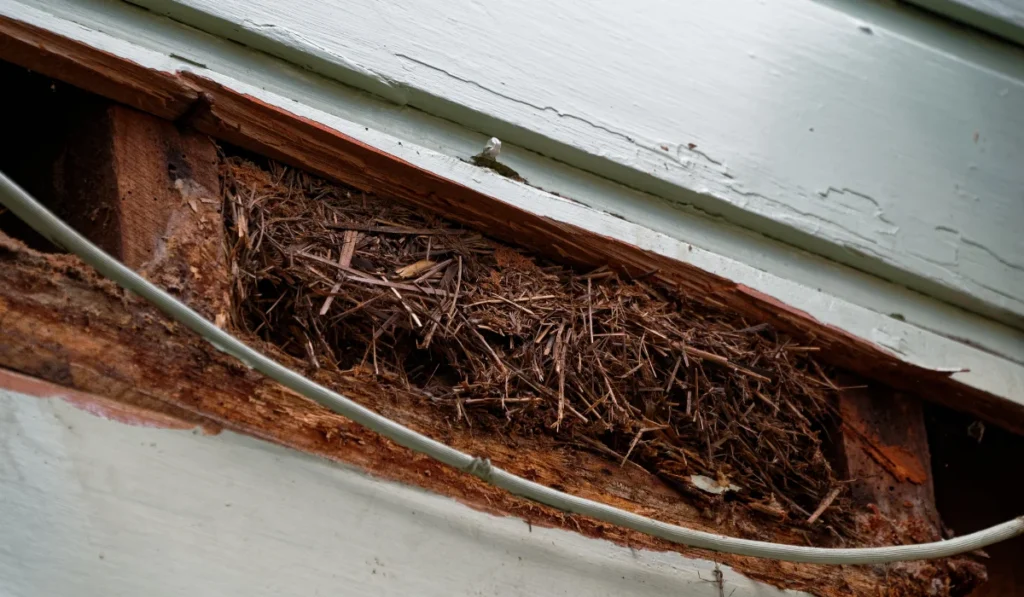
Subterranean termites work inside wood and remain completely hidden during feeding. Workers are soft-bodied, only 1/8 to 3/16 inch long, and stay within the wood they consume. Load-bearing framing, floor joists, sill plates, and other structural members can be substantially compromised before any surface sign appears. In many cases the infestation is only discovered when swarmers emerge or when probing during an inspection reveals hollowed timber that looks intact on the outside.
Formosan Termites and Accelerated Damage
Formosan subterranean termites are more destructive than native species because their colonies grow larger and consume wood faster. A mature Formosan colony can number in the millions, compared to the hundreds of thousands typical of native subterranean colonies. That scale means the rate at which structural wood is compromised is significantly higher once a Formosan colony establishes near or beneath a structure. The presence of Formosan termites in an Alabama home warrants a more urgent response than native subterranean activity alone.
When to Act
Any confirmed termite swarmer activity in or around your home warrants a professional inspection rather than monitoring. The longer an infestation goes unaddressed, the more wood throughout the structure may be at risk. Swarmers appearing indoors are particularly significant because they indicate the colony is close enough to the structure to access it, or is already inside it.
Professional Termite Control in Alabama
When termite swarms appear around your Alabama home, understanding how to reduce conditions that attract termites, why a thorough inspection is necessary, and what professional treatment involves helps you move forward with a clear plan.
Reducing What Draws Termites In
Moisture and wood-to-soil contact are the two conditions that most reliably support subterranean termite activity near a structure. Keeping mulch, firewood, and lumber stored away from your foundation reduces direct foraging access. Fixing leaking faucets, downspout drainage problems, and condensation sources near the foundation keeps soil drier and less hospitable to colony establishment. Maintaining a gap between any wooden structural element and bare soil removes the direct bridges subterranean termites use to reach framing above grade.
These preventive steps apply equally to native subterranean species and Formosan termites. Neither type can sustain a colony indefinitely without moisture and accessible wood, which means habitat management supports whatever professional treatment is in place.
Why Inspection Comes First
A professional inspection identifies where termite activity is present, which species is involved, and what conditions around the property are supporting the infestation. Pest professionals look for shelter tubes, damaged wood, moisture intrusion points, and wood-to-soil contact that a homeowner walkthrough typically misses. At Waynes Pest Control, the inspection accounts for both native and Formosan subterranean termites, since the two species require the same foundational treatment approach but differ in the urgency their presence creates.
Knowing which species is present also helps confirm whether Formosan termites are established in the area, since their distribution in Alabama is not uniform. An inspection drives every decision that follows rather than relying on a standard formula applied without site-specific information.
What Treatment Involves
Professional treatment for subterranean termites requires targeted placement around the structure. Waynes uses Constant Protection baiting systems with AlwaysActive technology, placed strategically in the ground around your home. The system begins working as soon as it is installed and continues to address termite activity and help prevent new colony establishment over time. For Formosan termite infestations, treatment approaches that include chitin synthesis inhibitors delivered through baiting are among the most effective options available to licensed professionals.
The products and methods available for subterranean termite control are not available to the general public. Professional licensing is required to apply registered termiticides and to design a baiting program that accounts for the size and behavior of the colony involved.
What Ongoing Protection Covers
A termite control plan extends beyond the initial treatment. Subterranean termites live underground and can return if conditions around a structure change or if the baiting system is not maintained. Waynes’ Constant Protection baiting systems with AlwaysActive technology provide ongoing monitoring alongside active protection, confirming the system is performing as intended and that no new activity is developing around the structure.
As an EPA Environmental Stewardship Program member since 2004, Waynes approaches every treatment with care for your property and the surrounding environment. With over 50 years of experience and more than 150,000 families served, every little thing matters. A LOT.
Bottom Line
Termite swarm season in Alabama runs longer than most homeowners expect, with native species active from late winter through late spring and Formosan termites swarming through the warmer months. Swarmers are a sign that a colony is already established, not a warning that one is arriving. Telling termite swarmers apart from winged ants, knowing when each Alabama species swarms, and contacting a professional at the first sign of indoor activity are the steps that make the most difference. If you spot swarmers or shed wings around your home, contact Waynes Pest Control for a professional inspection before damage has a chance to progress further.
Frequently Asked Questions
How Do I Know If I Am Seeing Termite Swarmers or Flying Ants?
Termite swarmers have straight antennae, a broad waist, and two pairs of wings that are equal in length. Winged ants have elbowed antennae, a pinched waist, and two pairs of wings that are clearly unequal in size. If you are unsure what you are looking at, save a sample in a sealed bag and contact a pest professional for confirmation before deciding how to respond.
What Should I Do If I Find Shed Wings Inside My Home?
Shed wings near windowsills, doorways, or light fixtures after a swarm event are a reliable indicator that swarmers entered your home. This points to an active colony nearby or inside the structure itself. Contact Waynes Pest Control to inspect the area and assess whether treatment is needed rather than waiting to see if more swarmers appear.
Does Waynes Treat Both Native and Formosan Subterranean Termites?
Yes. Waynes encounters both species across Alabama and uses Constant Protection baiting systems with AlwaysActive technology for both. The system is placed in the ground around your home and continues working after the initial installation, providing ongoing protection and monitoring against subterranean termite activity from either species.
Can Termites Swarm More Than Once a Year?
Swarm activity in Alabama can occur across several months rather than in a single event. Native species and Formosan termites swarm at different times and under different conditions, so it is possible to observe more than one swarm event during the broader season. Ongoing monitoring through a professional baiting system helps confirm whether activity represents a new introduction or continued pressure from an existing colony.