
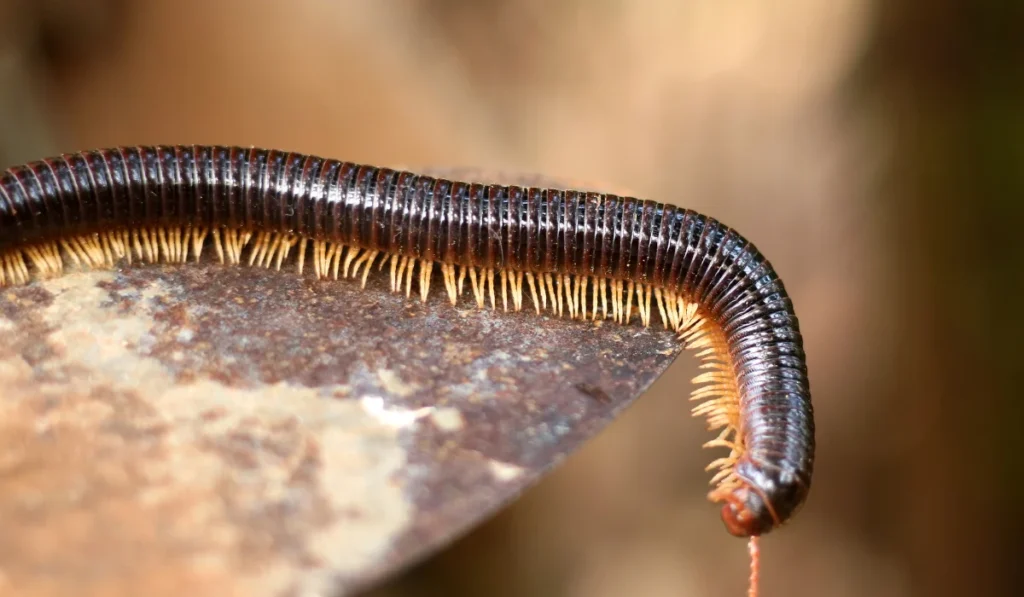
 After a heavy rain, millipedes may appear in many areas around your home. You might notice them crawling across driveways, gathering on patios, or showing up in basements and garages. This increase in activity is known as millipede season after rain, and it commonly affects homes across Alabama, Tennessee, Mississippi, and the Florida Panhandle.
The problem usually starts outdoors. When soil becomes soaked, millipedes struggle to survive underground. They move toward drier areas, and homes often block their path. Damp crawl spaces, shaded foundations, and small gaps around doors make it easier for them to get inside.
This guide explains why millipedes come inside after rain, what attracts them to homes, and how pest control works. You will also learn practical prevention steps and how Waynes Pest Control helps homeowners manage millipede season after rain.
After a heavy rain, millipedes may appear in many areas around your home. You might notice them crawling across driveways, gathering on patios, or showing up in basements and garages. This increase in activity is known as millipede season after rain, and it commonly affects homes across Alabama, Tennessee, Mississippi, and the Florida Panhandle.
The problem usually starts outdoors. When soil becomes soaked, millipedes struggle to survive underground. They move toward drier areas, and homes often block their path. Damp crawl spaces, shaded foundations, and small gaps around doors make it easier for them to get inside.
This guide explains why millipedes come inside after rain, what attracts them to homes, and how pest control works. You will also learn practical prevention steps and how Waynes Pest Control helps homeowners manage millipede season after rain.
Key Takeaways
- Millipede season begins after rain, when saturated soil forces millipedes above ground. When the ground stays too wet, they move toward drier areas and often end up near homes.
- Damp areas, such as basements and crawl spaces, attract millipedes. These spaces stay cool and moist, which makes them easier for millipedes to enter during rainy periods.
- Sealing entry points and managing moisture helps keep them out. Fixing gaps, improving drainage, and drying damp areas make your home less appealing to millipedes.
- Professional pest control helps prevent repeat millipede problems. Ongoing pest management focuses on the outdoor conditions that cause millipede problems in the first place.
Video Guide: Millipede Vs Centipede!
Many homeowners mix these two up, but they behave very differently. This video can help you tell them apart and why that matters. Knowing which arthropods you are dealing with helps you understand where they come from and how pest management works.What Happens During Millipede Season After Rain
Millipede season after rain begins when heavy rainfall leaves the soil saturated for long periods. Millipedes usually live in leaf litter, mulch, and soil where moisture and decaying plant material are readily available. When soil becomes too wet, oxygen levels drop. Millipedes cannot survive well underground in these conditions, so they move to the surface. As they come above ground, homeowners begin to notice large numbers along driveways, patios, and foundation walls. Millipedes move slowly and are most active at night or on cloudy days. Many people mistake them for centipedes, but millipedes do not hunt other insects. They mainly live outdoors and enter homes by accident. When millipede season after rain brings pests close to your home, we offer pest control services to reduce outdoor activity before they move inside.Why Millipedes End Up Inside Your Home
Millipedes do not want to live inside your home. During millipede season after rain, they are simply looking for drier ground. Homes offer shelter from rain, but they do not provide the right food sources. Basements, garages, and crawl spaces attract millipedes because they stay cool and damp. Small entry points, such as gaps around doors, worn door sweeps, and damaged weatherstripping, allow millipedes to slip inside. Millipedes have long, many-segmented bodies, each segment with pairs of legs. They have short antennae and may release a defensive liquid when disturbed. This liquid can stain surfaces and cause mild skin irritation, but it is not dangerous. If millipedes keep appearing indoors, our team can inspect your home and suggest practical millipede control options.Outdoor Conditions That Increase Millipede Activity
Outdoor conditions play a big role in the millipede season after rain. Millipedes thrive in moist environments with plenty of decaying organic matter to eat. According to a Penn State Extension study, they are usually unnoticed under leaves, rocks, boards, and other locations that provide a cool, damp habitat. Mulch beds, leaf piles, grass clippings, and thick lawn thatch near the home create ideal hiding areas. Overwatering lawns keeps the soil wet longer, worsening the problem. Clogged gutters and poorly placed downspouts also increase risk. When water collects near the foundation, millipedes move closer to entry points. Driveways and patios that stay damp can also attract large numbers. Millipedes play a role in breaking down plant material outdoors and support the local ecosystem. The goal is not removal but keeping them away from the home. We focus on pest management methods that address these outdoor conditions.How Millipedes Get Inside Through Entry Points
Millipedes can squeeze through tiny openings. During millipede season after rain, they often follow foundation walls and slip through cracks, gaps, and narrow crevices. Common entry points include damaged weather stripping, worn door sweeps, unsealed thresholds, and foundation cracks. Basements with window wells and crawl spaces without proper sealing face a higher risk. Once inside, millipedes wander until they dry out. Homeowners often find them in bathrooms, laundry rooms, basements, or garages. Taking time to seal cracks and apply caulk around doors and windows greatly reduces indoor sightings. We help homeowners locate and seal entry points as part of a long-term pest control plan.Moisture, Food Sources, And Indoor Survival
According to a study from NC State Extension, millipedes usually survive indoors for only a few hours unless moisture levels stay high. Inside most homes, conditions are too dry, and food sources are limited, so they end up feeding on decaying plant material rather than household items. Using dehumidifiers in basements and crawl spaces lowers moisture levels. Dry air makes these areas less suitable for millipedes and shortens their survival time indoors. Millipedes also need moisture to molt as they grow. Without enough moisture, they cannot complete this process, which is another reason they struggle indoors.When A Millipede Infestation Becomes A Bigger Issue
Seeing a few millipedes after rain is normal. A larger problem develops when many millipedes appear indoors after every storm or over several days. Many homeowners try store-bought pesticides, but these only offer short-term relief. Sprays may kill visible millipedes, but do not fix moisture problems or stop new ones from entering. Professional pest control focuses on prevention. Treatments reduce outdoor activity and support long-term pest management rather than temporary fixes.Do You Need Professional Millipede Control?
Millipede control works best when prevention steps are in place. Removing leaf litter, reducing mulch depth, improving drainage, and sealing entry points all help. Entomology research shows millipedes respond better to habitat changes than indoor treatments alone. This approach delivers better results year-round. Professional pest control creates a protective barrier around your home and helps manage other pests that thrive in moist areas. We offer year-round pest control services tailored to local conditions.Making The Right Millipede Control Choice For Your Home
Millipede season after rain often feels unpredictable, especially when wet weather returns again and again. Understanding why these pests appear and when they are most active helps homeowners respond faster and avoid ongoing frustration. Long-term results come from addressing the conditions that allow millipedes to reach the home in the first place. With the right approach, seasonal millipede activity becomes easier to manage instead of a recurring problem. At Waynes Pest Control, we provide services designed to address millipede activity around the home. Contact us today or request a free quote to schedule an inspectionFAQs
Why do millipedes come inside after rain in our area?
Protection Calendar · MillipedesMobile, AL
Millipede season in Mobile
Tracks when heavy rainfall forces millipedes above ground and toward homes across Mobile and coastal Alabama. Darker shields mean heavier activity.
J
F
M
A
M
J
J
A
S
O
N
D
Peak: Jun–Jul, when summer storms saturate soil and drive the largest millipede migrations toward foundations
Off Dec–FebLow Mar, Oct–NovHigh Apr–May, Aug–SepPeak Jun–Jul
Waynes builds year-round protection across the Southeast, backed by 50 years and the EPA Pesticide Environmental Stewardship Program. Every little thing matters. A LOT.