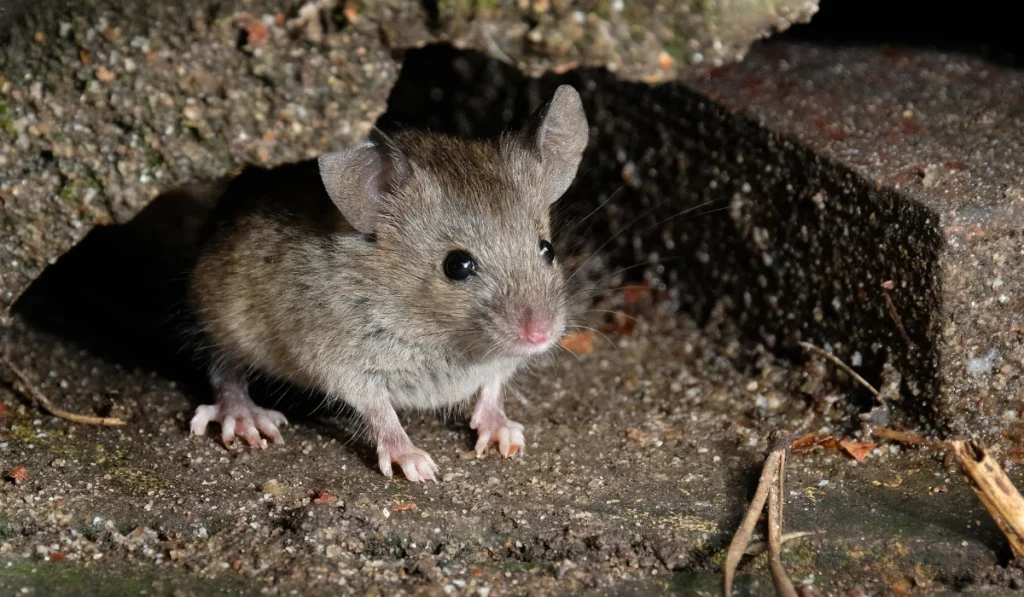

You hear scratching behind the drywall for several nights. Then the noise stops, but an unpleasant odor begins near a cabinet, ceiling, or interior wall. This is one of the main concerns with using rat poison in walls or other indoor spaces where you cannot track the animal after it feeds.
Rat poison may reduce active rodent activity, but it does not tell you where the rat will go afterward. If the animal dies inside a wall cavity, attic, ceiling, crawl space, or another enclosed area, removal may require a detailed inspection and access through part of the structure.
That is why effective rodent control involves more than eliminating a rat. You also need to locate active animals, identify entry points, remove accessible remains, clean affected areas, seal the structure, and monitor for new activity. A plan that considers each of these steps is less likely to leave you with a hidden problem.
Why Rat Poison in Walls Can Create Another Problem
Rat poison in walls creates uncertainty because you cannot control where the animal will be when it dies. Rats often travel through framing cavities, insulation, soffits, plumbing chases, crawl spaces, and other enclosed areas. Once a rat moves beyond an accessible room, locating it may become difficult without opening drywall, flooring, or another finished surface.
Not every rat that consumes bait will die inside a wall, but you should not assume it will leave the house. Its final location cannot be predicted. That uncertainty becomes more significant when bait is used indoors or near pathways that lead into inaccessible parts of the structure.
A hidden carcass can also cause more than an odor. You may notice fly activity, staining, or pets showing unusual interest in one section of a wall or floor. Products designed to absorb odors may reduce the smell for a time, but they do not remove the source or close the opening that allowed the rat to enter.
Signs a Rat May Have Died Inside a Wall
A dead rat in a wall can be difficult to confirm because several household problems create similar symptoms. A new, concentrated odor is one possible sign, especially when it appears after scratching, gnawing, or movement has stopped. You may also notice flies near a window, light fixture, cabinet, or wall opening.
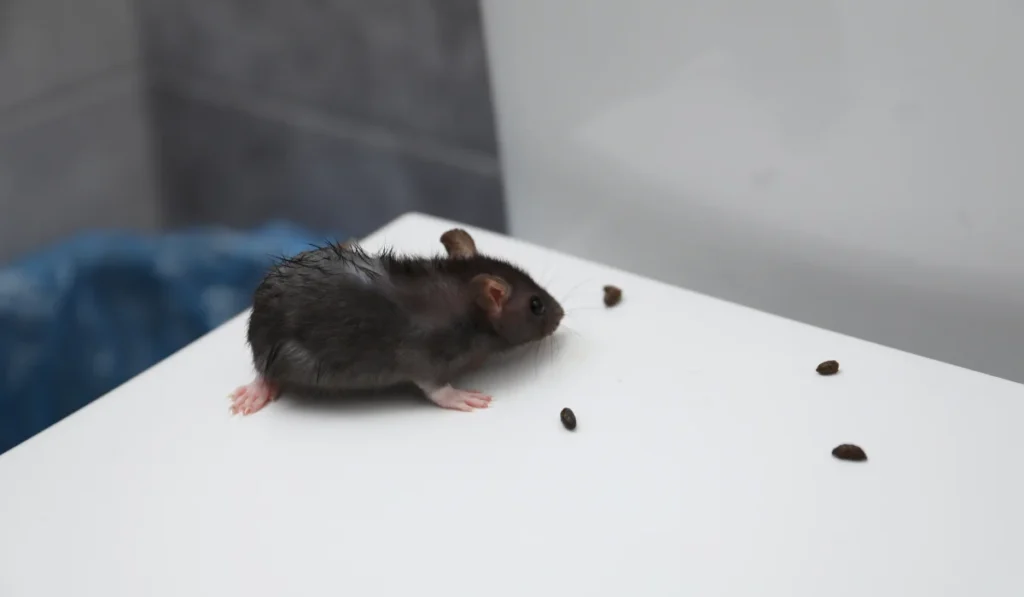
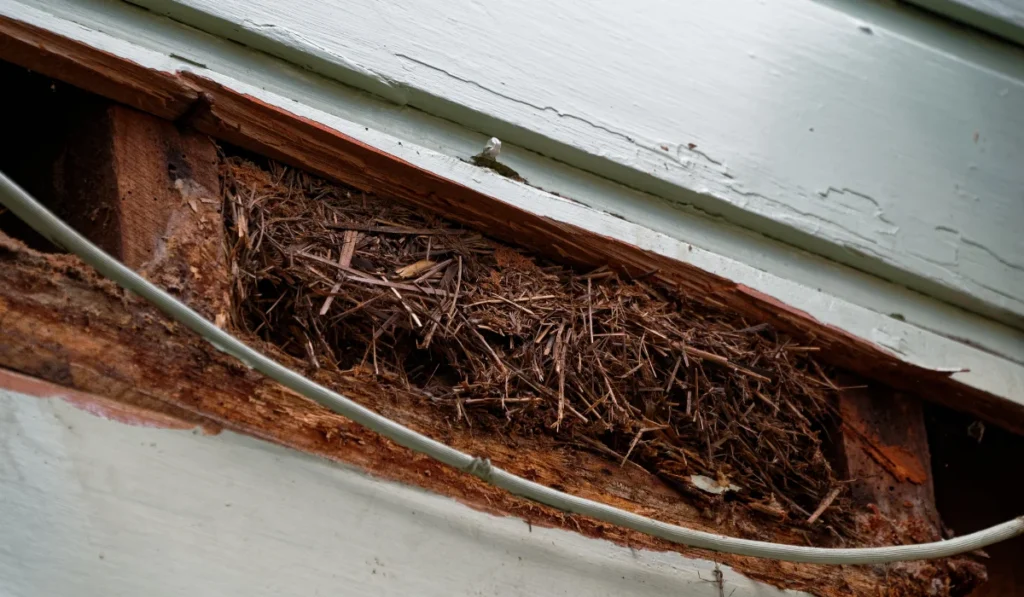
Other signs of rodent activity include droppings, nesting material, gnaw marks, grease marks, damaged food containers, and nighttime noises. These clues can help identify an active rat problem, but no single sign confirms that a carcass is behind the drywall. Mice, squirrels, birds, moisture problems, plumbing issues, and other wildlife can produce similar conditions.
Why the Odor May Be Hard to Pinpoint
Air moves through gaps around pipes, outlets, vents, framing, and connected wall cavities. Because of that airflow, the strongest odor may not be directly beside the carcass. A smell near a baseboard could come from above, below, or several feet away within the same structural cavity.
The duration of a dead animal odor also varies. The animal’s size, temperature, humidity, airflow, and exact location can all affect how long the smell remains noticeable. A fixed timeline may set the wrong expectation, especially when the source is surrounded by insulation or trapped in an area with limited ventilation.
A professional inspection can narrow the search by checking the attic, crawl space, roofline, cabinets, vents, utility openings, and adjoining rooms. The inspector can also consider where activity was heard and how rats may have traveled through the structure before deciding whether a wall or ceiling should be opened.
Rat Poison, Traps, and Exclusion Solve Different Problems
Rat poison in walls, rat traps, and rodent exclusion are not interchangeable solutions. Rodent bait is intended to reduce active rodents that consume it. Traps capture an animal in a known location, while exclusion closes the openings that allow rats to enter.
When traps are correctly selected, placed, and monitored, the captured rat can usually be removed. This makes trapping useful in indoor areas where retrieval matters. Traps still require careful positioning and follow-up because rats may avoid unfamiliar objects, use several travel routes, or continue entering through an unresolved gap.
Rodent bait may have a role in a professionally managed program, but indoor placement requires careful judgment. The National Pesticide Information Center’s rodenticide guidance explains that rodent-control products work in different ways and may create exposure concerns. Product selection, placement, building conditions, and access by children, pets, or wildlife all affect how bait should be managed.
| Method | What It Addresses | Main Limitation |
| Traps | Captures rats in monitored locations | Requires proper placement and regular checks |
| Rodent bait | Reduces rodents that consume it | The animal’s final location may be unknown |
| Exclusion | Blocks entry and re-entry routes | Does not remove rats already inside |
| Sanitation | Reduces available food, water, and shelter | Cannot repair structural openings |
Why Exclusion Must Be Timed Carefully
Rodent exclusion focuses on the way rats entered the house. Common access points include damaged vents, utility penetrations, garage-door gaps, crawl-space openings, roofline gaps, loose screening, and spaces around foundations.
Sealing these areas helps prevent future entry, but timing matters. Closing every visible opening before confirming that active animals have been removed can trap rats inside or force them into another section of the home. Inspection, removal, monitoring, and repairs should follow a coordinated order rather than being treated as separate, unrelated jobs.
What to Do if You Suspect a Dead Rat Behind Drywall
If you suspect a rat died in a wall, do not cut into the surface based only on the smell. Start by noting where activity occurred, when the sounds stopped, and where the odor seems strongest. Check accessible areas such as the attic, crawl space, cabinets, utility rooms, closets, and spaces around vents.
A rodent professional can inspect for droppings, gnaw marks, rub marks, nesting material, entry points, and travel routes. The goal is to determine whether the source can be reached through an existing access point or whether opening part of a wall or ceiling is justified. This process can also reveal whether the odor is coming from another animal or a different household problem.
If the carcass can be reached, the affected area may need to be cleaned and any contaminated insulation or nesting material removed. The access point should then be repaired so another rat cannot use the same route.
Clean Rodent Waste Carefully
Rodent cleanup involves more than removing a carcass. Droppings, urine, nesting material, insulation, and nearby surfaces may also require attention. The CDC’s guidance for cleaning up after rodents advises against sweeping or vacuuming dry rodent waste before it has been properly wetted and disinfected.
Air fresheners and odor absorbers do not replace cleanup. They may make the room more comfortable temporarily, but they do not remove contaminated material or correct the conditions that allowed rodents to enter. Source removal, cleaning, repairs, and monitoring each address a different part of the problem.
How to Keep Rats From Returning to Your Walls
Preventing another rat infestation requires a combination of structural repairs, sanitation, and continued monitoring. Removing one animal does not solve the underlying problem if the same entry point remains open or food and water are still easy to reach.
Inspect Entry Points From the Foundation to the Roofline
Start by identifying how rats are getting inside. Because rodents may enter at ground level or through elevated areas, the inspection should cover the foundation, crawl space, exterior walls, roofline, attic, and attached garage.
Common access points include damaged vents, utility penetrations, gaps under garage doors, loose screening, crawl-space openings, and spaces around pipes or wiring. Roof transitions, soffits, and damaged exterior materials can also provide access to attics and wall cavities.
Homes across Alabama, Tennessee, Mississippi, and the Florida Panhandle often include crawl spaces, attic transitions, roof vents, utility openings, and dense landscaping. Each of these features should be checked carefully when rats have been heard in walls or ceilings.
Reduce Food, Water, and Shelter
Sanitation makes your home less attractive to rats, but it works best when paired with exclusion. Store pantry items and pet food in secure containers, clean spills promptly, keep trash covered, and avoid leaving pet food out overnight.
Repair leaking pipes, dripping outdoor faucets, and other moisture problems that give rodents a dependable water source. Reduce clutter in garages, attics, sheds, and storage rooms so rats have fewer places to hide or build nests.
Outdoor maintenance matters as well. Trim shrubs and tree limbs away from the roof and exterior walls, clear heavy vegetation near the foundation, and move stacked materials away from the house. These steps reduce sheltered travel routes and make signs of activity easier to spot.
Seal Openings After Active Rats Are Removed
Exclusion should begin after you confirm that active rats are no longer trapped inside. Sealing openings too early can force rodents deeper into the structure or leave them confined in a wall, attic, or crawl space.
Repairs should address the material and location of each opening rather than relying on a temporary patch. Damaged vent screens, gaps around utility lines, loose trim, and openings beneath doors may require different repair methods. The goal is to create a durable barrier that holds up to weather and normal movement of the structure.
The EPA’s rodent-control guidance also stresses the need to follow product labels and use bait stations as required. Indoor rat control should account for placement, monitoring, accessibility, and risks to people, pets, and wildlife rather than relying on unattended bait as a quick fix.
Monitor Previously Active Areas
Continue checking areas where you found droppings, heard noises, or saw gnaw marks. Fresh evidence after repairs may indicate that another opening remains or that an animal was not removed before exclusion work began.
Monitoring can include visual inspections, properly placed traps, and scheduled follow-up visits. Early detection makes it easier to address a new problem before rats establish another nesting area inside the home.
Choose a Rat-Control Plan That Does Not Leave the Problem Hidden
Killing a rat is only one part of resolving activity inside your home. You also need to know whether the animal can be recovered, where other rats may be traveling, what attracted them, and how they entered. Without those answers, scratching, damage, odors, and repeat activity may continue.
Waynes provides rodent inspection, removal, monitoring, and exclusion services for homes across Alabama, Tennessee, Mississippi, and the Florida Panhandle. Learn more about home protection from Waynes Pest Control, or contact the Waynes team to schedule an inspection when you hear activity in the walls, find droppings, or suspect an inaccessible carcass. A complete plan addresses the rat you know about and the openings that could allow the next one inside.