Skip to content


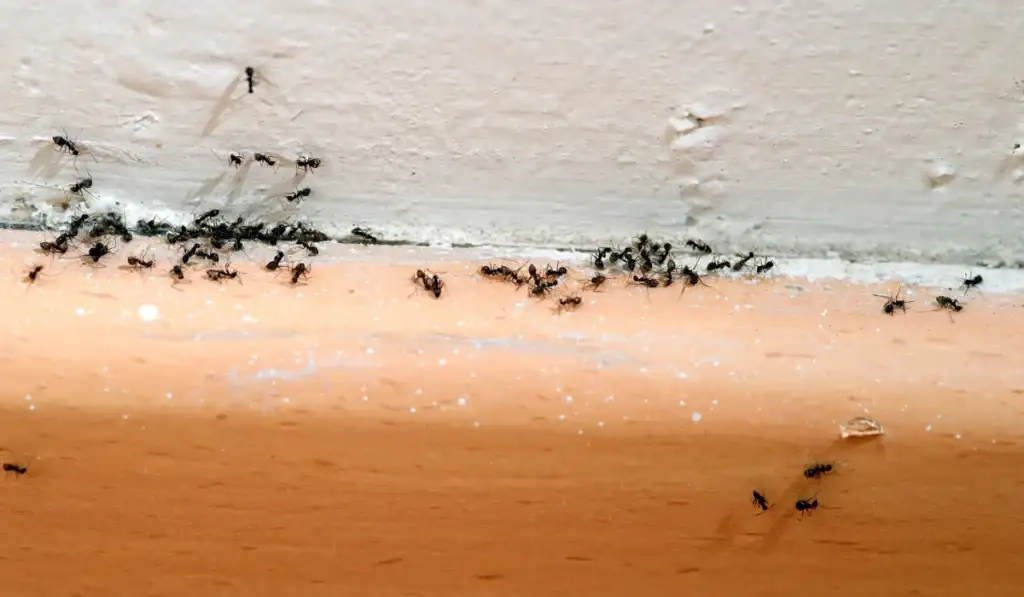 Seeing ants trailing across the kitchen counter or gathering near a doorway is common among homeowners in Columbus, MS. Warm summers, steady humidity, and older, tree-lined neighborhoods provide many ant species with what they need to thrive. Still, not all ants behave the same way. Some are mostly a nuisance, while others can damage wood, contaminate food, or form large colonies in your yard.
If you have noticed ant trails, mounds in the yard, or activity around walls and baseboards, you may wonder which species you have and how serious the problem might be. Many homeowners look for pest control in Columbus, MS, when ants begin appearing in several areas of the home.
Identifying the types of household ants that appear in Columbus, MS, homes is the first step to preventing them from spreading indoors.
This guide covers the 10 most common ant species in the Columbus area. You will learn what they look like, where they hide, and how to manage an ant infestation before it grows.
Seeing ants trailing across the kitchen counter or gathering near a doorway is common among homeowners in Columbus, MS. Warm summers, steady humidity, and older, tree-lined neighborhoods provide many ant species with what they need to thrive. Still, not all ants behave the same way. Some are mostly a nuisance, while others can damage wood, contaminate food, or form large colonies in your yard.
If you have noticed ant trails, mounds in the yard, or activity around walls and baseboards, you may wonder which species you have and how serious the problem might be. Many homeowners look for pest control in Columbus, MS, when ants begin appearing in several areas of the home.
Identifying the types of household ants that appear in Columbus, MS, homes is the first step to preventing them from spreading indoors.
This guide covers the 10 most common ant species in the Columbus area. You will learn what they look like, where they hide, and how to manage an ant infestation before it grows.
Key Takeaways
Field Guide · Columbus, MS
Common household ants in Columbus
Columbus homes see up to 10 ant species. Some sting or damage wood, others are nuisances.
1Can sting
Fire Ants
IDReddish-brown with a narrow waist and two nodes. Aggressive around mounds.
WhereOpen, sunny yards along sidewalks, gardens, and driveways.
NoteThey deliver a painful sting and form fast-growing colonies. They pose risks to pets and children.
2Destructive
Carpenter Ants
IDLarge, close to an inch. Black or reddish-black with a smooth, rounded thorax.
WhereDamp or softened wood, including decks, window sills, and crawl space beams.
NoteThey do not eat wood but nest inside it. People often mistake them for termites.
3Contaminates
Pharaoh Ants
IDVery small; pale yellow to tan. Nests in outlets and wall cavities.
WhereWarm indoor spaces such as wall voids and electrical outlets.
NoteThey contaminate surfaces and food. They split into smaller colonies, making them hard to treat.
4Nuisance
Argentine Ants
IDLight brown with a slim body and one node. Forms long, organized trails.
WhereDriveways, siding, and tree limbs; lawns with aphids or scale.
NoteThey feed on honeydew and spread quickly. They enter homes in large numbers.
5Nuisance
Odorous House Ants
IDTiny; dark brown with an uneven body shape. Smells like rotten coconut when crushed.
WhereKitchens and pantries, especially during rainy periods.
NoteThey love sweets and greasy foods. They enter when outdoor food runs low.
6Nuisance
Pavement Ants
IDLight to dark brown with faint lines on the head and thorax. Slow, steady movement.
WhereSidewalks, patios, driveways, and near heat-producing appliances.
NoteThey enter through structural cracks. Sealing gaps helps reduce indoor activity.
Waynes has protected Southeast families for 50 years as an EPA Pesticide Environmental Stewardship member. Every little thing matters. A LOT.
- Columbus homes often see up to 10 common ant species, including carpenter ants, fire ants, Argentine ants, and pavement ants.
- Ants enter through cracks, mulch, foundation gaps, or tree branches while searching for a food source or moisture.
- Some ants can sting, damage wood, or form large colonies, while others cause problems indoors, particularly in kitchens, bathrooms, and wall voids.
- Waynes Pest Control provides pest control and ant control that fit Mississippi homes and the climate conditions that fuel ant activity.
Video Guide: Understanding Common Ant Species
This video introduces the ant species homeowners see most often and explains how to recognize their size, color, and behavior. It is a helpful visual companion to this guide, especially if you are trying to tell the difference between carpenter ants, fire ants, and the smaller species that show up inside Columbus homes. After watching, you’ll be better prepared to identify the ants on your property.What Types of Household Ants Are Most Common in Columbus, MS?
Columbus neighborhoods feature shaded yards, older foundations, and ample natural moisture, making the area ideal for several ant species. Whether you live near the Riverwalk, Highway 45, or in a newer subdivision outside town, the local climate allows ants to stay active most of the year. Here are 10 types of ants you are most likely to encounter:Carpenter Ants

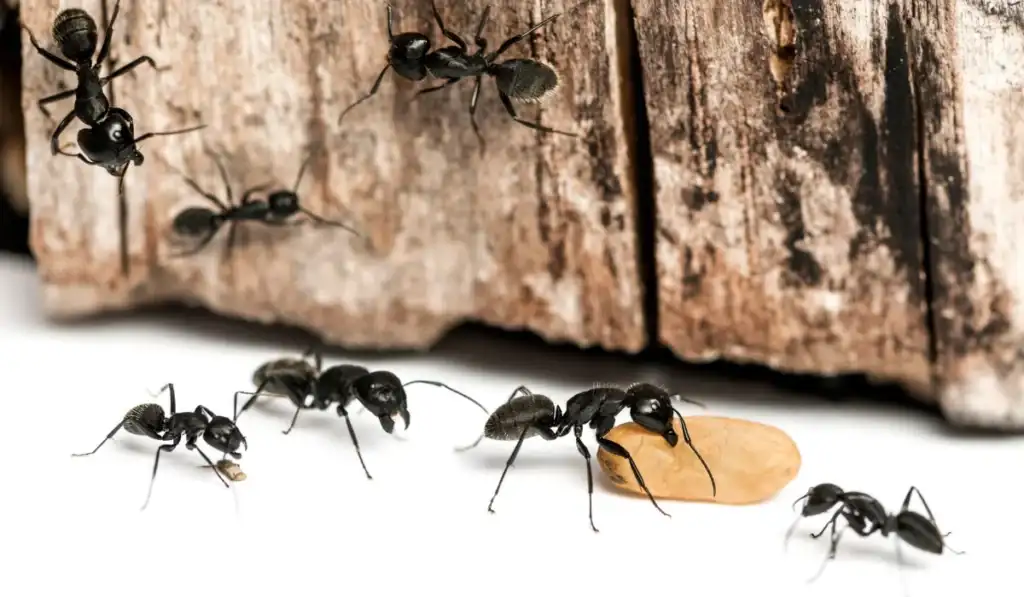
Carpenter ants are one of the most common ants in Mississippi homes. They do not eat wood, but they build nests inside damp or softened lumber, including decks, window sills, and crawl space beams. Many people mistake them for termites because both affect wood.
If you find large, black ants near wet wood or notice sawdust-like material, it’s time for a professional inspection.
Fire Ants
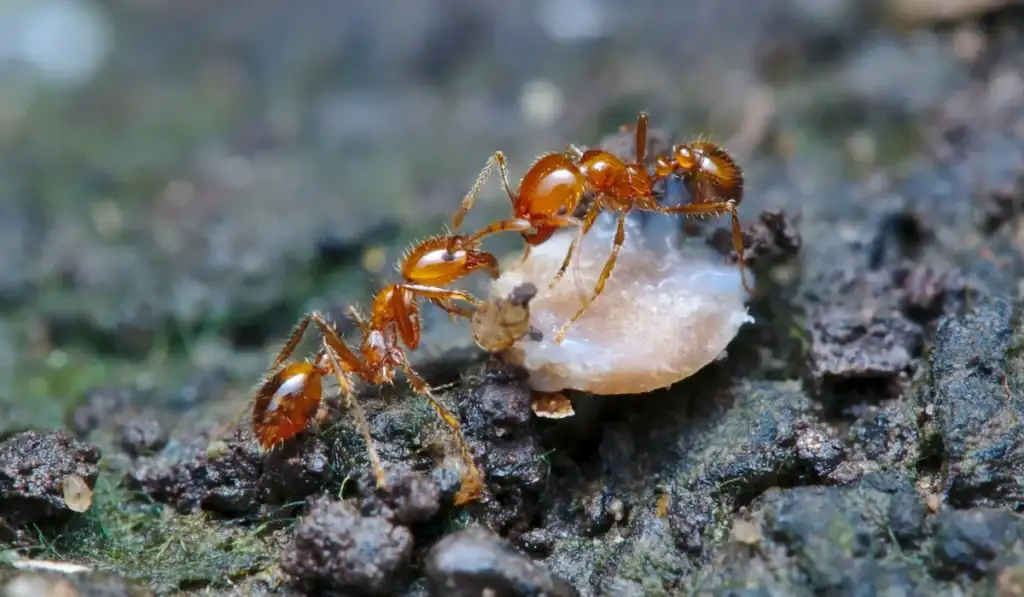 Fire ants, including the red imported fire ant, thrive in open, sunny yards. You’ll usually spot their mounds along sidewalks, gardens, or near driveways. They have a painful sting and form large colonies that grow quickly in warm Mississippi weather.
Because fire ants pose risks to pets and children, homeowners often choose professional pest management to keep yards safe.
Fire ants, including the red imported fire ant, thrive in open, sunny yards. You’ll usually spot their mounds along sidewalks, gardens, or near driveways. They have a painful sting and form large colonies that grow quickly in warm Mississippi weather.
Because fire ants pose risks to pets and children, homeowners often choose professional pest management to keep yards safe.
Odorous House Ants
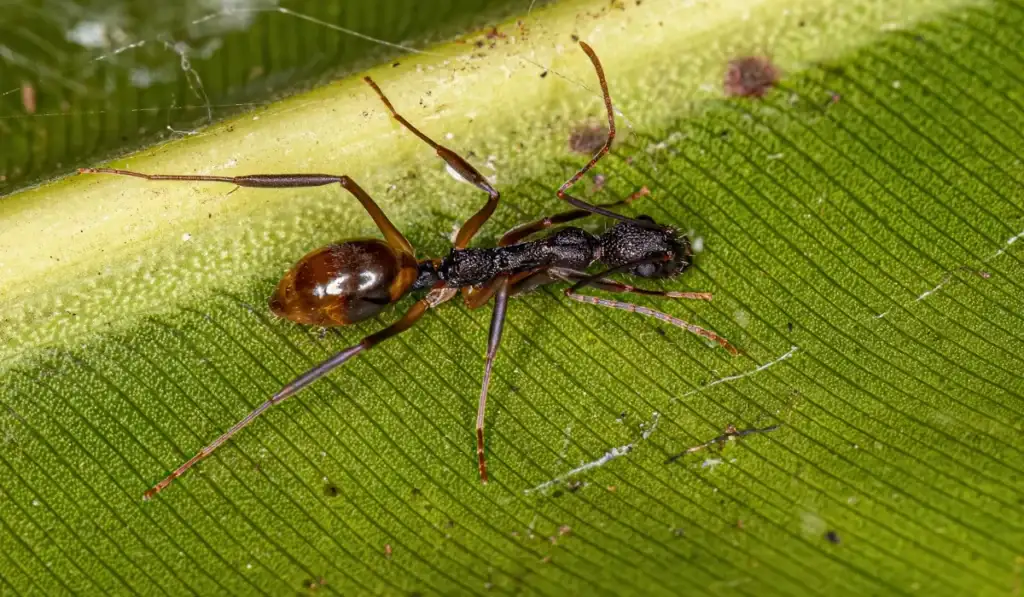 Odorous house ants release a smell similar to rotten coconut when crushed. They enter homes during rainy periods or when outdoor food sources run low. These ants love sweets and greasy foods, making them common in kitchens and pantries.
Argentine Ants
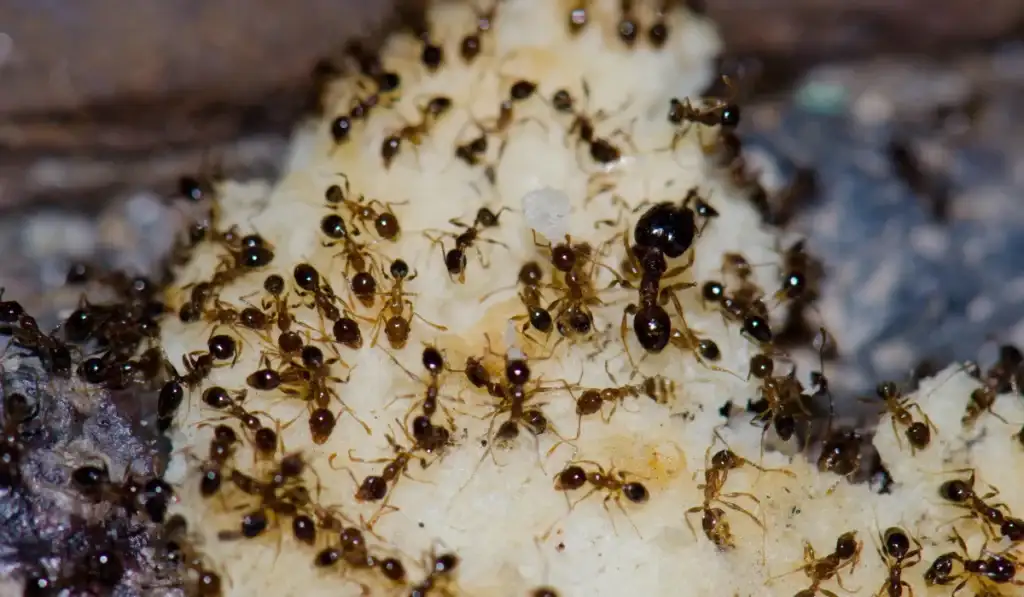 Argentine ants, also known by their scientific name Linepithema humile, build long, organized trails along driveways, siding, and tree limbs. They feed on honeydew, so lawns with aphids or scale insects often see higher activity.
Because they spread quickly and enter homes in large numbers, professional treatment is the best way to control an Argentine ant population.
Argentine ants, also known by their scientific name Linepithema humile, build long, organized trails along driveways, siding, and tree limbs. They feed on honeydew, so lawns with aphids or scale insects often see higher activity.
Because they spread quickly and enter homes in large numbers, professional treatment is the best way to control an Argentine ant population.
Little Black Ants
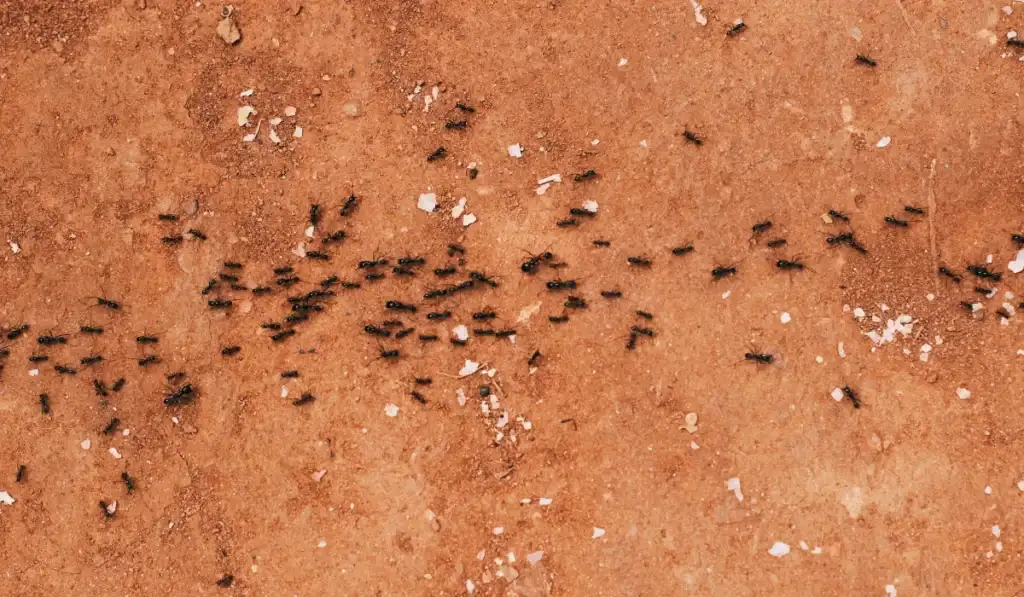 Little black ants are tiny, dark brown or black insects that build small nests around baseboards, cracks, and foundation gaps. They are persistent foragers that collect crumbs, sweets, and pet food.
Their colonies are small but numerous, so they can reappear quickly if you do not use targeted ant control.
Little black ants are tiny, dark brown or black insects that build small nests around baseboards, cracks, and foundation gaps. They are persistent foragers that collect crumbs, sweets, and pet food.
Their colonies are small but numerous, so they can reappear quickly if you do not use targeted ant control.
Pavement Ants
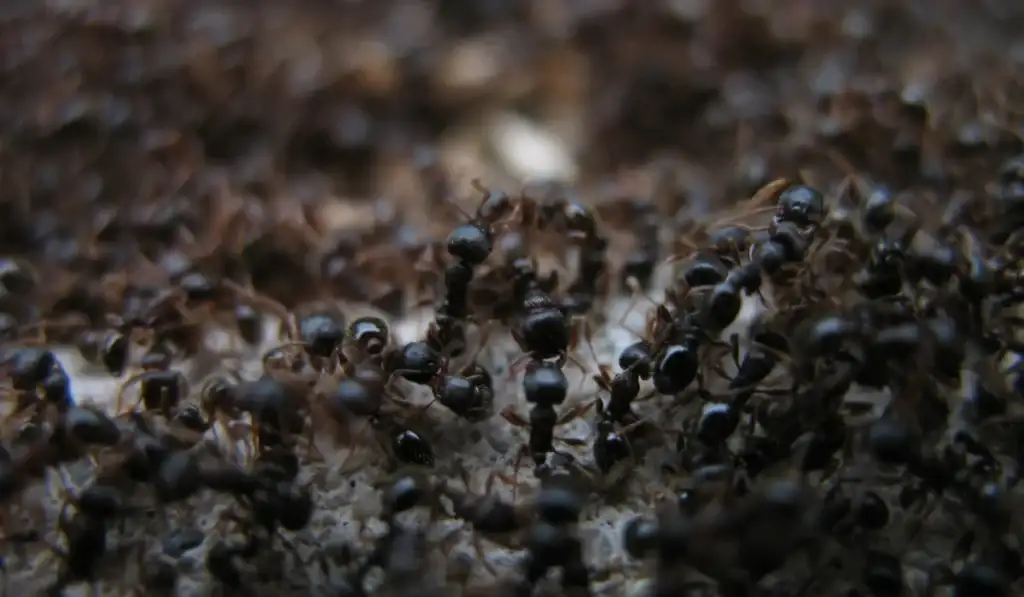 Pavement ants are common around Columbus sidewalks, patios, and driveways. Their light brown to black bodies and slow, steady movement make them easy to identify. They enter homes through structural cracks and gather near heat-producing appliances.
Treating the foundation and sealing gaps helps reduce their activity inside your home.
Pavement ants are common around Columbus sidewalks, patios, and driveways. Their light brown to black bodies and slow, steady movement make them easy to identify. They enter homes through structural cracks and gather near heat-producing appliances.
Treating the foundation and sealing gaps helps reduce their activity inside your home.
Crazy Ants
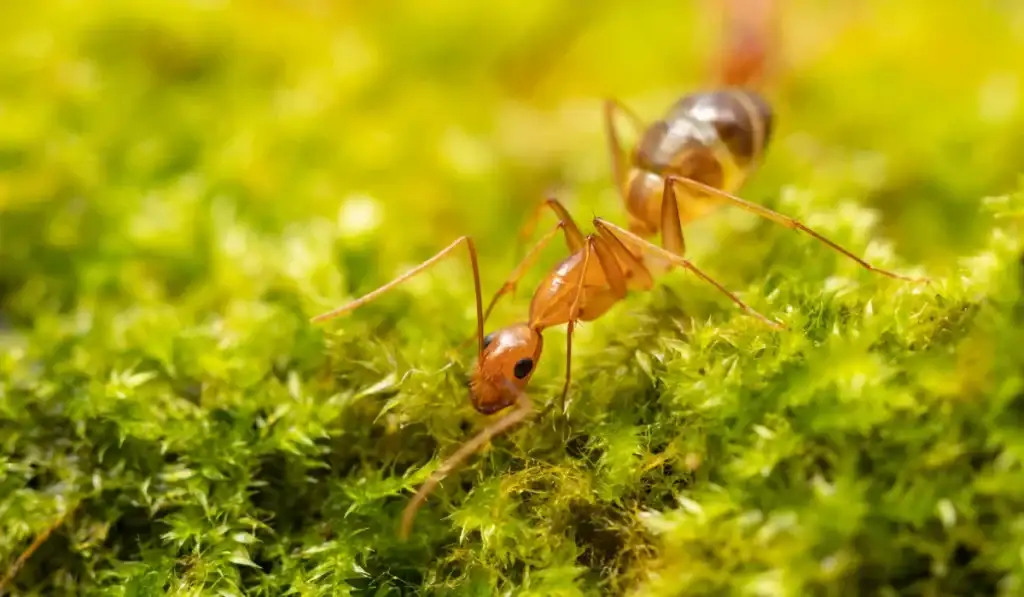 Crazy ants have long legs and move in quick, unpredictable patterns. They prefer humid areas, making Columbus homes with crawlspaces or older basements easy targets. These ants can form large colonies and often show up in garages or storage rooms.
Because they multiply quickly, early treatment prevents them from overtaking your home.
Crazy ants have long legs and move in quick, unpredictable patterns. They prefer humid areas, making Columbus homes with crawlspaces or older basements easy targets. These ants can form large colonies and often show up in garages or storage rooms.
Because they multiply quickly, early treatment prevents them from overtaking your home.
Acrobat Ants
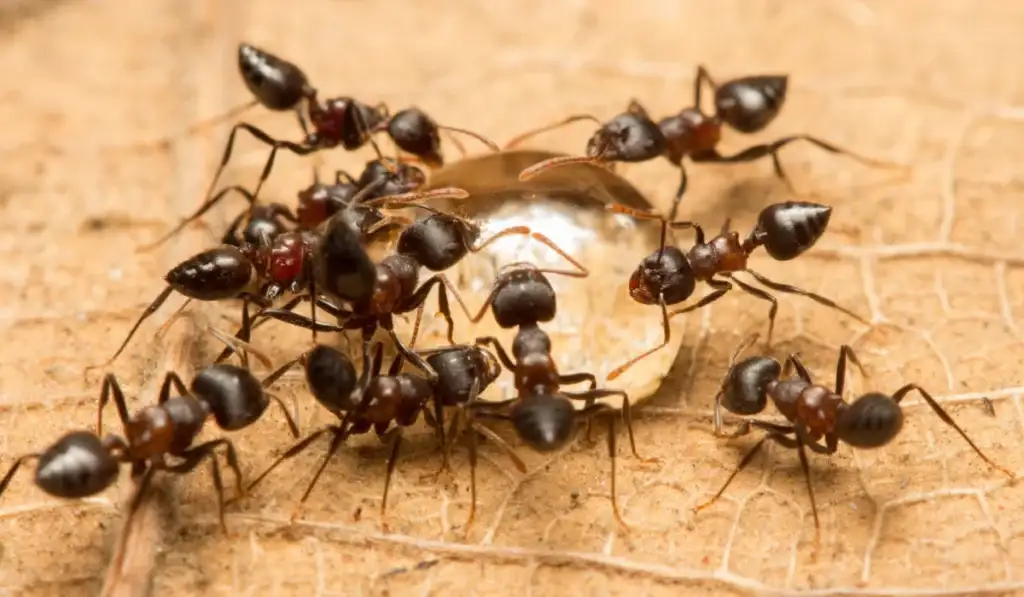 Acrobat ants lift their abdomen over their head when disturbed. They range from brown to black and often nest inside wall voids, foam board insulation, and window frames. Their presence can signal moisture problems around the house.
During an inspection, our technician will choose the best way to remove them and prevent re-entry.
Acrobat ants lift their abdomen over their head when disturbed. They range from brown to black and often nest inside wall voids, foam board insulation, and window frames. Their presence can signal moisture problems around the house.
During an inspection, our technician will choose the best way to remove them and prevent re-entry.
Pharaoh Ants
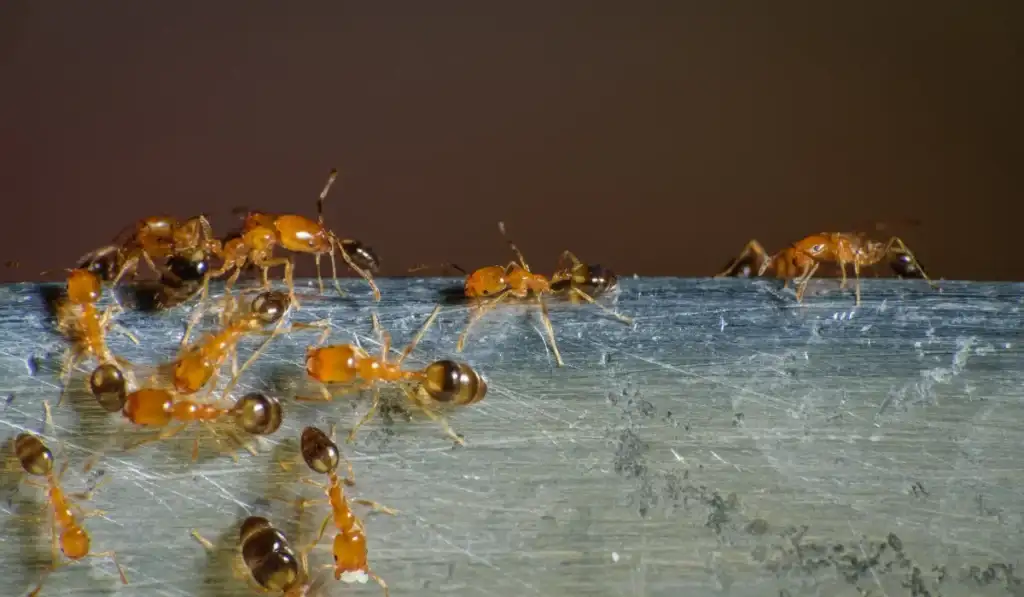 Pharaoh ants are tiny and light brown, forming hidden nests inside outlets, wall cavities, and warm indoor spaces. They spread quickly and split into smaller colonies, making them difficult to treat without a professional approach.
Our team uses methods that stop pharaoh ants without splitting the colony.
Pharaoh ants are tiny and light brown, forming hidden nests inside outlets, wall cavities, and warm indoor spaces. They spread quickly and split into smaller colonies, making them difficult to treat without a professional approach.
Our team uses methods that stop pharaoh ants without splitting the colony.
Thief Ants
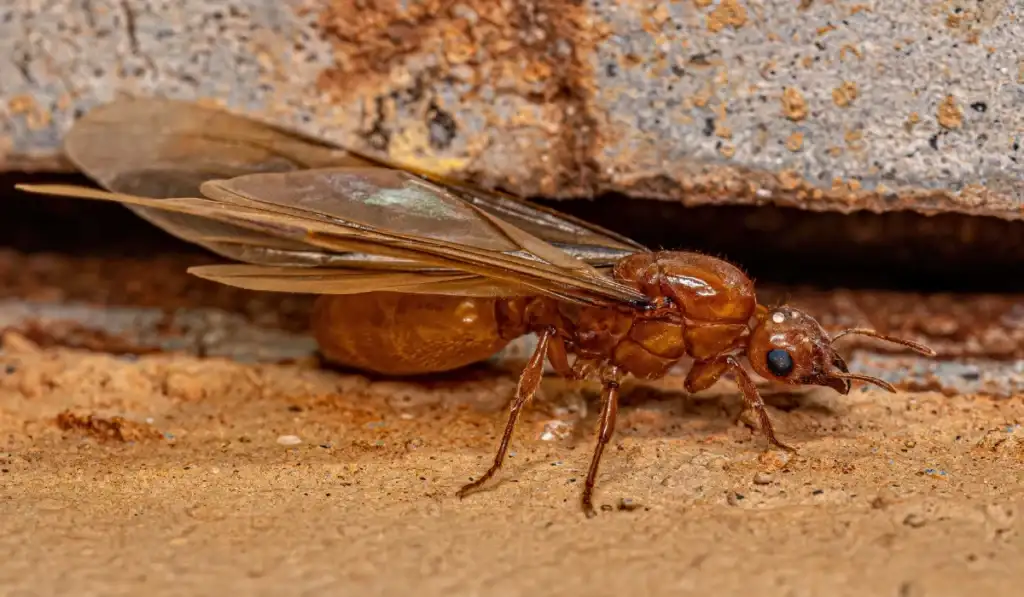 Thief ants are the smallest species of ants on this list. They are yellowish or pale brown, tiny, and many people confuse them with pharaoh ants. They nest near other ant colonies, stealing food and larvae.
If you’re noticing tiny ants around pantry items, our professional can identify whether thief ants are the cause.
At Waynes Pest Control, we offer complete pest control services, including ant control tailored to Columbus homes. Through this service, our team can help you identify which species is active and how to stop the ant infestation before it grows.
Thief ants are the smallest species of ants on this list. They are yellowish or pale brown, tiny, and many people confuse them with pharaoh ants. They nest near other ant colonies, stealing food and larvae.
If you’re noticing tiny ants around pantry items, our professional can identify whether thief ants are the cause.
At Waynes Pest Control, we offer complete pest control services, including ant control tailored to Columbus homes. Through this service, our team can help you identify which species is active and how to stop the ant infestation before it grows.
What Do the Different Types of Household Ants in Columbus, MS Look Like?
Each ant species has its own size, color, body shape, and movement pattern, which helps with identifying and preventing ants before they spread indoors. These visual markers allow you to tell them apart and determine the appropriate treatment approach for your home.| Ant Species | Appearance Details |
|---|---|
| Carpenter Ant | Large, sometimes close to an inch long. Black or reddish-black with a smooth, rounded thorax. Often found near damp or softened wood. |
| Fire Ant | Reddish-brown with a narrow waist and two nodes. Workers vary in size. Aggressive around mounds. |
| Odorous House Ant | Tiny; dark brown. Uneven body shape. Releases a coconut-like odor when crushed. |
| Argentine Ant | Light brown with a slim body and one node. Forms long, organized trails along siding, fences, or pavement edges. |
| Little Black Ant | Very small; shiny and black. Often blends with small cracks and shadows. |
| Pavement Ant | Light to dark brown with faint lines on the head and thorax. Often pushes dirt out of concrete cracks. |
| Crazy Ant | Reddish-brown with long legs. Moves in fast, erratic patterns. |
| Acrobat Ant | Brown to black. The abdomen has a heart shape and lifts above the head when disturbed. |
| Pharaoh Ant | Very small; pale yellow to tan. Common in warm indoor areas, such as wall voids and outlets. |
| Thief Ant | Extremely tiny; pale brown or yellowish. Often confused with pharaoh ants but noticeably smaller. |