Skip to content


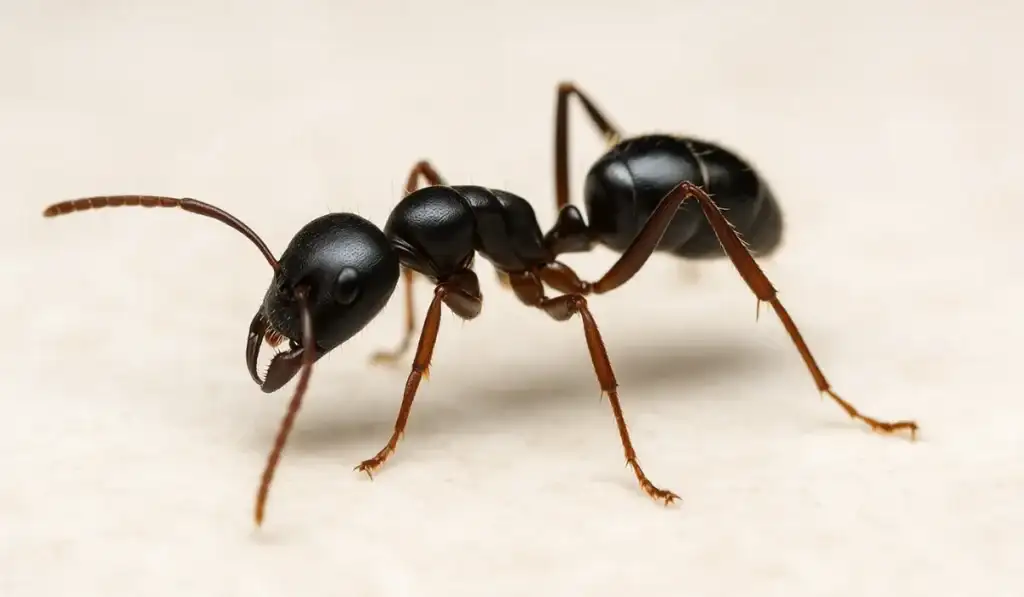 Have you ever noticed a tiny black ant scurrying across your kitchen counter? Or felt the sharp sting of a small red ant while enjoying the outdoors? Columbus, MS, is home to many types of ants.
These tiny invaders can quickly turn a peaceful summer afternoon into a frustrating ordeal. In our humid environment, ants can multiply rapidly, making it crucial to identify and prevent them from becoming a major nuisance.
In this guide, we’ll cover how you can properly identify common ants in Columbus, how you can keep them at bay, and how professional pest control can help.
Have you ever noticed a tiny black ant scurrying across your kitchen counter? Or felt the sharp sting of a small red ant while enjoying the outdoors? Columbus, MS, is home to many types of ants.
These tiny invaders can quickly turn a peaceful summer afternoon into a frustrating ordeal. In our humid environment, ants can multiply rapidly, making it crucial to identify and prevent them from becoming a major nuisance.
In this guide, we’ll cover how you can properly identify common ants in Columbus, how you can keep them at bay, and how professional pest control can help.
Key Takeaways
Field Guide · Columbus, MS
Identifying ants before you treat
Correct ID leads to the right control. Fire ants and carpenter ants need different plans.
1Can sting
Red Imported Fire Ants
IDFast, aggressive workers that live in dome mounds in sunny soil.
WhereSunny Mississippi lawns; swarmers gather at windows after warm rains.
NoteAn invasive species spread across the Southeast. Keep kids and pets away.
2Destructive
Carpenter Ants
IDLarge, often black or reddish-brown. Leaves sawdust-like frass near trim.
WhereDamp lumber and window trim; faint rustling at night.
NoteThey tunnel damp wood, which can lead to structural damage. They do not eat wood.
3Nuisance
Argentine Ants
IDSmall, fast-moving trail-makers that form huge colonies.
WhereShrubs with honeydew; move indoors after rain or heat.
NoteSprays can split colonies and spread infestations. They chase sweets and honeydew.
4Nuisance
Big-Headed Ants
IDPheidole species with major workers that have oversized heads and strong mandibles.
WhereFoundation seams and soil; forage for seeds.
NoteTreat seams along foundations. Major workers crack seeds with powerful mandibles.
5Nuisance
Odorous House Ants
IDSmall, dark workers with a coconut smell when crushed.
WhereIndoor trails near sinks and food-prep areas.
NoteA common sugar-loving ant in Columbus. They follow honeydew on shrubs.
6Nuisance
Pavement Ants
IDSmall ants that mound between sidewalk and driveway slabs.
WhereCracks and edges between concrete slabs.
NoteTarget cracks and edges to control them. A common sugar-loving ant locally.
Waynes has protected Southeast families for 50 years as an EPA Pesticide Environmental Stewardship member. Every little thing matters. A LOT.
- Correct ID leads to the proper ant control and faster results.
- Watch size, color, antennae, and where trails lead to find nesting sites.
- Many ants follow honeydew on shrubs, so manage plants and food sources.
- Fire ants and carpenter ants need very different plans.
Quick ID Fundamentals For Types Of Ants In Columbus, MS
While Columbus, MS, is home to many types of ants, properly identifying them is crucial for proper control. Some things you can do to identify ants correctly include:- Check size, color, and behavior along the trail.
- Look at the antennae and whether they have one or two nodes.
- Note if workers are all one size or in mixed sizes.
- Follow trails in both directions to find food sources and nesting sites.
- Watch for aphids and scale on shrubs; many ants feed on their honeydew.
- Note color cues like dark brown or reddish-brown.
Fire Ants In Mississippi Lawns
Red imported fire ants, or Solenopsis invicta, live in dome mounds. They have fast, aggressive workers who work in sunny lawns. They came from South America, spread across the Southeast, and are now a common ant in Mississippi and nearby Alabama. After warm rains, winged swarmers gather at windows and lights. Keep kids and pets away. Treat the whole yard, then spot-treat mounds; schedule service if stings persist locally.Carpenter Ants Vs. Termites
Carpenter ants (Camponotus) are large and often black or reddish-brown. They do not eat wood. Instead, they tunnel into damp lumber, which can lead to structural damage. Look for sawdust-like frass, faint rustling at night, and big workers near window trim. Termites eat wood and make mud tubes. Flying ants have elbowed antennae and uneven wings, while termite swarmers have four equal wings. If you see wings or soft wood, schedule an inspection.Argentine Ants And Other Sugar Lovers
Argentine ants (Linepithema humile) are small, fast-moving trail-makers that form huge colonies. Sprays can split colonies and spread infestations. They chase sweets and honeydew on shrubs, then move indoors after rain or heat. Other sugar-loving ants in Columbus include odorous house ants, pavement ants that mound between slabs, and rover ants on patios. Match bait to their food; use sweet baits now, switch to protein if diets change, and reduce honeydew by treating plant pests. If trails appear near sinks or food-prep areas, knowing how to get rid of ants in your kitchen can help you treat these spots safely and prevent reinfestation.Acrobat Ants, Big-Headed Ants, And Friends
Acrobat ants (Crematogaster) lift a heart-shaped abdomen when alarmed. They nest in rotting wood and tree cavities and may move into wall voids. Big-headed ants (Pheidole) have “major” workers with oversized heads for cracking seeds and powerful mandibles. Formica ants forage outdoors but wander inside for food. Tiny thief ants raid other colonies. Pharaoh ants are pale yellow to reddish and split colonies easily, so sprays cause budding. Use baits and follow trails to outlets, baseboards, and voids.Other Types of Ants You’ll Encounter In Columbus
You will meet many species of ants around Columbus. While these ants are common in Columbus, several are invasive species, including fire ants, Asian needle ants, and Argentine ants. Here are the ones homeowners report most:- Carpenter Ants (Camponotus). Large workers, sometimes a black carpenter ant. Look for frass and damp wood. Some regional lists note Camponotus louisianae.
- Fire Ants (Red Imported Fire Ant). Solenopsis invicta. Dome mounds, sunny soil, and fast, defensive behavior.
- Argentine Ants. Linepithema humile. Huge colonies and steady trails to honeydew.
- Odorous House Ants. Small, dark workers with a coconut smell when crushed.
- Pavement Ants. Small mounds between sidewalks and driveway slabs.
- Rover Ant. Tiny workers on patios, siding, and around sinks in warm months.
- Twig Ant. An arboreal forager that nests in twigs and limbs near shaded homes.
- Acrobat Ant. Crematogaster species that flip the abdomen over the thorax when disturbed.
- Big-Headed Ant. Pheidole species with majors that have oversized heads.
- Pharaoh Ant And Thief Ant. Tiny indoor trail makers that spread fast if disturbed.
- Asian Needle Ants live in shaded, damp spots.
- Harvester ants live in open areas and are less common indoors, but you can sometimes find them in Mississippi yards.