The Southeast’s scary bugs include venomous spiders, disease-carrying insects, and terrifying-looking pests that are mostly misunderstood inside your home.
Key Takeaways
Scary bugs in the Southeast — which ones actually bite back
The Southeast hosts a mix of genuinely dangerous pests and fear-inducing insects that pose little real risk. Telling them apart is the harder part.
- Black widow and brown recluse spiders are the two most medically significant scary bugs found in Southeast homes, and both prefer dark, undisturbed spaces.
- Many creepy crawlies, including house centipedes and tarantulas, are beneficial predators that feed on other insects and pose minimal risk to humans.
- German cockroaches spread at least 33 types of bacteria and reproduce fast, making them one of the most genuinely dangerous pests in your kitchen.
- Consistent pest control, sealed entry points, and reduced moisture are the most reliable ways to keep scary bugs from moving indoors.
- Bed bug treatment at Waynes starts at $1,000 for a twin-size room at a low infestation level and scales based on bed size and severity.
Which Scary Bugs in the Southeast Pose Real Danger
Not every scary bug in the Southeast actually threatens your health, but knowing which ones do makes the difference between a wasted call and a necessary one. Fear of insects is one of the most common human responses, and research published in Current Opinion in Insect Science suggests this aversion developed as part of a behavioral immune system evolved to avoid infectious disease. That instinct is sometimes accurate and sometimes wildly off. Black widows and brown recluses deserve the fear they get. House centipedes and tarantulas do not.
Venomous Spiders Are the Scariest Bugs at Home
Black Widow: Scary Bugs With Serious Venom
The black widow ranks as the most venomous spider in North America. You can identify a female by her shiny black body and the red hourglass marking on the underside of her abdomen. She measures about 1.5 inches long including her legs and prefers dark corners of garages, basements, and woodpiles.
A black widow bite delivers venom that attacks the nervous system. Symptoms include fever, increased blood pressure, sweating, and nausea lasting 3 to 12 hours. Deaths are rare but documented, particularly in children and elderly adults. Seek immediate medical attention if bitten. Wear gloves when reaching into storage boxes, woodpiles, or outdoor structures to reduce your risk.
Brown Recluse: Scary Bugs Hiding in Plain Sight
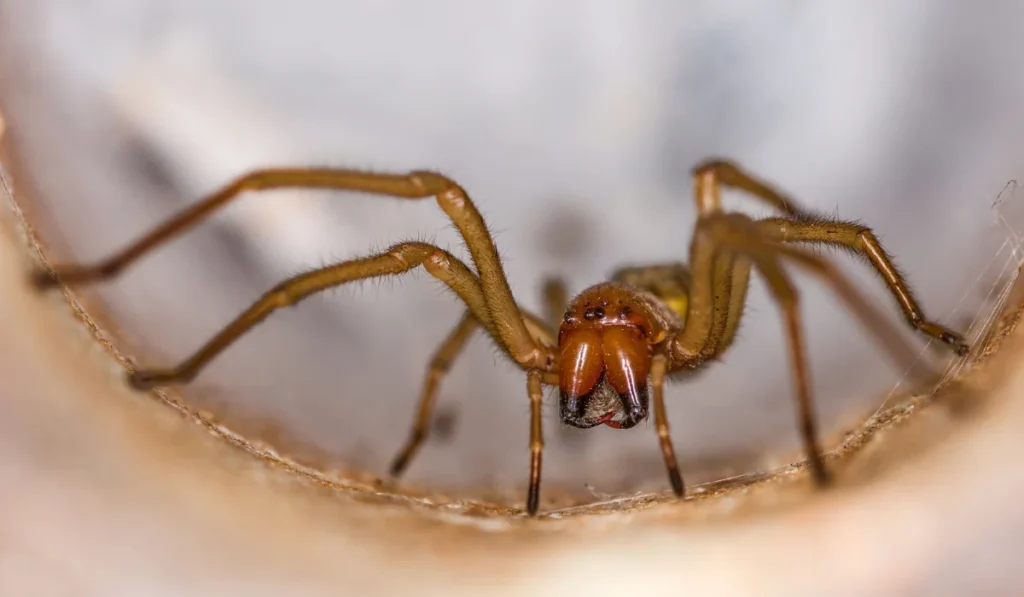
Brown recluse spiders survive for months without food or water, hiding in attics, closets, and cardboard boxes. Identify them by the dark violin-shaped marking on the head. They measure about 0.5 inches long and have six eyes arranged in three pairs, unlike most spiders with eight. Their small size makes them easy to overlook until a bite develops.
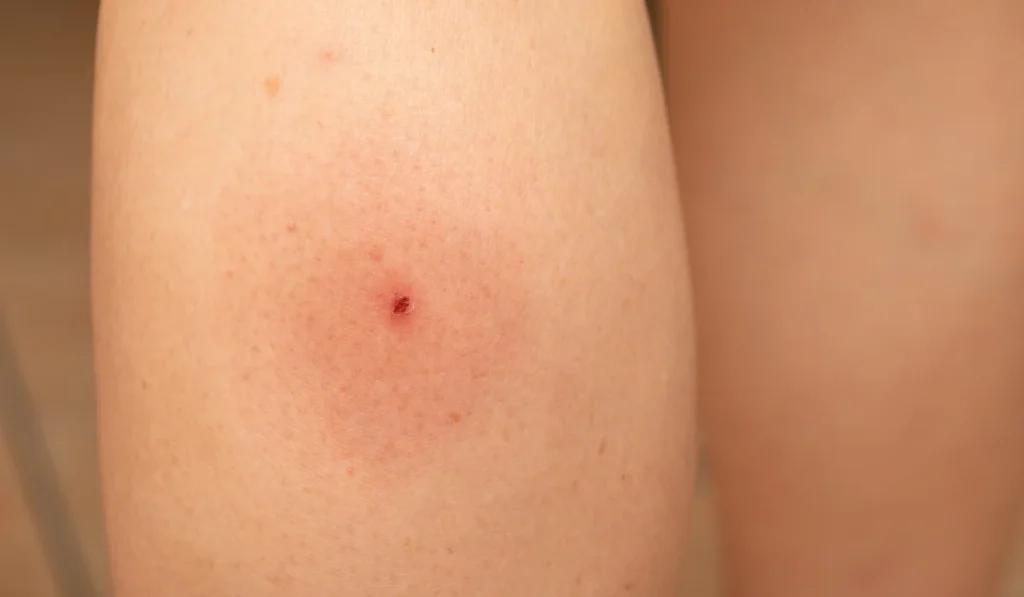
A brown recluse bite starts as a small red mark. In severe cases, a blue-grey lesion develops around the site and tissue damage can spread. If you notice a bite while pulling out seasonal items from storage, get medical attention the same day. Remove clutter from basements and attics, shake out clothing that has sat undisturbed, and install weather stripping to close entry points.
Disease-Carrying Creepy Crawlies You Should Know
German Cockroaches: Scary Bugs That Spread Bacteria
German cockroaches spread at least 33 types of bacteria, 6 kinds of parasitic worms, and 7 other human pathogens. E. coli and Salmonella top the list. These insects eat almost any organic material, from crumbs on the floor to grease on the stove. A warm, humid Southeast kitchen is a near-perfect environment for them to thrive year-round.
A female German cockroach produces one egg case (ootheca) containing 30 to 40 eggs and can lay up to 8 egg cases in her lifetime, meaning a single female can produce over 300 offspring. Prevention starts with removing their food supply: keep counters clean, store food in sealed containers, and fix leaky pipes to reduce the moisture these insects need to survive.
Assassin Bugs: A Scary Bug With a Painful Bite
Assassin bugs stab prey with a sharp beak and inject venom that dissolves the insides of other insects. Most species in the Southeast measure 0.5 to 1.5 inches long and feed on caterpillars, aphids, Japanese beetles, and other pests that damage your garden plants. Their appearance makes most homeowners assume the worst, but the majority of species do not target humans.
One exception exists. The kissing bug (Triatoma), a species of assassin bug native to South America and Central America, feeds on blood from humans and animals and carries the parasite that causes Chagas disease. Kissing bugs have been documented in parts of Alabama, Mississippi, and Florida. If you find a flat, oval-shaped dark bug with orange or red markings along the edges near your bed, contact a professional to identify it.
Bed Bugs: Scary Bugs That Feed While You Sleep
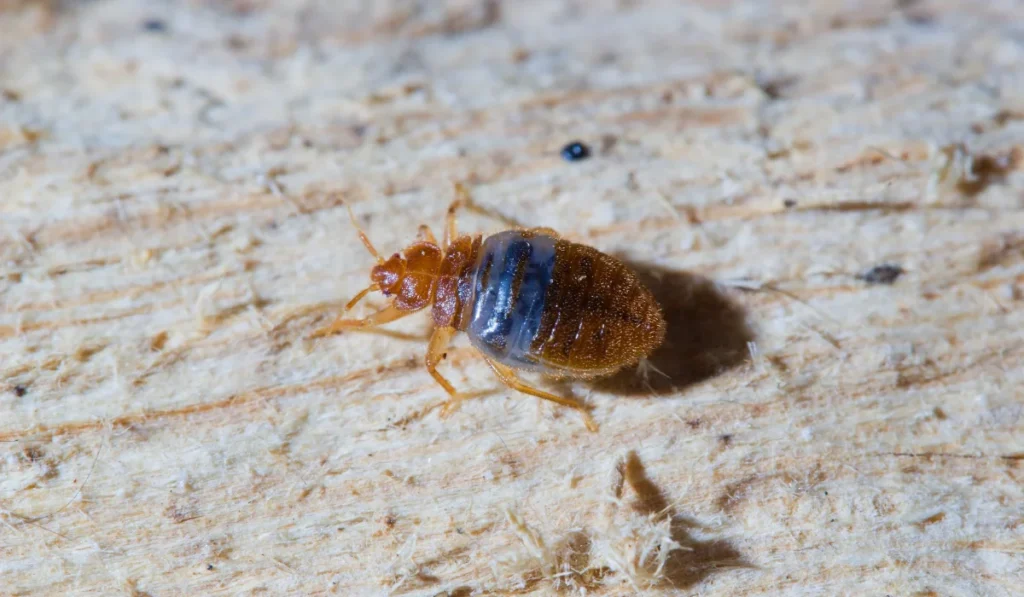
Bed bugs feed on your blood while you sleep, and an infestation can spread through your entire home within weeks. A female bed bug can lay up to 500 eggs in her lifetime. The eggs hatch in 6 to 10 days, and nymphs reach adulthood in about five weeks under warm conditions. Their flat bodies let them hide in mattress seams, baseboards, and wall crevices where you are unlikely to spot them.
Waynes treats bed bug infestations with a thorough inspection of the whole home, not just the bedroom. Technicians check mattresses, box springs, frames, furniture, carpets, and wall crevices. Treatment targets known and suspected harborages. Follow-up visits are standard because eggs can survive initial treatment and hatch later. Bed bug treatment at Waynes starts at $1,000 for a twin-size room at a low infestation level and scales by bed size and severity.
Outdoor Scary Bugs Found Across the Southeast
Scorpions and Tarantulas: Big Scary Bugs, Modest Risks
Several scorpion species live in the Southeast, and the striped bark scorpion is the one most likely to sting a homeowner. Its range extends into parts of Tennessee, Alabama, and Mississippi from desert regions in the western United States. A sting causes localized pain, swelling, and numbness. Severe reactions are uncommon in healthy adults but require prompt medical attention in children.
Tarantulas also appear across the region, though encounters are rare. These spiders reach 4 to 5 inches long and trigger fear because of their sheer size and hairy bodies. Despite their appearance, tarantulas native to the U.S. carry mild venom and are shy by nature. They burrow in soil and feed on insects and small prey. An empirical study published in Scientific Reports found that spiders and scorpions consistently rank highest in human fear ratings across cultures, which helps explain why encounters with tarantulas feel more alarming than the actual risk warrants.
Wasps: Scary Bugs That Sting and Swarm
Paper wasps and yellowjackets are the stinging insects Southeast homeowners encounter most, and both become aggressive in late summer and fall when colonies reach peak size. Paper wasps build nests under eaves, deck railings, and porch ceilings. A female wasp can sting multiple times, and the venom causes a sharp, painful reaction. People with allergies face the risk of a serious anaphylactic response.
Wasps also feed on caterpillars, aphids, and other garden pests, making them genuinely beneficial outdoors. Avoid swatting near a nest. If you find one close to a doorway or play area, professional removal reduces the chance of stings and limits the risk to your family. Keep a careful distance until a technician can assess the nest size and species.
Scary Bugs That Look Worse Than They Actually Are
House Centipedes: Fast Scary Bugs That Hunt Other Pests
House centipedes sprint across your floor on 30 legs at speeds up to 1.3 feet per second, making them one of the most fear-inducing bugs homeowners encounter indoors. An adult measures 1 to 1.5 inches long, but long banded legs make it appear much larger. They prefer damp basements, bathrooms, and crawl spaces and hunt mostly at night.
House centipedes feed on spiders, bed bugs, cockroaches, and other insects already in your home. Their bite produces a mild sting in rare cases but poses no meaningful threat to humans. Frequent sightings are a signal that a larger prey population is present. Addressing the underlying pest problem usually reduces centipede activity without any targeted treatment.
Ladybugs and Moths: Misunderstood Scary Bugs Indoors
Ladybugs look alarming when hundreds swarm the side of your house in fall, but a single ladybug eats up to 5,000 aphids in its lifetime. Asian lady beetles, a close relative, are notorious for invading homes in large numbers and emitting a foul-smelling fluid when disturbed. They can bite without drawing blood. Outside, they are valuable predators. Inside, a perimeter treatment from Waynes covers the whole house to prevent them from entering, and that service is guaranteed for 90 days.
Large moths like the luna moth, with wings spanning 4.5 inches, look intimidating at night. Most moth species do not bite or sting. Adults of many large species have no functional mouthparts and do not eat at all during their short adult lives. Moth larvae can damage fabrics and stored food, but the adults flying around your porch light are not a threat.
When Scary Bugs Require Professional Pest Control
You need professional pest control when you identify venomous spiders, a kissing bug, a bed bug infestation, or a cockroach population that has spread beyond a single room. DIY treatment covers surface-level activity. It does not reach harborages inside walls, behind appliances, or under flooring where populations grow. That is where professional treatment makes the difference.
Waynes has served 150,000 families across Alabama, Tennessee, Florida, and Mississippi for more than 50 years. As a member of the EPA Pesticide Environmental Stewardship Program since 2004, Waynes follows integrated pest management protocols that target entry points, harborages, and perimeter areas around your home. Steps you can take between service visits include:
- Sealing cracks around windows, doors, and foundations to close entry points for spiders, cockroaches, and scorpions
- Fixing leaky pipes and improving crawl space ventilation to reduce the moisture that attracts most scary bugs
- Removing clutter from garages, attics, and storage areas where spiders lay eggs and hide
- Storing firewood at least 20 feet from your home and elevating it off the soil to discourage scorpions and spiders
- Switching outdoor lights to yellow bulbs to reduce the moths and other insects that attract predators indoors
If you spot venomous spiders, cockroach swarms, or bed bug signs in your home, schedule an inspection to identify the species and get a treatment plan tailored to your situation. Every little thing matters. A LOT.
Bottom Line on Scary Bugs in the Southeast
The Southeast hosts a wide range of scary bugs, but most of them are more alarming than dangerous. Black widows, brown recluses, kissing bugs, German cockroaches, and bed bugs are the species that warrant real concern and professional action. Tarantulas, house centipedes, most wasps, moths, and ladybugs trigger strong fear responses without posing meaningful danger to most adults. Knowing the difference lets you act where it matters and skip the worry where it does not.
Consistent pest control, sealed entry points, and reduced moisture protect your Southeast home across all four seasons. Waynes inspects and treats the full scope of pest activity, not just the insects that happen to look the most terrifying. If something in your home is making your skin crawl, that instinct is worth acting on. Schedule an inspection and let a technician confirm what you are dealing with before the population grows.
Frequently Asked Questions
What are the most dangerous scary bugs in the Southeast?
Black widow spiders and brown recluse spiders are the most medically significant. Kissing bugs, a species of assassin bug documented in Alabama, Mississippi, and Florida, can transmit Chagas disease. German cockroaches spread bacteria including E. coli and Salmonella. Paper wasps and yellowjackets cause painful stings that can trigger serious allergic reactions in sensitive individuals.
Are house centipedes dangerous to humans?
House centipedes are not dangerous. They deliver a mild bite in rare cases but rarely target people. They feed on spiders, bed bugs, cockroaches, and other insects already in your home. Frequent sightings inside your home signal an underlying pest population serving as their food source rather than a centipede problem that needs direct treatment.
How do you keep scary bugs out of your home?
Seal cracks around doors, windows, and foundations. Fix leaky pipes to reduce moisture. Remove clutter from storage areas where spiders and cockroaches hide. Store food in sealed containers. Schedule regular pest control treatments that target entry points and harborages around your home’s perimeter, and follow up between visits with the prevention steps your technician recommends.
Do tarantulas in the Southeast bite humans?
Tarantulas native to the U.S. rarely bite humans. They prefer to retreat when threatened. Their venom is mild, producing a reaction comparable to a bee sting in most cases. These spiders burrow in soil and feed primarily on insects and small prey. They look terrifying because of their sheer size and hairy legs, but they pose minimal risk to healthy adults.
When should I call Waynes about scary bugs in my home?
Call when you identify a venomous spider inside your home, find evidence of a bed bug infestation, spot a kissing bug near sleeping areas, or notice a cockroach population that has spread beyond one room. Waynes inspects the full home, identifies the species, and builds a treatment plan based on what is actually present rather than what simply looks scary.