Skip to content


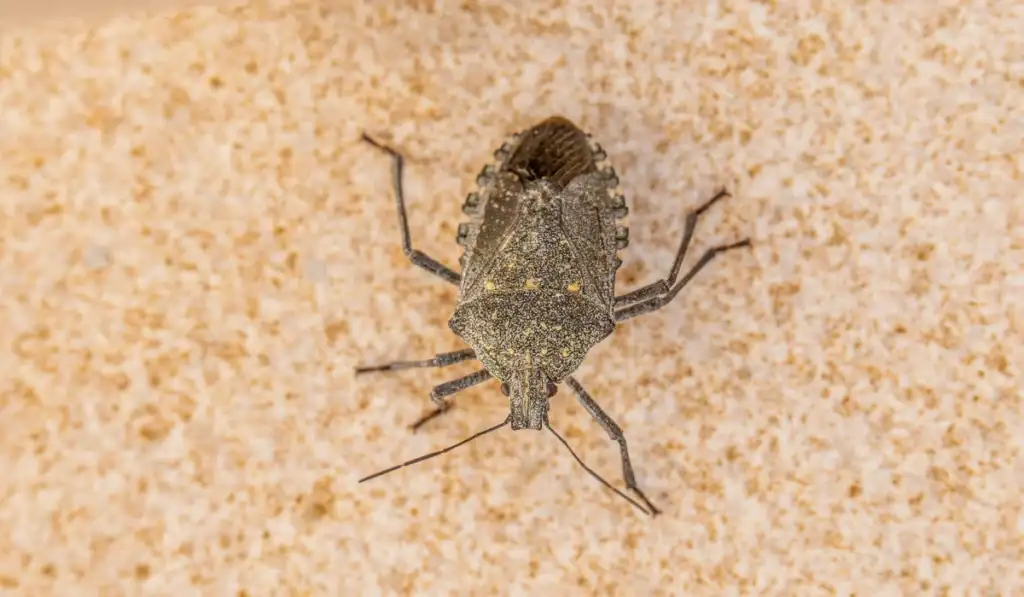 A stink bug in Florida is usually easy to recognize by its shield-shaped body and the odor it releases when disturbed. Some stink bugs feed on plants outdoors, while others may gather on walls, windows, doors, attics, and other protected areas when they look for shelter.
Most stink bugs are nuisance pests inside homes rather than insects that bite or damage structures. Still, they can be frustrating when they gather in large numbers, stain surfaces, or return season after season through the same exterior gaps.
A stink bug in Florida is usually easy to recognize by its shield-shaped body and the odor it releases when disturbed. Some stink bugs feed on plants outdoors, while others may gather on walls, windows, doors, attics, and other protected areas when they look for shelter.
Most stink bugs are nuisance pests inside homes rather than insects that bite or damage structures. Still, they can be frustrating when they gather in large numbers, stain surfaces, or return season after season through the same exterior gaps.
Key Takeaways
- Stink bugs are shield-shaped insects that can release a strong odor when disturbed.
- Florida homeowners may see brown marmorated, southern green, brown, and predatory stink bugs.
- Some stink bugs are plant pests, while others are beneficial predators.
- Indoor activity often increases when stink bugs look for shelter around structures.
What Does a Stink Bug Look Like?
Stink bugs are true bugs in the family Pentatomidae. Many have a broad, shield-shaped body, a small head, piercing-sucking mouthparts, and a noticeable odor when crushed or handled. Common identification clues include:- Shield-shaped body
- Six legs
- Antennae with multiple segments
- Flat or slightly rounded back
- Brown, green, gray, or patterned coloring
- Slow movement compared with many household pests
- Odor when crushed, trapped, or disturbed
Common Stink Bugs in Florida
Field Guide · Florida Panhandle
Stink bugs in Florida homes
Not every stink bug is a problem. Some damage plants, some just want shelter for the winter, and one variety actually works in your favor by feeding on other pests.
1Destructive
Southern green stink bug
IDDull green, shield-shaped insects.
WhereFound on tomatoes, beans, peppers, eggplant, fruit trees, weeds, ornamental plants, and garden edges.
NoteBecause they pierce plant tissue to feed, they can leave damaged spots on developing fruits, vegetables, or shoots.
2Nuisance
Brown marmorated stink bug
IDMottled brown insects with a shield-shaped body.
WhereEnters homes and other structures in fall while looking for a cool, dry place to spend the winter.
NoteIndoors, they do not damage the structure, but they can release odor and leave stains.
3Nuisance
Brown stink bug
IDBrown and shield-shaped, though several similar brown shield-shaped bugs make it harder to identify at a glance.
WhereNoticed on siding, screens, doors, or exterior walls, especially when temperatures shift.
NoteOften gathers around buildings in fall; sealing cracks, reducing exterior lighting, and checking landscaping can help reduce activity.
4Beneficial
Florida predatory stink bug
IDCan look similar to pest species from a distance, so identification matters before treating it as a problem.
WhereFound in gardens and landscapes alongside plant-feeding species.
NoteFeeds on plant-damaging bugs, beetles, and caterpillars, helping control other insects rather than causing damage itself.
Waynes helps Florida Panhandle homeowners tell a harmful stink bug from a helpful one before deciding what to do about it. Every little thing matters. A LOT.
Brown Marmorated Stink Bugs
Brown marmorated stink bugs are mottled brown insects with a shield-shaped body. They can feed on many plants and may become nuisance pests when they enter homes or buildings to overwinter. This species can enter homes and other structures in fall while looking for a cool, dry place to spend the winter. Indoors, they do not damage the structure, but they can release odor and leave stains.Southern Green Stink Bugs
Southern green stink bugs are dull green, shield-shaped insects. They feed on many plants and are more of a garden, landscape, or crop concern than a structural pest. You may notice them on:- Tomatoes
- Beans
- Peppers
- Eggplant
- Fruit trees
- Weeds
- Ornamental plants
- Garden edges
Brown Stink Bugs
Brown stink bugs can be harder to identify because several brown shield-shaped bugs look similar at a glance. Around homes, brown stink bugs may be noticed on siding, screens, doors, or exterior walls, especially when temperatures shift. Waynes’ own brown stink bug prevention guidance notes that stink bugs often gather around buildings in fall and that sealing cracks, reducing exterior lighting, and checking landscaping can help reduce activity.Florida Predatory Stink Bugs
Not every stink bug is a pest. The UF/IFAS Florida predatory stink bug profile describes this species as beneficial because it feeds on plant-damaging bugs, beetles, and caterpillars. That means identification matters. A stink bug in the garden is not always something to eliminate. Some species help control other insects, while others damage plants or become nuisance invaders near homes.When Is Stink Bug Season in Florida?
Florida does not have one simple stink bug season because the state’s warm climate can support insect activity for much of the year. Still, homeowners often notice stink bugs more during seasonal transitions. Activity may increase during:- Spring, when adults become more active and begin feeding
- Summer, when plant-feeding species are active in gardens and landscapes
- Late summer and fall, when some stink bugs gather around structures
- Mild winter periods, when sheltered bugs may become active indoors
Why Stink Bugs Come Inside
Stink bugs usually do not enter homes because they want food from your kitchen. They enter because they are looking for shelter. Once inside walls, attics, vents, or ceiling spaces, they may reappear on warm days or near windows and lights. Common entry points include:- Gaps around windows
- Door frames
- Torn screens
- Attic vents
- Soffit gaps
- Utility openings
- Cracks around siding
- Garage door edges
- Openings around pipes or cables
Are Stink Bugs Harmful?
Stink bugs are not known to bite humans or cause structural damage. Indoors, these pests might:- Gather around sunny windows
- Move into attics or wall voids
- Release odor when crushed
- Leave stains from excrement
- Reappear during warm indoor periods
How to Reduce Stink Bugs Around Your Home
The best way to manage stink bugs around a home is to block entry before they settle into hidden areas. Once they are inside wall voids or attics, they can be harder to reach. Helpful steps include:- Seal cracks around windows, doors, siding, and utility lines.
- Repair damaged screens.
- Replace worn door sweeps.
- Check attic vents and soffit gaps.
- Reduce bright exterior lighting when practical.
- Remove leaf piles and heavy vegetation near exterior walls.
- Keep garden debris cleaned up after harvest.
Stink Bugs in Gardens and Landscaping
In Florida, stink bugs may be more noticeable around gardens than inside homes. Plant-feeding species use piercing mouthparts to feed on fruit, seeds, stems, and developing plant tissue. Signs of plant-feeding activity may include:- Small puncture marks
- Yellow, brown, or corky spots
- Misshapen fruit
- Damaged pods or seeds
- Feeding clusters on stems or fruit
- Egg masses on the undersides of leaves