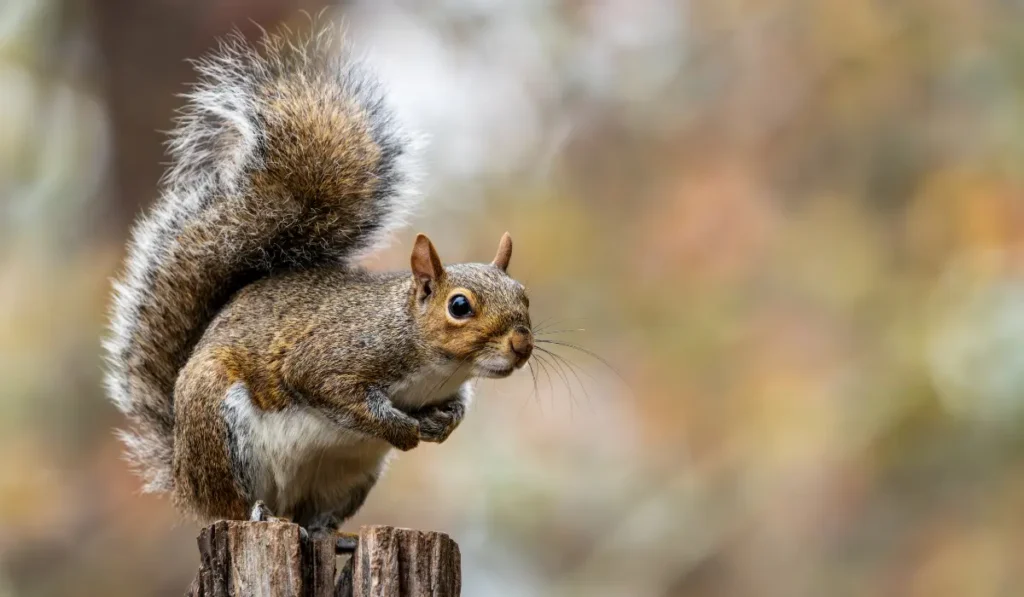
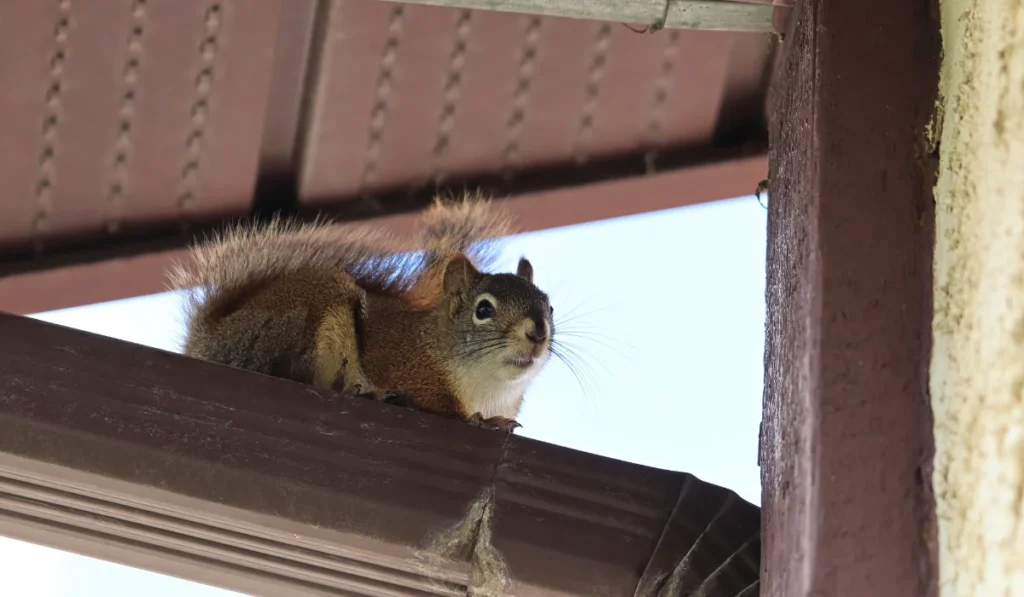
When Tennessee nights turn colder, scratching or rustling above the ceiling can get your attention fast. Squirrels in the attic are one possible cause, especially when wildlife finds access to a sheltered space inside your home. An attic provides protection from wind, rain, and changing outdoor conditions, making an existing roofline opening worth investigating.
If you suspect squirrels in the attic, the first step is figuring out what is actually making the noise. Waynes identifies attic or wall noises, droppings, chew marks near vents or entry points, and foul odors as common signs of wildlife activity. Those clues can help guide an inspection, but no single sign confirms the species.
For homeowners in Nashville, Knoxville, Chattanooga, and other Tennessee communities, the goal should be to identify the animal, find its access point, check for damage, and address the opening after removal. That approach solves more of the problem than simply waiting for the noise to stop.
Why Squirrels in the Attic Become a Concern as Tennessee Cools
As Tennessee temperatures drop, wildlife may look for more protected places to shelter. If your home has an opening around the roofline, attic access can become an option for animals looking to get out of wind, rain, and colder conditions.
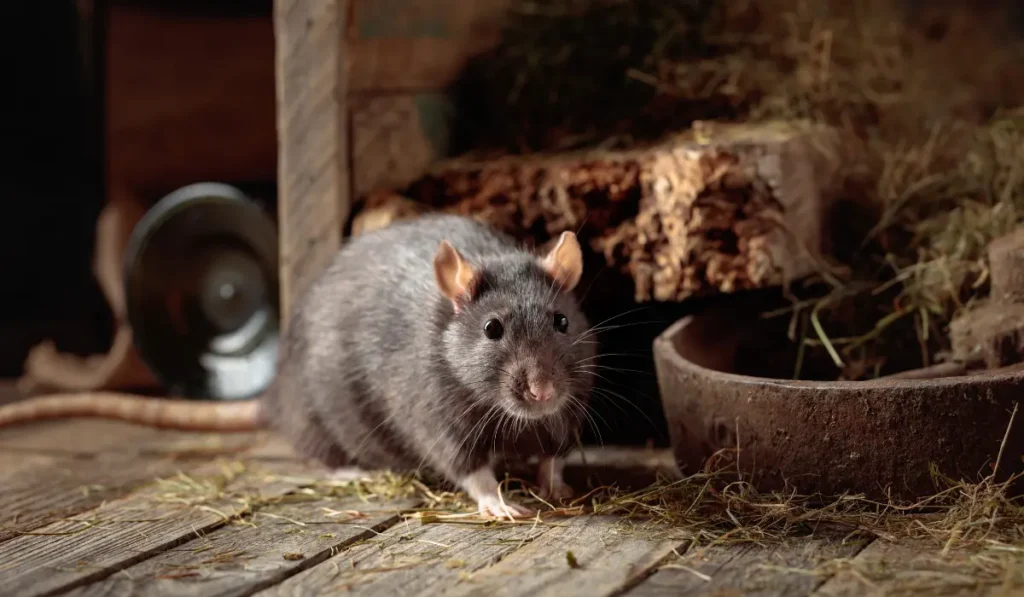
Squirrels are only one possible source of attic activity. Rodents, raccoons, birds, and other wildlife can also enter homes, so it helps to look for several signs before assuming what is inside.
Common warning signs include:
- Scratching, rustling, or movement in the attic or walls
- Droppings near the home or inside accessible attic areas
- Chew marks around vents or other possible entry points
- Foul or unusual odors coming from the attic
- Visible damage around roofline openings
If you notice several of these signs at once, an inspection can help identify the animal and locate the access point. For Tennessee-specific guidance on nuisance wildlife and current handling rules, homeowners can consult the Tennessee Wildlife Resources Agency. The University of Tennessee Institute of Agriculture is also a useful resource for information about wildlife behavior and biology in the state.
Signs of Squirrels in the Attic
The signs of squirrels in the attic often include a combination of sound and physical evidence. Waynes lists noises in attics or walls, droppings near the home, chew marks around vents or entry points, and foul odors among the common signs of wildlife intrusion. Finding more than one of these clues gives you a better reason to investigate the space.
Sound can be helpful, but attic construction can make movement difficult to judge. A small animal traveling across framing or insulation can sound louder from the room below, and noises can travel away from the animal’s actual location. That makes physical evidence around the attic and exterior roofline especially useful during an inspection.
Look Beyond the Noise
If you hear movement overhead, check for visible changes around accessible parts of the home rather than trying to identify an animal by sound alone. Chewing around a vent, damage near a roof edge, droppings, or an unusual odor can help narrow the search for an entry point or resting area.
You should also pay attention to whether the activity keeps returning to the same part of the house. Repeated noise near one section of the roof can give an inspector a useful starting point, especially when exterior damage appears in the same general area. The goal is to connect what you hear indoors with evidence that can be examined safely.
How Squirrels Get Into Tennessee Attics
When a squirrel gets into an attic, finding the access point is just as important as finding the animal. Rooflines include vents, soffits, fascia, eaves, joints, and transitions between building materials. Damaged or vulnerable areas in these locations deserve close attention because they can provide wildlife with a route into the structure.
Waynes specifically identifies chew marks around vents and other entry points as a warning sign of wildlife activity. If an animal has used a damaged area once, removing the animal without addressing the opening leaves part of the problem unsolved.
Entry Points Are Easy to Miss From the Yard
Some attic entry points are difficult to see from ground level. Gutters, roof angles, landscaping, and the height of the structure can block your view of small damaged areas, and an opening may be tucked behind a vent or roofline component. Climbing onto a roof to investigate can also create an unnecessary safety risk.
A professional inspection connects the interior evidence with exterior conditions. The inspector can look for likely entry areas, determine whether they match the activity inside, and identify which openings should be addressed after the animal is out.
That final step is known as wildlife exclusion. Removal deals with the animal that is currently inside, while exclusion focuses on closing access points so the same route does not remain available to wildlife.
What Squirrels Can Damage Once They Are Inside
Squirrel damage in an attic can extend beyond the immediate area where the animal rests. Wildlife moving through a confined space can disturb insulation, stored materials, and parts of the structure. Chewing around vents or exterior openings can also turn a small access area into a larger repair concern.
Waynes’ wildlife guidance identifies chewed wires as a potential safety hazard associated with animal activity. If you find damaged wiring or suspect an animal has been chewing near electrical components, avoid handling the area yourself. A wildlife professional can address the animal-related issue, while damaged electrical systems should be evaluated by a qualified electrical professional.
Damage Can Point Back to the Entry Route
The pattern of damage can also help explain how the animal has been using the attic. Chewing concentrated near a vent or roof edge may lead an inspector toward an access point, while disturbed materials elsewhere can indicate where wildlife has been traveling or spending time.
This is one reason an inspection should cover more than the spot where you hear noise. The animal may enter through one area and move across a much larger portion of the attic. Checking both the interior and exterior gives you a better picture of the problem before repairs or exclusion work begins.
How to Handle Squirrels in the Attic Safely
If you are trying to figure out how to get squirrels out of the attic, start with identification rather than immediately setting traps. Wildlife handling and relocation can be subject to state rules, so Tennessee homeowners considering a do-it-yourself approach should review current guidance from the Tennessee Wildlife Resources Agency before taking action.
Professional squirrel removal follows a more complete sequence. Waynes’ wildlife process includes inspection, removal, exclusion, and prevention guidance. Each stage addresses a different part of the problem, from confirming what is inside to reducing the chance that wildlife can use the same opening again.
Removal and Exclusion Solve Different Problems
Inspection comes first because the animal needs to be identified and entry areas need to be located. Removal addresses wildlife currently inside the home. Exclusion then focuses on sealing appropriate access points once the animal is no longer using them.
Prevention guidance completes the process by addressing conditions found during the inspection. Depending on the home, that can include monitoring damaged vents, roofline openings, soffits, or other exterior areas that made attic access possible.
Simply getting the squirrel out does not repair a damaged opening. If an accessible route remains, the house can continue to offer an entry point for wildlife. A complete wildlife removal plan looks at both the immediate animal problem and the condition of the home around it.
Making the Right Squirrel Removal Choice for Your Tennessee Home
Squirrels in the attic can be difficult to confirm from a few noises overhead. A better approach is to look at the full set of clues, including droppings, chewing, odors, roofline damage, and the location of recurring activity. Once the animal is identified, removal and exclusion can address both the wildlife inside and the way it entered.
Waynes provides wildlife removal and exclusion services in Tennessee communities including Nashville, Knoxville, Chattanooga, and Fayetteville. If you are hearing attic activity or finding damage near vents or other entry points, you can learn more about Waynes and its home service approach or contact Waynes to discuss a wildlife inspection.
Taking care of the access point matters as much as removing the animal. With a professional inspection and a plan for squirrel removal in Tennessee, you can address squirrels in the attic with a clearer understanding of what caused the problem and what needs to happen next.