Living near wildlife in Nashville, TN, is part of everyday life. From wooded neighborhoods in Davidson County to suburban streets near parks and greenways, wild animals are part of the local environment. Many homeowners enjoy seeing wildlife, but problems start when animals move into homes, garages, or attics.
If you hear noises at night, see tracks in the yard, or notice damaged vents, you are not alone. Growing neighborhoods, nearby rivers, and changing seasons in Middle Tennessee create steady wildlife activity. Knowing which animals live nearby and why they show up helps you make better choices for your home.
This guide explains common wildlife, what attracts them, how to manage problems, and when to call a professional for expert wildlife removal in Nashville, TN. You will also learn how local parks, waterways, and conservation efforts support biodiversity and affect wildlife activity across the Nashville area.
Key Takeaways
- Wildlife thrives in Nashville because of the climate, green space, and local ecosystems. Mild winters, wooded neighborhoods, and nearby waterways support activity year-round.
- Many wild animals enter neighborhoods in search of food or shelter. Trash, pet food, crawl spaces, and attics often attract wildlife.
- Early identification helps limit damage and safety risks. Spotting signs of wildlife activity allows homeowners to act before problems grow.
- Professional wildlife services provide long-term solutions for Nashville homeowners. Proper removal, exclusion, and prevention reduce future issues.
Video Guide: How Long Does It Take For Professional Pest Control To Work? – Insects and Invaders
This video explains what homeowners can expect after professional pest control service, including how long it takes for insects and other invaders to respond. It covers typical post-treatment activities, common timelines, and why results are not always immediate. For homeowners in Nashville, TN, this video supports the article by clarifying when pest activity may emerge and when you need follow-up help.
How Do I Identify Wildlife In Nashville, TN?
Wildlife in Nashville, TN, includes many species found across North America, but local conditions affect which animals you are most likely to see. Educational programs at places such as the Nashville Zoo also help residents learn about native wildlife. Identification begins with physical traits, behavior, and the location of the activity within your home.
Visual Identification Traits
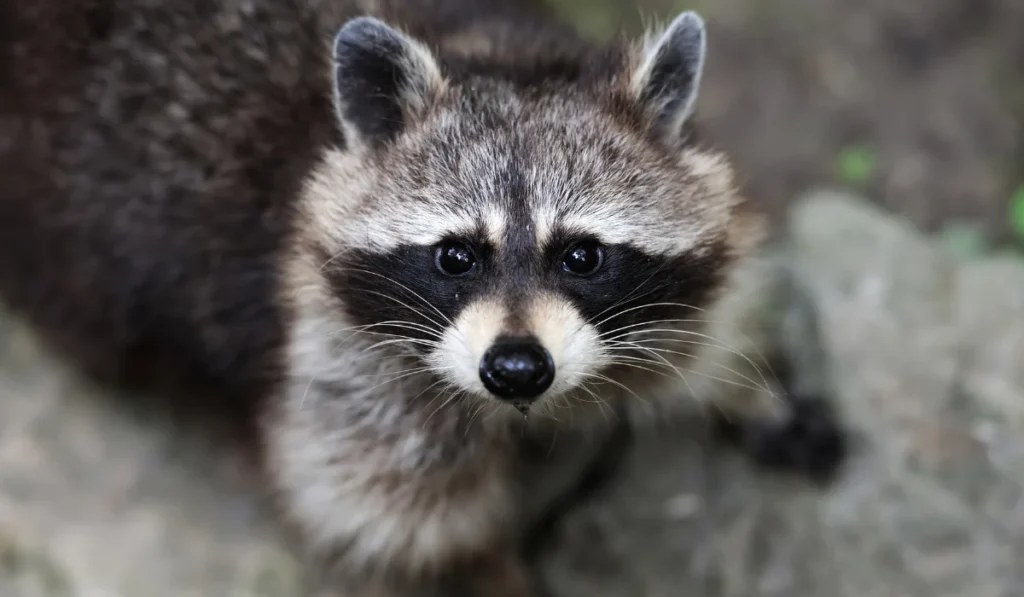
Many wild animals leave clear signs. Raccoons have ringed tails and masked faces. Skunks stand out because of their black-and-white coloring. Coyotes look like lean dogs with pointed ears. Bobcats are smaller than most people expect. They have short tails and spotted fur.
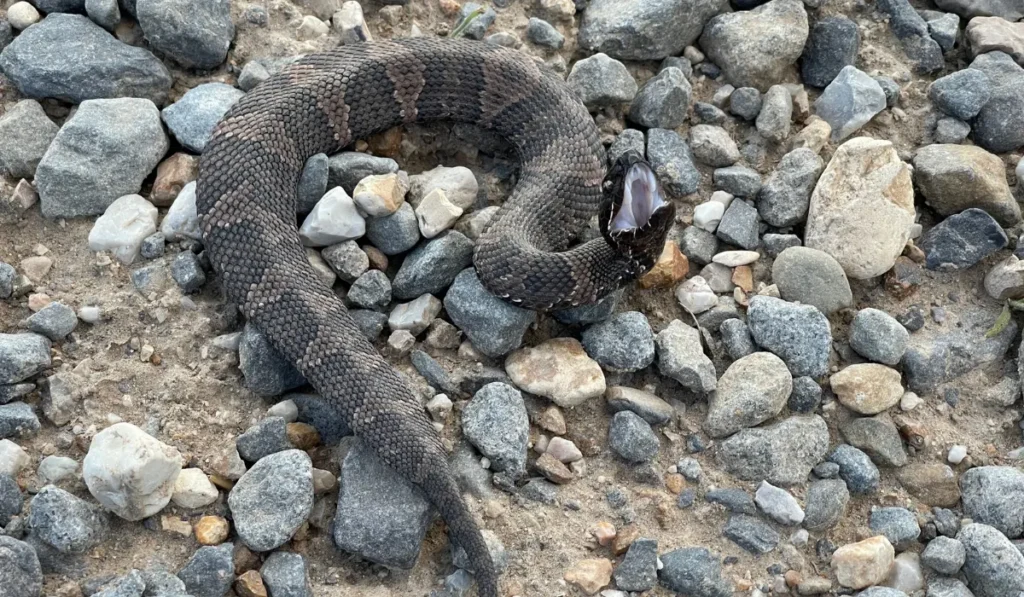
Groundhog activity often includes large burrows near foundations or sheds. Reptiles and amphibians also appear across Middle Tennessee. You may see a copperhead with an hourglass pattern or spot salamanders near damp areas. Amphibians prefer shaded areas near water, while reptiles stay active during warm weather.
Behavioral Identification Traits
Behavior also provides clues. Opossums move slowly and may play dead when threatened. Gray foxes are active at dawn or dusk and can climb fences. Muskrat activity often appears near ponds or drainage areas. Migratory birds arrive seasonally and may nest near roofs or eaves.
Black bears are rare but possible in outer areas connected to Appalachian corridors. Most sightings involve brief movement through the area rather than extended stays near homes.
Where You’re Most Likely To See Them In Nashville, TN
In the Nashville area, wildlife appears near greenways, wetlands, and wooded lots. Attics, crawl spaces, decks, and chimneys attract animals seeking shelter. Outdoor trash bins, pet food, and gardens also attract wildlife.
When wildlife activity becomes frequent or disruptive, we offer wildlife removal services for Nashville homes. Our team can identify the animal and guide the next steps before the damage worsens.
What Causes Wildlife Problems In Nashville, TN?
Wildlife problems in Nashville, TN, result from climate conditions, home construction, food availability, and environmental changes that support animal survival.
The state of Tennessee has mild winters and long warm seasons, especially in Middle Tennessee. Rivers, wetlands, and wooded parks create natural travel routes for animals. As habitats change, urban growth pushes wildlife into neighborhoods.
Homes in Davidson County often include crawl spaces, attic vents, and rooflines that offer shelter. Dense shrubs, woodpiles, and fallen leaves create hiding areas. Unsecured trash, pet food, and bird feeders increase wildlife activity.
Seasonal changes also affect behavior. Spring brings breeding activity for skunks, raccoons, and opossums. Fall drives animals to search for warm shelter. While sightings may seem sudden, wildlife activity usually follows predictable seasonal patterns.
At Waynes Pest Control, we help homeowners address the root causes of wildlife issues by focusing on exclusion, habitat modification, and long-term prevention tailored to Tennessee homes.
How Do You Treat Wildlife Issues In Your Nashville, TN Home?
Wildlife treatment in Nashville, TN, depends on the type of animal, the level of activity, and the location of the problem. Some issues respond to early prevention, while others require professional support to ensure safety and compliance with Tennessee wildlife laws. The goal is to protect your home while respecting local ecosystems.
DIY Treatment Options
Homeowners in Middle Tennessee can take early steps such as sealing small exterior gaps, installing chimney caps, and using motion-activated lighting. Removing attractants like open trash, pet food, and fallen fruit often reduces wildlife activity.
DIY steps work best for prevention or early signs, such as tracks near the foundation or brief yard visits. Once animals nest in attics, walls, or crawl spaces, these methods rarely resolve the problem on their own.
Larger animals such as raccoons, groundhogs, or skunks can cause serious injury or property damage if handled. Reptiles appear less often near homes, but any alligator sighting, while extremely rare in Tennessee, should never be approached.
Professional Treatment Options
Professional wildlife services start with a detailed inspection and accurate species identification. Our trained technicians use humane removal methods that follow wildlife conservation standards and protect local species.
Safe and effective wildlife control solutions include thorough inspections, humane removal, proper exclusion repairs, and long-term prevention strategies designed for Tennessee homes. These approaches address current wildlife activity while reducing the chances of future issues.
Professionals also understand laws that protect endangered species and may work with wildlife rehabilitation groups when animals are injured or displaced. This approach supports healthy ecosystems while resolving homeowner concerns.
We provide wildlife services throughout the Nashville area, focusing on long-term protection for homes and responsible wildlife management.
Should I Call A Professional For Wildlife In Nashville, TN?
You should call a professional when wildlife activity becomes frequent, spreads to multiple areas of the home, or raises health and safety concerns. Scratching sounds in walls or attics, visible droppings, damaged insulation, or aggressive behavior all indicate a higher-risk situation that you should not handle alone.
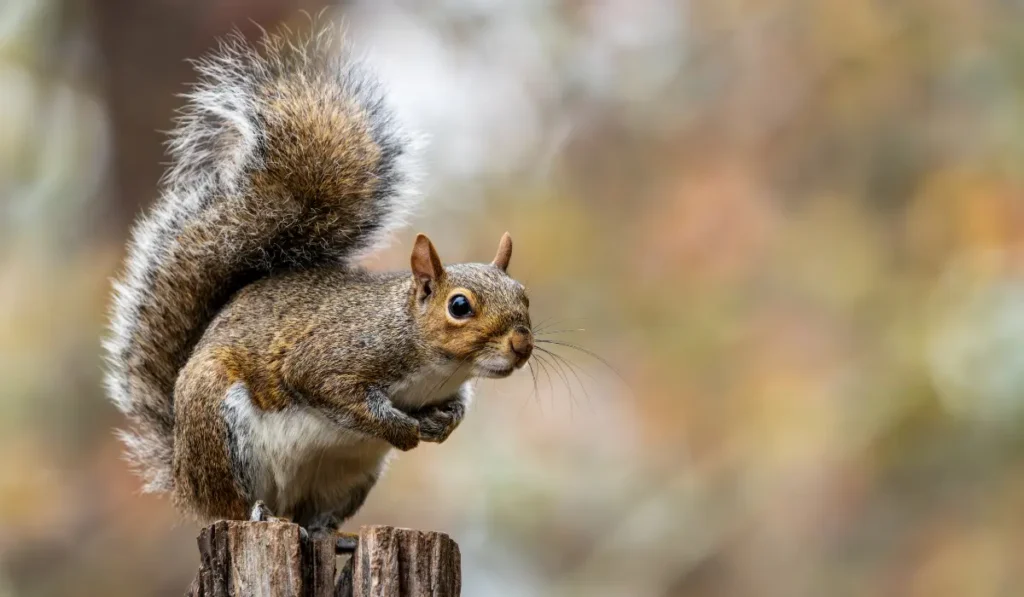
One way to tell if you have raccoons or squirrels in your home is by hearing unusual noises in your attic or walls, especially at night or early in the morning.
Wild animals can introduce health risks that are not always obvious at first. Raccoons and skunks can carry parasites, such as raccoon roundworm, and bacteria, including Leptospirosis, that spread through droppings, urine, or contaminated insulation.
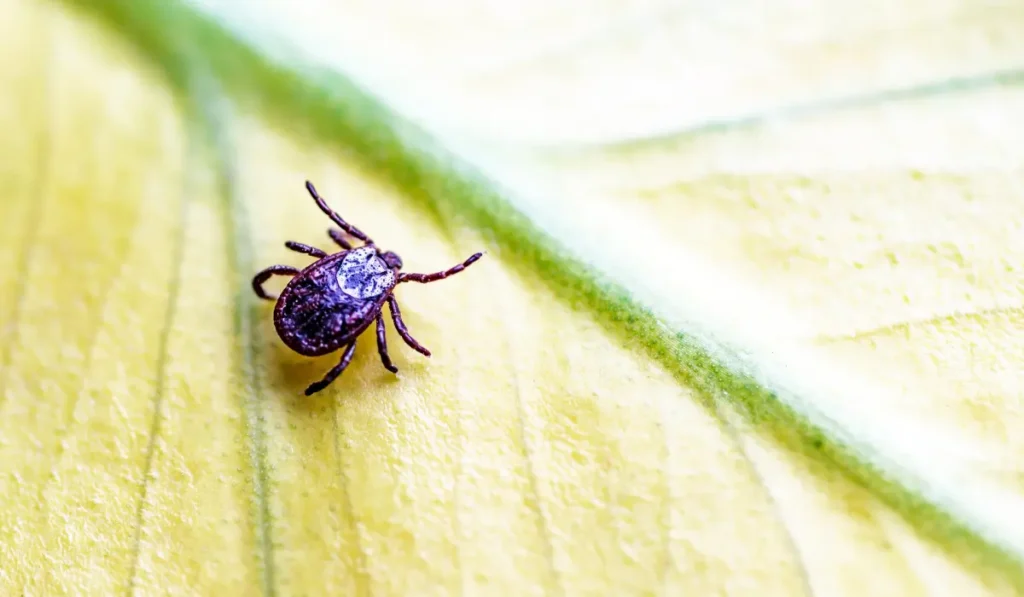
Opossums and rodents may attract fleas or ticks that move into living spaces. Snake species such as a copperhead pose a direct bite risk, especially in crawl spaces, garages, or yards where visibility is low.
Repeated sightings often indicate nesting or denning nearby, increasing long-term exposure. Poor air quality from contaminated insulation, odors from waste buildup, and the risk of bites or scratches all make professional help the safer choice.
Making The Right Wildlife Decision For Your Nashville, TN Home
Wildlife activity can change quickly, and even minor issues can escalate if left unchecked. Having a clear plan helps homeowners respond with confidence instead of guesswork.
At Waynes Pest Control, we support Middle Tennessee homeowners with wildlife services focused on safety, care, and long-term results.
Contact us today to schedule an inspection and take the next step toward protecting your home.
FAQs
Are wild animals active year-round in Nashville, TN?
Yes, many wild animals stay active year-round in Nashville, TN. Mild winters in middle Tennessee allow species such as raccoons, opossums, and skunks to remain active, though activity levels peak in spring and fall.
How do I know which wildlife is causing issues at my Nashville home?
Signs like tracks, noises, droppings, or damage help identify wildlife in Nashville, TN. Location matters too. Attic noises often point to raccoons or squirrels, while yard burrows may indicate groundhog activity.
What is the fastest way to handle wildlife problems in Nashville, TN?
The fastest way is to have a professional inspection by a local service familiar with Davidson County wildlife. Waynes Pest Control helps Nashville homeowners identify the animal quickly and apply safe, long-term solutions.