
Insights, Tips, and Tales

How To Prevent Asian Lady Beetle Infestations In Columbus, MS

White mosquito silhouette with a dashed curved flight path on a green background

How To Prevent Asian Lady Beetle Infestations In Columbus, MS

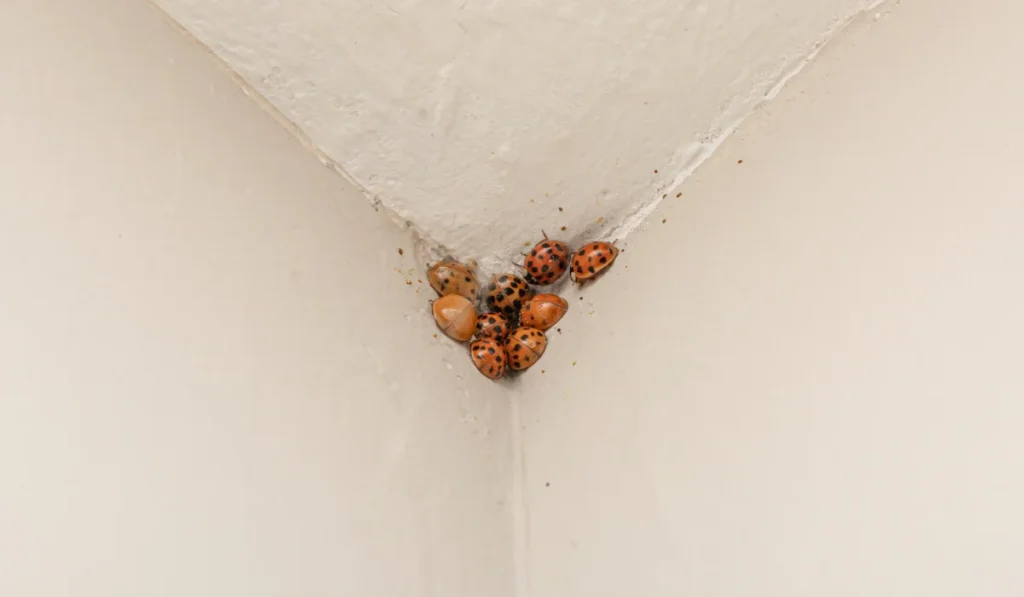
A cluster of Asian lady beetles in the corner of a ceiling and wall When fall arrives in Columbus, MS, many homeowners see Asian lady beetles gathering on warm siding and window frames. They cluster in large numbers, slip into small cracks, and move into homes for the winter. These insects seek dry, warm shelter, especially in cracks and crevices, attics, and other empty spaces inside walls. Knowing how to tell them apart from native ladybugs and how they behave can help you prevent Asian lady beetle infestations in Columbus. In this guide, we explain why Asian lady beetles show up in your home, how to block common entry points, what steps you can take to lower activity, and when to call Waynes Pest Control for local help.

Key Takeaways

Protection Calendar · Asian lady beetlesColumbus, MS

Asian lady beetle season in Columbus, MS

Tracks when Asian lady beetles leave summer habitats and push into homes seeking warmth for the winter. Darker shields mean heavier activity.

J
F
M
A
M
J
J
A
S
O
N
D
Peak: Oct–Nov, mass aggregation on sun-warmed structures as temperatures drop
Off Jan–AugLow Sep, DecPeak Oct–Nov
Waynes builds year-round protection across the Southeast, backed by 50 years and the EPA Pesticide Environmental Stewardship Program. Every little thing matters. A LOT.
  • Asian lady beetles gather on sunny walls, then slip indoors through small gaps to overwinter.
  • Sealing cracks, improving weatherstripping, and closing utility openings help reduce infestations.
  • Indoor removal works best with careful vacuuming, not crushing or indoor sprays.
  • Seasonal Fall Invader treatments from Waynes Pest Control provide dependable protection for Columbus homes.

Understanding Asian Lady Beetles In Columbus

Asian lady beetles resemble native ladybugs, but they vary in color and often have black spots and an M-shaped marking near the head. They release a strong odor and a yellow fluid when disturbed, and this fluid leaves stains on indoor surfaces. They mainly try to survive through the cold months. Still, the smell, stains, and large number of insects can be very frustrating for homeowners. If you are unsure whether you are seeing Asian lady beetles or native ladybugs, our field professional can check them on site and identify them. Our technician can also explain which conditions around your home attract these insects and how basic pest management practices can limit their activity. At Waynes Pest Control, we offer an Asian lady beetle control service for Columbus, MS homes to help stop them from returning.

Where Asian Lady Beetles Sneak Inside

The U.S. Department of Agriculture introduced these insects as predators of aphids and scale insects to help farmers. Over time, they became known as an invasive species because they gather on sunlit, light-colored surfaces and then move indoors in the fall. Once inside, they rest in dry areas through the winter. This pattern makes many Columbus homes easy targets in the fall:
  • gaps around windows and door frames
  • loose siding or trim
  • openings under soffits
  • cracks around utility lines
  • small breaks in caulk or sealant
  • attic vents with damaged screens
Once beetles find an opening, they crawl into wall voids, attics, and hidden corners where they remain for months. Unusual fall invaders, including stink bugs and boxelder bugs, use these same pathways. Because these openings are often tiny, many homeowners don’t realize how easily the insects get inside. Even a gap the width of a pencil can allow hundreds of beetles to enter.

Sealing Your Home Against Fall Invaders

Closing minor entry points helps prevent an Asian lady beetle infestation. These steps work well as part of a DIY plan, especially before fall temperatures drop.
  • Use Caulk On Cracks Apply caulk around window trim, siding edges, and door frames. Caulk seals the narrow openings that beetles squeeze through.
  • Improve Weather Stripping Doors with worn weather stripping often have tiny gaps along the bottom or sides. Replace worn material to block airflow and keep insects out.
  • Check Soffits And Vents Loose soffits, roofline openings, and torn vent screens are common hiding places. Repair or tighten these areas to prevent entry.
  • Seal Utility Line Openings Cable, internet, and HVAC lines often leave small gaps where they enter the home. Filling these openings prevents insects from slipping inside.
These improvements help reduce activity, but even well-sealed homes can still attract fall invaders in a bad fall season. At Waynes Pest Control, we can apply targeted treatments around areas where pests typically gather, so these treatments form a protective barrier.

Why Indoors Feels Safe To Asian Lady Beetles

Asian lady beetles do not come inside to feed on food scraps or cause damage. Instead, they enter homes for one purpose: overwintering. They prefer warm, dry, undisturbed spaces where they can stay until spring. Common indoor hiding areas include:
  • upper corners of rooms
  • areas behind trim
  • quiet attic spaces
  •  storage rooms 
  • the upper parts of the windows
They also release pheromones that attract more beetles to the same location, which explains why a few insects often turn into dozens or hundreds over a few days.

The Right Way To Remove Asian Lady Beetles Indoors

If beetles are already inside, the safest removal method is gentle vacuuming. Avoid crushing them because they release a yellowish fluid that stains walls and fabrics. A lined vacuum bag makes disposal easier. Here are the safest ways to remove them:
  • Use a vacuum instead of sprays Indoor insecticides are not effective because these insects hide in tight spaces. Sprays also push them deeper into the home.
  • Use light traps with caution Some homeowners try light traps, but these can attract beetles from other parts of the house and make them more active.
  • Avoid DIY methods that rely on strong odors Asian lady beetles respond more to warmth and pheromones than to unpleasant smells, so odor-based DIY methods rarely work.
When beetles gather in high spots or form tight groups, our trained exterminator can help remove them and apply preventive measures outside your home.

Outdoor Conditions That Bring Asian Lady Beetles To Columbus Homes

Asian lady beetles gather outdoors long before they enter a home. Knowing what draws them to your siding helps you reduce activity around your property. They are attracted to:
  • sunny, light-colored walls
  • warm siding
  • open fields and wooded areas nearby
  • structures with lots of south-facing surfaces
They also gather in areas where other insects are present, such as spots with aphids, scale insects, or other insect pests. Outdoor lighting can also attract flying insects, which sometimes draw Asian lady beetles toward homes. Keeping outdoor lighting low or using warmer bulbs can help reduce the number of insects drawn to your home. If your home is repeatedly infested with beetles each fall, we can set up a Fall Invader plan to keep the population from congregating on your siding.

When To Call A Pest Control Professional

DIY steps help, but they may not handle a full infestation, especially when beetles already return to your home every fall. Our trained technician can spot entry points, treat high-activity areas, and build a long-term plan. If you want help keeping Asian lady beetles out of your Columbus home, we offer seasonal protection and year-round pest control services.

Making The Right Choice For Your Columbus Home

Asian lady beetles can make fall stressful when they gather around your home or keep returning year after year. If the activity around your home feels unpredictable or keeps getting worse, our team at Waynes Pest Control can help with a tailored plan designed for your property and local conditions in Columbus. Our approach provides steady support during the times of year when these insects are most active. Contact us today to schedule your visit.

FAQs

Why do Asian lady beetles gather on Columbus homes in the fall?

They look for warm surfaces and small cracks as outdoor temperatures drop. Columbus has long fall seasons that encourage this behavior. Once they find a gap, they move into wall spaces to overwinter.

Can Asian lady beetles harm my home?

They do not damage wood like termite species, but they leave stains and can trigger allergic reactions in sensitive people. When they gather in large groups, they become difficult to remove without help.

What is the best way to keep Asian lady beetles out of my Columbus home?

Seal gaps with caulk, improve weather stripping, and check areas around siding and utility lines. For strong seasonal activity, fall treatments from Waynes Pest Control provide the most dependable protection.

Rebecca Wood

Waynes has been serving customers since 1973. We have grown over the decades through a commitment to providing a world-class experience for our customers. We believe that if our employees are happy and fulfilled, they will go above and beyond in delighting our customers.

Latest from Waynes Blog

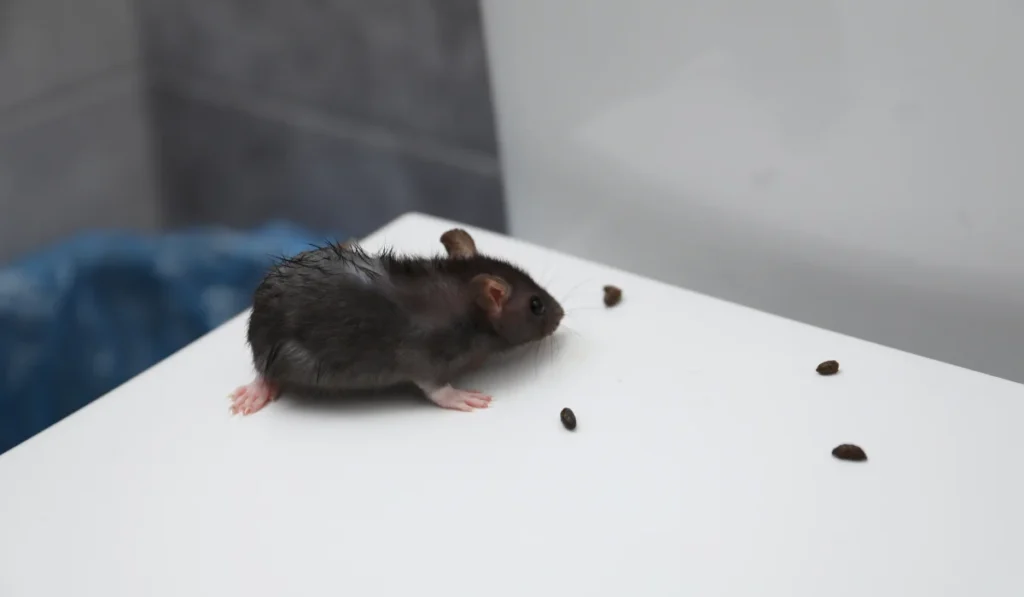
Small dark rodent on a toilet lid next to several small mouse droppings

What Mouse Poop Reveals About the Size of Your Mouse Problem

Finding mouse poop in a pantry, drawer, attic, or garage is a clear sign that a mouse has been active in your home. What the droppings cannot do is give you an exact mouse count. A single mouse may visit the same spot repeatedly, while several mice may leave smaller amounts across different rooms. The…

Learn More >

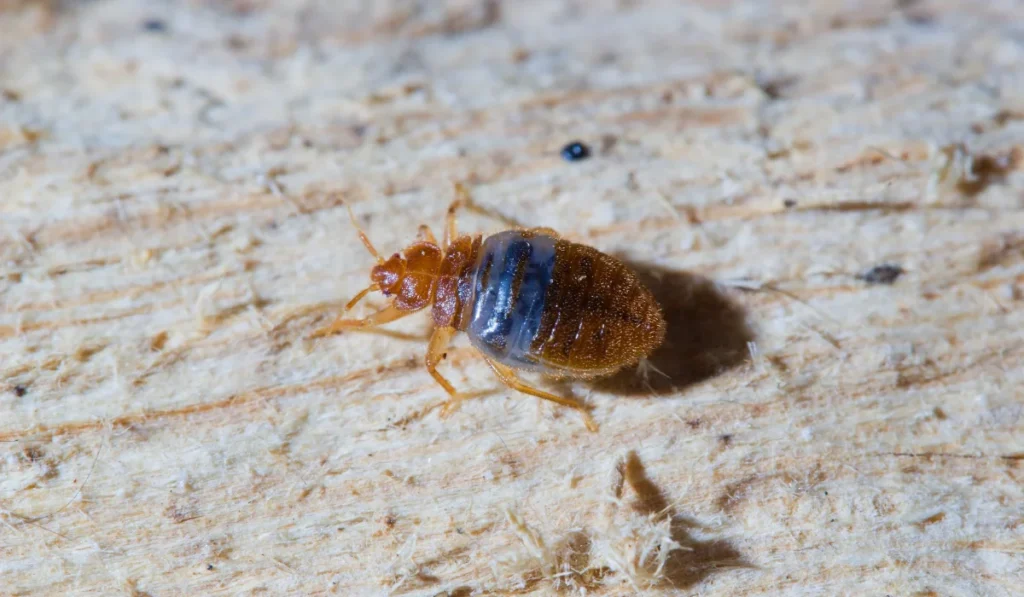
Small reddish-brown bat bug with pale striped abdomen resting on rough wood surface

Bat Bugs Look Almost Exactly Like Bed Bugs and That Matters

You find a small, flat, reddish-brown bug near an upstairs bedroom and assume you have bed bugs. That conclusion makes sense, but it may be wrong. Bat bugs look so much like bed bugs that a phone photo often cannot show the differences clearly. Bat bugs usually begin near bats roosting in attics, chimneys, soffits,…

Learn More >

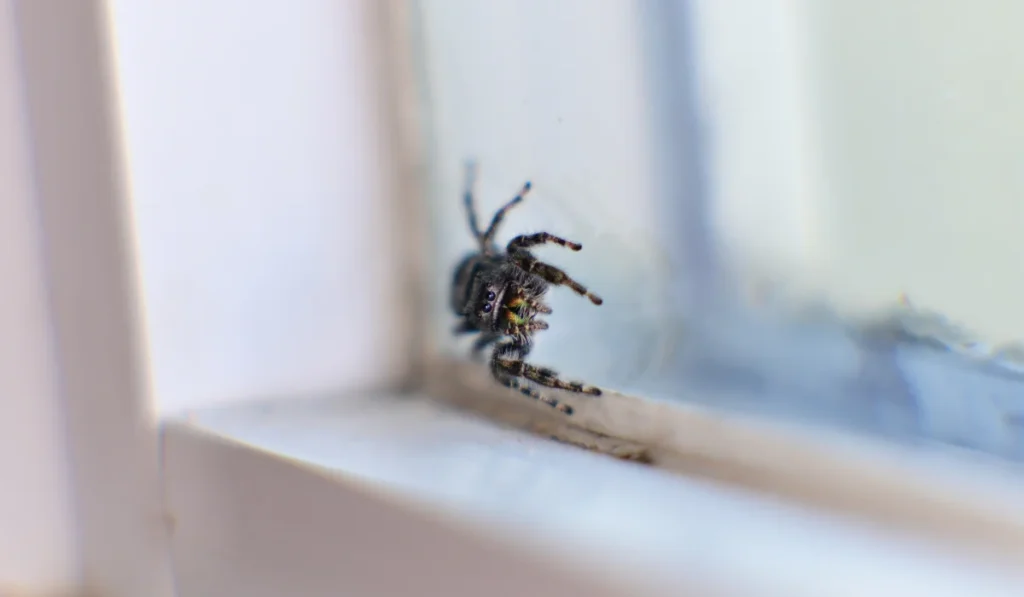
bold jumping spiders on a window

Black Spiders in Ohio That Are Not Black Widows

Finding a dark spider in your basement, garage, or near a window can immediately raise one question: Is it a black widow? Black widows do occur in Ohio, but they are not the only spiders that can look black or nearly black. Ohio State University’s Common Spiders of Ohio field guide covers hundreds of spider…

Learn More >

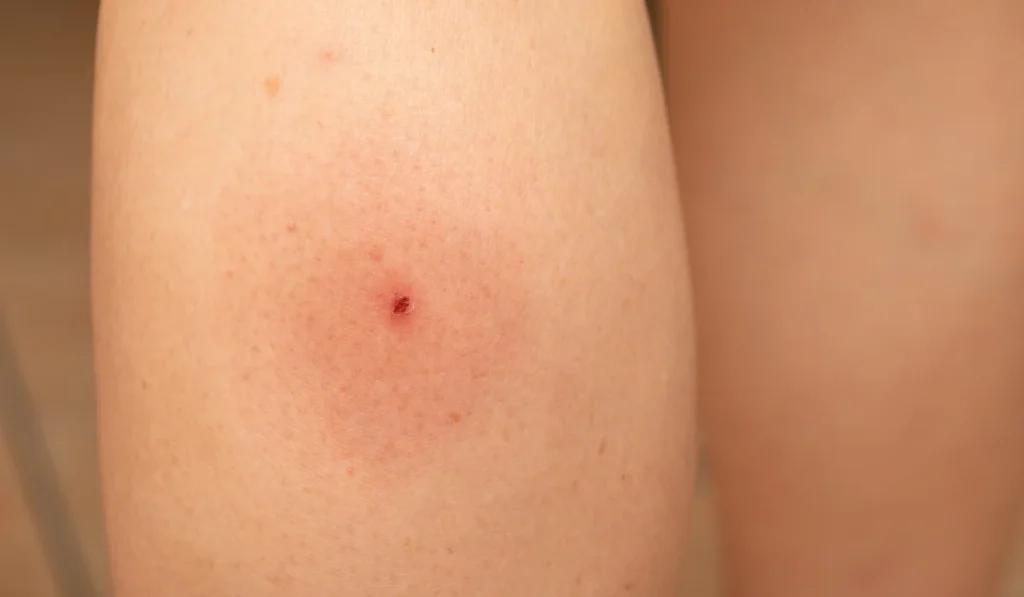
Close-up of an inflamed tick bite showing redness and a small wound, highlighting the skin irritation caused by the insect

What a Tick Bite Mark Looks Like Days After the Tick Drops Off

You may notice a red spot after working in the yard, walking through tall grass, or checking your skin after a hike. When the tick is already gone, the mark can be difficult to interpret. A tick bite mark after tick falls off may be a small bump, a pinpoint scab, or a limited patch…

Learn More >

Scared Woman Spraying with Insecticide a Huge Spider Girl suffering from arachnophobia fighting domestic pests

Spider Repellent Works Differently Than the Label Suggests

You apply spider repellent along the baseboards, around the garage, or near a porch light. A few days later, another spider appears. The product may still be working in the area where you used it, but it may not be doing what you expected throughout the rest of the home. Many homeowners picture spider repellent…

Learn More >

Close-up of a brown recluse spider inside a cylindrical structure. The spider’s light brown body, long legs, and detailed cephalothorax are clearly visible. (1)

Venomous Spiders in Tennessee Come Down to Just Two Names

Finding a spider in a closet, garage, crawl space, or storage box can raise an immediate question: Is it dangerous? When homeowners search for venomous spiders in Tennessee, they are usually trying to identify one of two medically significant spider groups, brown recluses and black widows. Most spiders use venom to subdue prey, but that…

Learn More >

Close-up of a small pale-brown booklouse with wings and long antennae on a white surface

Booklice Thrive in Humid Southern Homes and They Are Not Lice

You may first notice booklice as tiny pale specks moving across a bathroom wall, pantry shelf, windowsill, or stack of stored books. Their name sounds alarming, but these insects are not the lice that live on people. Booklice are psocids, and they usually appear where moisture supports microscopic mold or other organic material they can…

Learn More >

Small brown mouse emerging from a crevice in garden debris near a house foundation

Mice Are Nocturnal so Seeing One at Noon Is a Bad Sign

Seeing a mouse during the day deserves your attention because house mice are primarily nocturnal. They usually move around when a home is quieter, so a mouse crossing your kitchen, hallway, or living room at noon falls outside the activity pattern you would expect. Still, one daytime sighting does not prove that a large mouse…

Learn More >

Repairs to a weatherboard house. A rotten weatherboard has been removed exposing a rats nest made of dry grass and vegetation between the wooden uprights.

Finding a Rat Nest Means the Family Moved In Weeks Ago

Finding a rat nest in your attic, garage, crawl space, or storage area can make the problem feel sudden. It usually is not. By the time rats have chosen a sheltered location and gathered nesting material, they have already found a way into or around your home and started using the property regularly. A rat…

Learn More >

Scroll to Top