
Insights, Tips, and Tales

How To Get Rid Of Asian Lady Beetle In Columbus, MS

White mosquito silhouette with a dashed curved flight path on a green background

How To Get Rid Of Asian Lady Beetle In Columbus, MS

Asian Ladybeetles congregating in large numbers A sunny fall day in Columbus can change fast when orange ‘ladybugs’ cover windows and porches. By afternoon, clusters form on light siding, and some sneak inside through doors and vents. If this sounds familiar, you may need asian lady beetle control in Columbus, MS, before the problem spreads. These orange bugs are Asian lady beetles. They gather on sunny walls and crawl into small gaps to stay warm in winter. That’s why you still see them after warm days in Columbus neighborhoods. If Asian lady beetles keep showing up in your Columbus home, you are not alone. This guide explains how to get rid of Asian lady beetles, seal entry points, determine the best timing in Columbus, and know when to call a pest control pro for lasting results.

Key Takeaways

Protection Calendar · Asian lady beetlesColumbus, MS

Asian lady beetle season in Columbus, MS

Tracks when Asian lady beetles leave summer habitats and push into homes seeking warmth for the winter. Darker shields mean heavier activity.

J
F
M
A
M
J
J
A
S
O
N
D
Peak: Oct–Nov, mass aggregation on sun-warmed structures as temperatures drop
Off Jan–AugLow Sep, DecPeak Oct–Nov
Waynes builds year-round protection across the Southeast, backed by 50 years and the EPA Pesticide Environmental Stewardship Program. Every little thing matters. A LOT.
  • Confirm the pest; avoid crushing to stop yellow stains and odor.
  • Seal cracks early with caulk and new weatherstripping before fall flights.
  • Use light traps and regular vacuuming for indoor cleanup.
  • Ask Waynes about Asian lady beetle control for Columbus homes.

Identification: Asian Lady Beetles Versus Ladybugs

To get rid of Asian lady beetles fast, you first need to know how to spot them. Asian lady beetles range from pale orange to dark red. Some have many black spots; others have none. Look for a dark “M” mark behind the head. Watch how they act. These beetles crowd on sunny, light walls and crawl into cracks near soffits, trim, and doors. When handled, they release a foul-smelling yellow fluid. Native ladybugs usually stay outdoors on plants and don’t try to overwinter inside. If you’re unsure what you’re seeing, our team can confirm the species and create a pest plan for your Columbus home.

Why They Target Columbus Homes

Asian lady beetles are an invasive species that seek warm shelter as days shorten. South- and west-facing walls near the Tenn-Tom Waterway warm up fast, drawing beetles before winter. They hide in wall voids, attics, and crawl spaces. Historic homes downtown and newer builds near Lake Lowndes all offer entry points. Outside, they eat aphids, scale insects, and other garden pests, which helps keep gardens healthy. Inside, their large numbers, smell, and stains are a nuisance. On mild winter afternoons, overwintering beetles wake up and head toward windows. That’s why you see them even in January. If fall clustering is a yearly headache, our seasonal prevention program for Columbus homes, paired with careful insecticide use when needed, can make a big difference.

DIY Removal: Gentle, Low-Mess Methods

If only a few beetles show up, start by vacuuming. Use the hose to collect them from windows and ceilings. Empty the vacuum outside so they don’t crawl out again. Don’t crush them, or they’ll stain paint and fabric and leave a bad smell. Use light traps in problem rooms at night. Keep them away from beds and reset after warm afternoons. If you see larvae outside, leave them alone; they eat aphids. Focus on cleaning and sealing indoors instead. If beetles keep coming back, or you think some are hiding in walls, we can help with effective pest management to reduce them and block new ones from entering.

Seal And Exclude: Close Entry Points Before Fall

The best long-term fix is sealing. Entry points are how beetles get inside, so block them early. Check the sunny sides of your house: around window trim, siding joints, cables, and pipes. Seal gaps with outdoor caulk and replace worn weatherstripping on doors. Fix window screens. Patch small holes and make sure frames fit tightly. Check higher areas too. Seal attic openings, soffits, and gables. Even tiny cracks can let many beetles in. A weekend of sealing can stop beetle sightings for months and prevent an infestation. If your home needs a full inspection, we provide sealing and prevention timed for Columbus fall activity.

Local Timing: Month-By-Month In The Golden Triangle

In Columbus, beetles start clustering on sunny walls in September. Seal and protect your home in October and early November. When winter warms up, expect to see a few near windows. That’s normal and not a new infestation. By spring, the last beetles try to get out. If you still see many in March, some may be hiding in attics or behind trim. 

Outdoor Adjustments: Make Your Columbus Home Less Attractive

You can reduce the number of beetles by making your house less inviting. Wash light-colored walls, trim shrubs away from siding, and fix loose panels or gaps near bricks. These steps also help stop boxelder bugs and stink bugs that enter the same way. Focus on the house, not the garden, since beetles eat aphids and other food sources outside. Check attic vents for holes and seal gaps near porch lights where heat builds up. At Waynes Pest Control, we offer exterior pest plans that handle fall bugs together for better protection in Columbus.

When It Becomes An Indoor Problem

If beetles come out of ceiling lights, attic doors, or baseboards, you may have a lady beetle infestation in the walls. At that point, traps and vacuuming only help on the surface. Professional pest control services target your home’s structure at the right time and include needed repairs. The result is fewer beetles inside each year, even when many gather outdoors, and fewer surprises on warm winter days.

Asian Lady Beetles Versus Other Fall Invaders

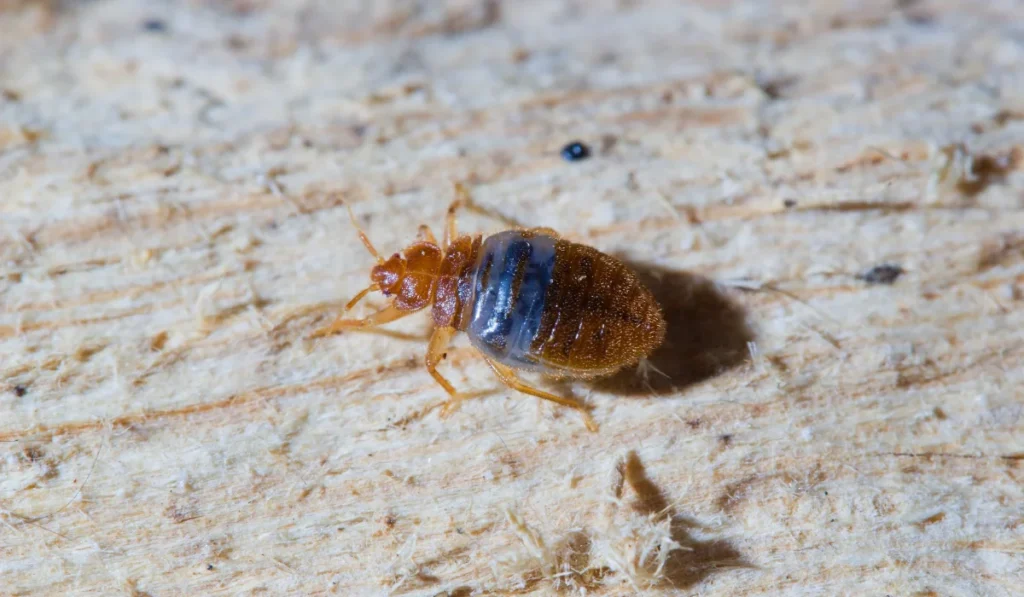
Asian lady beetles are oval and dome-shaped, while stink bugs look like little shields, and boxelder bugs are black with red edges. Beetles may nip, but they are not cockroaches and do not behave like roaches indoors. You may also see a stray bed bug after travel, but that needs different steps. Identifying what is at your windows can help you prepare effectively for unusual fall invaders. The good news is that sealing and exterior prevention cut all three common fall invaders at once.

When To Call A Pro In Columbus

Call a pest pro or licensed exterminator if you see hundreds of beetles, if they keep coming back after sealing, or if stains keep appearing. Professionals treat siding, soffits, and rooflines safely, so you don’t have to climb ladders or guess the timing. Our seasonal service in Columbus targets beetles, stink bugs, and boxelder bugs. It lowers outdoor pressure and blocks their paths inside. Year-round plans are also available.

Making The Right Choice For Your Columbus Home

Asian lady beetles can be frustrating, but a few simple habits can keep them out. Identify the pest, clean gently indoors, and seal small gaps before fall. Stay consistent each season to keep your home beetle-free. At Waynes Pest Control, we provide Fall Invader service for Columbus homeowners seeking lasting protection against fall invaders. Need help managing Asian lady beetles in your Columbus home? Contact us today for expert guidance and a free quote.

FAQs

How can I tell it is the multicolored Asian lady beetle in Columbus?

Look for a variable orange-to-red color, the “M” mark behind the head, and black spots, which may be many or none. In Columbus, they gather on sunny, light-colored walls in the fall, then slip indoors through minor entry points to overwinter. If unsure, we can confirm the species on-site.

What is the fastest safe fix for a Columbus home?

Use a vacuum hose to collect beetles around windows and ceilings. Empty the vacuum outside and set small light traps at night. Plan sealing work after warm days to close entry points before the next wave.

When should Columbus homeowners call a pro?

If beetles emerge from can lights, attic doors, or baseboards after sunny winter afternoons, you likely have an infestation in wall voids. That is the time to schedule pest control so the exterior envelope and key gaps get addressed together, and so future fall migrations do not settle inside.

Rebecca Wood

Waynes has been serving customers since 1973. We have grown over the decades through a commitment to providing a world-class experience for our customers. We believe that if our employees are happy and fulfilled, they will go above and beyond in delighting our customers.

Latest from Waynes Blog

Aedes Mosquitoes

Florida Mosquitoes: Species, Season, and Bites

Florida mosquitoes are more than a backyard annoyance. They can make patios, pools, porches, and coastal yards difficult to enjoy, and some species can spread disease.  Florida has many mosquito species, but homeowners usually need to focus on a few practical questions: where they are breeding, when they are most active, and why they keep…

Learn More >

Mole crab, sand crab, sand flea

Sand Fleas in Florida: ID, Bites, and Season

Sand fleas in Florida can mean two different things, and that is where most of the confusion starts. At the beach, “sand fleas” often refers to mole crabs, small crustaceans that live in the surf zone and are not household fleas.  When people talk about itchy bites near beaches, marshes, patios, or coastal yards, they…

Learn More >

ants around window

Common Florida Insects: How to Identify Them

A Florida insect problem can look different from house to house. One home may deal with ants in the kitchen, another may see roaches in the garage, and another may notice termites, mosquitoes, fleas, or bed bugs.  Florida’s warm, humid climate can keep many pests active for long stretches of the year, so identification matters….

Learn More >

Palmetto Bug

Palmetto Bugs in Florida: What They Are and Why

The name “palmetto bug” does not refer to a single specific species. In Florida, it is a general term used for several large outdoor cockroaches, including the American and smokybrown cockroaches.  Although these animals normally live outside, they can find their way into homes, storage areas, crawl spaces, garages, and patios. They are naturally drawn…

Learn More >

stink bug

Stink Bugs in Florida: Identification and Season

A stink bug in Florida is usually easy to recognize by its shield-shaped body and the odor it releases when disturbed. Some stink bugs feed on plants outdoors, while others may gather on walls, windows, doors, attics, and other protected areas when they look for shelter.  Most stink bugs are nuisance pests inside homes rather…

Learn More >

Florida Wood Cockroach

Florida Wood Cockroach: Identification and Habits

Homeowners can be easily startled by the Florida wood cockroach, a large outdoor roach that frequently appears near mulch beds, patios, sheds, garages, or storage areas. This species typically resides outdoors in damp, protected environments filled with decomposing vegetation. Although it doesn’t cause a kitchen infestation typical of German cockroaches, it can still become a…

Learn More >

Termites in Florida: Types, Signs, and Season

Because warm weather, moisture, and wood-to-soil contact create the ideal conditions for their survival, termites are a year-round concern in Florida. Some termites live underground and enter homes through tiny gaps. Others live inside dry wood and may stay hidden until wings, droppings, or damaged wood appear.  Florida homeowners should be familiar with the main…

Learn More >

armadillo

Armadillos in Florida: Signs, Damage, and Behavior

An armadillo in Florida can leave lawns, garden beds, and mulched areas covered with shallow holes almost overnight. These armored mammals dig while searching for insects, larvae, worms, and other soil-dwelling invertebrates. Although most armadillo activity starts outdoors, their rooting and burrowing can affect flower beds, vegetable gardens, patios, walkways, sheds, and areas near the…

Learn More >

Cottonmouth

Cottonmouths in Florida: How to Identify and Stay Safe

Closely tied to aquatic environments, the cottonmouth in Florida is a venomous snake that must be treated with caution and left undisturbed. It can also show up near yards, sheds, drainage areas, and waterfront properties when food, shelter, or water are nearby.  The safest rule is simple: do not handle or corner a snake you…

Learn More >

Scroll to Top