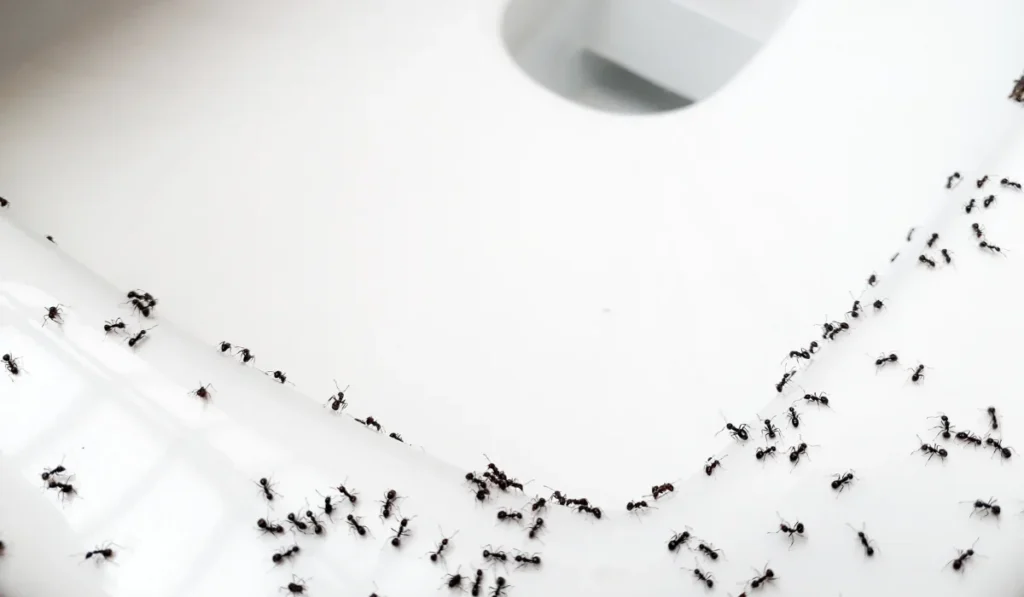
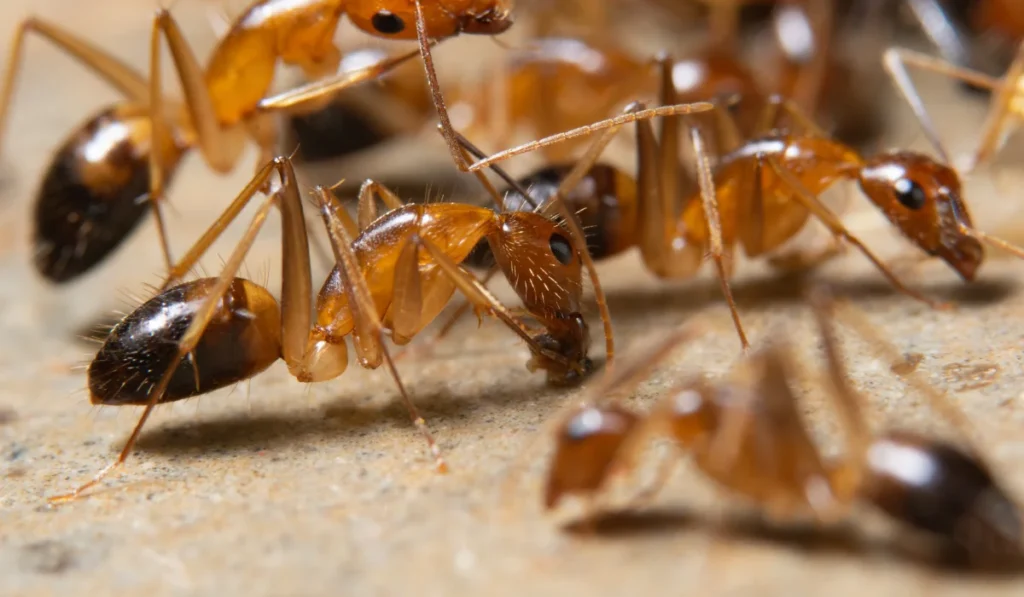
Ghost ants in Florida are easy to overlook at first. Their tiny size and pale coloring can make them difficult to see, yet homeowners may notice them repeatedly around sinks, counters, cabinets, and other places where food or moisture is available. Knowing how to identify ghost ants, where they may be nesting, and why their trails keep returning can help you respond more effectively and recognize when professional ant control may be needed.
What Do Ghost Ants in Florida Look Like?
Ghost ants are scientifically known as Tapinoma melanocephalum. University of Florida IFAS Extension entomology resources describe them as very small ants with a dark head and thorax and a much lighter abdomen and legs. The pale portions of the body can be difficult to see against light-colored counters, sinks, tile, and walls, which helps explain their common name.
Their coloring is a useful identification clue, but appearance alone may not be enough to confirm the species. Several small ants can enter Florida homes, and a fast-moving ant is difficult to examine closely. When possible, note where the ants are traveling, where the trail begins and ends, and which rooms have the most activity.
A clear close-up photo can also help with identification. If you are unsure what type of ant you are seeing, confirming the species before choosing a control approach can prevent you from focusing on the wrong behavior or nesting pattern.
Ghost Ants Versus Other Tiny Household Ants
Ghost ants are not the only small ants that may appear indoors. Pharaoh ants and odorous house ants can also become household pests. You may also hear people use “sugar ants” as a general name for small ants found around sweet foods, but that term does not identify a specific species.
The difference matters because ant species do not all nest, forage, or spread through a structure in the same way. If tiny ants keep returning to your kitchen or bathroom, identification should come before assumptions about what is causing the problem.
Why Do Ghost Ants Show Up Around Florida Homes?
Ghost ants can nest in protected locations indoors and outdoors. Around Florida Panhandle homes, workers may move between sheltered nesting areas and places that provide food or moisture, bringing them into kitchens, bathrooms, utility spaces, and other parts of the house.
Kitchens can be especially attractive because they combine several resources in a small area. Crumbs, sweet residue, drink spills, pet food, sinks, and plumbing areas can all support foraging activity. Bathrooms and utility areas may offer moisture even when little food is available.
Outside, ghost ants may use protected vegetation, potted plants, and sheltered materials around the property. When these areas are close to the structure, workers can move between outdoor nesting sites and indoor resources.
Finding ghost ants does not mean a home is poorly maintained. Their small size allows them to use limited food and moisture sources that may be easy to miss during routine cleaning.
Where Do Ghost Ants Nest Inside and Around a Home?
The ants you see on a counter are usually workers searching for resources, not the entire colony. A visible trail may lead toward a nesting area, but it does not necessarily reveal every nest involved in the infestation.
Indoors, ghost ants may use protected spaces such as wall voids, cabinets, areas around sinks, and other sheltered gaps. These locations can be difficult to inspect because the ants themselves are so small and the nest may be hidden from view.
Outdoor nesting can make the pattern harder to trace. Ghost ants may shelter in potted plants, protected vegetation, beneath loose materials, and in other covered spaces. Workers can then travel from those locations toward food or moisture inside the home.
Follow the Trail, Not Just the Gathering Point
If you find a cluster of ghost ants around a sink or food source, look at where the workers are coming from and where they go next. A trail disappearing beneath a cabinet, around plumbing, into a wall gap, or toward an exterior opening can provide more useful information than the gathering point itself.
Watching the trail for a short time can help you understand how the ants are using the space. That information can also be useful if professional identification or treatment becomes necessary.
What Attracts Ghost Ants Into Florida Homes?
Food is one of the first things to check when ghost ants appear indoors. These ants commonly forage for sweet foods, so drink residue, food-preparation messes, trash, and pet feeding areas can support recurring activity.
Moisture deserves the same attention. Check around sinks, plumbing connections, cabinets, and fixtures where water may collect or remain unnoticed. A damp area or small plumbing issue can provide a dependable water source even when the room appears clean.
Access is another part of the problem. Because ghost ants are so small, narrow gaps and protected openings can become travel routes between nesting areas and indoor resources. Reducing food and moisture can help, but prevention is stronger when you also look for the routes ants may be using to enter and move through the home.
Why Can a Ghost Ant Infestation Be Difficult to Control?
Ghost ant colonies can contain multiple queens and can spread through a process known as budding. During budding, part of the colony separates and establishes another nesting location. This means a ghost ant infestation may involve more than one protected nest around the property.
That colony structure helps explain why wiping away the ants on a countertop may provide only temporary relief. The workers you see represent the foraging portion of the colony, while queens and other ants remain hidden elsewhere.
Repeatedly responding to the visible trail can leave the larger problem untouched. A better approach starts with understanding where the ants are traveling, what resources are attracting them, and where likely nesting areas may be located.
Why Identification Matters Before Control
Small household ants can look similar when they are moving quickly across a counter or floor. Misidentifying them can lead you to focus on the wrong nesting behavior or control strategy.
If ants keep appearing after you have removed obvious food and moisture sources, professional identification can help determine whether the insects are ghost ants or another species. That gives you a clearer basis for deciding what to do next.
How Can You Make Your Home Less Attractive to Ghost Ants?
A few practical changes can reduce the food, water, shelter, and access ghost ants rely on. The U.S. Environmental Protection Agency describes integrated pest management as an approach that includes limiting pests’ access to these resources. For Florida Panhandle homeowners, that means looking at both the interior and exterior of the home rather than focusing only on the spot where ants appear.
1. Remove Easy Food Sources
Store food securely, wipe up drink spills, and clean crumbs or sticky residue from counters, floors, and cabinet areas. Pay attention to pet feeding areas, trash containers, and food-preparation spaces, especially if ghost ants have already established a trail nearby.
Small amounts of residue can support ongoing foraging, so consistency matters. Cleaning these areas regularly makes it harder for workers to return to the same dependable food source.
2. Check for Moisture
Inspect under sinks, around plumbing connections, inside cabinets, and near fixtures where water can collect. Damp surfaces or minor plumbing issues can provide a steady source of moisture even in an otherwise clean room.
Bathrooms, kitchens, and utility areas deserve extra attention because water is used there frequently. Drying wet areas and correcting avoidable moisture sources can make these spaces less attractive to foraging ants.
3. Look for Entry and Travel Routes
Watch where ant trails disappear. Narrow gaps around walls, cabinets, plumbing penetrations, and other openings may provide protected routes between nesting areas and indoor resources.
When accessible, sealing obvious gaps can help reduce entry opportunities. This is especially useful when workers appear to be traveling between an exterior area and a kitchen, bathroom, or utility space.
4. Inspect Areas Around the Exterior
Check potted plants, vegetation, sheltered materials, and protected spaces close to the home. Ghost ants can nest outdoors, so conditions near the structure may contribute to indoor activity.
Reducing unnecessary shelter near exterior walls and keeping an eye on planters or other protected areas can support your indoor prevention efforts. These steps will not guarantee that ants never appear, but they can make your home less useful to a foraging colony.
What Should You Do When Ghost Ant Trails Keep Returning?
A few ants around a spill may disappear once the food source is removed. A trail that returns to the same cabinet, sink, wall edge, or baseboard deserves closer attention because the workers may be following an established route between a resource and a nesting area.
Before wiping away the trail, watch where the ants move. Activity disappearing beneath cabinetry, around plumbing, into a wall opening, or toward the exterior can help narrow down where further inspection is needed.
If ghost ants appear in several areas of the home, avoid assuming that every trail comes from one nest. Multiple nesting locations are possible, and activity in different rooms may involve separate routes through the structure.
When you have addressed obvious food and moisture sources and the ants continue returning, a professional inspection can help confirm the species and evaluate the broader pattern of activity around the property.
Getting Ghost Ant Control in the Florida Panhandle
Ghost ants in Florida can be difficult to manage because the ants you see are only one part of the colony. Their small size allows them to use protected spaces, while food, moisture, and sheltered nesting areas can keep workers moving through a home even after individual trails are removed.
A practical response starts with identification. From there, focus on reducing food and moisture, watching how the ants travel, and checking areas that may provide shelter or access. If the activity continues, the next step is to look beyond the visible workers and address the conditions supporting the infestation.
Waynes Pest Control provides year-round pest service for ants and other common household pests throughout its service area, including the Florida Panhandle. If ghost ants continue showing up in your kitchen, bathroom, or other living spaces, you can contact Waynes about pest service for help identifying the problem and determining an appropriate control plan for your home.