

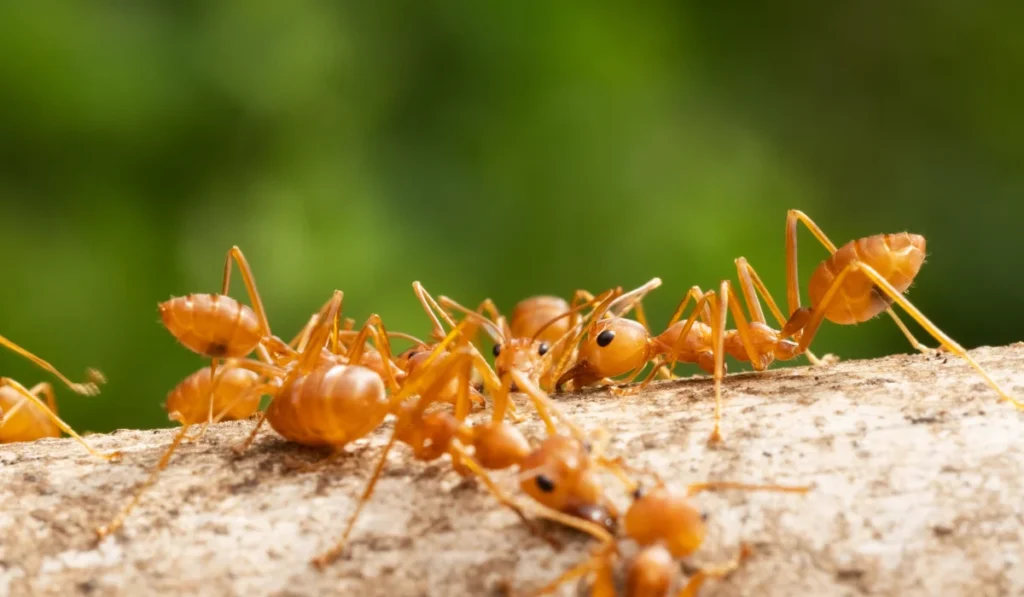
 Ants are a common pest in the Florida Panhandle because warm days and quick showers keep them active. In Panama City, trails show up around patios, garages, and kitchens in St. Andrews, Callaway, and Panama City Beach.
Many species stay active year-round along our sandy, humid coast. Small trails can quickly grow into large infestations. Ants come inside for crumbs and water, then build nests in wall voids and cabinets.
If you have an ant problem, you want clear steps that fit a busy Florida home. This guide shows how to identify ants quickly, which species you are likely to see locally, where they nest, and simple control tips. You will also learn how to tell ants from termites and when professional help makes sense.
Ants are a common pest in the Florida Panhandle because warm days and quick showers keep them active. In Panama City, trails show up around patios, garages, and kitchens in St. Andrews, Callaway, and Panama City Beach.
Many species stay active year-round along our sandy, humid coast. Small trails can quickly grow into large infestations. Ants come inside for crumbs and water, then build nests in wall voids and cabinets.
If you have an ant problem, you want clear steps that fit a busy Florida home. This guide shows how to identify ants quickly, which species you are likely to see locally, where they nest, and simple control tips. You will also learn how to tell ants from termites and when professional help makes sense.
Key Takeaways
Field Guide · Panama City, FL
Common ants in the Florida Panhandle
Many ant species stay active year-round along the coast. A few sting or damage wood.
1Can sting
Fire Ants
IDReddish-brown ants that build dome mounds in open, sunny spots.
WhereOpen, sunny areas; play areas, pool decks, and walkways.
NoteDisturb a mound and workers rush out with painful stings. Keep kids and pets away.
2Destructive
Carpenter Ants
IDLarge black ants or red-and-black ants that hollow out wood.
WhereWall voids, damp trim, and fascia; look for sawdust-like frass.
NoteThey do not eat wood but tunnel it for nests. Ongoing activity can cause structural damage.
3Nuisance
White-Footed Ants
IDDark bodies with pale feet. Common in palms and shrubs near the coast.
WherePalms and shrubs; enter through window frames or bathroom pipes.
NoteThey build huge colonies. They often move indoors from coastal landscaping.
4Nuisance
Pharaoh Ants
IDSmall, yellow to light brown ants along cabinet edges and plumbing.
WhereCabinet edges and plumbing lines in warm, moist areas.
NoteIndoors they split into new colonies, which makes DIY control hard.
5Nuisance
Ghost Ants
IDTiny sugar ants with pale legs and a pale abdomen.
WhereBaseboards into kitchens and baths; potted plants and mulch.
NoteThey like warm, damp spots and feed on honeydew outdoors.
6Nuisance
Odorous House Ants
IDSmall brown to black ants that smell like rotten coconut when crushed.
WhereKitchens and baths; long trails follow cords, pipes, and edges.
NoteThey form long trails into the home. They favor sweets and grease.
Waynes has protected Southeast families for 50 years as an EPA Pesticide Environmental Stewardship member. Every little thing matters. A LOT.
- Identify ants by size, color, odor, thorax shape, antennae, and trail behavior. Then follow the line to the nest.
- Fix leaks, seal entry points, and remove food sources to stop ants from moving indoors.
- Fire ants sting outdoors. Carpenter ants hollow out damp wood and can weaken trim and framing.
- If trails persist for more than 2 days after cleanup, call a pro for targeted control.
Types Of Ants In Panama City, FL
Start with a quick scan. Note color, size, thorax shape, and antennae. Watch how workers move; are their trails straight or erratic? Do they go for sweets, grease, or pet food? Follow each trail back to the source. Inside, check baseboards, outlets, pantries, and any leaks. Outside, inspect mulch beds, slab edges, and gaps at doors and windows. Trim shrubs and tree limbs that touch the roof, since branches let ants cross into the home. If you need help identifying and preventing ant infestations in your home, our team at Waynes Pest Control offers ant pest control services in Panama City, FL, that target the colony for lasting results.Species Profiles
- Fire Ants (Red Imported Fire Ant). Reddish-brown ants that build dome mounds in open, sunny spots. Disturb a mound and workers rush out with painful stings. Keep kids and pets away. These ants form large colonies and create new colonies after heavy rain.
- Carpenter Ants (Including Florida Carpenter Ant). Large black ants or red-and-black ants. They don’t eat wood, but hollow it out to build their nests. Look for sawdust-like frass and soft rustling in wall voids at night. Ongoing activity can lead to structural damage, so act fast.
- Ghost Ants. Tiny “sugar ants” with pale legs and a pale abdomen. Often trail along baseboards into kitchens and baths. They like warm, damp spots and feed on honeydew outdoors. Potted plants and mulch make easy nesting sites.
- Pharaoh Ants. Small, yellow to light brown ants. Indoors, they split into new colonies, which makes DIY control hard. Look along cabinet edges and plumbing lines. They favor steady warmth and moisture.
- Crazy Ants. Fast, erratic runners that rarely stick to straight lines. Often dark to black ants. They squeeze through tiny crevices and can appear in large numbers around clutter and electronics.
- Argentine Ants. Brown to black ants with steady trails along foundations and landscape edges. They farm aphids for honeydew and may form super colonies with many queens.
- Acrobat Ants. Workers raise a heart-shaped abdomen over the thorax when disturbed. They nest in damp wood and can use utility lines to reach attics. Trim tree limbs away from the roof.
- Big-Headed Ants. Two worker sizes. The major worker has an oversized head. They nest under pavers and in soil. Indoors, they target sweets, grease, and pet food, often near kitchens.
- White-Footed Ants. Dark bodies with pale feet. Common in palms and shrubs near the coast. They build huge colonies and often enter through window frames or bathroom pipes.
- Pavement Ants. Small, dark brown to black ants that nest under sidewalks, driveways, and slab edges. Trails hug baseboards and appliance edges inside.
- Odorous House Ants. Small brown to black ants that smell like rotten coconut when crushed. Long trails follow cords, pipes, and edges into kitchens and baths.
Where Ants Nest And Why They Choose Your Florida Home
Ants go where food and water are easy to find. Outdoors, many collect honeydew from aphids on crepe myrtles, palms, and citrus. Indoors, they look for crumbs, open pet bowls, and grease on cooktops. Even small drips at faucets or pipes can support a colony. Different species pick different sites. Ghost ants and pharaoh ants use warm wall voids and cabinet gaps. Big-headed and pavement ants use soil, pavers, and slab cracks. Argentine and white-footed ants start in shrubs, then enter through window frames or rooflines. Carpenter ants prefer damp trim and fascia. Knowing how to keep ants out of your house starts with blocking the tiny gaps and damp spots where colonies first enter your home.Ants Vs. Termites: Easy Ways To Tell Them Apart
While termite swarmers and ants look similar, they are not the same and require different treatment. One key difference between flying ants and termites is that swarms often appear after spring storms. Flying ants have elbowed antennae, a narrow waist, and front wings longer than the back pair. Termites have straight antennae, a thicker waist, and four equal wings. Mud tubes or piles of wings on sills point to termites. When in doubt, collect a sample and let our team at Waynes Pest Control identify the pest.Prevention And Ant Control That Works In Florida
Preventing ants is simple. Try these steps:- Keep surfaces clean: wipe counters, sweep floors, and store food in sealed containers.
- Rinse recyclables and empty trash often.
- Wash pet bowls nightly and keep pet food in lidded tubs.
- Fix leaks at faucets and pipes to remove water sources.
- Wipe indoor trails with soapy water to erase scent paths along baseboards.
- Trim tree limbs and shrubs away from the roof and walls.
- Pull mulch back from the foundation.
- Seal cracks around doors, windows, and utility lines.
- Manage aphids on plants to reduce honeydew.


