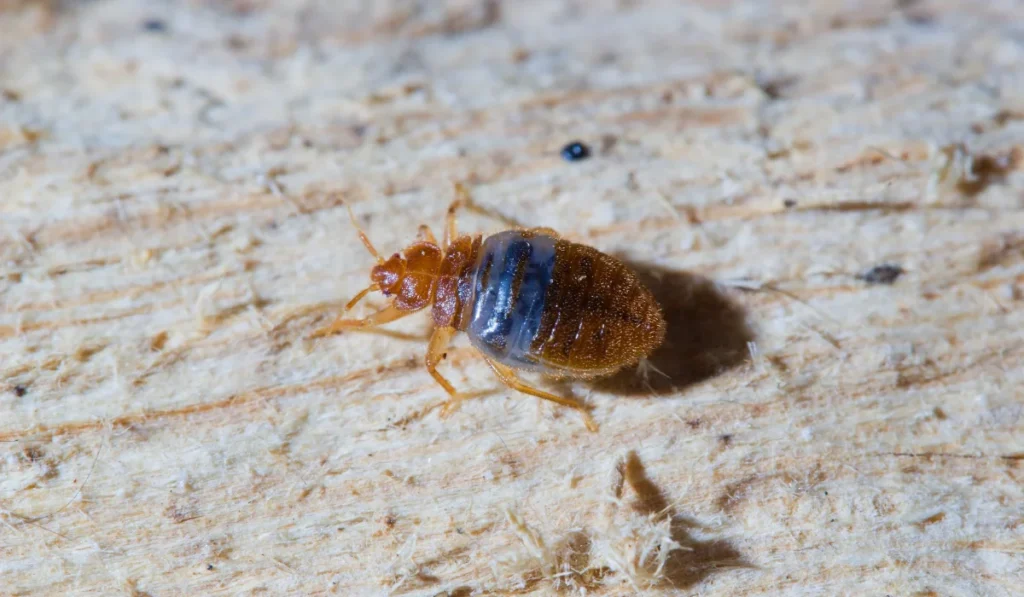

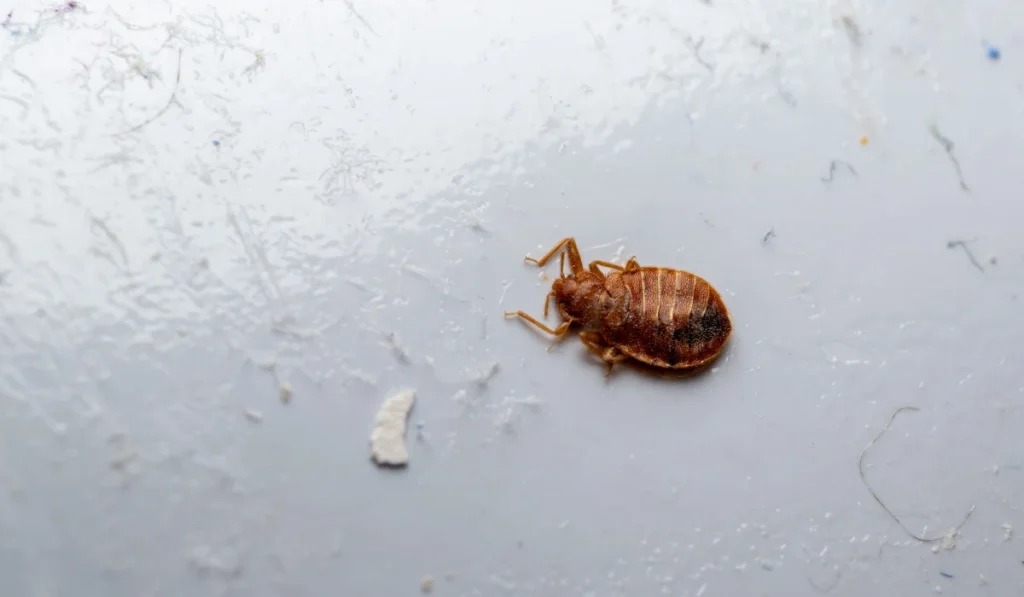
Spotting bed bug signs early starts with knowing what counts as useful evidence. Bites may raise suspicion, but live bugs, eggs, shed skins, dark spots, and reddish stains around sleeping areas provide better clues. If you live in the Florida Panhandle, knowing where to inspect after travel, overnight guests, or bringing used furniture into your home can help you recognize suspicious activity and decide when professional identification is the right next step.
Spotting Bed Bug Signs: What Should You Look for First?
When spotting bed bug signs, begin with the areas closest to where people sleep or rest. The U.S. Environmental Protection Agency’s bed bug guidance identifies several signs associated with an infestation, including live bed bugs, eggs and eggshells, shed skins, dark spots, and reddish stains that can appear when bed bugs are crushed. A single speck or stain does not confirm bed bugs, so look for other evidence in the same area.
Start with the bed instead of searching the entire room at once. Check mattress seams and folds, the box spring, bed frame, and headboard. Then work outward to bedside furniture and upholstered pieces nearby. Good lighting and a careful inspection matter because small signs can be easy to overlook in seams, joints, and other sheltered spaces.
Dark Spots and Reddish Stains
Dark spotting on a mattress, box spring, bed frame, or nearby surface can be associated with bed bug waste. Reddish stains on sheets or mattress fabric may appear when a bed bug is crushed. Both can help point you toward an area that deserves more attention, but neither is enough to confirm an infestation on its own.
Location provides useful context. Several dark marks concentrated near a mattress seam or bed-frame joint deserve a closer look, especially if you also find shed skins, eggs, or a suspected bed bug nearby. An isolated stain with no other signs is much less useful for identification.
Eggs, Eggshells, and Shed Skins
Eggs, empty eggshells, and shed skins are other forms of physical evidence identified by the EPA. Instead of focusing only on open mattress surfaces, inspect folds, seams, furniture joints, and narrow gaps where small material can remain out of sight.
If you find something suspicious, photograph it before disturbing the area. When practical, place a suspected insect in a secure container so it can be examined. A clear photo or specimen gives a pest professional better information than a description such as “small brown bug.”
| What You Find | What It Can Tell You | What to Do Next |
| A live suspected bed bug | Strong physical evidence that warrants identification | Photograph or preserve the specimen |
| Eggs, eggshells, or shed skins | May indicate bed bug development nearby | Inspect surrounding seams, joints, and furniture |
| Dark spotting | Can be associated with bed bug activity | Look for other physical signs in the same area |
| Reddish stains | May occur when bed bugs are crushed | Inspect bedding and nearby hiding places |
| Bites without other evidence | Cannot identify bed bugs by themselves | Check sleeping areas for physical evidence |
Where to Look for Bed Bug Activity at Home
A mattress is the logical starting point, but it should not be the end of your inspection. Bed bugs can shelter in protected spaces around places where people sleep or spend extended periods resting. Following a consistent path through the room makes it easier to cover the likely hiding areas without repeatedly checking the same surfaces.
Begin with mattress piping, seams, folds, and labels. Move to the box spring, frame joints, screw holes, and the front and back of the headboard. From there, inspect nightstands, upholstered chairs, couches, and cracks or crevices close to sleeping areas. Pay more attention to protected gaps than broad, exposed surfaces.
Check Guest Rooms and Other Sleeping Areas
Do not limit your inspection to the primary bedroom. If visitors recently stayed in a guest room, examine the bed and nearby furniture there as well. Pay particular attention to areas where suitcases, bags, or clothing were placed.
The same approach can help after you return from a trip. EPA guidance notes that bed bugs can be transported in luggage, clothing, furniture, and other belongings. If suspicious signs later appear in your home, remembering where those belongings were unpacked or stored can help you focus your inspection.
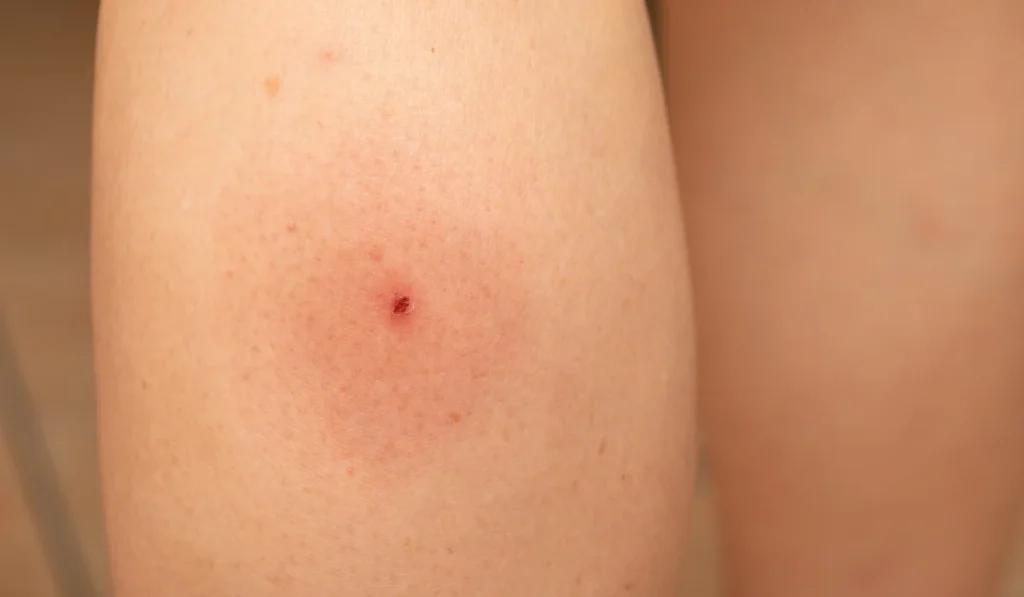
Why Bed Bug Bites Do Not Confirm an Infestation
Bites often draw attention first, but skin marks alone cannot confirm that bed bugs are responsible. Reactions vary among people, and some individuals may show little or no visible response. Skin irritation can also have causes unrelated to bed bugs.
The Centers for Disease Control and Prevention’s bed bug information states that bed bugs are not known to spread disease to people. Their bites can cause itching, and some people may experience allergic reactions. Because the appearance of a skin reaction does not identify what caused it, bites are better treated as a reason to inspect than as proof of an infestation.
If bites are your only clue, check the sleeping area for stronger physical evidence. A live suspected bug, eggs, shed skins, dark spotting, or reddish stains can provide more useful information. If you still cannot determine what you are seeing, professional identification can help prevent you from acting on the wrong assumption.
How Bed Bugs Can Reach Florida Panhandle Homes
Bed bugs are effective hitchhikers. They can move between locations on luggage, clothing, furniture, and other belongings. Their presence does not mean a home is dirty or poorly maintained, which is an important distinction when trying to understand how a problem started.
For Florida Panhandle homeowners, travel, visiting guests, and secondhand belongings are practical situations to keep in mind. These circumstances do not mean bed bugs will appear, but they can help you decide when and where an inspection makes sense if you later notice suspicious evidence.
Travel and Overnight Stays
Suitcases and personal belongings can pass through hotels, rentals, vehicles, and other shared environments before returning home. Once you are back, knowing where those items were placed can help narrow your search if bed bug signs appear later.
For example, if a suitcase was opened on a guest-room bed or clothing was placed on an upholstered chair, those locations belong near the top of your inspection list. Following the movement of belongings gives you a more useful starting point than searching unrelated rooms.
Used Furniture and Household Belongings
Secondhand bedroom furniture and upholstered pieces should be inspected before they become part of your living space. Examine seams, folds, joints, cracks, and sheltered sections that are easy to miss during a quick visual check.
Clutter does not cause bed bugs. It can, however, create more places for them to hide and make inspection harder. Keeping the space around beds and upholstered furniture accessible makes it easier to check seams, furniture joints, and nearby surfaces when you have a reason to inspect.
What to Do After Spotting Bed Bug Signs
Finding something suspicious does not mean you need to immediately clear the room or throw away furniture. Your first task is to document what you found and determine whether other evidence is present nearby.
Take clear photographs of suspected insects, eggs, shed skins, or unusual spotting. If you can safely preserve a suspected bug, place it in a secure container. Then inspect the immediate area around the original find, including the mattress, box spring, bed frame, headboard, bedside furniture, upholstered pieces, and nearby cracks.
Keep Track of Where You Find Evidence
Record where each suspicious sign appeared instead of relying on memory. A few photographs can help show whether evidence is concentrated around one bed or appears in several nearby locations.
This also gives a pest professional a clearer picture of what prompted your concern. A precise description such as “dark spotting along the lower mattress seam beside the headboard” is more useful than saying you found marks somewhere in the bedroom.
Avoid Moving Suspect Items From Room to Room
Do not carry bedding, furniture, or stored belongings into another room simply to clear the area. Moving potentially affected items can make it harder to determine where the original evidence was located and may transport hidden pests elsewhere.
You also do not need to discard a mattress or piece of furniture based on one stain, bite, or unidentified insect. Confirming what you are dealing with first can help you avoid getting rid of belongings unnecessarily.
Know When Professional Identification Makes Sense
A live suspected bed bug, several types of physical evidence, or suspicious signs in several nearby hiding places gives you a stronger reason to seek professional identification. Correctly identifying the pest should come before deciding how the problem needs to be handled.
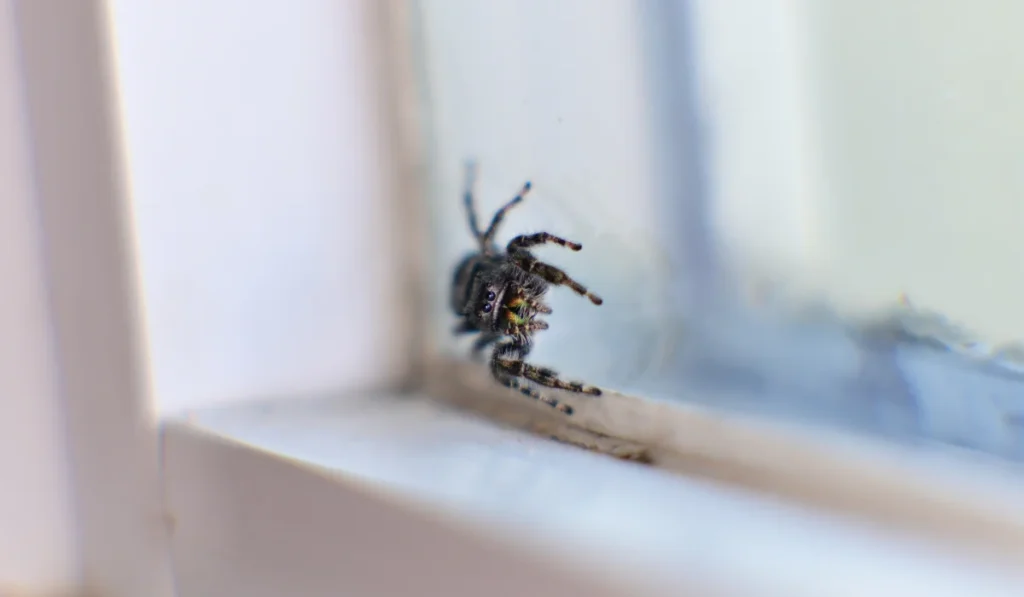
Other household pests or harmless material can sometimes be mistaken for bed bug evidence. Professional identification helps separate a genuine bed bug concern from a look-alike so the response matches what is actually present.
Catch Bed Bug Problems Before They Spread Through Your Panhandle Home
Spotting bed bug signs comes down to looking for the right evidence in the right places. Live insects, eggs, eggshells, shed skins, dark spotting, and reddish stains deserve closer attention when they appear around mattress seams, box springs, bed frames, headboards, or furniture near sleeping areas. Bites can prompt an inspection, but they should not be treated as confirmation by themselves.
For Florida Panhandle homeowners, it also helps to stay attentive after travel, overnight visitors, or bringing used furniture into the house. If you find several suspicious signs or cannot confidently identify what you are seeing, getting the evidence evaluated can give you a clearer next step.
If you are concerned about bed bugs or another pest in your home, Waynes Pest Control can help you review your pest-control options. To discuss what you have found and determine the appropriate next step for your Panhandle home, contact the Waynes team for assistance.