
Get rid of oriental cockroaches by cutting moisture, sealing entry points, and scheduling professional pest control treatments across your home.
Key Takeaways
- Oriental cockroaches prefer damp areas like crawl spaces, floor drains, and basements, where moisture and decaying organic matter are plentiful.
- Reducing moisture and sealing cracks are the two most impactful DIY steps, but they rarely resolve an active cockroach infestation on their own.
- Oriental cockroaches carry bacteria from sewer systems into your kitchen and dining areas, creating food contamination and health risks.
- Professional pest control creates a perimeter barrier, treats interior activity, and schedules follow-up visits to target newly hatched cockroaches from egg cases.
- Waynes Pest Control has served 150,000+ families across Alabama, Tennessee, Florida, and Mississippi for 50+ years, with no additional cost for reservices between scheduled visits.
How Oriental Cockroaches Get Into Your Home
Oriental cockroaches enter through gaps in your foundation, floor drains connected to sewer systems, and cracks around pipe penetrations. These pests thrive in damp environments, so any home with leaky pipes, poor drainage, or a humid crawl space gives them a reason to move in. Storm drains and sewer systems act as highways, pulling these roaches from the outside directly into your plumbing and then up through floor drains. Understanding their entry path matters because blocking it is where pest control starts.
Unlike a German cockroach that clusters in kitchen and dining areas, oriental cockroaches stay close to moisture sources and decaying organic matter. They are primarily nocturnal and prefer damp spaces with minimal light. In the Southeast, warm, humid summers extend the conditions they need, which means oriental cockroach pressure runs longer than in cooler climates. Homes with crawl spaces, aging plumbing, or landscaping mulched heavily against the foundation face the highest risk.
How to Identify Oriental Cockroaches vs. Other Roaches
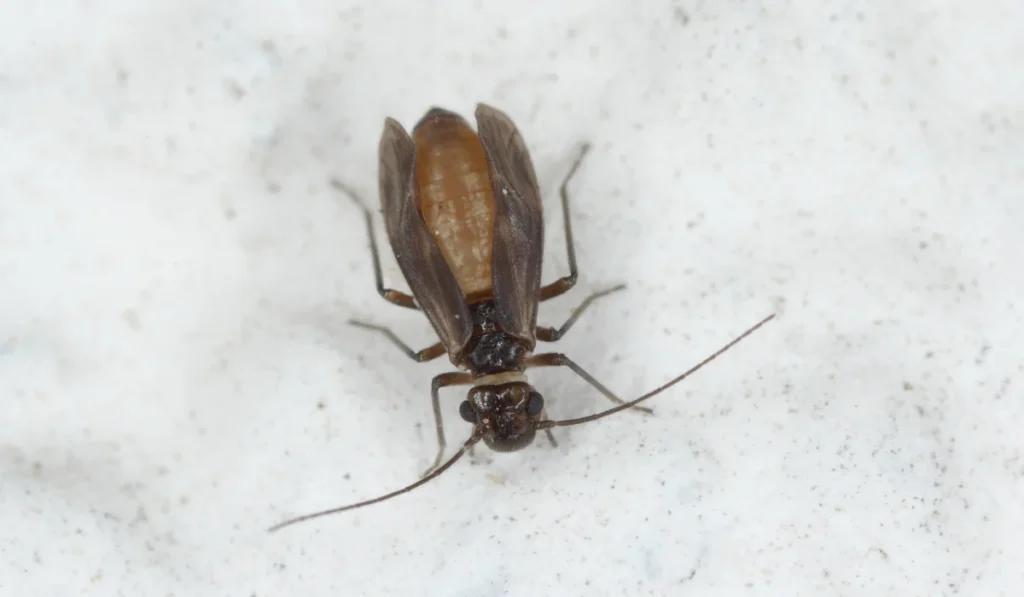
Oriental cockroaches are shiny, dark brown to black, and measure 1 to 1.25 inches long. Neither males nor females fly. Males have shortened wings that cover about two-thirds of the abdomen, while females have only small wing pads. You may hear them called water bugs because they congregate near moisture sources. That nickname sticks because it matches their behavior.
Oriental Cockroaches vs. Other Cockroach Species at a Glance
Misidentifying your cockroach species means applying a treatment that targets the wrong behavior and harborage. Each roach species behaves differently and responds to different control methods. Here is how oriental cockroaches compare to the other cockroach species common in Southeast homes:
- American cockroach: Larger, reddish-brown with a yellowish figure-eight pattern on the head. Frequents sewer systems and storm drains. Can fly short distances. Often found near sliding glass doors and garage entries.
- German cockroach: Smaller and tan with two dark stripes behind the head. Clusters in kitchen and dining areas. Reproduces faster than other roach species and requires a specialized treatment plan beyond general pest control.
- Oriental cockroach: Dark brown to black, slow-moving, and tied tightly to damp areas. Covered under Waynes general pest control service, which targets the perimeter and interior harborage zones.
Signs of an Oriental Cockroach Infestation in Your Home
A musty odor near floor drains or crawl spaces is one of the earliest warnings of an oriental cockroach infestation. Oriental cockroaches release a foul smell that intensifies as the population grows. The odor alone warrants a thorough inspection. Do not wait for a live sighting before acting.
Where to Look for Oriental Cockroaches in Damp Areas
Check the areas of your home with the most moisture first. Oriental cockroaches prefer damp environments with little light, so they concentrate in places most homeowners rarely inspect. These hiding places shelter both adults and egg cases, which female oriental cockroaches deposit in damp spaces before eggs hatch within a few weeks under warm conditions.
- Crawl spaces with standing water or leaky pipes
- Floor drains in laundry rooms and bathrooms
- Beneath porches and dense landscape mulch against the foundation
- Garbage cans and areas with decaying organic matter
- Around sliding glass doors and worn weather stripping
Look for pepper-like droppings, shed skins, dead roaches along baseboards, and dark purse-shaped egg cases tucked into cracks near water sources. If you spot activity during the day, the cockroach infestation is likely large. Oriental cockroaches stay hidden unless overcrowding forces them into the open.
Health Risks of an Oriental Cockroach Infestation
Oriental cockroaches carry bacteria from sewers and drains directly into your living spaces. They travel through contaminated areas before crossing countertops and food preparation areas. A 2022 review published in the Annals of Allergy, Asthma and Immunology confirmed that cockroach allergens rank among the top indoor asthma triggers, particularly for children. Their droppings and shed skins cause allergic reactions and worsen asthma symptoms over time.
Food contamination is a direct concern. Research published in Ecology and Evolution (2023) documented how cockroaches actively spread Salmonella Typhimurium through coprophagy and contact with contaminated surfaces. When oriental cockroaches move from floor drains to your kitchen and dining areas, they contaminate food and surfaces in ways that can lead to food poisoning. These health risks make early intervention worth prioritizing.
Effective Tips to Get Rid of Oriental Cockroaches
Controlling an oriental cockroach infestation requires attacking the moisture, entry points, and harborage that sustain the population. No single step works alone. Each action below removes one layer of support. Together, they reduce activity and set the stage for professional treatment to take hold.
Eliminating Moisture That Attracts Oriental Cockroaches
Reducing moisture cuts off the primary resource oriental cockroaches depend on. Fix leaky pipes under sinks and in crawl spaces. Run a dehumidifier in damp basements and add ventilation to enclosed crawl spaces. Clean floor drains and remove standing water wherever it collects. Redirect gutter downspouts away from the foundation. In Alabama, Tennessee, Florida, and Mississippi, humid summers keep damp areas wet for months, so maintaining dry conditions requires consistent attention.
Keep garbage cans tightly sealed and move them away from the house when possible. Oriental cockroaches feed on decaying organic matter, so open garbage and compost near the structure invite them in. Store pet food in airtight containers and remove food bowls overnight. Keeping oriental cockroaches away from stored food breaks their connection to your interior spaces.
How to Seal Entry Points Against Oriental Cockroaches
Seal cracks along your foundation, around pipe penetrations, and beneath doors to close the routes oriental cockroaches use most. Use caulk or expandable foam on gaps in concrete and masonry. Add weather stripping to sliding glass doors and garage doors. Install tight-fitting drain covers on floor drains connected to sewer systems or storm drains. Each sealed gap is one fewer access route.
Outdoors, reduce mulch depth to two inches or less against the foundation, or switch to stone near the base of the house. Dense landscape beds next to the foundation create the damp, sheltered conditions oriental cockroaches prefer. Thinning that mulch and improving drainage removes both moisture and hiding places simultaneously.
Cockroach Baits and Treatments for Oriental Cockroaches
Bait stations placed near entry points and damp areas can reduce oriental cockroach activity between professional visits. Place cockroach baits along baseboards in basements, near floor drains, and in crawl spaces where activity is visible. Change bait regularly and keep the surrounding area clean so the bait remains the most attractive food source. Store all food in airtight containers and clean food crumbs from kitchen and dining areas after every meal.
The EPA’s integrated pest management framework recommends combining sanitation, exclusion, and targeted treatments rather than relying on any single method. That layered approach matches exactly how Waynes structures every service: perimeter barrier first, interior treatment second, and scheduled follow-ups to prevent rebound from egg cases. Every little thing matters. A LOT.
When to Call Pest Control for Oriental Cockroaches
DIY methods reduce activity but rarely resolve a cockroach infestation on their own. Oriental cockroaches nest in wall voids, deep floor drains, and tight crawl spaces where store-bought products cannot reach. Egg cases continue to hatch after treatments wear off, and activity returns without follow-up. If you have corrected moisture problems and sealed entry points but still find dead roaches, droppings, or live activity, a pest control professional is the next step.
What Professional Pest Control Does for Oriental Cockroach Infestations
A professional inspection maps moisture zones, confirms the cockroach species, and builds a treatment plan matched to your home’s layout. Waynes Pest Control covers oriental cockroaches under its general pest control service. The initial visit creates a barrier around the house, treats interior roach activity, and schedules follow-up visits to target newly hatched cockroaches from egg cases. There is no additional cost for reservices between scheduled appointments.
Post-service video walkthroughs show you exactly what was treated and why, so you know what changed and what to watch for between visits. That transparency is part of how Waynes has earned the trust of more than 150,000 families across Alabama, Tennessee, Florida, and Mississippi over 50+ years.
Preventing Future Oriental Cockroach Infestations Year-Round
Year-round pest control prevents future infestations better than one-time treatments. Ongoing service maintains an exterior barrier, monitors for activity, and adapts to seasonal conditions. In the Southeast, warm winters and humid summers create year-round conditions that favor oriental roaches and other pests. A recurring service plan addresses new pressure before it becomes a visible problem.
Pair professional service with consistent upkeep at home: fix plumbing leaks as soon as they appear, seal new cracks, store food properly, and maintain clean kitchen and dining areas. Reducing moisture and removing hiding places on an ongoing basis makes your home a less attractive target for other cockroach species as well. Prevention is always easier than control.
Bottom Line on Getting Rid of Oriental Cockroaches
Oriental cockroaches depend on specific conditions to survive: moisture, darkness, and easy access to food and sewer systems. Removing those conditions through plumbing repairs, ventilation, and exclusion work makes your home less hospitable. Add bait stations near floor drains and damp spaces to reduce cockroach activity while professional service addresses the infestation at its source.
Waynes Pest Control covers oriental cockroaches under its general pest control service, with no additional cost for reservices. The treatment starts with a perimeter barrier, continues with interior treatment targeting active areas, and follows up on a scheduled basis to prevent egg cases from repopulating the home. If oriental cockroaches are a concern in your Alabama, Tennessee, Florida, or Mississippi home, the fastest path forward is a professional inspection.
Frequently Asked Questions
What attracts oriental cockroaches to a home?
Moisture is the primary draw. Leaky pipes, damp crawl spaces, floor drains, and heavy landscape mulch create ideal conditions. Decaying organic matter, food crumbs, pet food, and garbage add nutrition. Eliminating moisture sources and sealing entry points are the most effective steps to reduce activity before a cockroach infestation takes hold.
How long does it take to get rid of an oriental cockroach infestation?
Most homeowners see steady declines within a few weeks after the initial service and first follow-up visit. Timelines depend on the size of the infestation, moisture levels, and how many egg cases are present. Scheduled follow-up treatments target newly hatched cockroaches and prevent the population from rebounding after the initial service.
Do oriental cockroaches contaminate food?
Yes. Oriental cockroaches travel through sewer systems and storm drains before entering your home, carrying bacteria that can contaminate food and food preparation areas. This can lead to food poisoning. Store food in airtight containers, clean dining areas daily, and address any cockroach infestation promptly to reduce health concerns.
Are oriental cockroaches the same as water bugs?
Oriental cockroaches are often called water bugs because they prefer damp environments, but they are a distinct cockroach species. Their dark brown to black coloring, slow movement, and preference for floor drains and crawl spaces set them apart from other roaches. True water bugs belong to a different insect order entirely.
Can I get rid of oriental cockroaches without a professional?
DIY steps like reducing moisture, sealing cracks, and placing bait stations can lower activity, but they rarely resolve a full cockroach infestation on their own. Oriental cockroaches nest deep in crawl spaces and floor drains where store-bought treatments do not reach. Professional pest control provides the perimeter barrier, interior treatment, and follow-up visits needed to control the population over time.