
German roach infestations grow fast in Southeast homes. Learn to identify them, spot the signs, and get them under control before populations explode.
Key Takeaways
- Adult German cockroaches are light brown with two dark stripes behind the head and measure about half an inch long.
- A single female German cockroach can produce over 300 offspring in her lifetime, allowing cockroach populations to double in weeks.
- Droppings, egg cases, and a musty odor are the first signs of a German roach infestation in your home.
- Good sanitation slows population growth but will not resolve an active German cockroach infestation on its own.
- Waynes uses a dedicated treatment plan for German roaches, with follow-up visits at no additional cost.
How to Identify German Cockroaches in Your Home
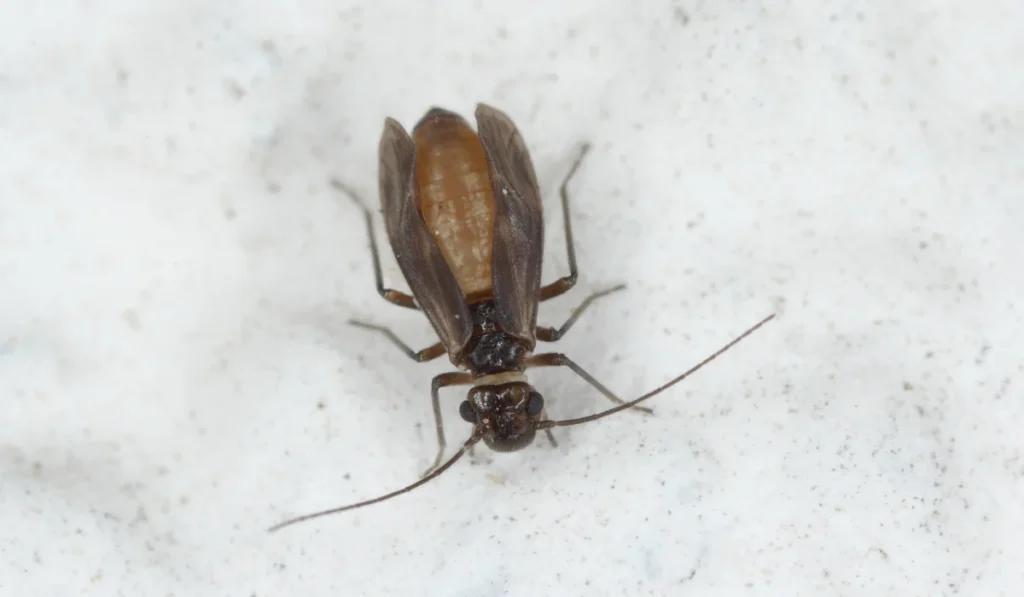
Adult German cockroaches are light brown to tan with two dark stripes running parallel behind the head, and they measure about half an inch long. Both males and females have wings, but these insects rarely fly, preferring to run. Adult males are narrower; adult females appear wider, especially when carrying egg cases beneath their bodies.
German cockroach nymphs look different from adults. Small nymphs are dark brown to black with the same two dark stripes along their backs. As larger nymphs develop through several molts over several weeks, they lighten before reaching the adult stage. If you spot what looks like tiny black specks moving in the dark, those are likely nymphs.
German cockroaches are often confused with other roaches. Here is how they compare to common household pests found in Southeast homes:
| Species | Size | Color | Preferred Habitat |
|---|---|---|---|
| German cockroach (Blattella germanica) | ½ inch | Light brown, two dark stripes | Kitchens, bathrooms, indoors |
| American cockroaches | 1.5–2 inches | Reddish brown | Crawl spaces, basements, sewers |
| Oriental cockroach | 1 inch | Dark brown to black | Damp basements, drains |
Why German Roach Biology Makes Control Harder
German cockroaches reproduce at a rate that outpaces every other common household roach species, with a single female producing up to 300 offspring in her lifetime. A female German cockroach produces an egg case containing 30 to 40 eggs. Unlike other roaches that drop their egg cases early, the female carries hers until nymphs are ready to emerge. That single behavior raises survival rates for each generation and accelerates infestation growth.
One female German cockroach can produce four to eight egg cases in her lifetime. With nymphs reaching adulthood in as few as 36 days under warm conditions, cockroach populations can double every few weeks. A single German cockroach hiding behind your kitchen cabinets today can become a serious problem well before you notice the first sign.
German cockroaches also stay hidden during daylight hours. They squeeze into cracks and crevices behind appliances, inside cabinets, and anywhere dark and warm. Roaches spotted during the day signal that the population has outgrown its hiding spots. That level of activity indicates a heavy infestation that needs professional attention.
Signs of a German Roach Infestation at Home
Droppings are the most reliable early sign of a German cockroach infestation in your kitchen or bathroom. German roach droppings appear as small dark specks or streaks resembling ground pepper. You will find them along countertops, inside kitchen cabinets, in drawer corners, and near cracks and crevices where roaches travel regularly.
Egg cases are another warning sign. Look for small, tan, ridged capsules about a quarter-inch long tucked in dark corners, behind appliances, or inside cardboard boxes stored in your pantry. Finding multiple egg cases confirms that cockroach populations have been reproducing in your home for some time.
A musty odor is common in homes with established German cockroach populations. This smell comes from pheromones the roaches produce to communicate and aggregate. The stronger the odor, the larger the population behind your walls and appliances.
Health Risks German Roaches Pose to Your Family
German cockroaches trigger allergic reactions and asthma, particularly in children. A 2022 review published in the Annals of Allergy, Asthma and Immunology confirmed that cockroach allergens rank among the top indoor exposures driving pediatric asthma cases. Those allergens come from droppings, shed skins, and egg casings that accumulate wherever roaches live.
German cockroaches also carry bacteria from the unsanitary areas they travel before crossing your food preparation surfaces. Research published in Ecology and Evolution confirmed that German cockroaches actively colonize and spread Salmonella Typhimurium among themselves through contact, sustaining bacterial contamination across the population. That makes good sanitation a health matter, not just a comfort one.
How German Roaches Spread and Survive Inside Homes
German cockroaches rarely enter homes from outdoors the way American cockroaches do. They hitchhike. Grocery bags, cardboard boxes, secondhand furniture, and deliveries all carry roaches and egg cases from one location to another. Once inside, they settle near food, moisture, and warmth — almost always in kitchens and bathrooms.
German cockroaches feed on almost anything: grease, crumbs, pet food, soap, toothpaste, and even cardboard. Their ability to survive on minimal food sources means they persist in homes that appear clean. Moisture sources under sinks, around leaky pipes, and in crawl spaces provide the water they need to thrive year-round in Alabama, Tennessee, Florida, and Mississippi.
In apartments and multi-unit housing, roaches travel between units through shared walls and plumbing. If neighboring units have roaches, your own prevention efforts may not be enough without treating the shared access points. The EPA’s integrated pest management framework recommends addressing both harborage conditions and entry routes together, not treating symptoms alone.
German Roach Food Sources That Drive Infestations
Removing food sources is the first step in any German cockroach control plan, but sanitation alone will not resolve an active infestation. It slows population growth and makes targeted treatments more effective by forcing roaches to seek out bait instead of feeding freely on available crumbs and grease.
- Wipe down counters and stovetops every night to remove crumbs and grease
- Store food in sealed containers, including pet food and dry goods
- Empty trash cans daily using bins with tight-fitting lids
- Fix leaky faucets and pipes to remove moisture sources
- Clean inside kitchen cabinets and behind appliances regularly
- Pick up pet food bowls at night and store food in sealed containers
- Inspect cardboard boxes before bringing them inside your home
DIY vs. Professional German Roach Control Options
Roach baits sold at hardware stores can reduce small German roach populations, but they rarely resolve a full German cockroach infestation. Gel baits placed in cracks and crevices near harborage areas attract roaches that carry the active ingredient back to others. This approach works best when combined with consistent sanitation and sealed food sources.
The limitation of DIY cockroach baits is coverage. German cockroaches hide deep behind appliances, inside wall voids, and in areas store-bought products cannot reach. Over-the-counter options also lack the rotation of active ingredients that pest management professionals use to prevent resistance from developing in cockroach populations over time.
What Waynes Does Differently for German Roach Infestations
Waynes treats German roach infestations with a dedicated plan that goes beyond a standard pest control visit because German cockroaches are harder to control than other roaches and require a specific approach. The initial service creates a barrier around the home and applies targeted treatments indoors, placing them in cracks, crevices, and harborage zones where roaches actually live.
Follow-up treatments are scheduled to keep the population in decline as new nymphs emerge from existing egg cases. Those reservices come at no additional cost. After each visit, the technician records a post-service video so you can see exactly where treatments were applied and what was addressed.
Waynes has served over 150,000 families across Alabama, Tennessee, Florida, and Mississippi since 1975 and has maintained EPA Pesticide Environmental Stewardship Program membership since 2004. That membership commits participants to measurable reductions in treatment risk and annual environmental impact reporting to the EPA. Every little thing matters. A LOT.
Bottom Line on German Roach Control for Southeast Homes
German cockroaches rank among the hardest roach species to control in Southeast homes. They reproduce in as few as 36 days per generation, stay hidden in deep harborage zones, and develop resistance to treatments that are not rotated. Spotting droppings, egg cases, or a musty odor means the population is already established. The faster you act, the less ground the infestation covers.
Good sanitation is essential but not sufficient on its own. A professional treatment plan that reaches deep harborage zones and follows up as nymphs emerge is the only approach that brings cockroach populations under lasting control. If you are seeing roaches during the day or finding droppings in multiple rooms, schedule a pest control inspection to assess the full scope of the infestation and build a plan around it.
Frequently Asked Questions
What do German cockroaches look like compared to other roaches?
Adult German cockroaches are light brown to tan, about half an inch long, with two dark stripes behind the head. They are smaller than American cockroaches, which reach 1.5 to 2 inches and are reddish brown. German cockroach nymphs are dark brown to black with the same two dark stripes and are often mistaken for a different species entirely.
How long does German roach treatment take to work?
Most homeowners see a noticeable decline in German cockroach activity within one to two weeks after the initial treatment. Because egg cases can still produce nymphs after the first visit, follow-up treatments over several weeks are needed to control the full population cycle. Waynes schedules those follow-up visits at no additional cost.
Can you get rid of German roaches without professional help?
Small populations may respond to store-bought roach baits combined with good sanitation. However, a German cockroach infestation grows fast. If you see roaches during the day, find droppings in multiple rooms, or notice a musty odor, the infestation has likely spread beyond what DIY methods can address. A pest management professional can reach harborage areas and rotate treatment approaches to prevent resistance.
Are German cockroaches common in Alabama and the Southeast?
Yes. German cockroaches thrive in warm, humid climates, making homes across Alabama, Tennessee, Florida, and Mississippi especially susceptible. Originally traced to Southeast Asia, Blattella germanica (the German cockroach) has spread worldwide and accounts for the majority of indoor cockroach infestations reported in the Southeast, according to university extension data. The warm winters across the Southeast allow indoor populations to breed year-round without a cold-weather check on growth.