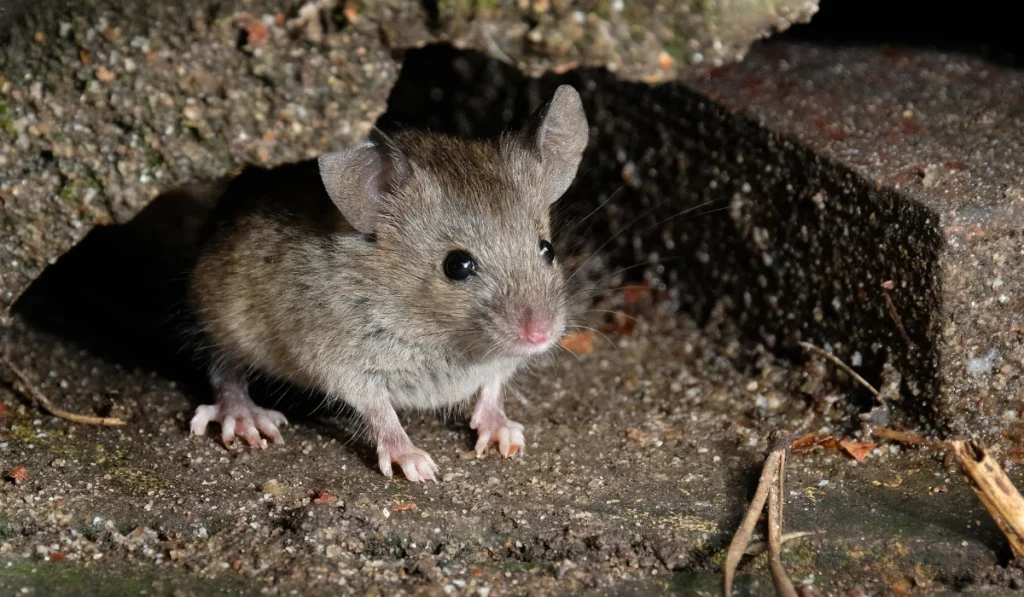


If you see tiny droppings under the sink or hear light scratching in the walls, you’re not alone. As nights get cooler in Nashville, house mice seek warmth, food, and water indoors. Learning how to get rid of mice in Nashville, TN, starts with a clear plan and a little patience.
A mouse infestation can cause damage and health risks. Mice slip through holes as small as a nickel and breed quickly. Solve the problem by removing food sources, sealing gaps, and using proven control methods.
This guide is suitable for homes in Nashville, Brentwood, Franklin, Hendersonville, Hermitage, Murfreesboro, Nolensville, and Smyrna. Waynes uses proven rodent control steps, years of local experience, and professional follow-up. Below is a 5-step plan to eliminate mice, along with guidance on when to seek professional help and tips for Nashville-area homes.
Key Takeaways
- Seal all entry points you can fit a pencil into, then check again after 48 hours.
- Remove indoor and outdoor food sources, including pet food, birdseed, and open trash cans.
- Use a combination of snap traps and bait stations in strategic locations, and keep a record of mouse activity.
- Call a local exterminator for full-home exclusion and long-term mouse removal if the problem persists.
Step 1: Inspect Your Nashville Home For Signs And Entry Points
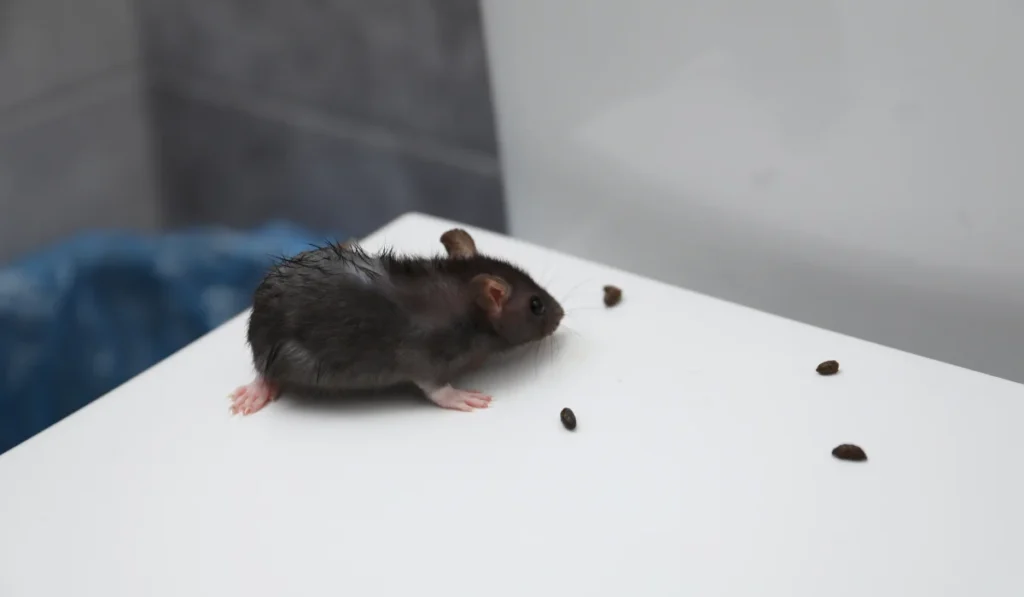
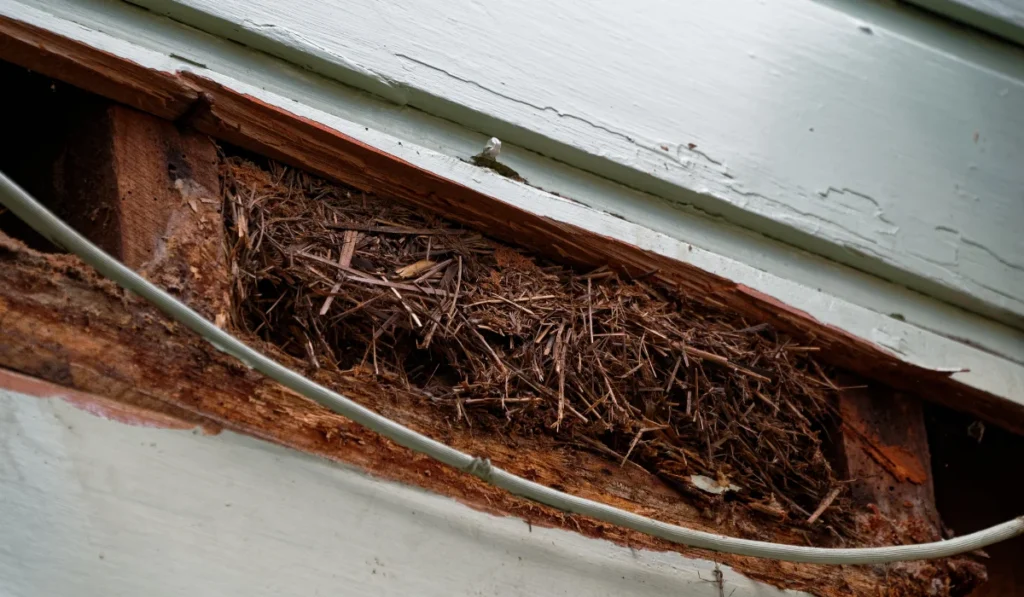
Finding how to get rid of rodents in Nashville, TN, starts with a careful inspection. Note droppings, gnaw marks, and rub stains along baseboards. At night, listen for scratching behind walls. Check the crawl space, attic, and garage for nests made of paper or insulation. These clues confirm activity and show where to focus your plan.
Outside, check utility lines, air conditioning lines, garage door seals, and gaps under the siding. In older Tennessee homes, cracks around brick weep holes and foundation vents are a common occurrence.
In Brentwood and Franklin, gaps often form where gas lines enter kitchens. In Hendersonville and Hermitage, deck ledgers and crawl space doors are weak spots. A thorough inspection reveals where mice enter and identifies the necessary control steps.
Step 2: Seal Gaps With Exclusion Materials That Last
First, seal entry points to prevent new mice from entering. This step, called exclusion, keeps new mice from replacing the ones you remove.
Use steel wool and ¼-inch hardware cloth for small holes. The CDC recommends sealing gaps with caulk to prevent rodents from entering. Seal tight seams around trim and conduits. Add weatherstripping to exterior and garage doors where you see light. For larger openings, install rodent-proof vent covers and reinforce crawl space doors.
Walk the home every six months and recheck seals. Nashville weather can loosen seals and open new gaps. In Murfreesboro and Smyrna, new builds may settle and form hairline cracks.
In Nolensville and Franklin, older homes often need more frequent touch-ups. Exclusion gives the best return because it blocks access and cuts future mouse activity.
Step 3: Remove Food Sources And Sanitize Hot Spots
Mice leave when food is hard to reach. Cut off food sources by storing pantry items and pet food in sealed containers. Clean under appliances where crumbs collect. Wipe down the stove and fix leaky pipes. Empty trash nightly and use tight lids indoors and outdoors. In garages and sheds, store grass seed and birdseed in lidded bins.
Inside, focus on kitchens, laundry rooms, and mudrooms near exterior doors. Pull out the fridge and range to remove food sources behind them. Vacuum the baseboards and the floor edge under cabinets. If you find mouse droppings or feces during cleaning, wear gloves and use disposable towels to avoid contamination.
To protect your home from rodents and hantavirus, bag the waste tightly, wash your hands, and store food in sealed containers. Removing easy calories forces mice to travel farther and increases their chance of encountering snap traps or bait stations you set.
Step 4: Use Targeted Mouse Traps And Bait Stations
Place the right tools in the right places. For fast results, place snap traps along walls where mice are commonly found. Set the bait end tight to the wall near baseboards, behind appliances, and along known runways. Use peanut butter or a small piece of nuts.
For ongoing protection, place tamper-resistant bait stations outside, out of reach of kids and pets. Use them near garages, sheds, and the crawl space. Rotate placements and log dates, locations, and results. Refresh traps every few days until droppings and gnaw marks stop.
In Brentwood and Hermitage, add stations near mulch beds and HVAC pads. In Hendersonville lake homes, check door sweeps and keep stations dry. Traps are most effective when used in conjunction with strict sanitation and regular exclusion work.
Step 5: Monitor, Re-Seal, And Plan A Follow-Up
Mouse control is a process. Continue to check for activity and reseal any new gaps that appear. Check weatherstripping twice each season. Refresh bait stations on a schedule and log captures. If droppings continue after two weeks, consider expanding your plan or calling a professional.
If the infestation is persistent or you hear activity in the attic or crawl space, consider calling a local exterminator for a complimentary inspection. Our professionals handle mouse removal and full-home exclusion when DIY efforts stall.
At Waynes Pest Control, we provide follow-up visits to confirm results and adjust placements as needed. Our rodent control service in Nashville, TN, includes inspection, interior and exterior services, and scheduled follow-ups.
Nashville And Middle Tennessee Mouse Hot Spots
The best way to get rid of mice in Nashville, TN, depends on your home’s style and neighborhood. In older bungalows, check pier-and-beam foundations and aging vents.
In Franklin, Nolensville, and Murfreesboro, focus on garage seals and utility penetrations. In Hendersonville, lake humidity can cause doors to swell, resulting in weatherstripping wearing out more quickly. In Brentwood and Hermitage, large attics and many rooflines can hide gaps near soffits.
Across Tennessee, fall cold snaps prompt mice to seek shelter indoors. Homes near greenways or creeks often experience higher property values. Reduce yard clutter, trim plants away from siding, and stack firewood off the ground. These steps enhance shelter and make exclusion work more effectively.
DIY Vs. Professional Rodent Control Methods
You can accomplish a lot with DIY work: seal holes, set snap traps, and eliminate food sources. Many Nashville homeowners stop a small mouse problem in a week or two this way.
If you prefer a hands-off approach or have a busy household with kids and pets, professional pest control services in Nashville, TN, offer additional benefits, including attic and crawl space inspections, safer placement of bait stations, and whole-home exclusion.
A pro team also recognizes patterns quickly, from mouse droppings to rub marks that reveal hidden runways. They bring years of experience, cutting guesswork and speeding up the mouse removal process.
If you still see mouse activity after 10 to 14 days of trapping and sealing, it is time to call for rodent control support and request a free quote.
What To Expect From Wayne’s Rodent Service
When you schedule rodent control with our team at Waynes Pest Control, we begin with a thorough inspection, both inside and out. Your specialist identifies entry points, notes droppings and nests, and builds a detailed plan. Interior service targets active areas. Exterior services build a perimeter and seal vulnerable gaps.
We can add smart monitors and snap traps where needed. Follow-up visits confirm progress and close any missed openings. This service not only reduces their numbers but also helps keep rodents out.
We also offer wildlife removal in Nashville, TX, for squirrels, raccoons, and other animals as needed. The process is similar: inspect, remove, and seal entry points for long-term protection. This approach keeps your focus on mice while protecting the rest of your home.
Safety And Sanitation Tips During Cleanup
When cleaning up after a mouse infestation, the CDC emphasizes the importance of using gloves and not sweeping droppings. Ventilate the area, bag trash tightly, and wash your hands. Keep kids and pets away from set traps and bait stations.
If you find numerous rodent droppings behind appliances or in the crawl space, consider calling a professional for safe cleanup and to inspect for hidden damage. These steps help protect your Nashville home while you eliminate mice.
When To Call A Local Exterminator In Nashville
Call a licensed exterminator if mice are active in multiple rooms, if you hear noise in the attic or crawl space, or if you still see mouse droppings two weeks after trapping and sealing entry points. Request a complimentary inspection and a complimentary quote that includes exclusion work.
Professional mouse removal should include sealing entry points, providing both interior and exterior services, and implementing a follow-up plan. At Waynes Pest Control, we offer pest control services with a focus on exclusion, providing a long-term solution.
Making The Right Mouse Control Choice For Your Tennessee Home
A lasting mouse solution starts with prevention and consistency. Stay alert for new entry points, maintain clean food areas, and monitor your traps until all signs of mice are gone. When DIY steps aren’t enough, professional rodent control can provide long-term protection for your home.
At Waynes Pest Control, we offer full-home exclusion, safe removal, and follow-up care across Nashville and Middle Tennessee to keep your home mouse-free.
Contact us today to schedule your free inspection and start protecting your home.
FAQs
What are the first signs of a mouse infestation in a Nashville home?
Look for mouse droppings along baseboards, gnaw marks on food boxes, and scratching sounds in walls or the crawl space at night. Grease smears and a musky odor also point to mouse activity. Confirm entry points outside before you set traps.
Where should I place mouse traps for the best results?
Set snap traps along walls with the bait end against the wall. Place traps behind appliances, under sinks, and near visible mouse droppings. Use multiple traps simultaneously, check them daily, and keep records to determine the most effective locations based on the results.
When should I call professional pest control services?
If DIY steps fail after 10–14 days, or if you see fresh feces and hear activity in the attic or crawl space, call for a free inspection. Request exclusion work, bait stations, and a follow-up plan to secure your Nashville home in the long term.