
Insights, Tips, and Tales

Finding a Trustworthy Pest Company That Cares About the Environment

White mosquito silhouette with a dashed curved flight path on a green background

Finding a Trustworthy Pest Company That Cares About the Environment

Over the past few decades, the effects of pesticides and insecticides on the environment have been a real concern. Customers want to find a trustworthy pest company that cares about the environment. Some companies are still using pesticide and insecticide products made with extremely toxic chemicals considered harmful to humans, pets, and the environment.

How do you know if your pest control company is being cautious about the products they use? There are some ways you can identify companies that follow an ethical code ensuring the products they use are environmentally safe.

Pesticide Environmental Stewardship Program and Partners

The Pesticide Environmental Stewardship Program (PESP) was organized through a partnership with the EPA (the United States Environmental Protection Agency) to connect with the pesticide-user community and promote the usage of environmentally sound products. Through PESP, many businesses receive the information and resources they need to use environmentally friendly products that won’t put their customers’ health at risk.

Assisting Customers in Finding Trustworthy Pest Control Companies

There are certifications and partnerships that help customers find trustworthy pest control companies, like QualityPro. QualityPro is the highest accreditation program available in the pest management industry. They provide education, training, and certification, setting the standard of excellence for professional pest management companies.

As they state on their website, “QualityPro is the only national credentialing authority of the professional pest management industry. Less than 3% of pest control companies in the U.S. have earned this prestigious accreditation.”

Waynes, A Pest Company You Can Trust

Waynes is not only a Pesticide Environmental Stewardship Program (PESP) partner. We are also a QualityPro Accredited company, demonstrating our commitment to pesticide risk reduction. And we offer customized exterior treatments and as-needed service inside your home ensuring you’re free of pests year-round. This minimizes the use of unneeded products. You can trust us to use products and treatments that are safe and environmentally friendly.

Waynes uses a pest prevention and termite protection approach that’s comprehensive and environmentally sound Learn More!

Striving for Environmentally Sound Solutions

At Waynes we use cutting-edge, environmentally sound methods to fight unwanted pests. For example, we are currently utilizing small scale exclusion to seal small holes on the exterior of the home to prevent the invasion of ants and other small insects. On sensitive accounts, we can use FIFRA 25(b) exempt botanical pesticides developed through extensive scientific research and proven effective. We have begun to use the In2Care Mosquito Trap that attracts and kills Aedes mosquitoes using novel and green ingredients that target both larvae and adults.

Every day we become more and more environmentally in-tune, testing new microencapsulated products such as Scion that provide a longer-lasting residual effect. If you’re looking for a pest control company that puts the environment and their customers’ health first, we would be honored to serve you! Contact us today for more information.

Rebecca Wood

Waynes has been serving customers since 1973. We have grown over the decades through a commitment to providing a world-class experience for our customers. We believe that if our employees are happy and fulfilled, they will go above and beyond in delighting our customers.

Latest from Waynes Blog

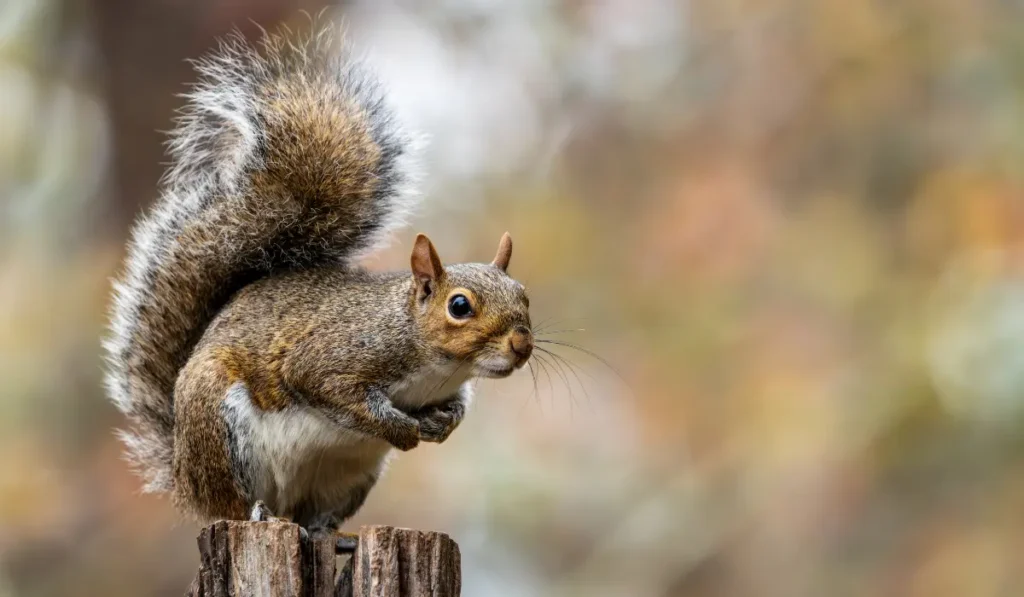
Squirrel perched on a weathered tree stump with its bushy tail curled over its back

Squirrel Season in Mississippi

Squirrel season in Mississippi can mean two very different things. Hunters are usually looking for current season dates, bag limits, and property-specific rules, while homeowners may be trying to figure out whether squirrel activity around the roof or attic points to a wildlife problem. The Mississippi Department of Wildlife, Fisheries, and Parks should be your…

Learn More >

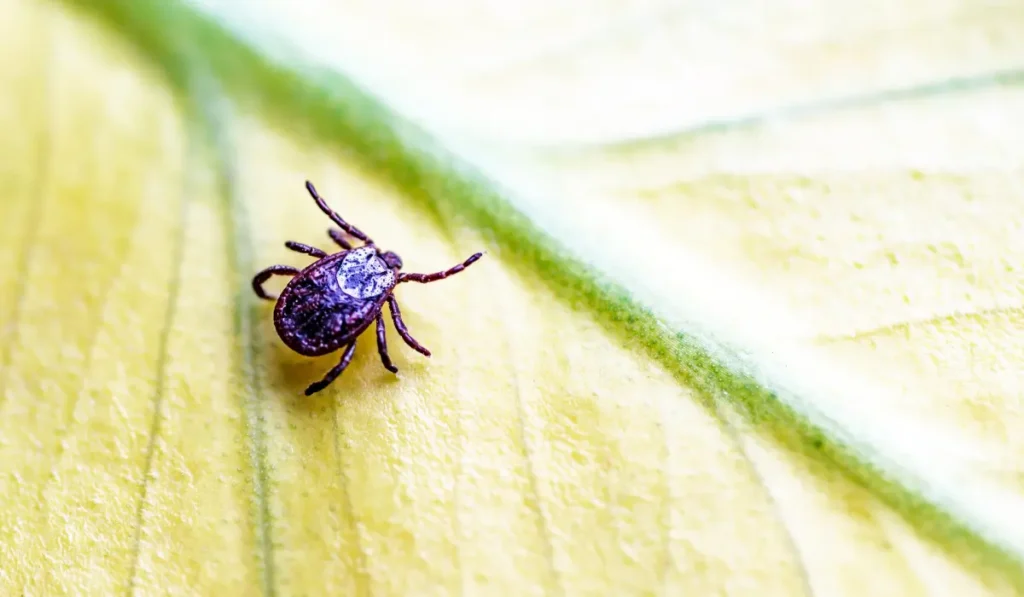
Small dark tick crawling on a yellow-green leaf near a central vein

What Draws Ticks to Panhandle Properties

  If you are wondering what attracts ticks to your yard, look first at the places where vegetation, animals, pets, and people cross paths. Dense growth, leaf litter, shaded areas, and regular animal traffic can give ticks more opportunities to encounter a host. For Florida Panhandle homeowners, identifying those areas can make tick prevention more…

Learn More >

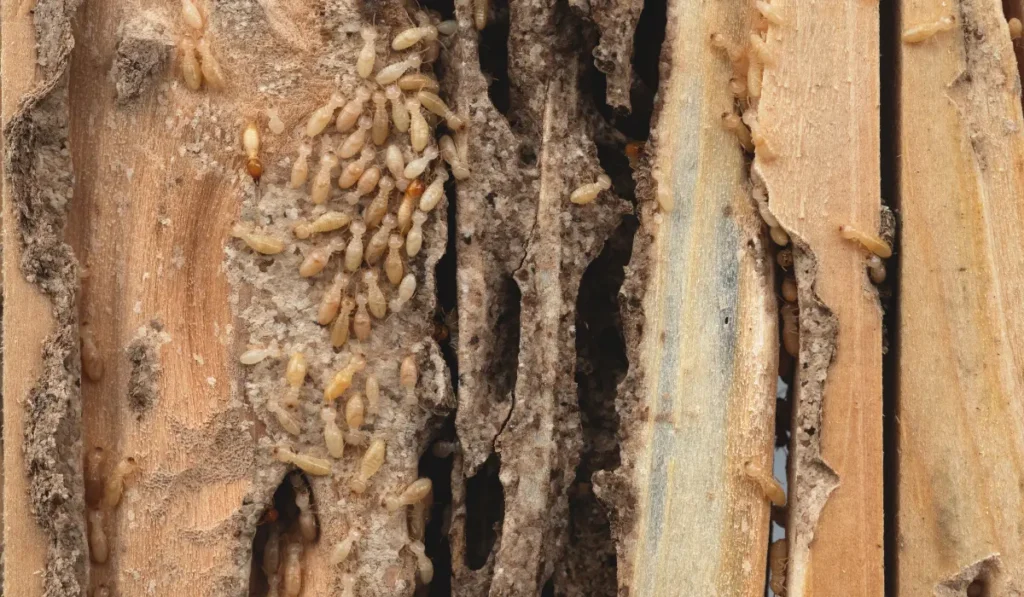
Group of the small termite destroy timber, termites eat wood and destroy buildings, termite workers, termites walk in the nest

What Attracts Termites to Panhandle Properties

If you want to know what attracts termites to Panhandle properties, start around the foundation and yard. Subterranean termites feed on cellulose and can reach wood from the soil, especially where wood touches the ground or where sheltered routes let them move without much exposure. Moisture problems, nearby wood materials, and hard-to-inspect areas can also…

Learn More >

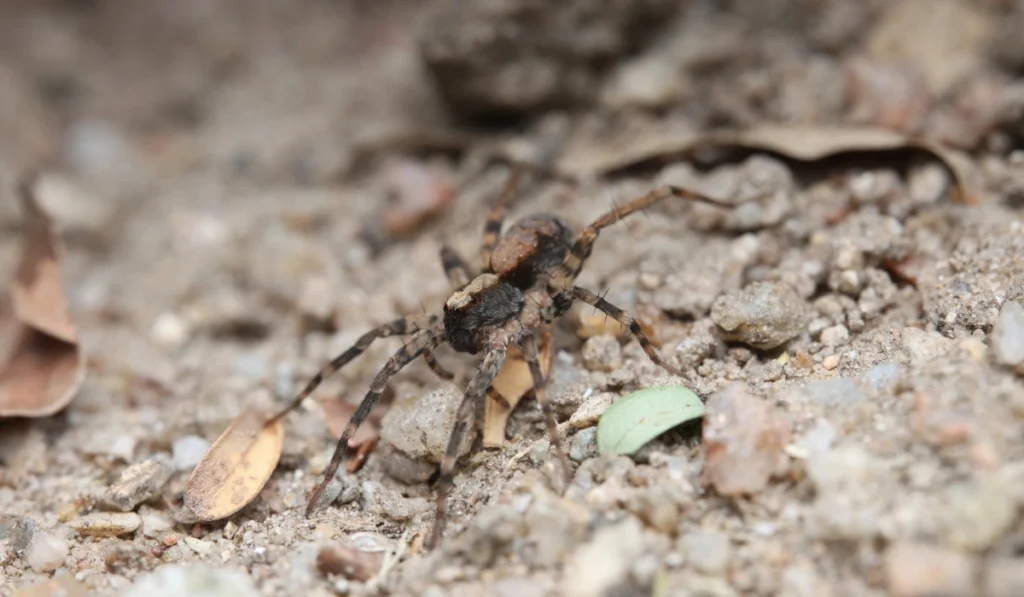
Brown panhandle wolf spider with thin legs on gravel and leaf litter

Panhandle Wolf Spider: Pest Notes for Florida Homeowners

A large spider running across your garage floor or patio can be difficult to identify in the moment. A panhandle wolf spider is a ground-hunting spider that may show up around Florida Panhandle homes where insects, shelter, and easy entry points are available. Recognizing its eye pattern, behavior, habitat, and differences from a brown recluse…

Learn More >

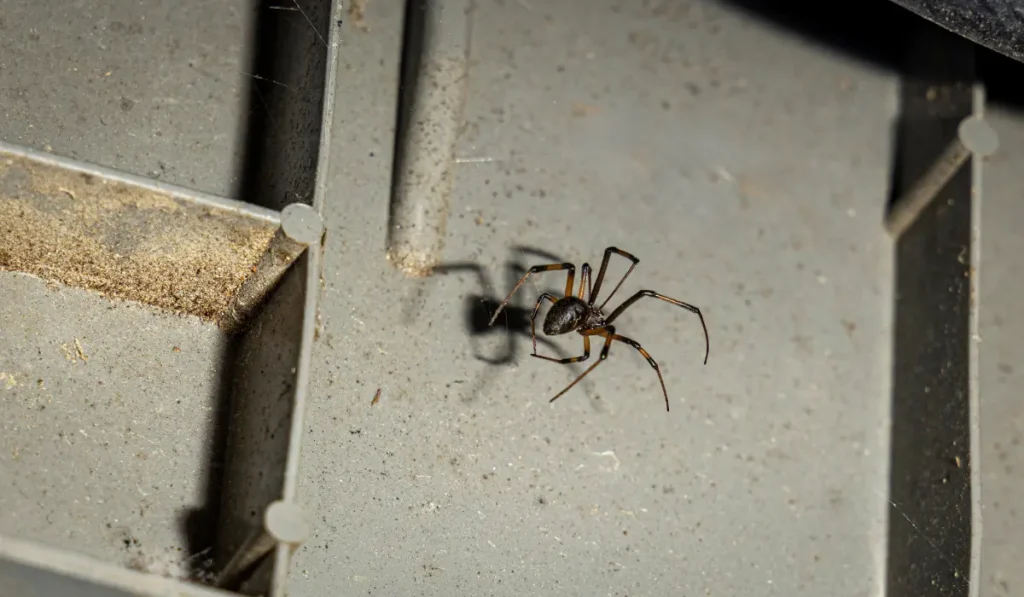
Close up of a black widow spider in a garden shed on a thin web

Panhandle Homeowners Ask: Are Spiders Dangerous?

Most Florida Panhandle spiders you find around your home are not considered a serious medical threat, but some deserve extra caution. The challenge is knowing what you are looking at. Size and color alone are poor ways to judge a spider, and harmless species can be mistaken for ones of medical concern. Whether you spot…

Learn More >

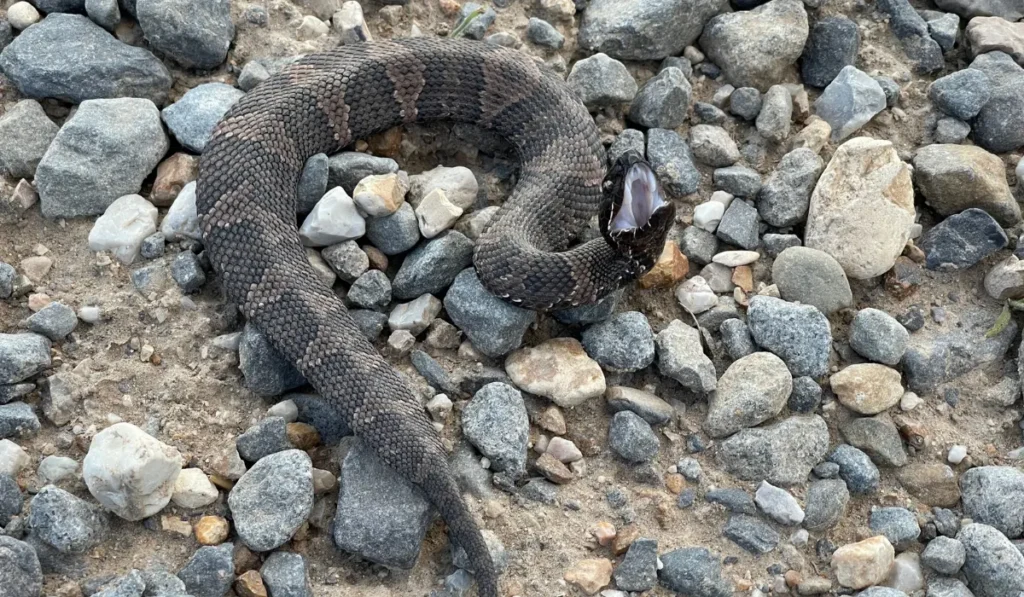
Venomous Cottonmouth on a bed of gravel gaping it’s mouth.

Identifying the Panhandle Cottonmouth

If you spot a dark, thick-bodied snake near a pond, creek, drainage ditch, or wooded edge, you may wonder whether it is a Panhandle cottonmouth. Cottonmouths are venomous, but several nonvenomous water snakes can look similar from a distance. The safest way to identify one is to compare several visible traits, including body shape, pattern,…

Learn More >

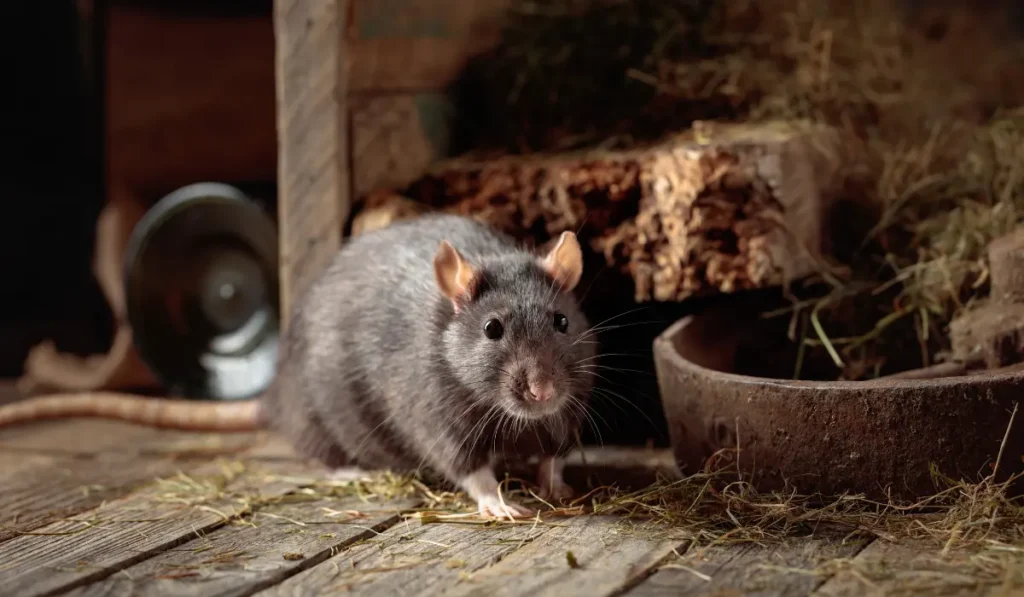
Rat in an old wooden barn with hay

What Draws Rats to Panhandle Properties

Rats in Florida Panhandle properties are usually there for practical reasons: they have found food, water, shelter, or a way into a protected part of the home. Pet food in a garage, bird seed on the ground, accessible trash, recurring water sources, cluttered storage, and exterior openings can all support rodent activity. If you are…

Learn More >

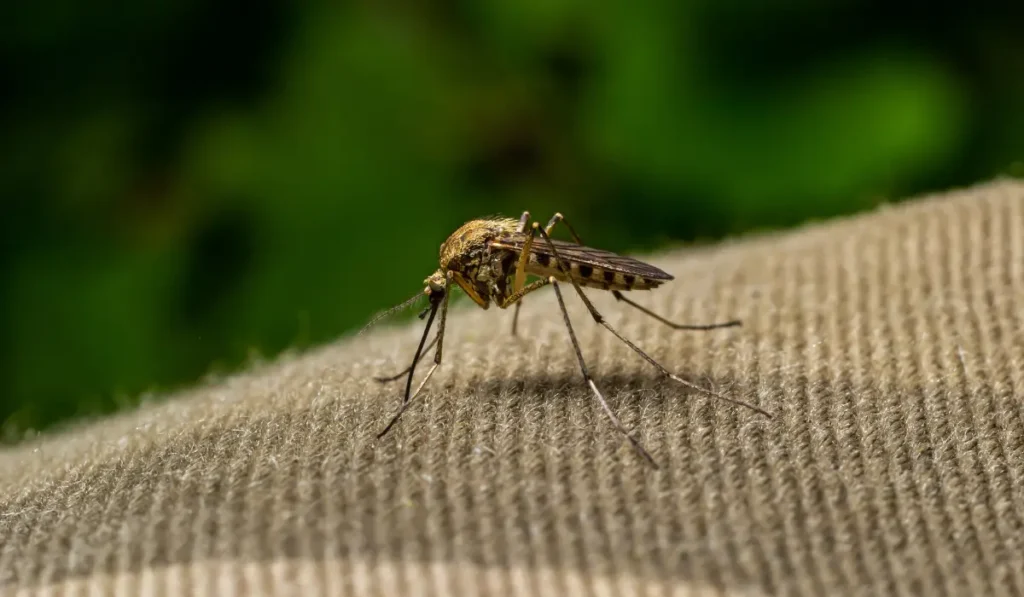
macro of Mosquito Suck in blood,Mosquito using mouth drill through clothes,mosquitoes are carrier of human and animal diseases,selecttive focus

Florida Panhandle Mosquitoes: What Homeowners Should Know

Florida Panhandle mosquitoes can become much more noticeable after warm, wet weather because rain leaves water in places where immature mosquitoes can develop. For homeowners, the most effective response starts close to home: find and remove standing water, keep the yard maintained, protect doors and windows, and take steps to prevent bites. Understanding where mosquitoes…

Learn More >

Close up shot of cockroach that trapped on a sticky trap

Living With German Cockroaches in Florida Panhandle

German cockroaches in Florida Panhandle homes tend to stay close to the places you use most: kitchens, bathrooms, cabinets, and appliances. A small roach near the sink may be your first clue, but droppings, dark staining, or activity around appliances can reveal more about where they are hiding. Knowing how to identify German cockroaches, how…

Learn More >

Scroll to Top