

You wake up with an itch in your ear and a sudden thought pops into your head: Do earwigs crawl in your ear? That thought can make anyone feel uneasy. Family stories, jokes, and online posts have turned this fear into a long-lasting myth. For many homeowners in the Southeast, earwigs are among the creepiest pests.
This fear stems from their name and unusual appearance. Earwigs have curved pincers on their back end, which makes them look aggressive. When you add rumors about ears and brains, it becomes clear why this myth lasted for generations.
This article explains the story’s origin, expert perspectives, and what happens when earwigs enter homes. It also describes how professional pest control helps prevent earwigs from returning.
Key Takeaways:
- Earwigs do not crawl into people’s ears on purpose or target the human ear.
- The myth stems from Old English roots and early misunderstandings.
- Earwigs prefer moist environments like mulch, basements, and crevices.
- Professional pest control helps stop earwig infestations before they spread.
Video Guide: 10 Facts You Never Knew About Earwigs
This video breaks down common myths and real facts about earwigs in a simple, easy-to-follow way. Watching it helps you understand why earwigs behave the way they do, what attracts them to homes, and how to spot early signs of activity. It also explains why fear-based stories often miss the real issue: prevention and proper pest control.
Where The Earwig Myth Came From
People have asked, “Do earwigs crawl in your ear?” for hundreds of years. The word “earwig” comes from Old English and loosely means “ear insect.” Early language use led people to believe these insects crawled into their ears while they slept.
At the time, people knew very little about insects or how the human body worked. Without science to explain things, stories spread fast. Many believed earwigs could crawl into the ear canal, damage the eardrum, or reach the human brain. These ideas came from fear, not facts.
Modern entomologists have cleared this up. Earwigs do not seek out human ears. The name stayed, but the behavior never existed. The myth survived because earwigs look intimidating, not because they pose a health risk.
If earwigs show up around your home, we offer pest control services to help prevent them from becoming a larger problem.
What Earwigs Actually Do
Earwigs seek dark, damp areas to survive, not people’s ears. They prefer moist areas, such as mulch, leaf piles, and the shaded regions near foundations. Inside homes, they may hide in basements, bathrooms, laundry rooms, or crawl spaces.
They use their pincers, also called forceps, for defense and mating. Although they look intimidating, earwigs are not aggressive toward people, and they actually fall into the group of helpful insects that quietly support the yard by feeding on decaying plant matter and small nuisance bugs. They do not sting, and they pinch only when people handle them.
There are many species of earwigs, including the European earwig (Forficula auricularia). Some species lay eggs in soil or hidden areas outdoors. When conditions change, like heavy rain or heat, earwigs move closer to structures for shelter.
When earwigs keep appearing indoors, professional pest control can help find the source and prevent repeat activity.
Can Earwigs End Up In A Human Ear?
So, do earwigs crawl into your ear by accident? According to a National Institutes of Health study, most experts no longer accept the old superstition about earwigs, but some anecdotal reports suggest that earwigs may climb into ears.
In very rare cases, any small insect could wander near a human ear. This type of accidental contact is not unique to earwigs and happens no more often than with cockroaches or bed bugs.
If an insect ever enters the ear canal, it does not stay long. The ear is neither a safe nor a comfortable place for insects. Movement and sound usually cause them to leave or stop quickly. This situation does not mean earwigs target people’s ears.
Medical advice recommends seeing a professional if this happens. Texas Children’s advises staying calm and not trying to remove the insect with cotton swabs, tweezers, or other objects. Inserting objects into the ear can cause damage. These rare events should not be confused with normal earwig behavior.
Why Earwigs Enter Homes
Earwigs enter homes for shelter, not because of people or food. They squeeze through small gaps around doors, windows, siding, and foundations. Once inside, they hide in cracks where moisture collects.
Mulch placed too close to a home creates a perfect environment for earwigs. Damp soil and decaying material attract them. Basements and crawl spaces also provide the cool, dark setting they prefer.
An increase in indoor earwig populations often occurs when outdoor numbers grow or when weather conditions change, a pattern shared with other seasonal invaders like kudzu bugs that push indoors when the weather turns. These situations do not mean a home is dirty. They usually mean earwigs found an easy way inside.
We help homeowners find entry points and seal them to keep earwigs out.
Earwigs Vs Other Household Pests
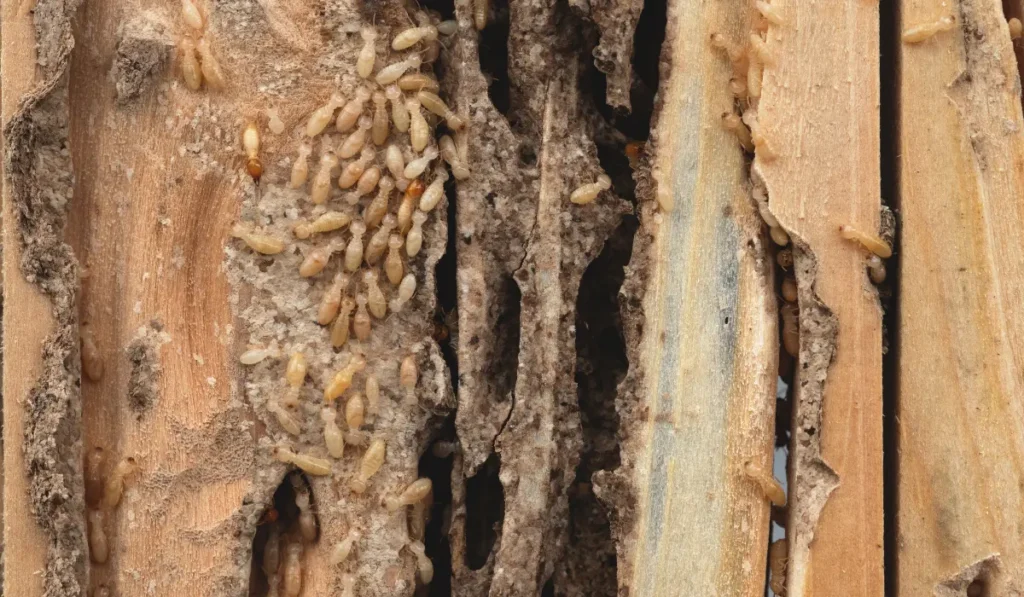
Compared with other common household pests, such as termites or cockroaches, earwigs cause minimal damage. They do not chew wood like a termite or spread bacteria like roaches. Their presence is mostly a nuisance.
Still, earwigs crawling on floors or walls can feel alarming. Their pincher-like appearance makes them seem more dangerous than they are.
Unlike bed bugs, earwigs do not feed on people and do not live in bedding. They wander indoors by accident and often die quickly without moisture.
If you’re dealing with multiple pests, we offer pest control plans that address earwigs and other common household invaders.
How To Prevent Earwigs Around Your Home
To prevent earwigs, focus on moisture control and sealing entry points. Keep mulch several inches away from your foundation. Fix leaky faucets and improve drainage around your home.
Seal cracks around doors, windows, and siding to help keep earwigs out. Keep basements and crawl spaces dry and well ventilated.
Outdoor lights can attract insects that earwigs feed on, so consider using bulbs that attract fewer bugs. Regular home maintenance helps reduce earwig activity.
Making The Right Choice For Earwig Control In The Southeast
Do earwigs crawl in your ear? The answer is no, but earwigs can still be a problem when they invade homes across Alabama, Tennessee, Mississippi, and the Florida Panhandle. The real concern is not myths, but comfort and prevention.
Understanding where earwigs live, why they enter homes, and how to stop them gives you control. Simple changes help, but long-term prevention often requires professional support.
At Waynes Pest Control, we offer trusted pest control services built for Southern homes and conditions. With routine inspections and targeted treatments, you can keep earwigs and other pests where they belong, outside your home.
If earwigs are appearing around your property, contact us today or request a free quote to learn which pest control option best fits your home.
FAQs
Do earwigs crawl in your ear while you sleep in Alabama?
Earwigs do not target people’s ears, even in Alabama’s warm climate. They prefer moist outdoor areas, such as mulch and soil. If insects enter homes, pest control helps reduce entry points common in Southern houses.
Are earwigs common in Tennessee basements?
Yes, earwigs often appear in Tennessee basements because they prefer cool, damp spaces. Improving ventilation and sealing cracks helps, and pest control can prevent repeat problems.
Should Mississippi homeowners worry about earwig infestations?
Earwig infestations in Mississippi are usually seasonal and linked to moisture. They are not dangerous, but pest control services help manage populations and stop them from entering living spaces.