
A persistent musty or oily odor in a kitchen or bathroom that you cannot trace to a spill or drain issue may be coming from cockroaches.
The smell is one of the later signs of an infestation, which means by the time you detect it, a population has likely been active in your Huntsville home for some time.
Understanding what produces that odor, which species are responsible, and what it signals about the size of the problem helps you decide how quickly to act.
Key Takeaways
- Cockroaches produce noticeable odors as their numbers grow, and recognizing that smell early may help you identify an infestation before it becomes harder to manage.
- Correctly identifying the cockroach species in your home matters because different species may call for different control approaches. German cockroaches require a specialized treatment plan.
- Shed skins and droppings left behind by cockroaches can contribute to indoor allergens, making thorough inspection of affected areas an important first step.
- Waynes Pest Control brings over 50 years of experience and a structured service process that includes barrier treatment, interior service, and scheduled follow-ups at no additional cost for reservices.
What Produces a Cockroach Smell
The odor associated with cockroaches comes from several overlapping sources. Cockroaches release aggregation pheromones to communicate with other members of the colony, particularly to signal harborage locations. German cockroaches, in particular, aggregate in fecal deposits, which also contain pheromones that attract other cockroaches to the same spots.
As populations grow, those pheromone compounds accumulate alongside the physical debris from droppings, shed exoskeletons, egg cases, and dead insects. The result is a musty, greasy, oily odor that tends to concentrate near harborage sites and intensifies as the population increases.
The smell is not present from a single cockroach or a small number of individuals. Its appearance as a detectable odor in your home means the population has reached a size and density that warrants serious attention.
In Huntsville’s climate, where cockroach reproduction rates stay elevated through more of the year than in cooler regions, that threshold can be reached faster than homeowners expect.
How to Identify Cockroach Activity in Your Huntsville Home
The odor alone does not tell you which species is present or how far the infestation has spread. Pairing the smell with visual evidence and knowing what to look for in each location helps you build a clearer picture before calling for professional help.
Species Most Likely Responsible for the Smell
German cockroaches are the indoor species most associated with a strong, persistent cockroach odor.
German cockroaches breed continuously with many overlapping generations present at any one time, and their preference for dense harborage in confined kitchen and bathroom spaces creates concentrated pheromone and fecal buildup.
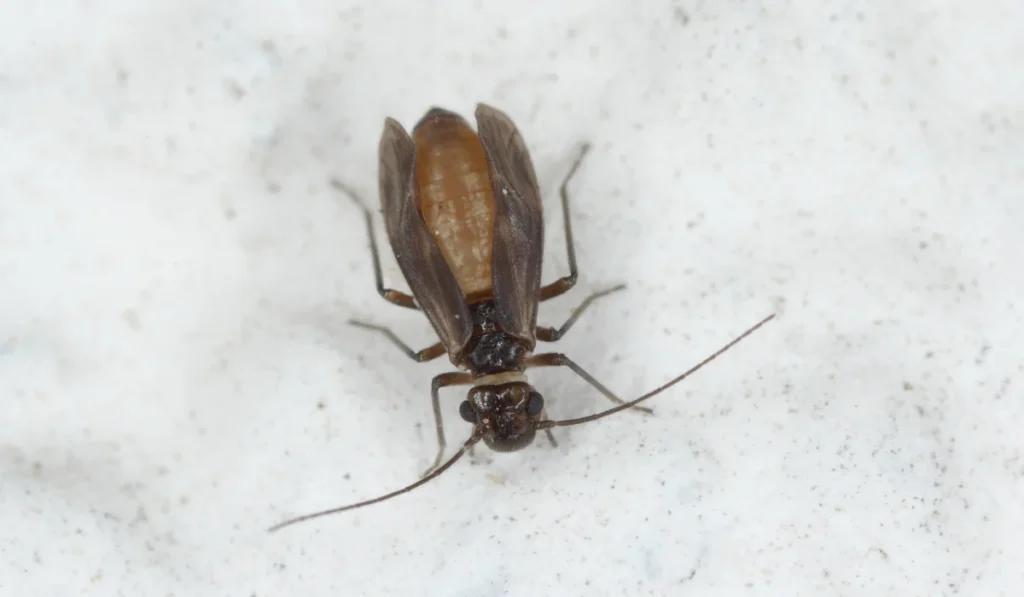
Adults are light brown to tan with two dark parallel stripes behind the head. Nymphs are darker, ranging from dark brown to nearly black, with the same two-stripe pattern and no wings.
Oriental cockroaches are another species associated with a noticeable odor. They prefer cool, damp areas such as basements, drains, and crawl spaces, and their smell tends to concentrate near those locations rather than in kitchens.
American cockroaches produce a less concentrated indoor odor because they breed primarily outdoors, but when they enter in large numbers through drains or foundation gaps, their presence can contribute to the smell in utility rooms and bathrooms at ground level.
Visual Signs That Accompany the Smell
Small pepper-fleck droppings along cabinet edges, drawer tracks, and behind appliances confirm cockroach activity. Shed nymphal skins left along baseboards or inside pantry corners indicate an active, reproducing population.
Egg cases, which are small brown rectangular capsules about one-quarter to three-eighths of an inch long, attached to surfaces inside cabinets or under appliances, point to a female population that has been producing young indoors.
Seeing any cockroach during the day is a meaningful sign. German cockroaches are nocturnal and stay in harborage during daylight hours.
Daytime sightings usually indicate that the population has grown large enough that competition for harborage is pushing individuals into the open during hours when they would normally stay hidden.
Where to Check When You Detect the Smell
Start in the kitchen. German cockroaches aggregate near warmth, moisture, and food, which puts them behind refrigerator motor compartments, under dishwashers, inside cabinet hinges, and along the back edges of drawers near plumbing.
Bathrooms are the second priority, particularly under sinks and around toilet bases where moisture collects. Utility areas near water heaters and washing machine connections are also worth checking.
Sticky trap monitoring placed in these areas can confirm which spaces are most active and give you specimens to examine for species identification. The trap placement that collects the most cockroaches within a few days is usually close to the main harborage site.
Entry Points Cockroaches Use to Get Inside
German cockroaches rarely enter from outside. They arrive through introduced items: used appliances, furniture, grocery packaging, and deliveries are the most common introduction routes.
Shared plumbing walls in multi-unit housing give them a path from one unit to another. Outdoor species like the American and Oriental cockroach enter through gaps around doors, foundation cracks, and drain connections.
Noticing where the odor is strongest can help distinguish between an indoor-breeding population and an outdoor species that is migrating in.
Why Cockroach Smell Problems Develop in Huntsville
Huntsville’s warm summers and mild winters extend the active window for cockroach populations. German cockroaches in particular reproduce faster in warmer conditions, compressing the time between generations and accelerating how quickly a population grows from a small introduction to a noticeable infestation.
What Sustains an Indoor Population
Cockroaches need food, water, and harborage in close proximity to one another. Grease buildup around appliances, moisture under sinks, and undisturbed clutter in storage areas provide all three.
The aggregation pheromones in cockroach fecal deposits actively recruit more cockroaches to the same spots, which is why harborage sites become more heavily populated over time rather than self-limiting.
Removing the food and moisture sources that sustain a population is a necessary part of any control effort, but it does not eliminate cockroaches that are already established inside wall voids and appliance cavities.
How the Smell Worsens Over Time
Cockroach odor compounds accumulate in porous materials, including bare wood, drywall paper, and cabinet interiors. The smell can persist even after successful treatment because residual droppings and pheromone deposits remain on surfaces until they are physically cleaned.
Dead cockroaches breaking down inside wall spaces also contribute to the odor after treatment. That is why cleaning affected harborage areas as part of the control process matters as much as the treatment itself.
Health Risks From Cockroach Infestations in Huntsville
The odor is a symptom of the infestation, not the primary health concern. Two separate issues are worth understanding when cockroach activity is present in your home.
Allergens From Droppings and Shed Skins
Cockroach allergens have the greatest impact on childhood asthma in many U.S. cities. Those allergens come from cockroach droppings, shed nymphal skins, egg capsules, and body fragments that accumulate in harborage sites over time.
In a German cockroach infestation, where the population concentrates in kitchen and bathroom spaces, allergen material builds up precisely in the areas where family members spend the most time.
Vacuuming affected areas with a HEPA filter during cleanout helps prevent that material from becoming airborne during the process.
Bacterial Contamination
Cockroaches forage across waste material, drains, and food preparation surfaces within the same nightly circuit.
Their movement through kitchen areas can transfer pathogens, including Salmonella spp., to surfaces and stored food. The same omnivorous foraging behavior that produces the smell also makes cockroaches a contamination risk in any space where food is prepared or stored.
Professional Cockroach Control for Huntsville Homes
When a cockroach smell becomes noticeable, the infestation has usually grown beyond what surface cleaning or over-the-counter sprays can resolve. An integrated approach that combines inspection, targeted treatment, sanitation, and follow-up gives you the most reliable path to eliminating the odor at its source.
Reduce Attractants First
Removing the food, moisture, and harborage conditions that sustain a cockroach population is the foundation of any lasting control effort.
Store food in sealed containers, address any plumbing leaks, clear clutter from under sinks and inside cabinets, and check any used appliances or furniture brought into the home before placing them.
Inspect packaging from stores before bringing it inside, since cockroaches can hitchhike in paper bags and cardboard boxes. These steps reduce the reward that keeps cockroaches returning to the same harborage sites.
Why Control Starts With Inspection
The smell may seem to come from one area while the main population is concentrated elsewhere.
A professional inspection uses sticky trap monitoring and direct examination of harborage sites to map where activity is heaviest and identify which species are present.
That information determines whether the situation calls for a standard pest control service or the specialized treatment that German cockroaches require. Treating the wrong target wastes time and allows the population to continue growing.
What to Expect During Professional Cockroach Treatment
Waynes creates a barrier around your home during the initial service and performs an internal treatment for cockroaches. Follow-up treatments are scheduled to keep the population down, with no additional cost for reservices. Most cockroach species are covered under the general pest control service.
German cockroaches, because they are harder to manage, require a specialized treatment plan that may include gel baiting at harborage sites, targeted application in appliance voids, and sanitation recommendations specific to the spaces where the population is concentrated.
What to Expect From a Waynes Pest Control Cockroach Plan in Huntsville
Waynes Pest Control has served more than 150,000 customers across Alabama, Mississippi, Tennessee, and the Florida Panhandle for over 50 years. As a member of the EPA’s Environmental Stewardship Program, Waynes builds every plan around what the inspection reveals in your specific home.
A plan built on regular service visits addresses the ongoing nature of cockroach pressure. Because cockroach populations breed continuously and can reintroduce themselves through shared plumbing or introduced items, follow-up visits confirm the infestation is declining and catch any new activity before it builds again.
Dealing with Cockroach Smell in Huntsville
A musty, oily cockroach smell means the infestation has already reached a size and density that is producing visible biological byproducts in your home. The stronger the smell and the more rooms it affects, the further along the problem is.
Correctly identifying the species and addressing harborage conditions are the steps that resolve both the population and the odor it produces.
If you are detecting an unusual smell you cannot explain in your kitchen, bathroom, or utility spaces, contact Waynes Pest Control in Huntsville for an inspection so you know exactly what you are dealing with.
Frequently Asked Questions
Why Do Cockroaches Produce a Smell?
Cockroaches release aggregation pheromones that concentrate in harborage sites alongside droppings, shed skins, egg cases, and dead insects.
That accumulation of biological material and chemical compounds produces the musty, oily odor homeowners associate with an infestation. The smell intensifies as the population grows because more individuals are producing pheromones and depositing waste in the same concentrated areas.
Does the Smell Mean I Have a Large Infestation?
A detectable odor usually means the population has been present long enough and grown large enough to leave behind noticeable material. It is not a sign of a single wandering cockroach. Having the affected areas inspected helps confirm the species and the scope of the activity before deciding on next steps.
Are German Cockroaches Harder to Treat Than Other Species?
Yes. German cockroaches require a specialized treatment plan rather than a general pest control service. They breed entirely indoors, reproduce continuously, and concentrate in harborage sites inside appliances and cabinet voids that surface sprays do not reach.
Waynes creates a barrier around the home, performs an internal service, and schedules follow-up treatments to keep the population down with no additional cost for reservices.
What Can I Do While Waiting for Professional Help?
Reduce moisture and food sources that attract cockroaches. Keep counters and floors clean, store food in sealed containers, and fix any leaky pipes or faucets.
Avoid using broad aerosol sprays inside cabinets, which can scatter cockroaches into new harborage sites and make a professional treatment harder to complete effectively. These steps limit activity but will not eliminate an established population on their own.