
Roaches in bathroom spaces thrive on moisture, warmth, and hidden entry points. Here’s what attracts them and how to get rid of them.
Key Takeaways
- Bathrooms provide moisture, food sources, and dark corners that sustain roaches even in a clean bathroom.
- German cockroaches, American cockroaches, and the oriental cockroach are the three species most commonly found in Southeast bathrooms, each requiring a different approach.
- Sealing entry points, fixing leaks, and reducing moisture controls most bathroom roach problems before they spread to other rooms.
- Waynes creates a barrier around your home during the initial service, treats the interior, and schedules follow-up treatments at no additional cost for reservices.
What Attracts Roaches to Bathroom Spaces
Cockroaches need water more than food, and bathrooms provide the most reliable water source in any home. Leaky pipes under the sink, dripping faucets, condensation on toilet tanks, and standing water in shower corners create the damp areas roaches depend on. Even a slow drip from a single pipe fitting can sustain roaches for weeks. Poor ventilation traps humidity after every shower, pushing moisture into tile cracks, grout lines, and wall voids where cockroaches nest.
Hidden Food Sources That Sustain Roaches in Bathroom Areas
A clean bathroom still feeds roaches. Soap scum, toothpaste residue, shed skins, and skin cells provide enough nutrition to keep a population going. Drain buildup from organic matter and hair creates a food supply that is invisible to most homeowners. Wet towels left on the floor, damp bath mats, and cardboard stored under vanity cabinets add to the problem. Anything organic and moist qualifies as a meal for cockroaches in your bathroom.
Why Cockroach Allergens in Bathroom Spaces Are a Health Issue
Cockroach droppings, shed skins, and egg casings trigger asthma and allergy symptoms, particularly in children. Research published in the Annals of Allergy, Asthma & Immunology identifies cockroach allergens as a major indoor asthma driver, with exposure concentrated in the rooms where roaches spend the most time. Bathrooms rank among the highest-risk rooms because roaches nest close to food, moisture, and harborage simultaneously. Reducing cockroach activity in your bathroom directly lowers allergen load throughout your home.
How German Cockroaches Spread Pathogens in Bathroom Spaces
German cockroaches actively carry and shed Salmonella, making bathroom contact surfaces a genuine concern. A 2023 study published in Ecology and Evolution documented horizontal transfer of Salmonella Typhimurium among German cockroaches, confirming that the bacteria spreads cockroach-to-cockroach as well as from roach to surface. Bathrooms concentrate this risk because roaches move between drains, counters, and shared surfaces within a small area. The case for professional cockroach control is not cosmetic. It is a public health decision.
How Roaches Get Into Bathroom Areas in the First Place
Most roaches enter bathrooms through gaps you cannot see without looking for them. Small cracks around plumbing penetrations, worn caulk along baseboards, and openings where pipes pass through walls give cockroaches direct access. Floor drains without proper drain covers or a dry p trap act as open doors. Crawl spaces beneath bathrooms let roaches travel upward through wall voids into the room above. Sealing entry points at every pipe, vent, and baseboard gap removes the most common travel paths.
American Cockroaches in Bathroom Drains and Crawl Spaces
American cockroaches are the largest roaches commonly found indoors, reaching up to two inches long. They are reddish brown with a yellowish figure-eight pattern behind the head. These roaches prefer damp basements, crawl spaces, and floor drains, entering bathrooms through plumbing access points when outdoor conditions push them inside. Heavy rain and humidity across Alabama, Tennessee, Florida, and Mississippi drive American cockroaches indoors each year. A single sighting in your bathroom often means a population is nesting in the crawl space below, not in the bathroom itself.
German Cockroaches in Bathroom Walls and Vanity Cabinets
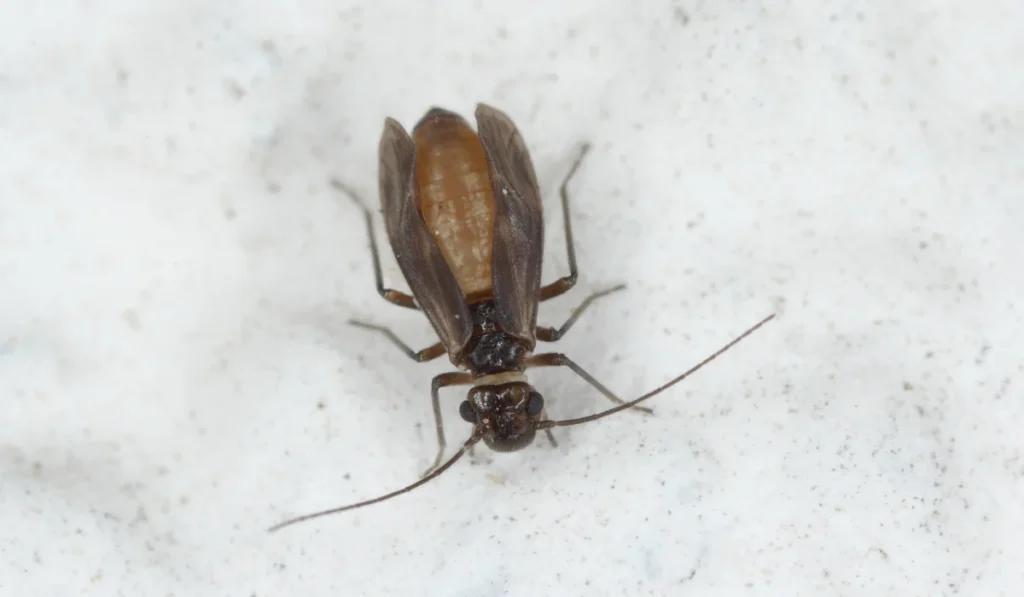
German cockroaches nest indoors, breed continuously, and rarely leave the structure once established. Adults are light brown to tan with two dark stripes behind the head. Nymphs appear dark brown to black with the same stripes. They prefer to run rather than fly. A single female German cockroach can produce up to 400 offspring in her lifetime, which is why even a small bathroom population grows fast. If you see baby roaches or baby cockroaches in your bathroom, active reproduction is already underway inside your walls.
Oriental Cockroach Activity in Bathroom Drains
The oriental cockroach thrives in the coolest, dampest corners of your home, making floor drains and leaky pipes its preferred territory. Dark brown to black with a glossy shell, this species is commonly found near floor drains, under vanity cabinets, and along basements connected to bathroom plumbing. Oriental cockroaches move more slowly than German or American species and produce a persistent musty odor that intensifies with cockroach activity. If you notice a smell near your bathroom drain, check for shed skins and droppings along baseboards and behind the toilet.
How to Get Rid of Roaches in Bathroom Spaces
Effective cockroach control in a bathroom requires fixing the conditions that attract roaches, not just treating the roaches you see. The EPA’s integrated pest management framework recommends addressing moisture, food sources, and entry points before applying any targeted treatment. That sequence matters because roaches driven out of one area by surface sprays relocate into wall voids, other rooms, and plumbing access panels where they continue to breed.
Fix Leaks and Reduce Moisture in Bathroom Areas
Repair leaky faucets and tighten pipe joints under the sink before doing anything else. Run your exhaust fan during every shower and for 15 minutes after. If your bathroom lacks an exhaust fan, open a window or use a portable fan to reduce humidity. Wipe surfaces dry after each use, hang wet towels on racks rather than leaving them on the floor, and store bath mats upright between uses. Reducing moisture removes the primary reason roaches choose your bathroom over other rooms.
Clean Drains and Remove Food Sources to Starve Bathroom Roaches
Clean drains weekly to cut the organic buildup that feeds roaches. Pour hot water down each drain, then scrub the drain opening with a stiff brush. Remove soap scum from shower walls, around faucets, and behind the toilet base. Wipe toothpaste residue from counters and sinks each night. Clear out everything stored under the sink, including cardboard boxes, old bottles, and anything roaches can feed on or hide behind. Regular cleaning removes the food sources that sustain roaches between other control measures.
Seal Bathroom Entry Points to Keep Roaches Out
Apply silicone caulk around every pipe that passes through a wall or floor. Replace worn weatherstripping around bathroom doors. Install drain covers on floor drains and seal drains that are not in use. Inspect tile cracks around the tub and shower for gaps that allow roaches to travel through wall voids. In homes with crawl spaces, check subfloor access points for openings. Sealing these entry points blocks the routes cockroaches use to enter your bathroom from basements, crawl spaces, and adjacent rooms.
Use Sticky Traps to Monitor Roaches in Your Bathroom
Sticky traps placed near drains, behind the toilet, and under the sink reveal the scope of the problem within 48 hours. Check the traps every two days. If you catch roaches on multiple traps, or if you catch baby roaches, the infestation persists beyond what basic cleaning and sealing can resolve. Surface sprays contact roaches on exposed surfaces but do not reach colonies nesting in wall voids, behind fixtures, or inside plumbing access panels. These products also push roaches into other rooms rather than controlling them at the source.
When to Call Waynes for Bathroom Roach Control
Call Waynes when roach sightings continue after you have cleaned, sealed, and trapped. Repeated cockroach activity, egg cases in dark corners, finding roaches in your guest bath, and catching baby cockroaches on multiple traps all point to a population nesting behind walls or beneath the floor. That level of activity requires professional treatment to reach the colonies that DIY methods cannot access.
Waynes creates a barrier around your home during the initial service, performs an interior treatment targeting active cockroach populations, and schedules follow-up visits at no additional cost for reservices. German roaches require a specialized treatment plan because their nesting behavior and rapid reproduction differ from other species. German roaches are harder to address and require a special treatment plan, while most other cockroaches are covered in the general pest control service.
Waynes has served more than 150,000 families across Alabama, Tennessee, Florida, and Mississippi over 50 years. The company has been a member of the EPA Pesticide Environmental Stewardship Program since 2004, and every treatment plan follows application protocols designed to minimize exposure for children and pets. Every little thing matters. A LOT.
Bottom Line on Roaches in Bathroom Spaces
Bathrooms attract cockroaches because they provide moisture, food sources, and hidden entry points that few other rooms can match. The Southeast’s humid environments and mild winters keep roach populations active year-round, pushing them toward the dampest room in your home. Fixing leaks, cleaning drains, and sealing plumbing penetrations handles most bathroom roach problems at the source. When those steps are not enough, professional treatment reaches the wall voids and crawl spaces where colonies nest out of reach.
If bathroom roaches keep appearing after you have cleaned, sealed, and trapped, contact Waynes to schedule an inspection at your home.
Frequently Asked Questions
Why do roaches keep coming back to my bathroom?
Roaches return to bathrooms because moisture, food sources, and unsealed entry points remain available. Even one leaky pipe or uncovered floor drain gives cockroaches a reason to stay. Fix leaks, clean drains weekly, and apply caulk around every plumbing penetration to prevent roaches from returning after treatment.
Does one roach in the bathroom mean I have an infestation?
One roach does not confirm an infestation, but it signals that conditions in your bathroom attract cockroaches. Place sticky traps near drains and under the sink. If you catch multiple roaches or baby cockroaches within a few days, more are hiding nearby in wall voids or behind fixtures, and professional treatment is worth scheduling.
What is the difference between German and American cockroaches in bathrooms?
German cockroaches are small, light brown with two dark stripes, and nest indoors near moisture sources. American cockroaches are larger, reddish brown, and typically enter from outdoors through drains and crawl spaces. German roaches reproduce faster and require a targeted treatment plan, while American cockroaches respond well to Waynes’ standard cockroach control service.
How does Waynes treat roaches in bathrooms?
Waynes creates a barrier around your home, performs an interior treatment targeting active cockroach populations, and schedules follow-up visits at no additional cost. German roaches receive a specialized treatment plan because they nest in hidden areas and resist approaches designed for other species. Most other cockroaches are covered under the general pest control service.