If you have lived in Panama City long enough, you have almost certainly encountered a large roach and heard someone call it a palmetto bug.
That label causes more confusion than it resolves. In Florida, “palmetto bug” can refer to several different species depending on who is using the term, and telling them apart matters because outdoor roaches that wander in occasionally call for a different response than species that breed entirely indoors.
Knowing what you are actually dealing with is the starting point for everything else.
Key Takeaways
Field Guide · Panama City, FLAmerican cockroach vs palmetto bug in Panama City
Palmetto bug is a nickname for several large roaches, most often the American cockroach. Indoor breeders differ.
1German cockroach
Indoor breeder, hardest to manage
IDSmaller and lighter in color with two dark stripes running behind the head.
WhereLives and breeds entirely indoors, building populations in kitchens and food preparation areas. Sometimes harbors in electronics.
NoteRequires a dedicated treatment plan with baiting and targeted harborage work. Allergens can worsen asthma, especially in children.
2American cockroach (palmetto bug)
Largest indoor roach, about 1.5 inches
IDReddish-brown, about one and one-half inches long, with a yellowish figure-eight marking behind the head. Can fly.
WhereOften lives outdoors in sewers and humid areas, entering through sewer connections, plumbing lines, and gaps around doors and utilities.
NoteSewer contact lets it carry bacteria onto indoor surfaces. The most common large roach encountered indoors.
3Smokybrown cockroach
Tree-dwelling palmetto bug look-alike
IDSimilar in size to the American cockroach and frequently misidentified as one.
WhereTreeholes, attics, crawl spaces, and sheds. The most common roach in suburban Southern neighborhoods with mature hardwoods.
NoteLarge outdoor populations push inside when conditions change. Migrates along vegetation touching the roofline or walls.
4Oriental cockroach
Dark water bug of cooler, damp areas
IDDark brown, about one to one and one-quarter inches long. Sometimes called a water bug or water beetle.
WhereCooler, damper areas than other large species.
NoteShows up where moisture collects. Reducing dampness makes these areas less hospitable.
5Asian cockroach
Flier that heads toward light at night
IDAppears near homes and flies readily toward light sources, which is rare among roaches.
WhereNear homes, drawn to light at night.
NoteIts flight toward light makes it easier to distinguish from other species after dark.
- “Palmetto bug” is a common nickname for the American cockroach, not a separate species. Understanding that difference helps you choose the right approach to dealing with roaches in your home.
- American cockroaches are among the largest roaches you may encounter indoors, and they can be distinguished from other species by their reddish-brown coloring and visible wings.
- Several cockroach species, including German cockroaches, may also show up in homes but differ in size, habits, and where they prefer to hide.
- Proper identification matters because different roaches may call for different treatment plans, and getting rid of an infestation starts with knowing exactly what you are dealing with.
How to Identify an American Cockroach Vs a Palmetto Bug in Panama City
“Palmetto bug” is an informal name that homeowners use for several cockroach species, most often the American cockroach. Because the label is not tied to one species, it can cause confusion when you are trying to figure out what is actually in your home. Knowing which species you are dealing with matters because some live outdoors and only wander inside temporarily, while others breed entirely indoors.
What “Palmetto Bug” Actually Means in Florida
In Florida, the larger cockroaches including the American, Australian, brown, and smokybrown are generally called
palmetto bugs. Though they are found primarily outdoors, they can become indoor problems when they migrate or are carried inside. The Florida woods cockroach is another species that carries the palmetto bug name locally. The term “palmetto bug” has no single official species behind it and
has been applied loosely to any large cockroach frequently encountered as a peridomestic pest, including the American cockroach and the smokybrown cockroach.
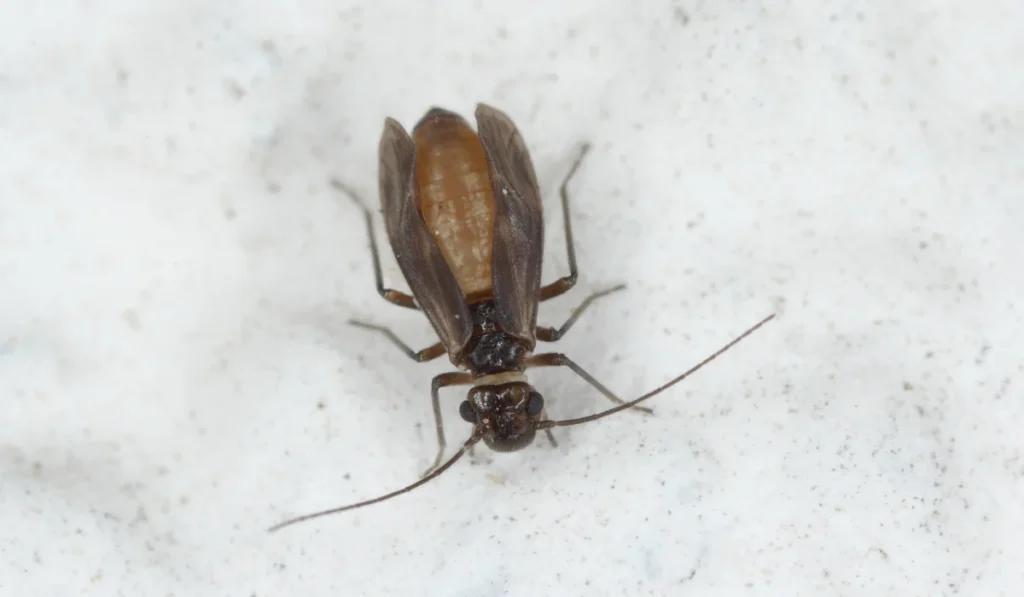
The American cockroach is the most common large roach encountered indoors. It is reddish-brown, about 1 and one-half inches long at maturity, with a yellowish figure-eight marking behind the head. Both adults can fly, which gives them additional ways to reach upper-level entry points. Panama City’s warm, humid Gulf Coast climate means outdoor cockroach populations stay active for more of the year than in cooler parts of the country, which increases pressure on homes year-round.
Other Species You May Encounter in Panama City
The smokybrown cockroach is the most common cockroach in suburban Southern neighborhoods where mature hardwood trees are present. These roaches commonly live in treeholes, attics, crawl spaces, and sheds, and are frequently misidentified as American cockroaches due to their similar size. The Oriental cockroach is sometimes called a water bug or water beetle. It is dark brown, about one to one and one-quarter inches long, and tends to show up in cooler, damper areas than other large species.
The Asian cockroach is another species that can appear near homes. It flies readily toward light sources, which is rare among cockroach species and makes it easier to distinguish from others at night. German cockroaches are smaller and lighter in color, with two dark stripes running behind the head, and they live and breed entirely indoors rather than migrating from outside.
How to Confirm Which Species You Have
Sticky traps are a useful tool for capturing roaches so you can compare them at your convenience rather than relying on a quick glimpse of a fast-moving insect. Placing traps in areas where you have noticed activity gives you a specimen to examine more carefully. The location where you find activity also offers clues: cockroaches spotted near food-preparation areas point toward an indoor-breeding species, while roaches near ground-level entry points or drains more likely come from outside.
Entry Points Cockroaches Use to Get Inside
Sewer connections and plumbing lines give American cockroaches a direct route from outdoor waste systems into your home. Gaps around doors, window frames, and where utility lines pass through exterior walls provide additional access. Trees and shrubs touching the roofline or exterior walls serve as pathways for American and smokybrown cockroaches, which migrate into houses from overhanging vegetation. Sealing these gaps reduces how often outdoor species wander in, though it does not address indoor-breeding species already established inside.
Why American Cockroach and Palmetto Bug Problems Develop in Panama City
Panama City’s warm, humid Gulf Coast climate extends the active season for outdoor cockroach populations and supports more species than most of the country. Florida is home to over 25 native cockroach species, and the combination of heat, humidity, and proximity to natural vegetation means pressure on homes is continuous rather than seasonal.
Outdoor Conditions That Support Cockroaches
American cockroaches often live outdoors in sewers and humid areas where they may come into contact with waste material. That sewer contact makes them capable of carrying bacteria, including
Salmonella spp. and
Shigella spp. onto the food preparation surfaces they cross indoors. Smokybrown cockroaches live in treeholes, roof areas, and moist outdoor debris, and large outdoor populations create steady pressure on nearby homes when conditions push them inside.
What Keeps Cockroaches Coming Back
Cockroaches are drawn to the same things regardless of species: accessible food, moisture, and undisturbed shelter. Areas where food residue builds up, standing water collects under appliances, or clutter provides hiding spots give cockroaches reasons to stay.
German cockroaches in particular are able to mechanically transmit bacteria picked up in their environments, including Salmonella, due to their omnivorous foraging behavior. German cockroaches also sometimes harbor in unexpected spots including radios, televisions, and other electrical appliances, which is why inspecting used electronics or furniture before bringing them inside matters.
Risks From American Cockroaches and Palmetto Bugs in Panama City
The practical concerns are the same whether the roach is called a palmetto bug, a waterbug, or an American cockroach. The primary issues are bacterial contamination, allergen buildup, and the harder problem of indoor-breeding species once established.
Health and Contamination Risks
American cockroaches move between sewers, outdoor waste, and interior surfaces, depositing pathogens along the way. German cockroaches pose an additional concern because they breed entirely indoors and build populations quickly in kitchens and food preparation areas. Their allergens, from droppings, shed skins, and body fragments, accumulate in living spaces and can worsen asthma symptoms, particularly in children.
Species That Are Harder to Manage
Outdoor roaches that wander inside occasionally do not survive well indoors long-term. The concern is different for German cockroaches, which require a dedicated treatment plan rather than general pest control. Without a species-specific approach, German cockroach populations can grow quickly despite surface-level treatments that do not reach their harborage sites.
When to Take a Closer Look
A single roach sighting does not always mean a large population is present, but it warrants a closer look. Because multiple species can share the same neighborhood in Panama City, accurate identification matters before you decide how to respond. A smokybrown cockroach may be living in a treehole just outside while a German cockroach has already established a population in your kitchen. Those two situations call for different approaches.
Professional Cockroach Control for Panama City Homes
The practical difference between dealing with a palmetto bug and dealing with a German cockroach is less about the name and more about how thoroughly your home is inspected, sealed, and treated. An integrated approach that combines those three elements produces more reliable results than treating without knowing the full scope of the situation.
Reduce What Draws Cockroaches Indoors
Reducing food debris, standing water, and clutter removes the resources that draw roaches inside and give them reasons to stay. Trimming vegetation that touches your roofline or exterior walls reduces the pathways outdoor species use to migrate inside. Keeping food in sealed containers and addressing moisture under sinks and around plumbing fixtures makes your home less hospitable to indoor-breeding species as well as outdoor visitors.
Why Control Starts With an Inspection
Cockroaches are best controlled through an integrated pest management process of inspection, sanitation, exclusion, and the use of low-toxicity treatments. A thorough inspection identifies harborage sites, entry points, and infestation size. Without that step, treatment can miss the areas where roaches actually live. A service professional who completes a full inspection can tell you which species is present, where they are harboring, and whether the activity points to an outdoor population pushing in or a breeding population already inside.
What to Expect During Professional Cockroach Treatment
Waynes creates a barrier around your home during the initial service and performs an internal treatment for cockroaches. Follow-up treatments are scheduled to keep populations down, with no additional costs for reservices. Most cockroach species other than German cockroaches are covered under the general pest control service. German roaches, because they are harder to manage, require a specialized treatment plan with baiting and targeted harborage treatments.
What to Expect From a Waynes Pest Control Cockroach Plan in Panama City
Waynes Pest Control has served more than 150,000 customers across the Florida Panhandle, Alabama, Mississippi, and Tennessee for over 50 years. As a member of the EPA’s Environmental Stewardship Program, Waynes builds every plan around what the inspection reveals in your specific home.
A complete control plan combines exclusion, sanitation guidance, and targeted treatment. Ongoing service visits address the continuous pressure that Panama City’s climate creates, since cockroach populations stay active year-round rather than slowing down with the seasons.
Bottom Line: Are They the Same Bug?
The American cockroach and the palmetto bug are the same insect under different names. In Panama City, the term is used even more loosely and may refer to the smokybrown cockroach, the Florida woods cockroach, or other large outdoor species as well. Knowing this helps you skip the naming confusion and focus on what matters: identifying the species accurately, keeping roaches out through consistent sanitation and sealed entry points, and getting professional help when populations are already established. If you are seeing large roaches indoors regularly,
contact Waynes Pest Control in Panama City for a thorough inspection and a treatment plan tailored to your home.
Frequently Asked Questions
Are Palmetto Bugs and American Cockroaches the Same Thing?
In most cases, yes. “Palmetto bug” is an informal name most commonly applied to the American cockroach, though in Florida the term is also used for the smokybrown cockroach, the Florida woods cockroach, and other large outdoor species. Regardless of the name, the species involved determines the right treatment approach.
Why Do People Use Different Names for the Same Roach?
Regional habit drives most of the confusion. In parts of the Southeast, “palmetto bug” became the everyday term for any large cockroach, while “American cockroach” is the standard name used in pest management. In Florida specifically, the term has been applied loosely enough that it can cover multiple species, which is one reason accurate identification by a professional matters.
Should I Handle a Palmetto Bug Differently Than Other Cockroaches?
American cockroaches and most other outdoor species are generally covered under a standard pest control service. German cockroaches require a specialized treatment plan because they breed indoors and are harder to control. If you are unsure which species you have, a professional inspection will identify the roach and help you choose the right approach.
What Can I Do to Prevent Large Roaches From Getting Inside?
Focus on reducing moisture, removing food sources, and sealing gaps around doors, pipes, and utility openings. Trim back any vegetation touching the roofline or exterior walls, since outdoor roach species migrate into homes along those pathways. Keeping things clean and dry makes your home less attractive, and pairing those habits with routine professional service helps maintain a barrier that discourages roaches from moving indoors.