
German cockroaches are the most common and most difficult indoor cockroach problem in Panama City homes. They reproduce faster than other species, stay hidden close to food and moisture, and require a treatment approach that differs entirely from general pest control. Catching them early and understanding what sustains a population gives you the best chance of staying ahead of an infestation before it becomes entrenched.
Key Takeaways
- German cockroaches are light brown to tan with two dark stripes behind the head. Correct identification matters because they require a specialized treatment plan, not a standard general pest spray.
- Kitchens and bathrooms are the primary zones of activity. Droppings near food storage, under sinks, and along appliance edges are the signs most worth acting on early.
- Reducing food access, fixing moisture sources, and sealing gaps are the prevention steps with the most consistent impact. German cockroaches need very little to sustain a population.
- Waynes Pest Control provides a specialized German cockroach treatment plan that includes an initial barrier and interior service, followed by scheduled follow-up visits at no additional reservice cost.
How to Identify German Cockroaches in Your Panama City Home
Correct identification is the foundation of any cockroach control plan. Different species hide in different locations, reproduce at different rates, and respond differently to available products. Treating for the wrong species wastes time and leaves the actual infestation in place. University of Florida Entomology and Nematology provides identification resources for cockroach species found across the Florida Panhandle, including German cockroaches and the look-alike species common to the Panama City area.
What German Cockroaches Look Like
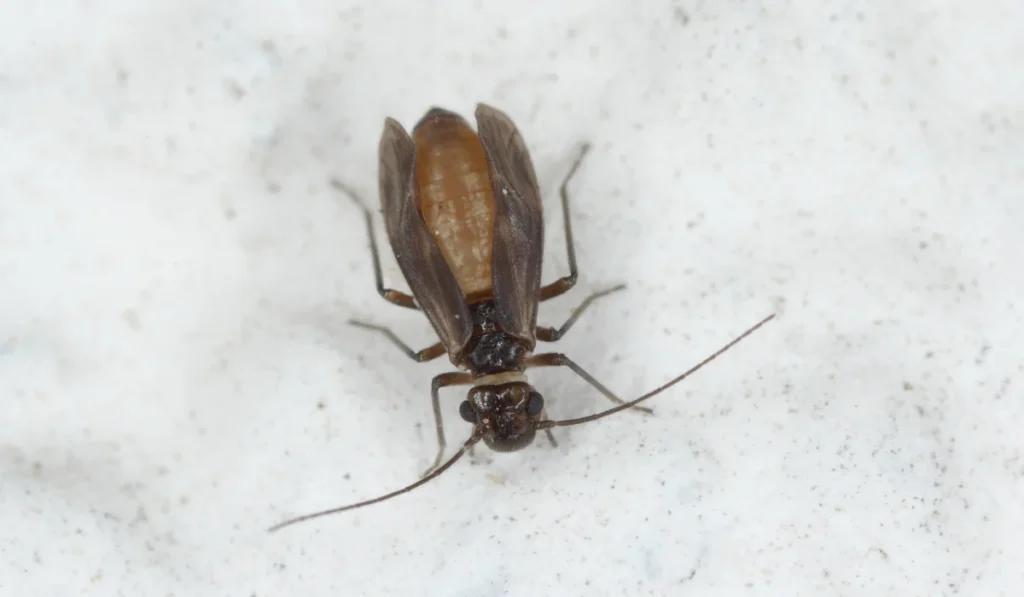
Adult German cockroaches are light brown to tan with two distinct dark parallel stripes running from behind the head down the length of the thorax. They measure roughly half an inch in length. Nymphs are darker, ranging from dark brown to nearly black, but carry the same two-stripe pattern that makes this species identifiable even before reaching adult size. German cockroaches rarely fly and almost always run, which helps distinguish them from species that take flight when disturbed.
Telling German Cockroaches Apart from Other Panama City Species
Panama City’s climate supports several cockroach species that may appear alongside or be mistaken for German cockroaches. The Asian cockroach looks similar to the German cockroach in size and coloring but flies readily and is attracted to lights, which sets it apart quickly. Asian cockroaches are particularly relevant to Florida, where the species was first documented in the late 1980s and has spread across the state. Smokybrown cockroaches are larger, uniformly dark, and common in suburban neighborhoods with mature trees. They typically live in tree cavities, attics, and crawl spaces rather than kitchens and bathrooms. Brown-banded cockroaches are smaller and prefer drier conditions with starchy food sources, which differs from the moisture-preferring German cockroach. Knowing which species is present determines where to look and what treatment approach applies.
Signs of Activity Inside Your Home
Droppings are the most reliable early sign. German cockroach droppings are small and dark, resembling coarsely ground black pepper, and accumulate along the edges and corners where roaches travel. Finding them near food storage areas, in drawers, inside cupboards, and under sinks points directly toward an active population. A single sticky trap placed in a suspected activity zone can confirm whether German cockroaches are present and give you a rough sense of how widespread activity has become. Because German cockroaches stay close to food and moisture, placing traps under the sink and behind the refrigerator gives you the most useful results.
Where Activity Concentrates in Panama City Homes
German cockroaches favor warm, humid spaces in the 70 to 75 degree range close to food and water. Kitchens and bathrooms are the primary zones. Check behind appliances, inside cabinet hinges, under the refrigerator, around the base of the stove, and in the gap between the countertop and the wall. These narrow, dark, warm spaces close to food and moisture sources are where German cockroach populations concentrate and where eggs are deposited. Activity in dining areas, laundry rooms, or storage closets near kitchens is a secondary sign that the population has grown large enough to expand beyond the primary harborage.
Why German Cockroach Problems Develop in Panama City
Panama City’s warm, humid climate extends favorable conditions for German cockroaches through much of the year. Combined with the consistent indoor temperatures and food availability inside a home, these pests can sustain and grow a population quickly if the conditions that support them are not removed.
What Draws German Cockroaches Into a Home
German cockroaches are primarily indoor pests, not outdoor species that wander inside. They arrive almost exclusively through introduction, most often hitchhiking inside grocery bags, cardboard boxes, secondhand appliances, and furniture that was previously in an infested space. A quick inspection of bags and containers before bringing them inside is one of the simplest prevention habits available. Once a small number establish indoors near food and moisture, a population can develop quickly because of this species’ high reproductive rate relative to other cockroaches.
What Sustains an Indoor Population
Food residue, moisture, and undisturbed harborage are the three conditions that sustain a German cockroach population. Crumbs along appliance edges, grease buildup behind the stove, food in unsealed containers, pet food left in open bowls, and drips from a leaking pipe under the sink all provide what the colony needs to keep reproducing. These pests need very little food to maintain a population, which is why thorough and consistent kitchen cleanliness matters more for this species than for most other household insects.
How Moisture Supports the Colony
Leaking pipes, condensation on plumbing, and standing water near the foundation all create the moisture conditions German cockroaches prefer. Repairing leaks promptly, drying areas that accumulate moisture, and insulating pipes to reduce condensation removes harborage conditions around the structure. This is particularly relevant in Panama City’s climate, where ambient humidity means that even minor plumbing issues can create persistently damp conditions inside walls and under sinks.
How Cockroaches Travel Through a Home
German cockroaches move along consistent paths between moisture, food, and harborage, following edges and tight surfaces rather than crossing open floor space. Their movement corridors run along cabinet interiors, behind drawers, under appliances, and through gaps around pipes and conduit. In multi-unit buildings or homes with shared walls, they can also travel between units through those same structural pathways. Regular vacuuming along these corridors removes food debris, egg cases, shed skins, and droppings that accumulate and sustain populations over time.
Risks of a German Cockroach Infestation
German cockroaches are among the most consequential insect pests in homes, schools, and food service environments. The risks they create go beyond the visible presence of insects in your kitchen.
Health Concerns
Cockroaches travel through unsanitary environments and carry those contaminants onto food preparation surfaces, cooking equipment, and stored goods. They are associated with the transfer of bacteria and have been linked to increased allergy and asthma symptoms, particularly in children with repeated exposure to cockroach allergens. Vacuuming during cleanup should use a HEPA or allergen-screening filter to prevent disturbed allergen particles from becoming airborne during cleaning. This precaution is especially relevant in Panama City homes where activity in kitchens and bathrooms can introduce allergens into living spaces on a daily basis. The EPA’s residential pest control guidance identifies cockroach allergens as a significant indoor air quality concern in homes with active infestations.
Why German Cockroaches Are Harder to Control Than Other Species
German cockroaches reproduce faster than most other cockroach species and concentrate in areas of the home that are heavily used for food preparation and storage. A female can produce an egg case holding 30 to 40 eggs every few weeks, and development from egg to reproductive adult can occur in as little as 40 days under warm conditions. That reproductive rate means a small overlooked population can grow into a significant infestation within a single season. It also means that treatments effective against other cockroach species, including broad-spectrum sprays and foggers, are not adequate for German cockroaches and may disperse the population without eliminating it.
Other Cockroach Species in the Panama City Area
The smokybrown cockroach is the species most commonly encountered in suburban Panama City neighborhoods with mature landscaping. It lives in tree cavities, attics, crawl spaces, and sheds, moving toward structures when conditions change. The Asian cockroach, well established in Florida, behaves like the German cockroach in size and appearance but disperses via flight and is drawn to lights. When multiple species are active around a property simultaneously, the overall pest pressure increases and prevention becomes more difficult to manage through homeowner steps alone.
When to Investigate Further
Finding even a single German cockroach during routine cleaning warrants a closer look. This species stays hidden and only becomes visible when population density pushes individuals into open areas. A single sighting during daylight hours typically means a much larger population is active in hidden areas. Checking behind and under appliances, inside cabinet hinges, and along the gap between the counter and wall with a flashlight gives you a more accurate picture of actual activity levels.
Professional German Cockroach Control in Panama City, FL
German cockroach prevention and control require a layered approach. Homeowner habits reduce what sustains the population, but when an infestation is already established, professional treatment is necessary to reach the colony in the harborage areas where it reproduces.
Reducing What Draws German Cockroaches In
Removing the food, water, and hiding places that sustain a cockroach population is the most important homeowner step. Keep kitchen surfaces wiped down after cooking. Store food in hard-sided sealed containers. Empty pet food bowls between feeding times. Fix leaking pipes and dripping faucets under sinks. Keep the area behind and under appliances as clean as accessible. Empty and clean garbage cans on a regular schedule rather than allowing residue to accumulate.
Inspect bags, boxes, and secondhand items before bringing them inside. This single habit addresses the primary introduction route for German cockroaches, which almost never enter a home on their own from outdoors. Seal holes and crevices around walls, doors, and utility penetrations to limit movement between units in attached homes and from neighboring apartments. Even small gaps are wide enough for German cockroaches to pass through.
Why Inspection Comes First
A visual inspection of warm, humid areas near food and water sources gives you and a service professional a starting point for understanding the scope of activity. Monitoring traps placed in suspected zones confirm which species is present and provide a rough indicator of population size before any treatment is applied. Professional service teams are trained to identify the subtle signs of German cockroach activity that homeowners routinely overlook, including harborage areas inside appliance housings and along structural gaps that are not visible without targeted inspection.
Waynes service professionals conduct an interior inspection at the initial service to locate problem areas and determine the correct treatment approach before any product is placed. That walkthrough shapes every subsequent decision in the control plan.
What Treatment Involves
German cockroaches require a specialized treatment plan that differs from the general pest control service used for other species. Bait products are the primary tool for German cockroach control. They are placed in the harborage areas where cockroaches concentrate, and workers carry the product back to the colony, affecting the population rather than only the individuals visible during treatment. Broad-spectrum sprays and foggers are not effective for this species and can scatter the population without eliminating it. Waynes uses bait-based treatment matched to the harborage zones identified during inspection rather than a surface-only approach.
The initial Waynes service creates a barrier around the home and includes an internal service for the cockroaches present. Follow-up treatments are then scheduled to address the infestation over time, with no additional costs for reservices.
What the Control Plan Covers
A German cockroach control plan from Waynes pairs your ongoing prevention habits with professional bait placement and scheduled follow-up visits. You handle the consistent removal of food, water, and harborage. The Waynes service team handles treatment application, follow-up monitoring, and return visits if activity persists between scheduled services.
Most other cockroach species are covered under a general pest control service, but German cockroaches require that separate, more intensive plan. Structured follow-ups are what make the difference between temporary improvement and lasting control. Every little thing matters. A LOT.
Bottom Line
Preventing German cockroaches in your Panama City home comes down to removing the food, moisture, and hiding places they depend on, inspecting what you bring inside, and sealing gaps that allow movement through the structure. When prevention alone is not enough, or when an infestation is already active, a treatment plan built around bait rather than spray is what reaches the colony rather than just the visible individuals. Waynes Pest Control provides the specialized approach German cockroaches require, with an initial barrier and interior service followed by scheduled treatments at no extra cost. If you are seeing signs of activity, contact Waynes to set up an inspection and get started.
Frequently Asked Questions
What Do German Cockroaches Look Like?
Adults are light brown to tan, roughly half an inch long, with two dark parallel stripes running behind the head along the thorax. Nymphs are darker brown to nearly black but carry the same distinctive striping. German cockroaches rarely fly and almost always run. That combination of coloring, stripes, and ground-level movement distinguishes them from most other cockroach species found in Panama City.
Why Does Correct Identification Matter?
Different cockroach species live in different locations and respond to different control approaches. German cockroaches require a bait-based treatment plan applied to interior harborage areas, which is different from the exterior spray approach that addresses other common species. Treating for the wrong species leaves the actual infestation in place while resources and time are spent on an ineffective approach.
Can I Prevent an Infestation on My Own?
Homeowner prevention steps reduce the conditions that support a population and are worth maintaining consistently. Removing food and moisture, sealing gaps, and inspecting incoming bags and boxes address the primary drivers of German cockroach introduction and growth. When an infestation is already established, professional treatment is needed to reach the colony in harborage areas that homeowner products cannot effectively access.
What Does the Waynes Treatment Process Include?
Waynes begins with an inspection to identify active harborage areas and confirm the species present. The initial service creates a barrier around the home and includes an interior treatment targeting the cockroach population. Scheduled follow-up treatments are included at no additional reservice cost, because German cockroach control requires more than a single application to address the full population through its reproductive cycle.