
Wolf spiders in Florida can look intimidating because they are fast, hairy, and often larger than the small web-building spiders homeowners are used to seeing. The good news is that wolf spiders are usually more interested in hunting insects than bothering people.
They do not build webs to catch prey. Instead, they run across the ground, patios, garage floors, mulch, and leaf litter looking for insects. If you keep finding wolf spiders indoors, the issue may be less about one spider and more about entry points, clutter, or insect activity around the home.
Key Takeaways
- Wolf spiders are common ground-hunting spiders in Florida.
- They are usually brown, tan, or gray with stripes or chevron-like markings.
- Wolf spiders do not build webs to trap prey.
- Females may carry egg sacs or spiderlings, which can make sightings look more alarming.
- Waynes provides spider pest control in the Florida Panhandle.
What Do Wolf Spiders Look Like?
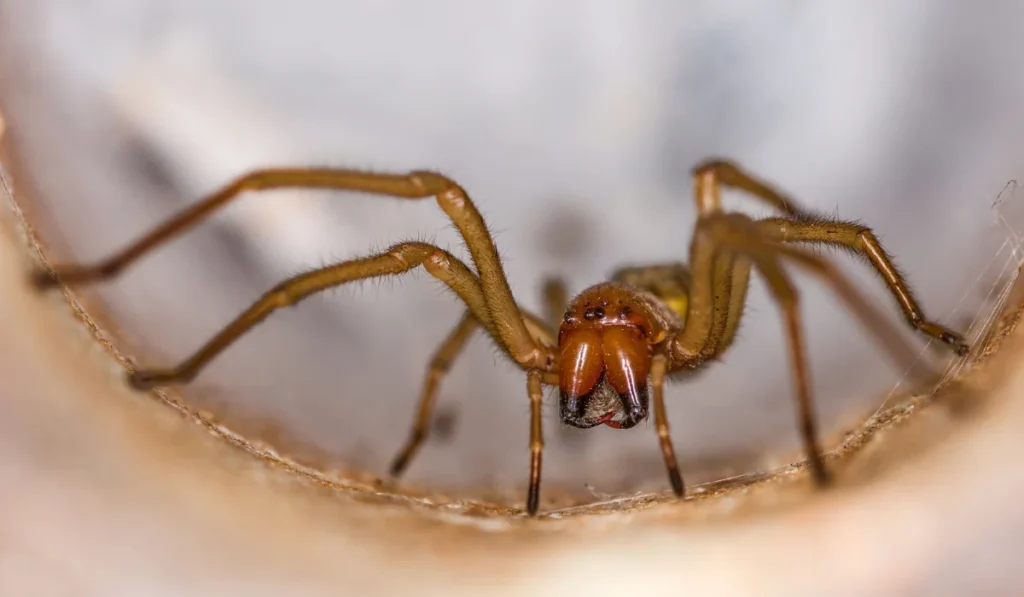
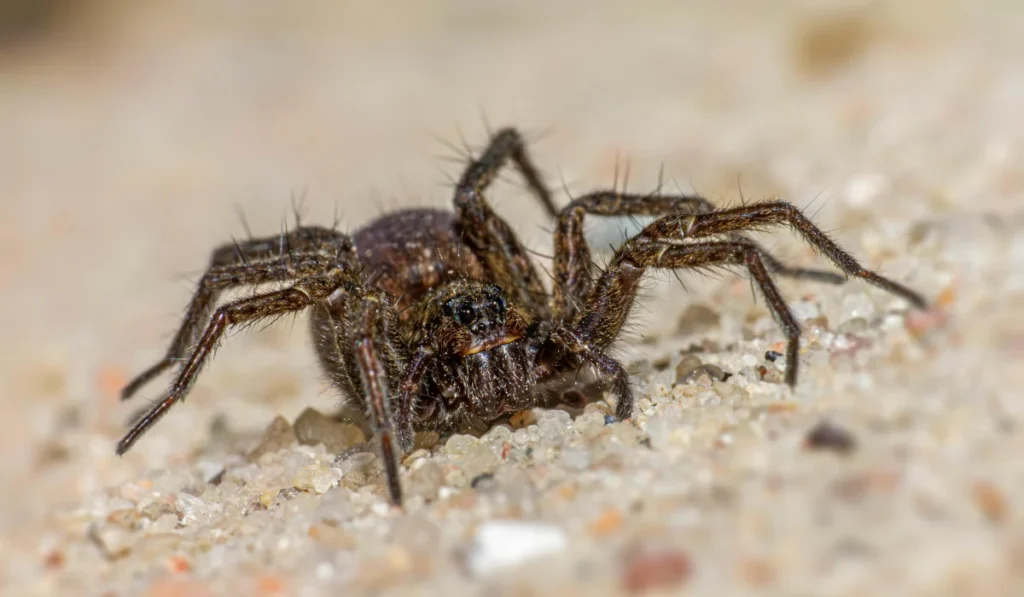
Wolf spiders are usually brown, tan, gray, or dark brown, with sturdy bodies and strong legs. A UF/IFAS wolf spider identification page notes that their bodies and legs can range from brown to tan, often with dark stripes from the eyes toward the abdomen and lighter chevrons, bands, or stripes on the abdomen.
Common identification clues include:
- Brown, tan, gray, or dark coloring
- Stripes or chevron-like markings
- Hairy-looking body and legs
- Strong legs built for running
- Large, noticeable eyes
- Fast movement across the ground
- No prey-catching web
They may be mistaken for other brown spiders, especially if you only see them briefly. Color alone is not enough for identification.
Where Wolf Spiders Live Around Florida Homes
Wolf spiders spend much of their time close to the ground. They may rest in protected outdoor areas during the day and become more active at night when they hunt.
You may find them around:
- Mulch beds
- Leaf litter
- Shrubs and ground cover
- Patios
- Garages
- Sheds
- Crawl spaces
- Door thresholds
- Pool deck edges
- Storage areas
Florida’s warm, humid conditions can support insect activity, which gives wolf spiders more prey to hunt. Around homes, they often show up where insects, moisture, and shelter are all available.
Why Wolf Spiders Come Inside
A wolf spider indoors is often an accidental visitor. It may have slipped through a gap while hunting, followed insects toward a light source, or moved inside through a garage, door threshold, or torn screen.
Common entry and activity points include:
- Gaps under exterior doors
- Garage door edges
- Cracks around foundations
- Openings around utility lines
- Damaged window screens
- Patio doors
- Cluttered storage areas
- Boxes or items brought in from outside
The UF/IFAS guide to common Florida spiders explains that Florida has more than 250 spider species and that most spiders are generally shy, non-aggressive, and helpful because they feed on other invertebrates. A single wolf spider does not always mean you have an infestation, but repeated sightings deserve a closer look.
Wolf Spider Habits
Wolf spiders are active hunters. They rely on speed, camouflage, and strong eyesight instead of sticky webs. You are more likely to see one running across a floor than sitting in a corner web.
Their habits often include:
- Hunting at night
- Resting under objects during the day
- Moving quickly when disturbed
- Staying close to ground level
- Feeding on insects and other small arthropods
- Using body coloring to blend into soil, mulch, leaves, or flooring
A UF/IFAS Extension Escambia County article on wolf spiders describes them as runners rather than web-builders and notes that they are not chasing people. They may bite if threatened or trapped, but they are not considered a major danger to homeowners.
Why Female Wolf Spiders Look Extra Alarming
Female wolf spiders have a habit that can startle anyone who sees one up close. They carry their egg sacs attached near the back of the body. After the eggs hatch, the spiderlings ride on the female’s back for a period of time.
That can make one spider look like many spiders at once. It can also make a homeowner think an infestation suddenly exploded. In reality, this is normal wolf spider behavior, and it is one of the most recognizable habits of the group.
If you see a female carrying young indoors, avoid crushing it if possible. Use a container, broom, or vacuum if you need to remove it safely.
Are Wolf Spiders in Florida Dangerous?
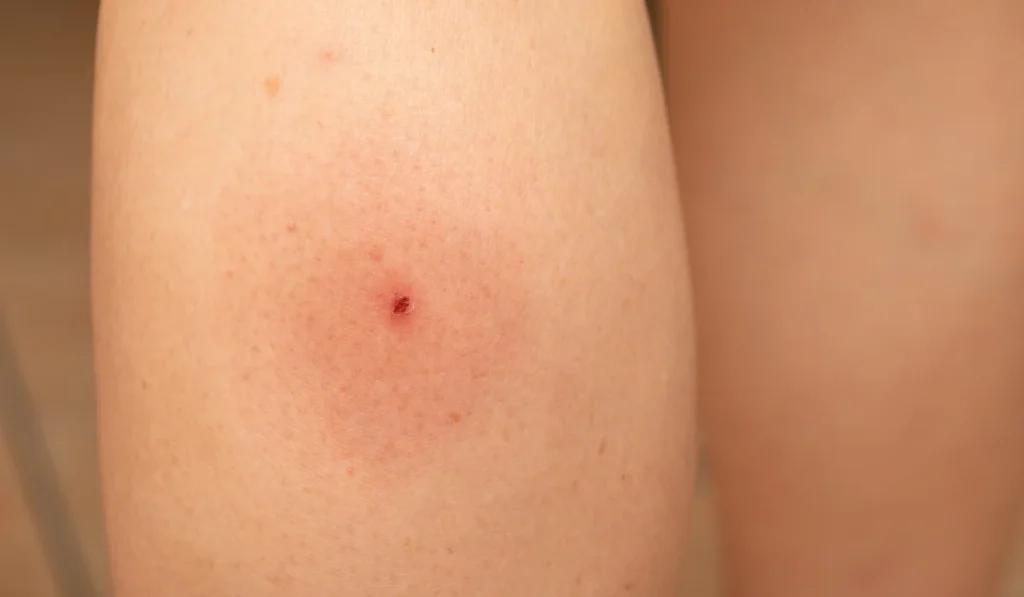
Wolf spiders can bite if handled, pressed against skin, or trapped, but they usually try to escape first. Most homeowners should think of them as nuisance spiders rather than a serious threat.
Still, you should avoid handling any spider you cannot identify. If someone is bitten and symptoms seem unusual, severe, or concerning, contact a medical professional.
Wolf spiders are often confused with brown recluse spiders because both can be brown. The UF/IFAS brown recluse spider profile explains that brown recluse reports in Florida are often unconfirmed, and actual records are limited in many areas of the state. That is another reason identification should be based on more than color.
How to Reduce Wolf Spider Activity
Reducing wolf spiders starts with reducing the conditions that support them. Since they hunt insects, spider prevention often overlaps with general pest prevention.
Helpful steps include:
- Replace worn door sweeps.
- Repair damaged screens.
- Seal gaps around doors, windows, vents, and utility lines.
- Reduce clutter in garages, sheds, and storage rooms.
- Move firewood and stored items away from the exterior wall.
- Trim ground cover and shrubs away from the home.
- Remove leaf litter and heavy mulch buildup near entry points.
- Reduce insects around exterior lighting when practical.
These steps help limit spider entry and reduce the insects that draw them close to the house.
When to Call Waynes
Call us if wolf spiders keep showing up indoors, you are seeing frequent spider activity around entry points, or you are not sure whether the spider you found is a wolf spider. Waynes provides spider pest control in Alabama, Mississippi, Tennessee, and the Florida Panhandle, and frequent spider sightings often mean there is also an insect food source nearby.
For homeowners in the Panhandle, our Florida pest control services help address spiders and other common pests by focusing on the conditions that let pests move toward and into the home.
If wolf spiders are showing up in your garage, patio, shed, or living space, contact Waynes for a free quote and we’ll help you identify what is active and what needs to change around your property.
FAQs About Wolf Spiders in Florida
Are wolf spiders common in Florida?
Yes. Wolf spiders are common in Florida and may be found in mulch, leaf litter, garages, sheds, patios, and lower-level indoor areas.
Do wolf spiders build webs?
Wolf spiders do not build webs to catch prey. They hunt on the ground and use speed, camouflage, and strong eyesight to find insects.
Why do I keep finding wolf spiders in my garage?
Garages give wolf spiders shelter, insects, and easy entry through gaps under doors or around stored items. Repeated sightings may mean there are entry points or insect activity nearby.
Are wolf spiders the same as brown recluse spiders?
No. Wolf spiders and brown recluse spiders are different. Many brown spiders are mistaken for brown recluses, so color alone is not enough for identification.
Does Waynes treat wolf spiders in Florida?
Yes. Waynes provides spider pest control in the Florida Panhandle. We can inspect the activity, look for entry points and insect sources, and recommend the right next step for your home.