Brown marmorated stink bugs are not coming inside Tennessee homes to feed or breed. They are looking for a sheltered place to spend the winter, and your home offers exactly what they need.
As temperatures drop each fall, these invasive insects shift from feeding on crops and garden plants to searching for protected overwintering sites. Understanding why they choose structures, how they get in, and what you can do before they arrive gives you a better chance of keeping them outside where they belong.
Key Takeaways
Protection Calendar · Stink bugsTennesseeStink bug season in Tennessee
This calendar tracks when stink bugs move toward homes. Outdoor feeding builds through summer. Indoor entry peaks as fall temperatures drop. Darker shields mean heavier activity.
Peak: Sep–Oct, stink bugs stage on walls and enter to overwinter as temperatures drop
Peak Sep–OctHigh May–Aug, NovLow Jan, Mar–Apr, DecOff Feb
- Brown marmorated stink bugs enter Tennessee homes in fall seeking warmth and shelter for the winter. They do not feed, breed, or cause structural damage indoors.
- They become active again on warm, sunny winter days, which is why sightings continue through winter and into spring even after fall entry points are sealed.
- Mechanical exclusion before fall is the most effective control step. Sealing gaps around windows, doors, vents, soffits, and utility penetrations limits how many can get inside.
- When stink bugs are disturbed or crushed indoors, they release a distinctive odor. Soapy water or a vacuum are the most practical removal methods.
How to Identify Brown Marmorated Stink Bugs in Tennessee
Tennessee homeowners encounter stink bugs most often in fall when they begin gathering on exterior walls and moving toward entry points. Knowing what they look like and where to find them helps you recognize the pattern before larger numbers work their way inside.
University of Tennessee Extension provides identification resources for brown marmorated stink bugs and the look-alike species most often confused with them in Tennessee homes.
What Stink Bugs Look Like
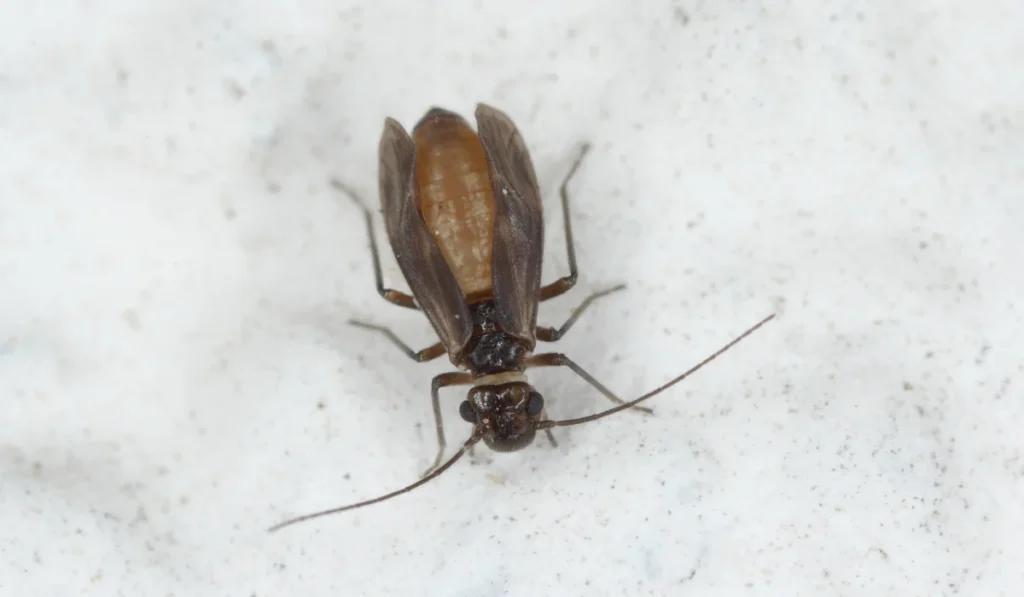
Brown marmorated stink bugs have a distinctive shield-shaped body with mottled brown coloring. That combination of shape and color can make them easy to confuse with other brown-colored insects. Brown-banded cockroaches and leaf-footed bugs are the species they are most commonly mistaken for indoors. The shield-shaped profile of the stink bug is the clearest differentiator. The body is roughly half an inch long, roughly as wide as it is long, with alternating light and dark bands along the outer edge of the abdomen.
Signs of Activity Inside Your Home
The first fall sightings are typically one or two individuals resting near windows, doors, and other entry points as they move from exterior walls into the home. They are attracted to warmth and light, which is why they appear near sunny windows and light fixtures. As overwintering populations establish in wall voids and attic spaces, sightings may increase on warm, sunny winter days when interior temperatures rise enough to trigger activity. Finding them near windows in January or February does not mean new bugs are entering. It means the ones already inside are becoming temporarily active in response to warmth.
Where They Gather Around Tennessee Homes
Stink bugs begin congregating on the outside of structures in early fall before working their way in. Sunny exterior walls, rooflines, and windowsills are common staging areas. They also shelter in leaf litter and dense vegetation near the foundation during the day before moving toward the structure. Checking those exterior surfaces and the vegetation closest to the home gives you early warning of how much pressure is building before stink bugs actively look for entry points.
How Stink Bugs Enter a Structure
Stink bugs look for the same types of sheltered crevices they would use in nature: cracks in bark, gaps in tree cavities, and other tight, protected spaces. On a home, those conditions are replicated by gaps around windows and doors, openings in gable vents and soffits, spaces where utility lines pass through exterior walls, and cracks along roofline trim. Any opening that gives access to a wall void or attic space is a potential entry point. They gather on the exterior near these openings before finding their way through.
Why Stink Bugs Come Inside in Fall Tennessee
Brown marmorated stink bugs are an invasive species first confirmed in the United States in Pennsylvania in the late 1990s and now established across Tennessee and much of the eastern United States. Their fall behavior follows a predictable seasonal cycle tied entirely to temperature and the need for a frost-protected overwintering site.
The Seasonal Shift from Feeding to Overwintering
Through spring and summer, brown marmorated stink bugs feed on crops, fruit trees, ornamental plants, and garden vegetables. Feeding damage on fruit and leaves is the primary way homeowners with gardens notice them during the growing season. As temperatures fall in late summer and early autumn, the insects stop feeding and begin searching for overwintering sites instead. That behavioral shift is what brings them onto and into structures in large numbers each fall.
What Your Home Offers That Draws Them In
Warmth is the draw, not food. Stink bugs are not entering Tennessee homes to access stored food, nesting material, or water. They are seeking a frost-protected space that will maintain a stable cool temperature through winter without freezing. Wall voids, attic spaces, and gaps behind exterior cladding replicate the conditions they would find under peeling tree bark or inside hollow logs in a natural setting. Any structure that provides those protected interior spaces becomes an attractive overwintering target in fall.
Why Tennessee Homes Face Consistent Fall Pressure
The size of the overwintering population in any given year depends on how productive the local growing season was for stink bug reproduction. Years with heavy feeding pressure on gardens and orchards tend to produce more adults seeking winter shelter. Tennessee’s combination of agricultural land, residential landscaping, and mature tree canopy near homes creates favorable conditions for stink bug populations throughout the growing season, which feeds into consistent fall pressure on structures as temperatures drop.
What Happens to Stink Bugs Already Inside
Once inside, stink bugs do not move around or feed during cold periods. They become dormant in wall voids, attics, and other sheltered spaces and remain inactive until warming temperatures in late winter and spring prompt them to become active again. That reactivation is what causes sightings near windows and light fixtures during warm spells in January, February, and March. The bugs are not new arrivals. They are the overwintering population responding to temperature changes inside the structure.
Risks of Stink Bugs in Tennessee Homes
Brown marmorated stink bugs do not bite, do not transmit diseases, and do not cause structural damage. Their risks are primarily nuisance-related indoors, while outdoor feeding creates more tangible harm to garden plants and fruit crops.
Indoor Nuisance and Odor
The most significant indoor concern is the odor these insects produce when disturbed or crushed. The scent is strong, distinctive, and can permeate a room quickly when multiple bugs are disturbed at once. Vacuuming them up, crushing them, or handling them carelessly triggers the defense response and releases the odor. Dropping them into soapy water or using a vacuum with a bag are more effective removal approaches. Large numbers gathering in attic spaces or wall voids create an ongoing nuisance through winter and spring as they periodically activate on warm days.
Outdoor Damage to Gardens and Fruit Trees
The feeding damage brown marmorated stink bugs cause during the growing season is more consequential than their indoor presence. They feed by piercing fruit and plant tissue to extract fluids, leaving stippled or sunken areas on fruit and discolored patches on leaves. Feeding wounds on leaves typically measure roughly 1/8 inch across. Those wounds can also serve as entry points for plant disease, meaning the damage extends beyond the immediate feeding injury. Tomatoes, peppers, apples, peaches, and many ornamental plants are among the host plants they target in Tennessee yards and gardens.
The EPA’s stink bug guidance notes that feeding wounds provide an entryway for disease to attack the host fruit or plant, which is why visible feeding damage to garden plants near the structure often precedes fall pressure on the home itself.
When to Pay Closer Attention
Clusters of stink bugs gathering on sunny exterior walls in early fall are a reliable indicator of how much pressure your home will face as temperatures drop further. A large staging population on the exterior almost always means a larger number will find entry points before the season is over. Checking exterior walls, windowsills, and rooflines during September and October gives you a practical early warning that allows more time to seal entry points before overwintering numbers peak.
Professional Stink Bug Control in Tennessee
Because stink bugs do not respond to typical indoor pest treatments and do not feed on anything inside a structure, the most effective control approach centers on exclusion before they enter rather than treatment after they are already inside.
Reducing What Draws Stink Bugs Toward the Structure
Reducing the vegetation and debris close to the foundation limits the daytime harborage that keeps stink bugs concentrated near entry points. Dense shrubs, deep mulch beds, and leaf litter against the foundation all provide sheltered resting spots as bugs gather before moving onto exterior walls. Clearing those materials back from the perimeter reduces staging habitat without affecting the structure itself.
Exterior lighting near doors and windows draws insects toward those entry points at night. Switching to yellow-spectrum or sodium vapor bulbs reduces nighttime insect attraction near the areas where stink bugs are most likely to find gaps and work their way inside.
Why Inspection Comes First
Stink bugs seek the same tight, protected spaces that replicate natural overwintering conditions. Gable vents, attic louvers, openings around soffits and roofline trim, gaps where utility lines enter the structure, and cracks around window and door frames are the locations most worth inspecting. Finding and sealing those gaps before fall is what makes exclusion effective. A professional inspection covers the entry points that are most difficult for a homeowner to access and evaluate, including roofline areas and the interior faces of gable vents where screening is often missing or damaged.
Waynes service professionals inspect the exterior perimeter, roofline, vents, and utility penetrations to identify where stink bugs are most likely to enter. That inspection shapes which exclusion steps are most necessary for your specific home rather than applying a generic checklist.
What Professional Treatment Involves
Mechanical exclusion is the primary tool. Installing window screening inside gable vents, sealing gaps around soffits and roofline trim, and caulking cracks around windows, doors, and utility penetrations addresses the access routes stink bugs rely on. These steps need to be completed before fall activity peaks, because sealing after a large overwintering population has already established inside is more difficult and less effective than preventing entry in the first place.
Exterior perimeter treatments applied in fall can reduce the number of stink bugs that congregate on exterior walls and move toward entry points. These treatments do not eliminate the need for exclusion work but complement it by reducing staging activity on the structure itself.
What a Stink Bug Control Plan Covers
A Waynes stink bug plan focuses on the entry points specific to your home’s construction and the exclusion steps that will have the most practical impact given the volume of fall pressure on your property. Stink bug pressure varies by region, season, and proximity to agricultural and garden host plants, so the plan reflects your home’s actual conditions rather than a standard approach applied uniformly. Waynes has served more than 150,000 families across Tennessee and neighboring states with over 50 years of experience. Every little thing matters. A LOT.
Bottom Line
Stink bugs come inside Tennessee homes in fall because they are looking for a frost-protected space to spend the winter. They do not feed, breed, or cause structural damage indoors, but their presence and the odor they produce when disturbed make them a genuine seasonal nuisance. Sealing entry points before fall activity peaks is the most effective control step available. For Tennessee homeowners dealing with consistent fall pressure, contact Waynes Pest Control to inspect your home’s exterior and put an exclusion plan in place before overwintering season ramps up.
Frequently Asked Questions
Do Stink Bugs Cause Damage Inside a Home?
Stink bugs do not bite, do not feed on household materials, and do not breed indoors. The main indoor concern is their sheer numbers and the strong odor they release when crushed or disturbed. Their real damage happens outdoors during the growing season, when they feed on fruit, garden vegetables, and ornamental plants.
Why Do They Show Up Again on Warm Winter Days?
Stink bugs that have already established in wall voids and attic spaces become temporarily active when interior temperatures rise on sunny winter and spring days. Those sightings near windows and light fixtures in January or February are not new arrivals entering from outside. They are the overwintering population responding to warmth and moving toward light before temperatures drop again.
What Is the Best Way to Remove Them Indoors?
Dropping them into a container of soapy water is the most practical removal method and avoids triggering the defensive odor that crushing them produces. A vacuum cleaner works well for larger numbers. Seal or dispose of the vacuum bag promptly after use. Avoid swatting or crushing stink bugs directly on surfaces where the odor will linger.
When Should I Start Preparing for Stink Bug Season?
Late summer, before stink bugs shift from feeding to overwintering behavior, is the best window to inspect your home’s exterior and address gaps that could serve as entry points. Once large numbers begin staging on exterior walls in early fall, the window for exclusion work is narrowing. Starting the inspection in August gives you the most time to complete sealing and screening before fall pressure peaks.
“`