Insights, Tips, and Tales

What Is Mosquito Plus? A Comprehensive Solution to Your Pest Problems

_ëîé_1

What Is Mosquito Plus? A Comprehensive Solution to Your Pest Problems

701-4-steps-to-help-protect-your-yard-from-mosquitoes

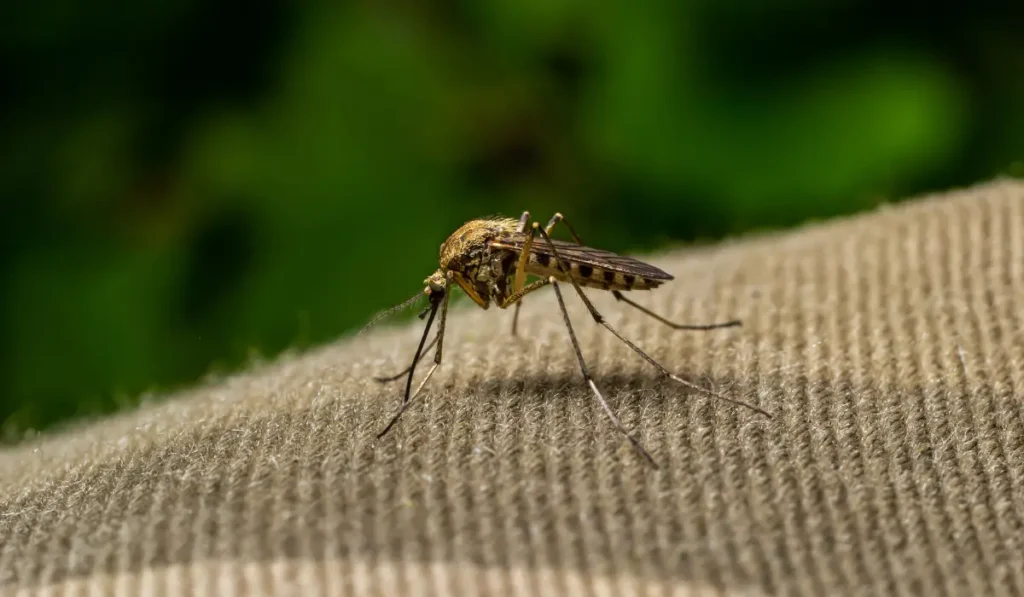
Although nobody has done an exact count, it’s estimated that over a hundred trillion mosquitos exist. Sometimes it feels like half of these pests have gathered in your backyard right when you decide to step outside and enjoy the nice weather.

We’re here to make sure the only guests at your summer barbecue or backyard picnic are the invited ones. No more mosquitos and no more unwelcome pests!

Getting Rid of Mosquitos with Mosquito Plus

Waynes Mosquito Plus uses an environmentally friendly solution to kill mosquitos and prevent these pests from further populating your home. Our mosquito control works fast and ensures that you won’t be plagued by these biting pests for a long, long time.

If you’re noticing a particularly bad mosquito season this year, you could be unknowingly attracting them. See these not-so-fun facts about what attracts mosquitos here. 

Need help mutilating mosquitos? That’s our specialty. Contact us today to learn more. 

What About the Plus?

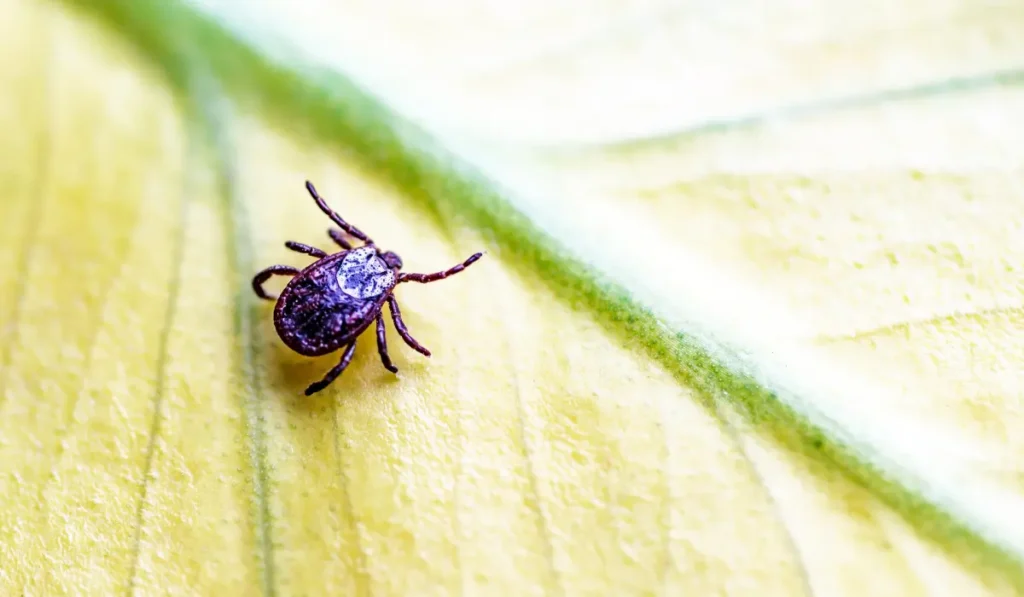
What makes Waynes Mosquito Plus an even better solution is that it targets not just mosquitos, but fleas and ticks as well. Mosquitos, fleas, and ticks can carry diseases and cause health problems for both people and pets.

Over 15 diseases are transmitted by ticks across the US, the most common being Lyme Disease. See how to protect yourself and your family from Lyme Disease here! 

Fleas can be anything from an itchy nuisance to the cause of tapeworms and anemia in pets, especially dogs. We call them “small pests that cause big problems.”

You don’t want to see ANY of these pests on your property, so we proactively developed a solution to eliminate all three. With Waynes Mosquito Plus protection, you can sleep well at night knowing that we have safely and effectively eliminated these notorious biting bugs from in and around your home.

Call Waynes to Mutilate Mosquitos (And Fleas and Ticks)

If you want a summer free of these pesky pests, call Waynes! Our Mosquito Plus solution uses environmentally safe methods and proactive exclusion technologies to keep your home pest-free.

Find out more by contacting us or calling us at 866.WAYNES1.

Rebecca Wood

Waynes has been serving customers since 1973. We have grown over the decades through a commitment to providing a world-class experience for our customers. We believe that if our employees are happy and fulfilled, they will go above and beyond in delighting our customers.

Latest from Waynes Blog

chigger

Chiggers in Alabama: Where They Hide and How to Avoid Them

Chiggers in Alabama can create costly problems when early signs are missed. Learn what to look for, why it matters, and when to call Wayne’s Pest Control. Key Takeaways About Alabama Chiggers Chiggers are mites, not insects. Only the tiny larval stage bites, and these larvae do not burrow into your skin or feed on…

Learn More >

Why Stink Bugs Come Inside in Fall in Tennessee

Brown marmorated stink bugs are not coming inside Tennessee homes to feed or breed. They are looking for a sheltered place to spend the winter, and your home offers exactly what they need. As temperatures drop each fall, these invasive insects shift from feeding on crops and garden plants to searching for protected overwintering sites….

Learn More >

How to Get Rid of Drain Flies in Mobile AL

Drain flies in a Mobile home almost always trace back to a breeding source that has not yet been found. These small, fuzzy-winged flies develop inside the biological film that coats slow-moving drains, seldom-used fixtures, and any other spot where wet organic matter accumulates undisturbed. Cleaning the drain you can see does not always reach…

Learn More >

Earwig Season in Huntsville Alabama

Earwigs become more active around Huntsville homes when temperatures rise and moisture levels increase. They are outdoor insects that move toward structures when they find the damp, sheltered conditions they depend on close to a foundation. Most of the time they are a nuisance rather than a serious threat, but consistent indoor sightings or a…

Learn More >

Why You Have Fleas in Your Mobile AL Home Without Pets

Fleas in a home without pets surprise most Mobile homeowners, but the biology of this pest makes it entirely predictable. Cat fleas, which are the species found in most residential infestations, can survive for weeks without feeding. They arrive on wildlife passing through a crawl space, on stray animals resting near a foundation, or on…

Learn More >

How to Tell If You Have Termites in Your Nashville Home

Termites can feed inside a Nashville home for years without producing any visible surface sign. By the time most homeowners notice something is wrong, a colony has often been active long enough to compromise structural framing behind walls, beneath floors, or inside crawl spaces. Knowing the specific signs termites leave behind, what conditions support their…

Learn More >

What Attracts Ants to Kitchens in Chattanooga Homes

Ants find their way into Chattanooga kitchens for a straightforward reason: a scout locates food or water, lays down a scent trail on the way back to the nest, and dozens of workers follow that invisible highway back to the same spot. Wiping up the ants you see does not erase the trail, and as…

Learn More >

How to Prevent German Cockroaches in Panama City FL

German cockroaches are the most common and most difficult indoor cockroach problem in Panama City homes. They reproduce faster than other species, stay hidden close to food and moisture, and require a treatment approach that differs entirely from general pest control. Catching them early and understanding what sustains a population gives you the best chance…

Learn More >

How to Get Rid of Wasps in Nashville TN

Wasps near high-traffic areas of a Nashville home are a sting risk that grows as the season progresses. Colonies that start small in spring can reach close to a thousand workers by late summer, and a nest that seems manageable in April becomes a serious situation by August. Knowing which species you are dealing with,…

Learn More >

Scroll to Top