

Homes across Columbus are near wetlands, forests, and open fields that support diverse wildlife. By understanding the types of wildlife in Columbus, you can protect your home from unexpected animal encounters and know when you may need wildlife removal in Columbus, MS.
These natural areas stretch through Lowndes County and nearby neighborhoods, allowing animals to move easily in and out of yards.
You may see tracks in soft soil, hear noises in the attic, or notice damage around vents. Raccoons, opossums, armadillos, skunks, and reptiles such as nonvenomous snakes often follow food and shelter toward houses.
Larger animals, including white-tailed deer, coyotes, and the occasional black bear, also move through the Columbus area. Each animal supports the local ecosystem, but problems can occur when they stay too close to homes.
This guide explains the wildlife you are most likely to see, what they look like, and where they hide in Columbus. It also shows when to call Waynes Pest Control for safe, professional wildlife control.
Key Takeaways
- Columbus, MS, supports numerous wildlife species due to nearby wetlands, wooded areas, and state park habitats.
- Homeowners may encounter raccoons, skunks, armadillos, groundhogs, beavers, muskrats, and more around their homes.
- Activity increases as animals move between neighborhoods and nearby wildlife management areas.
- Scratching noises, digging, or strong odors often indicate wildlife activity and may indicate a dead animal on your property.
What Wildlife Is Most Common In Columbus, MS?
Many wild animals live across Mississippi and move easily through woods, creeks, and fields that border neighborhoods. Raccoons are among the most common species because they adapt well to human environments. They search for food in trash bins and often explore porches and sheds.
Skunks and opossums live in quiet spots under decks or crawlspaces, while armadillos dig for insects and leave clusters of shallow holes across lawns. Beavers or muskrats may visit homes near water or wetlands, and they often alter waterways as they build burrows and dams. On the rural edges of Lowndes County, people also see coyotes and regular visits from white-tailed deer grazing at dusk.
A few black bears sometimes wander through parts of northeast Mississippi, but they usually stay near large, wooded areas. The Mississippi Department of Wildlife tracks these species to support long-term conservation and maintain healthy local ecosystems.
At Waynes Pest Control, we offer wildlife control services in Columbus and throughout Lowndes County, providing safe removal and long-term exclusion of wildlife that enters local neighborhoods.
What Do Common Columbus Wildlife Species Look Like?
Learning basic identification helps you know what may be visiting your yard and when it might be time for wildlife removal.
Raccoons
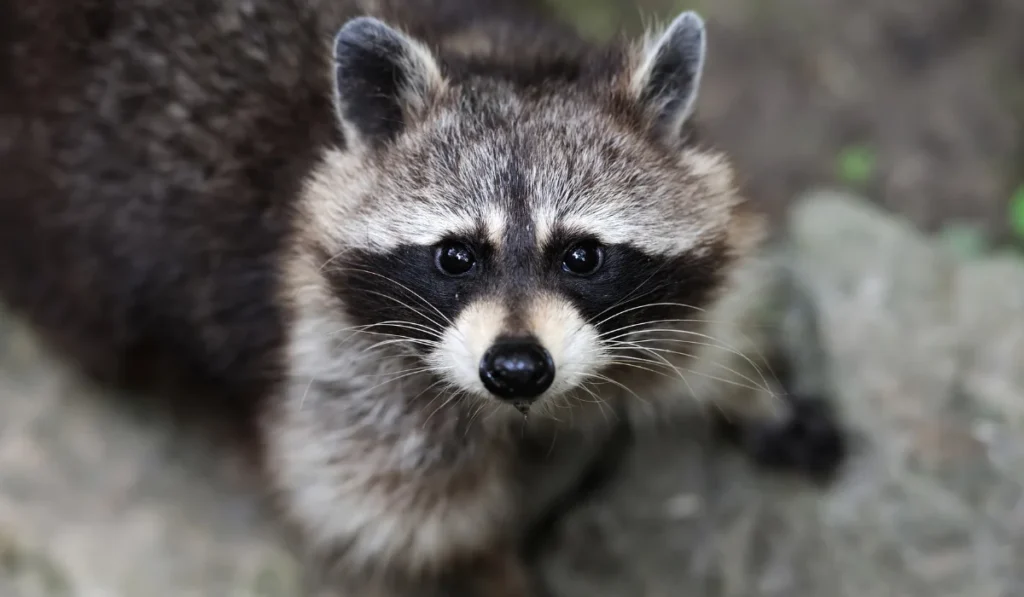
Raccoons have gray fur, a black mask pattern, and ringed tails. They climb well and often appear at night.
Armadillos
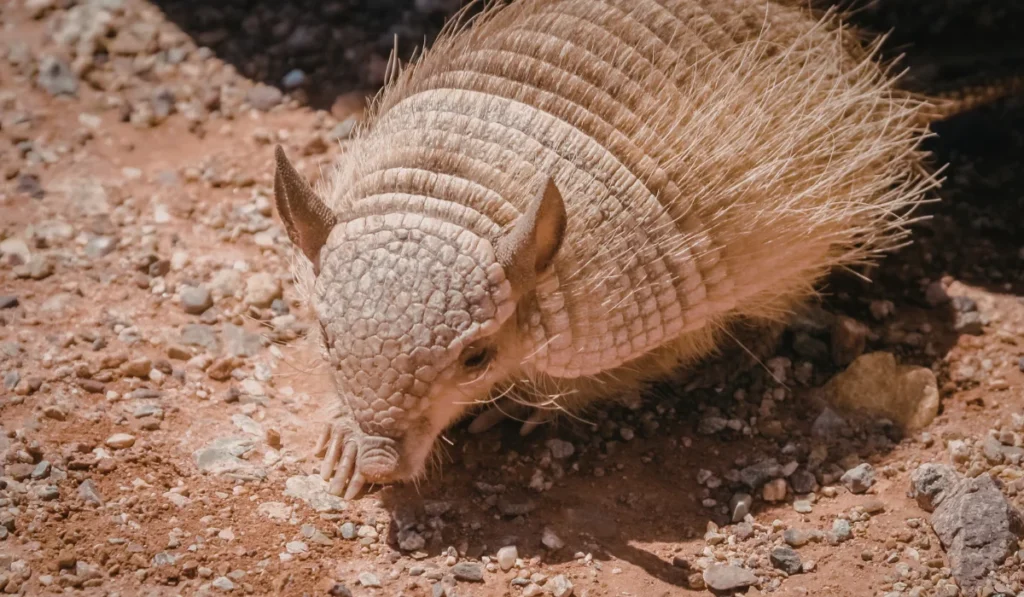
Armadillos have armor-like shells and pointed snouts. Their digging leaves small cone-shaped holes in flowerbeds.
Skunks
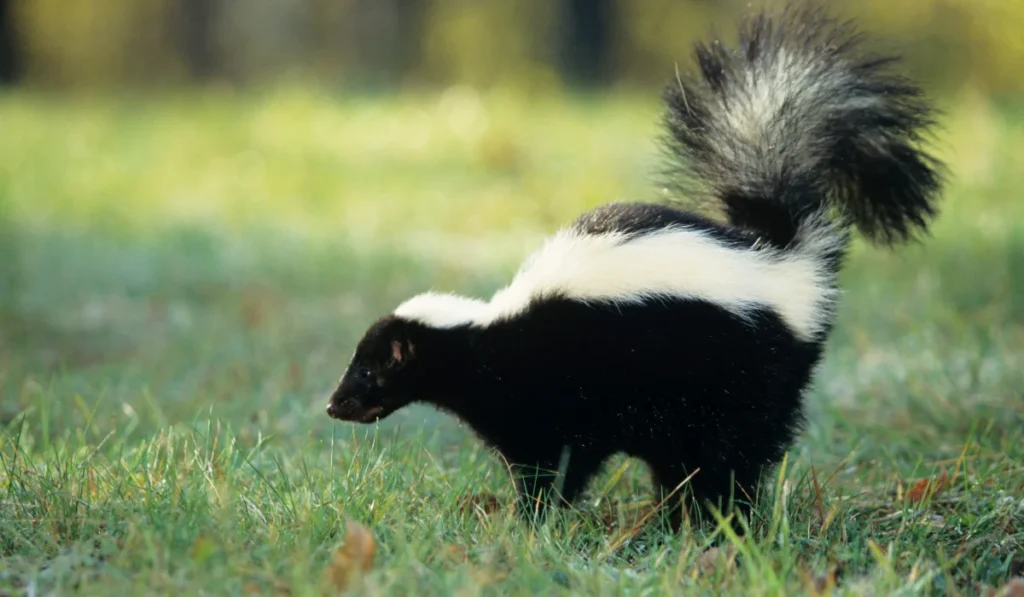
Skunks are characterized by a familiar black-and-white coat and a thick tail. They prefer dark, sheltered spaces near foundations.
Opossums
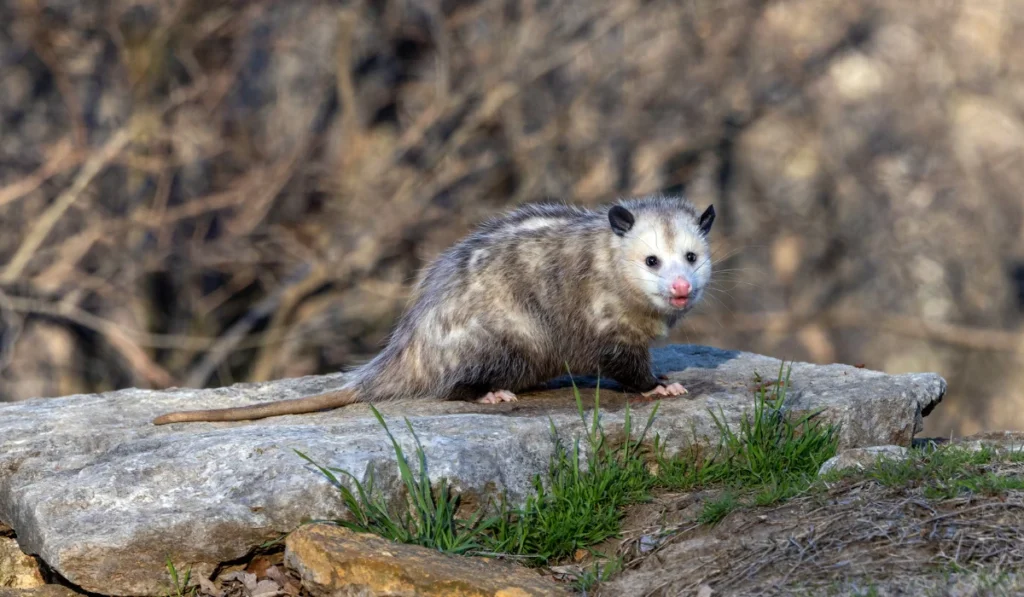
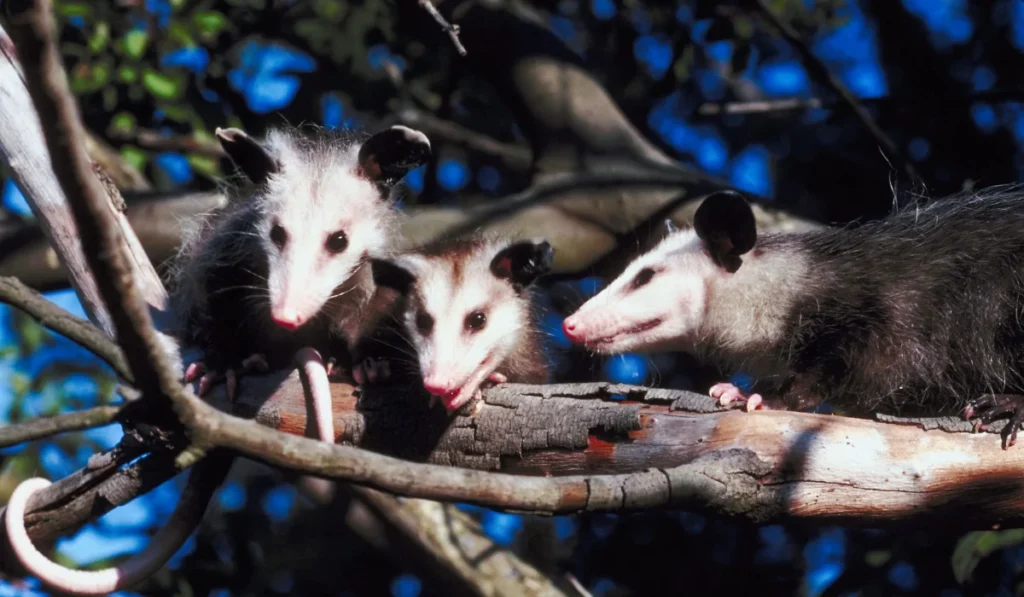
Opossums have pale faces, gray fur, and long hairless tails. They move slowly and often search for food after dark.
If any of these critters stay active around your home, our team can inspect and set up long-term exclusion.
Where Do Wildlife Hide Around Columbus Homes And Yards?
Wildlife seeks reliable shelter, moisture, and food. Indoors, wildlife enter attics, crawlspaces, basements, and wall voids. One way to tell if you have raccoons or squirrels in your home is to pay attention to where the noises come from and when they occur. Sounds behind drywall or strong odors may signal nesting or a dead animal.
Outdoors, animals hide around wood piles, sheds, mulch beds, and thick vegetation. Columbus homes near wetlands, parks, and greenways attract more reptiles, beavers, waterfowl, and a few local bird species. Raccoons and opossums often follow fences or tree limbs to reach roofs.
If you see entry holes or disturbed soil near your foundation, we can find the source and seal weak spots around your home.
Are Any Wildlife Species In Columbus Dangerous Or Destructive?
Most animals avoid people, but they can damage structures when they move indoors. Raccoons rip insulation and wiring. Skunks leave strong odors under decks. Armadillos dig near roots and foundations. Coyotes may target small pets if food is left outside.
Any wildlife presence inside a home in Columbus, MS, raises health and safety concerns, even when the animals are native species. Our team provides safe removal and complete exclusion to stop the problem at the source.
Protecting Your Columbus Home From Wildlife Activity
Wild animals can appear without warning, and minor problems can escalate quickly if left unaddressed. A quick look around your yard and the quieter parts of your home can help you catch issues before they grow.
If you need help making sense of what you are seeing, our team at Waynes Pest Control offers guidance and safe solutions for local homeowners.
Contact us today to schedule your visit.
FAQs
What is the most common wildlife species near Columbus, MS?
Raccoons, armadillos, skunks, and opossums are most common across Lowndes County, especially near fields and wooded edges.
How can I identify wildlife quickly around my Columbus home?
Check for digging, tracks, droppings, or noises. Armadillos leave small pits, while raccoons leave hand-shaped tracks. Waynes Pest Control can identify the animal causing the activity.
Do wildlife appear more often in certain seasons in Columbus?
Yes. Activity increases in cooler months, though many animals remain active year-round across Mississippi.


