Insights, Tips, and Tales

Too Much Rain for Your Lawn?

White mosquito silhouette with a dashed curved flight path on a green background

Too Much Rain for Your Lawn?

What do the recent heavy rains mean for my lawn this spring?

The recent copious amounts of rain in the Southeast have in some cases set historical records. This heavy rain fall can impact our lawns and turf areas as we enter spring. This blog will cover some of those topics and answer questions about products that may have already been applied or may be applied as we move forward. Let’s also talk about some proactive measures all homeowners need to take to lessen the impact of these late, heavy, winter rains.

What about the pre-emergent herbicide that had been applied prior to all this rain?

One great attribute of the pre-emergent herbicide Waynes uses, is its ability to bind with the soil particles. In fact, this is key in its ability to control weeds for the entire season. We recommend watering in the application and that is because we need this binding to take place. So, while we did not need 8 inches of precipitation in two days to make this happen, the first ½ inch moved it into the upper root zone for us and it will remain there.

What if I had a lot of weed seed wash into my lawn from flooding?

This can and usually does happen. Many of our neighborhoods are surrounded by wooded or agricultural areas. These spots are full of weed seed waiting to be deposited in our lawns and grow. The good news is our pre-emergent herbicide works equally as well on the rogue weeds as it does on crabgrass and dandelion. Now if you do not have a lawn service or have not had your pre-emergent application yet, get that down ASAP to ensure we stop those uninvited visitors.

Will the heavy rain cause my lawn to be slow coming out of dormancy?

The rain will not directly cause this, but the flooding or washing of water across our lawns can cause dormant turf to “mat over”. This means last years dormant leaves got pushed over by those waters and have formed a mat. This can make some areas of our lawn slow to come out of dormancy since this blanket will hold the soil temps down even after Spring sunshine starts to warm things up. The best thing we can do is go out with a rake and fluff these areas up and get the leaf blades standing back up again. Then when dry enough go ahead and scalp your lawn to remove as much of last years growth as practical. While we recommend this every year, it is particularly needed after very wet winters.

Is there anything else I should do as a result of the heavy rain?

Maybe the most important thing to do this season is aerate. One thing these heavy rains do is cause our red clay to stick together. This eliminates pore space and leaves no room for roots and oxygen in the soil profile. Aeration this season will be essential in allowing the soil structure to get back into balance.

As always, we at Waynes are happy to discuss this and any other questions you may have about your lawn care. Give us a call anytime you have a question.

Rebecca Wood

Waynes has been serving customers since 1973. We have grown over the decades through a commitment to providing a world-class experience for our customers. We believe that if our employees are happy and fulfilled, they will go above and beyond in delighting our customers.

Latest from Waynes Blog

Aedes Mosquitoes

Florida Mosquitoes: Species, Season, and Bites

Florida mosquitoes are more than a backyard annoyance. They can make patios, pools, porches, and coastal yards difficult to enjoy, and some species can spread disease.  Florida has many mosquito species, but homeowners usually need to focus on a few practical questions: where they are breeding, when they are most active, and why they keep…

Learn More >

Mole crab, sand crab, sand flea

Sand Fleas in Florida: ID, Bites, and Season

Sand fleas in Florida can mean two different things, and that is where most of the confusion starts. At the beach, “sand fleas” often refers to mole crabs, small crustaceans that live in the surf zone and are not household fleas.  When people talk about itchy bites near beaches, marshes, patios, or coastal yards, they…

Learn More >

ants around window

Common Florida Insects: How to Identify Them

A Florida insect problem can look different from house to house. One home may deal with ants in the kitchen, another may see roaches in the garage, and another may notice termites, mosquitoes, fleas, or bed bugs.  Florida’s warm, humid climate can keep many pests active for long stretches of the year, so identification matters….

Learn More >

Palmetto Bug

Palmetto Bugs in Florida: What They Are and Why

The name “palmetto bug” does not refer to a single specific species. In Florida, it is a general term used for several large outdoor cockroaches, including the American and smokybrown cockroaches.  Although these animals normally live outside, they can find their way into homes, storage areas, crawl spaces, garages, and patios. They are naturally drawn…

Learn More >

stink bug

Stink Bugs in Florida: Identification and Season

A stink bug in Florida is usually easy to recognize by its shield-shaped body and the odor it releases when disturbed. Some stink bugs feed on plants outdoors, while others may gather on walls, windows, doors, attics, and other protected areas when they look for shelter.  Most stink bugs are nuisance pests inside homes rather…

Learn More >

Florida Wood Cockroach

Florida Wood Cockroach: Identification and Habits

Homeowners can be easily startled by the Florida wood cockroach, a large outdoor roach that frequently appears near mulch beds, patios, sheds, garages, or storage areas. This species typically resides outdoors in damp, protected environments filled with decomposing vegetation. Although it doesn’t cause a kitchen infestation typical of German cockroaches, it can still become a…

Learn More >

Termites in Florida: Types, Signs, and Season

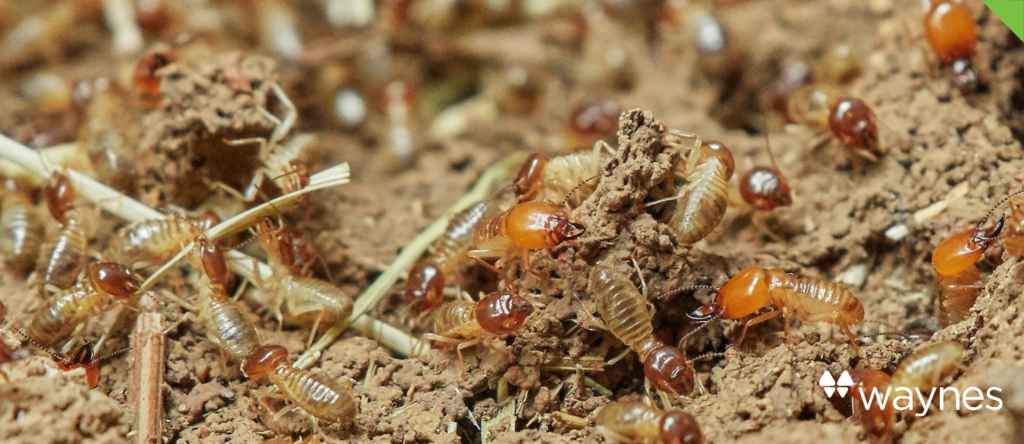
Because warm weather, moisture, and wood-to-soil contact create the ideal conditions for their survival, termites are a year-round concern in Florida. Some termites live underground and enter homes through tiny gaps. Others live inside dry wood and may stay hidden until wings, droppings, or damaged wood appear.  Florida homeowners should be familiar with the main…

Learn More >

armadillo

Armadillos in Florida: Signs, Damage, and Behavior

An armadillo in Florida can leave lawns, garden beds, and mulched areas covered with shallow holes almost overnight. These armored mammals dig while searching for insects, larvae, worms, and other soil-dwelling invertebrates. Although most armadillo activity starts outdoors, their rooting and burrowing can affect flower beds, vegetable gardens, patios, walkways, sheds, and areas near the…

Learn More >

Cottonmouth

Cottonmouths in Florida: How to Identify and Stay Safe

Closely tied to aquatic environments, the cottonmouth in Florida is a venomous snake that must be treated with caution and left undisturbed. It can also show up near yards, sheds, drainage areas, and waterfront properties when food, shelter, or water are nearby.  The safest rule is simple: do not handle or corner a snake you…

Learn More >

Scroll to Top