Skip to content


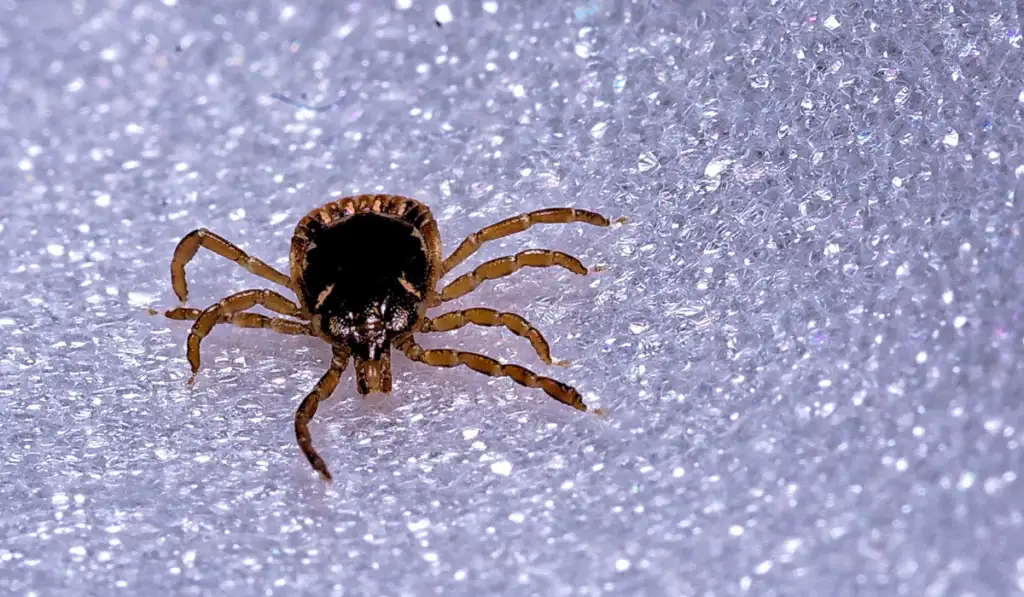
In Florida, homeowners often encounter ticks around yards, trails, pets, and wooded perimeters. These animals thrive in shaded, grassy, brushy, or wooded outdoor environments, particularly where moisture, leaf litter, pets, and wildlife create ideal conditions.
Because certain ticks can transmit diseases, effective prevention is vital. Frequent sightings of ticks on clothing, pets, or outdoor recreation areas suggest the issue may stem from yard conditions, wildlife presence, or tick habitats located near the home.
Key Takeaways
- Ticks are arachnids related to spiders, not insects.
- Common Florida ticks include the lone star tick, American dog tick, Gulf Coast tick, black-legged tick, and brown dog tick.
- Ticks can be active year-round in Florida, with seasonal peaks that vary by species.
- Prevention starts with yard maintenance, tick checks, pet protection, and repellents used as directed.
What Are Ticks?
Ticks are external parasites that feed on blood from people, pets, livestock, wildlife, birds, and other animals. They do not jump or fly. Instead, they wait on grass, brush, leaves, or low vegetation and attach when a host passes by.
Ticks can be found throughout the year in Florida, with seasonal differences in nymph and adult abundance. Nymphs are especially easy to miss because they are small, but they can still transmit pathogens if they are carrying them.
Common Types of Ticks in Florida
Most homeowners do not need to identify every tick to the species level, but knowing the main types can help you understand where exposure may be coming from.
Lone Star Tick
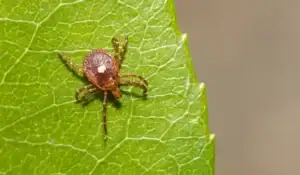
The lone star tick is one of the most important ticks for Florida homeowners to know. Female lone star ticks are recognizable by the light-colored spot on the back.
UF/IFAS describes the lone star tick as the most common human-biting tick in Florida. Nymphs are found from February through October, while adults occur from April through August, with a peak in July.
This tick may be found in:
- Wooded areas
- Brushy edges
- Tall grass
- Trails
- Wildlife corridors
- Yard edges near vegetation
American Dog Tick
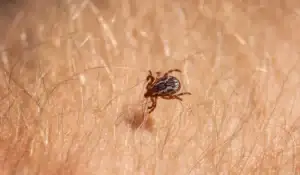
American dog ticks are usually found outdoors and may attach to dogs, people, and other mammals. They are often associated with grassy or brushy areas rather than indoor infestations.
Adult American dog ticks are abundant from March through September and can carry Rocky Mountain spotted fever. Around homes, they may be linked to pets, wildlife, tall grass, or unmanaged vegetation.
Gulf Coast Tick
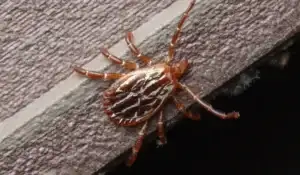
The Gulf Coast tick is common in southeastern states and can look similar to the American dog tick. It has larger mouthparts and is often associated with animals and coastal or grassy habitats.
Gulf Coast tick nymphs are found in early spring, from January to March, while adults are found from March through September.
Black-Legged Tick
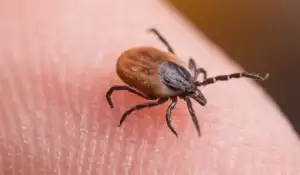
Commonly known as the deer tick, the black-legged tick is well-recognized in the United States for its connection to Lyme disease. Its nymphs are typically active between April and August, whereas adult ticks are frequently encountered throughout the winter months, spanning from September to May.
In Florida, Lyme disease patterns differ from the northeastern United States, but bites from black-legged ticks should still be taken seriously.
Brown Dog Tick
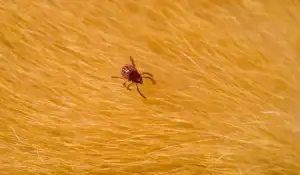
Brown dog ticks feed mainly on dogs and are often found in areas where dogs spend time. Unlike many outdoor ticks, brown dog ticks can become a problem around kennels, pet resting areas, and places where dogs are frequently present.
If ticks are repeatedly found indoors or near pet bedding, the issue may involve brown dog ticks or ticks being carried inside by pets.
When Is Tick Season in Florida?
Florida does not have one simple tick season. Ticks can be found throughout the year, but activity changes by species and life stage.
You may notice more activity:
- From spring through fall in grassy or wooded areas
- After warm, humid weather
- Around wooded or brushy yard edges
- After pets spend time outdoors
- During wildlife movement near the home
- In winter with adult black-legged ticks
The main takeaway is practical: tick prevention should not stop after summer. In Florida, year-round awareness is more useful than waiting for one short “tick season.”
Where Ticks Hide Around Florida Homes
Ticks need hosts and protected outdoor conditions. Around Florida Panhandle homes, they are often linked to shaded, brushy, or wildlife-friendly areas.
Common tick habitat includes:
- Tall grass
- Leaf litter
- Wooded edges
- Brush piles
- Overgrown shrubs
- Fence lines
- Pet resting areas
- Areas under decks
- Trails and yard borders
- Woodpiles and debris
- Places where deer, raccoons, rodents, or stray animals pass through
A sunny, mowed lawn is usually less favorable to ticks than shaded, humid, brushy edges. The bigger risk often sits around the margins of the yard.
What Tick Bites Can Mean
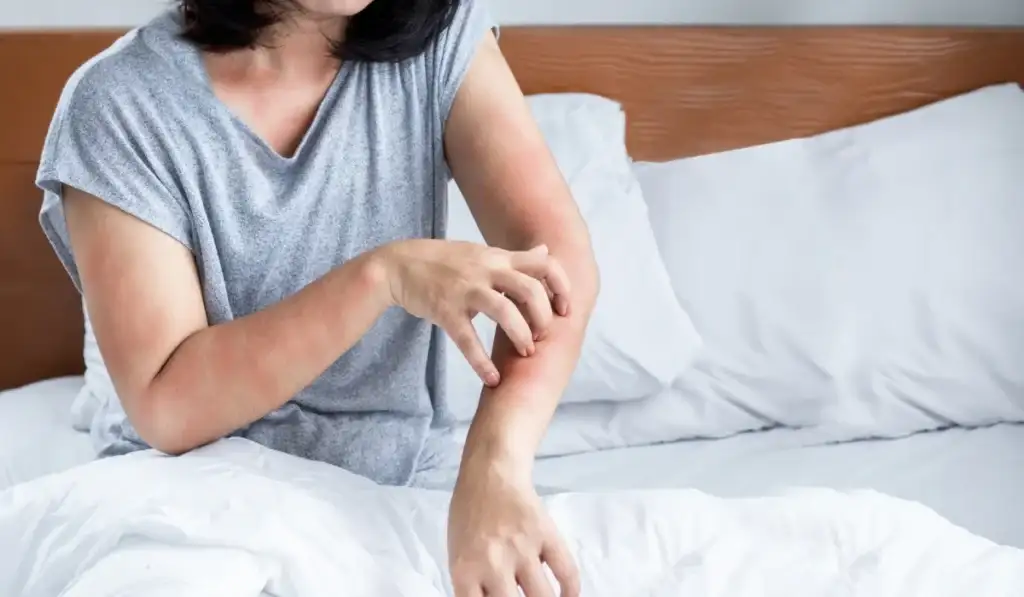
Tick bites are often painless at first, which is why checks after outdoor time are important. Some ticks can spread pathogens, and symptoms may appear days or weeks later.
Possible concerns in Florida include:
- Rocky Mountain spotted fever
- Ehrlichiosis
- Anaplasmosis
- Southern tick-associated rash illness
- Lyme disease
- Rickettsia parkeri rickettsiosis
The Florida Department of Health’s mosquito and tick bite prevention guidance recommends covering exposed skin, using EPA-registered repellents as directed, and taking steps to reduce bite risk. If you develop a rash, fever, headache, muscle aches, unusual fatigue, or other concerning symptoms after a tick bite, contact a healthcare provider.
How to Check for Ticks
Tick checks are one of the most important prevention steps after time outdoors, especially after walking through grass, brush, trails, wooded edges, or pet areas.
Check:
- In and around the hair
- In and around the ears
- Under the arms
- Around the waist
- Behind the knees
- Between the legs
- Around socks and shoes
- Under collars, waistbands, and tight clothing edges
Also check pets daily when they spend time outdoors. Ticks can attach to dogs and cats, then move into the home or onto people.
What to Do If You Find an Attached Tick
Remove an attached tick as soon as you can. The CDC tick bite guidance recommends using clean, fine-tipped tweezers to grasp the tick close to the skin and pull it away with steady, even pressure.
Do:
- Remove the tick promptly.
- Grasp close to the skin.
- Pull straight out with steady pressure.
- Clean the bite area and your hands.
- Save or photograph the tick if identification may be helpful.
- Watch for symptoms in the days and weeks after the bite.
Do not use petroleum jelly, nail polish, heat, or other methods to make the tick detach. If symptoms develop after a tick bite, contact a healthcare provider.
How to Reduce Ticks Around Your Yard
Tick prevention works best when you reduce habitat, protect pets, and make high-use areas less attractive to ticks.
Helpful steps include:
- Keep grass mowed.
- Remove leaf litter and yard debris.
- Trim shrubs and brush near walkways, patios, and play areas.
- Move playsets and outdoor furniture away from wooded edges.
- Stack firewood neatly in a dry area.
- Create a gravel, stone, or mulch barrier between lawn and brushy edges.
- Keep pets on veterinarian-approved flea and tick prevention.
- Check pets after outdoor time.
- Discourage wildlife from nesting or feeding close to the home.
The CDC’s tick prevention guide also recommends reducing leaf litter, clearing tall grasses and brush around homes, mowing frequently, and checking the body after time outdoors.
When to Call Waynes
Call us if ticks keep showing up on pets, clothing, patios, play areas, or outdoor spaces even after basic yard cleanup. Waynes provides pest control services in the Florida Panhandle, and our Mosquito Plus service helps protect against mosquitoes, fleas, and ticks.
Our mosquito, flea, and tick control tips also recommend keeping grass cut, trimming shrubs, clearing yard debris, creating barriers near wooded or brushy areas, and using vet-approved flea and tick protection for pets.
If ticks are making your yard harder to enjoy, contact Waynes for a quote and we’ll help identify the conditions supporting activity around your home.
FAQs About Ticks in Florida
Are ticks common in Florida?
Yes. Ticks can be found throughout the year in Florida. Activity changes by species, life stage, habitat, and weather.
What ticks are common in Florida?
Common ticks include the lone star tick, American dog tick, Gulf Coast tick, black-legged tick, and brown dog tick.
What time of year are ticks the worst in Florida?
It depends on the species. Many ticks are more noticeable from spring through fall, but some adult ticks can be active in winter. Florida homeowners should stay aware year-round.
Can ticks live in my yard?
Yes. Ticks can live in tall grass, leaf litter, brush, wooded edges, shaded areas, pet resting spots, and places where wildlife passes through.
Does Waynes treat ticks in Florida?
Yes. Waynes provides pest control services in the Florida Panhandle, and Mosquito Plus helps protect against mosquitoes, fleas, and ticks. We can inspect the property and recommend the right next step based on the conditions around your yard.