Skip to content


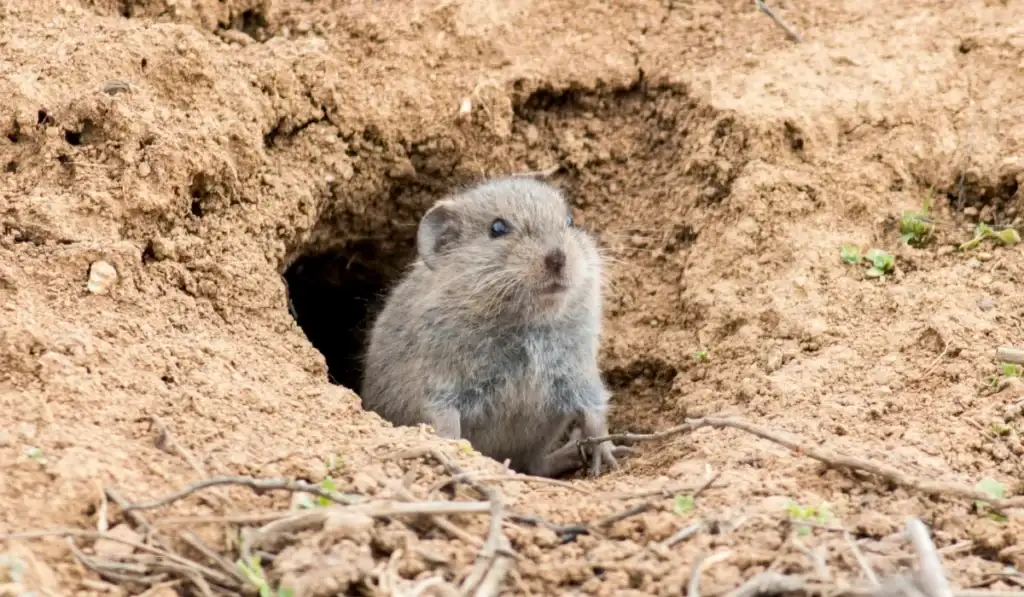
A Tennessee vole can damage lawns, flower beds, bulbs, young trees, and shrubs before you ever see the animal itself. Voles are small rodents that spend most of their time close to the ground, using grass, mulch, leaf litter, and shallow runway systems for cover.
Unlike moles, which tunnel for insects and earthworms, voles feed on plants. That is why their damage often looks like clipped grass, surface trails, chewed roots, damaged bulbs, or bark gnawing near the base of trees and shrubs.
Key Takeaways
- Voles are small rodents that feed on grasses, roots, bulbs, seeds, and bark.
- Vole damage often appears as surface runways, clipped grass, and plant injury.
- Moles push up ridges and soil mounds; voles usually leave shallow trails and chewing damage.
- Lawn damage may be easier to spot after grass is cut, leaf cover is removed, or winter dormancy ends.
- Waynes can inspect rodent or wildlife activity and help identify the right next step.
What Does a Vole Look Like?
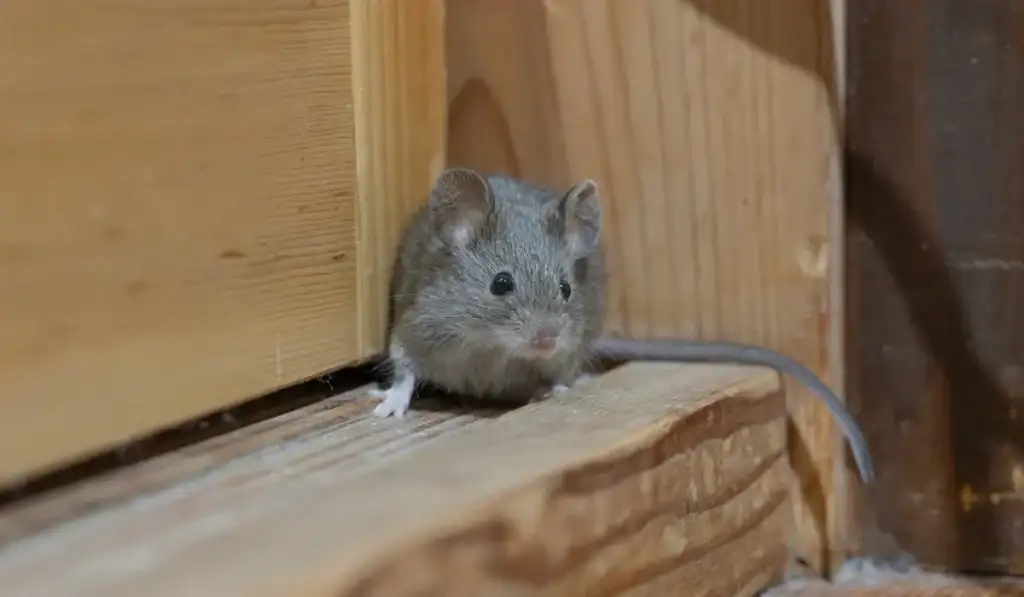
Voles look like short, stocky field mice. They usually have compact bodies, small ears, short legs, blunt faces, and short tails. Their coloring can range from brown to grayish brown, which helps them blend into soil, grass, and mulch.
The Tennessee Wildlife Resources Agency describes the meadow vole as a small, stocky rodent with short legs, small eyes and ears, and dark brown to grayish coloring. Tennessee is also home to other vole species, so homeowners often identify the problem by damage pattern rather than by seeing the animal clearly.
Common vole clues include:
- Small, mouse-like body
- Short tail
- Small ears
- Blunt face
- Ground-level movement
- Shallow runways through grass or mulch
- Plant damage near the soil line
If you catch only a quick glimpse, do not rely on size alone. Young rats, mice, shrews, and voles can look similar from a distance.
Vole or Mole? How to Tell the Difference
Voles and moles are often confused because both can affect lawns. Their damage patterns are different.
Moles dig underground tunnels while searching for insects and earthworms. They often leave raised ridges, pushed-up soil, or mound-like areas in the lawn. Voles are plant-feeding rodents. They stay closer to the surface and create small trails through grass, mulch, or ground cover.
A Tennessee Home & Farm article on moles and voles in the garden explains that exclusion can help protect high-value flower beds, gardens, and trees from vole damage. That distinction matters because vole control usually focuses more on plant protection, cover reduction, and rodent activity than on deep soil tunneling.
Common Voles Found in Tennessee
Tennessee has more than one vole species. You do not need to identify the exact species to notice a yard problem, but knowing the common types can help you understand where they may be active.
Meadow Voles
Meadow voles are associated with grassy areas and can be found in parts of Tennessee. They use low vegetation for cover and may leave visible surface trails through grass.
Prairie Voles
The prairie vole is named for the grassy habitat where it is typically found. In Tennessee, it ranges through much of the state except the extreme eastern portion.
Woodland Voles
The woodland vole, also called the pine vole, is found across Tennessee and spends much of its time in underground tunnel systems. This can make its activity harder to notice until plant roots, bulbs, or landscape beds show damage.
What Vole Damage Looks Like
Vole damage can be easy to miss at first. It often appears in places where grass, mulch, leaf litter, or ground cover gives voles protection from predators.
Look for:
- Narrow surface runways through turf
- Clipped grass close to the soil
- Small burrow openings
- Chewed roots or bulbs
- Damaged flower beds
- Bark gnawing near the base of trees or shrubs
- Dead or thinning patches in turf
- Trails under dense mulch, ivy, or ground cover
The University of Minnesota Extension guide to vole damage in lawns, trees, and shrubs notes that lawn damage is often most visible in spring. That pattern can apply in Tennessee too, especially when dormant grass, leaf cover, or winter debris hides activity until the yard is cleaned up.
Why Voles Damage Lawns and Landscapes
Voles feed on plant material. They use covered paths to move between food sources and hiding places, which is why damage often appears under grass, mulch, leaves, or thick vegetation.
Voles may feed on:
- Grass stems
- Roots
- Bulbs
- Tubers
- Seeds
- Bark
- Garden plants
- Young shrubs and trees
Damage around tree trunks can be especially frustrating. If voles gnaw bark around the base of a young tree or shrub, the plant may decline because nutrients and water can no longer move properly through the damaged tissue.
When Are Voles Most Active in Tennessee?
Voles can be active year-round. They do not need warm summer weather to feed, and they can keep damaging lawns, bulbs, roots, and bark during cooler months.
You may notice damage more clearly:
- After winter dormancy
- After heavy leaf cover is removed
- When tall grass is cut back
- When mulch is pulled away from beds
- When spring growth exposes dead trails
- After plant decline appears around roots or trunks
In Tennessee yards, vole activity is often easiest to miss in thick ground cover, unmowed edges, dense mulch, and natural areas that meet the lawn.
How to Reduce Vole Activity Around the Yard
Vole control starts with habitat. If a yard gives voles food, cover, and protected runways, they are harder to discourage.
Helpful steps include:
- Keep grass mowed near garden beds and fence lines.
- Remove leaf piles and heavy ground cover near the home.
- Pull mulch back from tree trunks and shrub bases.
- Move woodpiles and debris off the ground when possible.
- Keep bird seed from collecting under feeders.
- Use trunk guards around young trees.
- Check garden beds for shallow trails before replanting.
- Avoid letting dense vegetation touch the foundation.
These steps do not guarantee voles will disappear, but they reduce the conditions that help them stay hidden and active.
When to Call Waynes
Call us if you are not sure whether the damage is from voles, moles, mice, lawn insects, disease, or another issue. At Waynes, we start with inspection and identification because the right solution depends on the pest and the damage pattern.
Our wildlife removal services are available in Tennessee and include inspection, safe and humane removal when appropriate, entry-point work, and practical education to help prevent future activity. For rodent activity around the home, our rodent control service in Knoxville focuses on finding activity, entry points, and nesting areas, then building a plan based on what is actually happening on the property.
If vole-like damage is showing up in your lawn or landscape, contact Waynes to request an inspection and get a plan based on the signs we find.
FAQs About Voles in Tennessee
Are voles common in Tennessee?
Yes. Voles can be found in Tennessee lawns, gardens, fields, and landscaped areas, especially where grass, mulch, leaf litter, or ground cover gives them protection.
Do voles come inside homes?
Voles are usually outdoor rodents. If you are seeing rodent activity indoors, the issue may involve mice, rats, or another rodent species. A professional inspection can help confirm what is active.
How do I know if I have voles or moles?
Moles usually leave raised ridges and soil mounds because they tunnel underground for insects. Voles usually leave shallow surface runways and plant damage because they feed on grasses, roots, bulbs, and bark.
Can voles damage trees and shrubs?
Yes. Voles can gnaw bark near the base of young trees and shrubs, especially where mulch, grass, or leaf litter gives them cover. Severe chewing can injure or kill young plants.
Does Waynes treat voles?
Waynes can inspect rodent or wildlife activity and help identify the right next step. Because vole management may involve lawn, landscape, rodent, or wildlife considerations, we recommend starting with an inspection rather than assuming one treatment fits every yard.