
Best Bug Proof Storage Containers Protect Food and Belongings
The right storage container creates a physical barrier between your belongings and the pests that want to destroy them. Across Alabama, Tennessee, Florida, and Mississippi, high humidity and warm temperatures drive insects indoors year-round. Cockroaches, pantry moths, carpet beetles, silverfish, and rodents all target stored food, fabric, and paper products. Choosing the right container for each room and each type of item is your first line of defense against costly damage.
This guide covers the best containers for kitchens, pantries, garages, attics, basements, and storage units. It also explains which materials work, which ones fail, and how to combine storage solutions with proven pest prevention habits. Pricing references reflect 2024-2025 retail ranges from major home goods retailers. Where professional pest control is the better solution, we note it.
- Airtight plastic bins with snap-lock or latch lids outperform cardboard boxes in every storage scenario. Cardboard attracts roaches, silverfish, and rodents and should be replaced immediately.
- Food storage containers need sealed lids with silicone gaskets or foam gaskets to block pantry moths, ants, and grain beetles. Glass jars with rubber seals and heavy-duty plastic canisters both work.
- Vacuum sealed bags protect fabric, linens, and seasonal clothing from carpet beetles, moths, and moisture damage in attics, basements, and long term storage.
- No container replaces professional pest control when an infestation is active. Storage upgrades prevent future problems. They do not resolve current ones.
Why You Should Replace Cardboard Boxes With Storage Containers
Storage Containers: Why You Should Ditch Cardboard Boxes for Long Term Storage
Cardboard is a pest magnet. Roaches eat the glue that binds corrugated layers. Silverfish feed on the cellulose fibers. Rodents shred cardboard for nesting material. In the humid Southeast, cardboard also absorbs moisture from the air, creating the damp environment that insects prefer.
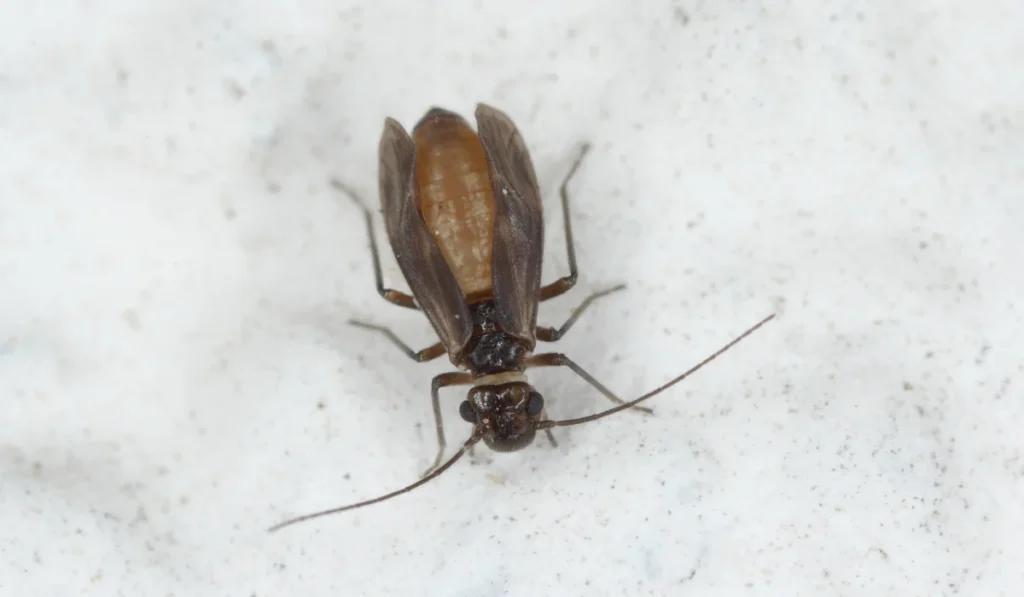
A single cardboard box stored in a garage or attic can harbor dozens of German cockroach (Blattella germanica) egg cases. Each case produces 30 to 40 nymphs. Within weeks, a forgotten box becomes a breeding site that spreads insects throughout your home.
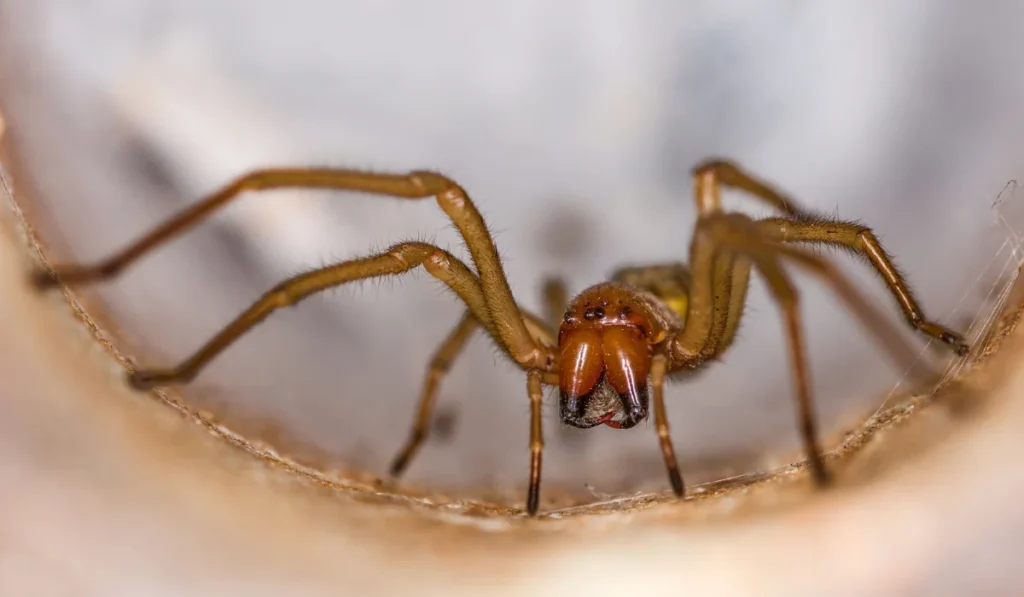
Boxes brought in from storage units, moving companies, or retail stores often carry pests that hitchhike from one location to another. Brown recluse spiders frequently nest inside folded cardboard flaps, and their bites require medical attention. If you receive cardboard boxes from any external source, unpack them outdoors and discard them before bringing items inside.
The Advantages of Storage Containers Over Cardboard Bins
Pests that reach stored belongings cause damage you may not discover for months. Carpet beetles eat holes through wool blankets, silk garments, and leather goods. Pantry moths contaminate flour, cereal, rice, and dry goods with larvae and webbing. Rodents contaminate food with droppings and urine, creating health risks for your family.
The financial cost compounds over time. Replacing a single wool coat damaged by carpet beetles can run $200 or more. A pantry moth infestation can force you to discard $100 to $300 worth of dry goods. Switching to bug proof storage containers costs less than one round of replacements and lasts for years.
Best Storage Containers for Kitchen and Pantry Food
Airtight Food Storage Containers Block Pantry Moths and Ants
Pantry moths (Indianmeal moths) and grain beetles are the most common kitchen pests in the Southeast. Both lay eggs directly on dry goods. Larvae hatch inside packages of flour, rice, cereal, pasta, and pet food. Transferring these items into airtight food storage containers immediately after purchase breaks the cycle.
Look for containers with these features:
- A silicone ring or foam gasket around the lid that creates an airtight seal when closed
- Clear plastic or glass walls so you can see contents without opening the lid
- BPA-free plastic rated for food contact
- Stackable design to maximize pantry space
Popular options include OXO POP containers ($8 to $18 each), Rubbermaid Brilliance canisters ($6 to $14 each), and Progressive ProKeeper sets ($25 to $40 for a 6-piece set). Each brand offers different sizes to accommodate flour, sugar, cereal, and smaller dry goods like spices.
Storage Containers: Glass Jars with Rubber Gaskets for Dry Goods
Glass containers are impervious to insects and rodents. No bug can chew through glass. Jars with swing-top clamp lids and rubber gaskets create a sealed environment that blocks even the smallest pantry pests. Mason-style jars with airtight clamp lids run $15 to $30 for a three-pack of 78-ounce jars.
Glass works best for everyday use items you access frequently: flour, sugar, rice, pasta, coffee, and baking supplies. The weight makes glass less practical for high shelves or for storing large quantities. For bulk storage of 10 pounds or more, heavy-duty plastic canisters with locking lids are a better option.
Storage Containers with Tight Fitting Metal Lids for Extra Security
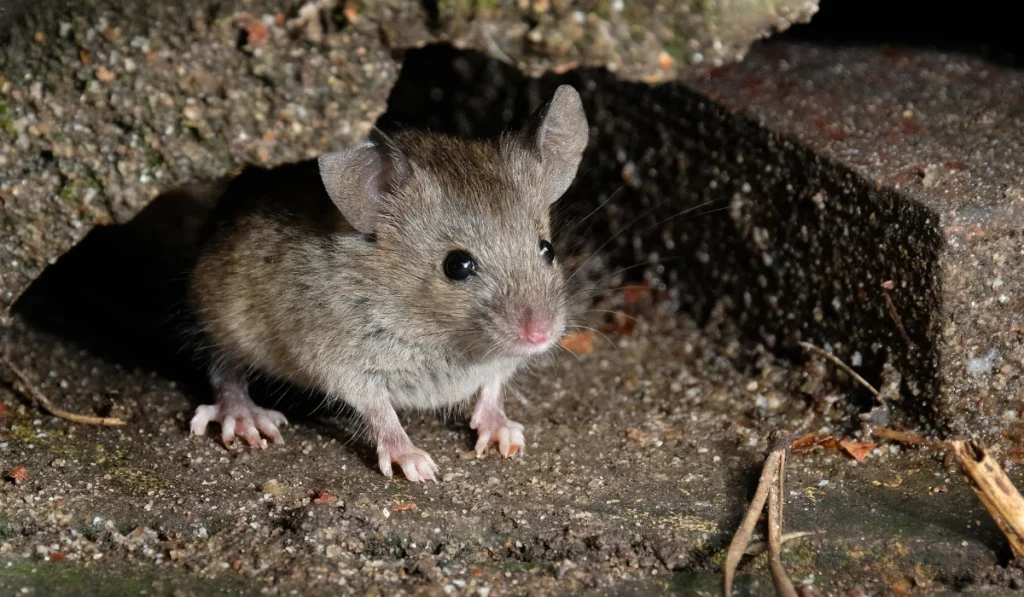
Metal containers block gnawing rodents that can chew through plastic. If you live in an area with frequent mouse or rat activity, metal tins and canisters with tight fitting lids provide extra security for stored food. Stainless steel canisters with silicone-sealed lids run $15 to $40 depending on size.
Metal works best for pet food, birdseed, and bulk grain storage. Gamma2 Vittles Vault containers ($20 to $50 depending on capacity) use thick polyethylene with a threaded screw-top lid. While not metal, the material is thick enough that mice cannot gnaw through it. These containers hold 20 to 60 pounds of pet food and feature wheels on larger models for convenient access.
Food Storage Containers Comparison by Material
| Material | Blocks Insects | Blocks Rodents | Moisture Resistant | Best For | Price Range |
|---|---|---|---|---|---|
| Airtight plastic (BPA-free) | Yes | Thin plastic: No. Thick plastic: Partial | Yes | Pantry staples, cereal, snacks | $6–$18 each |
| Glass with rubber gasket | Yes | Yes | Yes | Flour, sugar, coffee, baking supplies | $10–$30 per jar |
| Metal with sealed lid | Yes | Yes | Yes | Pet food, bulk grain, birdseed | $15–$50 |
| Cardboard | No | No | No | Nothing. Replace immediately. | Free (and costly) |
Best Bug Proof Storage Containers for Garages and Attics
Storage Containers: Heavy-Duty Plastic Bins with Locking Lids
Garages and attics are the highest-risk storage spaces in your home. Temperature swings, moisture, and direct access from outdoors make these areas magnets for roaches, spiders, silverfish, mice, and rats. Cardboard boxes stored in a garage or attic will attract pests within weeks during a Southeast summer.
Heavy-duty plastic bins with locking latch lids are the standard for pest-resistant storage in these areas. The latching mechanism compresses the lid against the bin rim, creating a seal that insects cannot penetrate. Look for bins labeled “weather-tight” or “weatherpro” with a foam gasket or rubber seal along the lid edge.
IRIS USA WeatherPro bins ($12 to $25 per bin depending on size) are a consistently recommended option. They come in 19-quart to 60-quart sizes, feature a built-in gasket, and are stackable. Rubbermaid Cleverstore bins ($8 to $15 each) are lighter duty but still outperform cardboard for seasonal items.
Storage Containers in Clear Plastic Let You See Contents Quickly
Clear bins let you identify contents without removing the lid, which means you open containers less often. Every time you open a storage container in a garage or attic, you give pests a window of access. Transparent walls reduce unnecessary opening and help you organize by category.
Clear plastic storage bins also make pest detection easier. If insects or rodent droppings appear inside a sealed bin, the clear walls reveal the problem before it spreads. Label each bin on the outside with a permanent marker or adhesive label to further reduce the need to open and inspect.
Storage Containers With Locks for Outdoor and Deck Storage
Outdoor storage bins need lockable lids to block raccoons, squirrels, and larger pests. Standard snap-latch bins work indoors but fail on a deck or patio where animals with strong paws can pop latches open. Lockable bins use a padlock hasp or built-in combination lock that resists animal tampering.
Deck boxes designed for outdoor use run $60 to $200 depending on size. Look for UV-resistant material that will not crack in direct sunlight and drainage holes that prevent standing water from creating moisture inside the bin. Standing water attracts mosquitoes and creates ideal conditions for mold that accelerates fabric and paper decay.
Extra Large Storage Containers for Bulky Belongings
Holiday decorations, sporting equipment, and bulky items need extra large bins with secure closures. Standard 60-quart bins are not large enough for items like artificial Christmas trees, sleeping bags, or camping gear. Extra large bins in the 100-quart to 180-quart range handle heavy loads and bulky shapes.
Sterilite 105-quart latching bins ($15 to $20 each) offer one of the most affordable options for extra large sealed storage. For heavier items like tools or camping gear, bins with wheels make it easier to move containers without dragging them across a concrete garage floor.
Bug Proof Storage Containers for Clothes, Fabric, and Linens
Storage Containers: How Vacuum Sealed Bags Shield Fabric from Carpet Beetles and Moths
Carpet beetles and clothes moths cause more damage to stored fabric than any other household pest. Both species feed on natural fibers: wool, silk, cashmere, cotton, and leather. Larvae do the damage, chewing irregular holes through garments, blankets, linens, and upholstered furniture stored without protection.
Vacuum sealed bags remove air from around fabric items and create a compressed, airtight package that insects cannot penetrate. The absence of air also eliminates the moisture that mold and mildew need to grow. A pack of six large vacuum bags runs $15 to $25 and works with any standard vacuum cleaner.
Use vacuum sealed bags for:
- Seasonal clothing (winter coats, sweaters, heavy blankets)
- Linens and bedding not in regular rotation
- Formal wear and delicate garments
- Baby clothes and fabric keepsakes
Storage Containers Get Extra Pest Prevention With Cedar Blocks
Cedar oil repels clothes moths and carpet beetles. Cedar blocks, cedar rings, and cedar sachets placed inside sealed bins or vacuum bags provide an additional deterrent. The wood releases aromatic compounds that disrupt the feeding behavior of textile pests.
Cedar is not a standalone solution. Its effectiveness fades as the wood dries out, typically after two to three years. Sand cedar blocks lightly with fine-grit sandpaper to refresh the surface and release new oils. Combine cedar blocks with airtight containers or vacuum sealed bags for the most durable protection.
Bug Proof Storage Containers for Blankets, Linens, and Seasonal Items Year Round
Long term storage of fabric items requires both an airtight container and a clean starting point. Wash or dry-clean every item before storing it. Pests are attracted to body oils, food residue, and perspiration left on fabric. Clean items stored in sealed bins remain unappealing to carpet beetles and moths even after months in storage.
Place cedar blocks or lavender sachets inside each bin. Stack bins in the driest area of your storage space, away from exterior walls where moisture condenses. In basements and crawl spaces, elevate bins on pallets or shelving to avoid contact with concrete floors that wick moisture.
Bug Proof Storage Containers for Basements and Storage Units
Bug Proof Storage Containers for Basement Moisture and Pest Protection
Basements combine two pest-friendly conditions: darkness and moisture. Silverfish, cockroaches, centipedes, and rodents thrive in basements where humidity levels stay above 60%. Standard plastic bins keep insects out but do nothing about the moisture that draws them in.
Control basement humidity with a dehumidifier set to maintain 45% to 50% relative humidity. Place bins on wire shelving or pallets so air circulates beneath them. Avoid pushing bins against basement walls where condensation forms during temperature swings. These steps make your storage space less hospitable to pests even before you upgrade your containers.
Bug Proof Storage Containers Keep Pests Away From Your Belongings
Off-site storage units are shared environments where pests travel between renters’ belongings. A neighboring unit with an active rodent or roach population can send pests into yours through gaps under walls and around door seals. You cannot control what your neighbors store, but you can control how you store your stuff.
Rules for pest-resistant storage unit organization:
- Replace every cardboard box with a plastic bin that has a latching or locking lid
- Leave a 6-inch gap between bins and walls so you can inspect for droppings or damage
- Do not store food, pet food, or unsealed pantry items in a storage unit
- Place rodent deterrent sachets (peppermint-based) around the perimeter
- Visit your unit monthly to inspect for signs of pest activity
Bug Proof Storage Containers: Protecting Your Furniture from Bugs and Rodents
Upholstered furniture stored without covers is vulnerable to carpet beetles, moths, mice, and spiders. Mice nest inside couch cushions and chair padding. Carpet beetle larvae feed on the natural fibers in upholstery fabric. Spiders build webs inside furniture crevices within days of placement in a dark storage space.
Cover each piece of furniture with fitted plastic furniture covers or heavy-duty moving blankets sealed with tape. Avoid wrapping furniture in plastic bags that trap moisture. Breathable furniture covers with elastic hems provide protection while allowing air circulation. Place cedar blocks or pest deterrent sachets inside cushion cavities and drawers.
How to Choose the Right Storage Containers
Bug Proof Storage Containers for Every Indoor Space
| Storage Space | Primary Pest Threats | Best Container Type | Key Feature |
|---|---|---|---|
| Kitchen pantry | Pantry moths, ants, grain beetles | Airtight canisters with silicone ring | Sealed lid, clear walls |
| Garage | Roaches, spiders, mice, rats | Heavy-duty latching bins | Locking lid, durable material |
| Attic | Silverfish, carpet beetles, wasps | Weatherproof bins with gasket | Moisture seal, stackable |
| Basement | Silverfish, roaches, centipedes, rodents | Sealed bins on elevated shelving | Moisture protection, air circulation |
| Closet | Carpet beetles, clothes moths | Vacuum sealed bags + cedar blocks | Airtight, aromatic deterrent |
| Storage unit | Roaches, rodents, spiders | Lockable bins with sturdy lids | Tamper-resistant, stackable |
Bug Proof Storage Containers: Key Features That Resist Pest Intrusion
Outdoor bins face threats from both insects and wildlife. A deck box or patio bin needs UV-resistant material, a lockable lid, and drainage to prevent water pooling. Resin deck boxes from brands like Suncast and Keter ($80 to $200) meet all three criteria and hold cushions, tools, garden supplies, and outdoor toys.
Avoid storing anything organic (food, birdseed, pet food) in outdoor bins. Even sealed containers attract raccoons, opossums, and rats when placed outside. Use outdoor storage for tools, sporting equipment, pool supplies, and non-organic items only. Keep trash cans with lockable lids separate from deck storage to avoid cross-contamination.
Storage Containers and Common Mistakes That Attract Pests
Why Plastic Bags Fail as Storage Containers Against Pests
Thin plastic bags offer zero protection against rodents and minimal protection against insects. Mice chew through standard plastic bags in seconds. Roaches squeeze through gaps in loosely closed zipper bags. Even thick plastic bags puncture during handling, creating entry points that insects exploit.
Grocery bags, garbage bags, and standard zip-top bags should never serve as long term storage for food, fabric, or paper. They trap moisture inside, accelerating mold growth while giving pests easy access. Replace plastic bags with rigid containers that have latching or locking lids.
Stacking Storage Containers Incorrectly Creates Pest Access Points
Bins stacked directly on the floor against a wall create hidden corridors that pests travel through undisturbed. Rodents and roaches prefer dark, tight spaces between containers and walls. Stacking bins with no inspection gap makes it impossible to spot droppings, damage, or nesting material until the infestation is advanced.
Stack bins on shelving whenever possible. Leave 4 to 6 inches between the stack and the nearest wall. Avoid stacking higher than you can reach comfortably, since top bins become neglected and go uninspected for months. Place the items you access most often at eye level for convenient rotation.
Dirty Storage Containers Attract Bugs From the Start
Food residue, body oils, and organic debris on stored items attract pests faster than the items themselves. A single unwashed sweater provides enough skin cells and body oil to feed carpet beetle larvae for months. A bin of holiday decorations dusted with crumbs from last year’s party becomes a roach food source.
Clean every item before storing it. Wipe hard surfaces with a damp cloth. Launder or dry-clean all fabric. Shake out tools and sporting equipment outdoors. The few minutes spent cleaning before you close the lid can prevent months of pest damage.
When Storage Containers Are Not Enough to Stop Pests
When Storage Containers Alone Aren’t Enough: Call a Pro
Bug proof storage containers prevent future pest access, but they cannot resolve an active infestation. If you find live insects inside sealed containers, droppings throughout your storage space, or damage patterns across multiple bins, a pest population has already established itself. New containers alone will not fix the problem.
Signs that indicate you need professional treatment:
- Live roaches or rodent droppings in the kitchen, garage, or attic
- Webbing or larvae inside sealed food packages (pantry moths)
- Irregular holes in stored fabric (carpet beetles or clothes moths)
- Gnaw marks on containers, wiring, or wood (mice or rats)
- Musty odor in enclosed storage areas (possible mold from pest activity)
How Waynes Supports Storage Container Pest Prevention
Waynes has served more than 150,000 families across Alabama, Tennessee, Florida, and Mississippi since 1975. Our technicians inspect your home inside and out, identify active pest populations and entry points, and apply targeted treatments to harborage areas including cracks, crevices, baseboards, and wall voids.
As an EPA Pesticide Environmental Stewardship Program member since 2004, Waynes follows application protocols designed to minimize exposure for your family and pets. Every service visit includes a post-service video walkthrough so you see exactly what was found and what was treated. Every little thing matters. A LOT.
Storage upgrades and professional pest control work together. The containers protect your belongings. The treatment addresses the population driving the problem. If you are finding pests in your stored items, schedule an inspection to identify the source and get a targeted treatment plan.
Protecting Southeast Homes: Storage Containers Year Round
Seasonal Storage Container Checklist for Year-Round Prevention
Southeast humidity and warm temperatures create year round pest pressure that demands seasonal attention. Adjust your storage strategy as conditions change:
- Spring: Inspect all stored bins in the garage, attic, and basement. Replace any cracked lids. Check for carpenter ant frass near stored wood items.
- Summer: Run dehumidifiers in basements and crawl spaces. Monitor pantry containers for moth activity. Rotate dry goods and discard expired items.
- Fall: Seal gaps around garage doors, attic vents, and basement windows where rodents enter as temperatures drop. Swap lightweight bins for heavier lockable models in spaces with rodent risk.
- Winter: Check vacuum sealed bags for lost compression. Inspect cedar blocks and replace if the scent has faded after two or three years. Monitor for mouse activity in garages and storage units.
Storage Containers Plus Pest Prevention: Complete Strategy
Containers are one layer of a multi-layer defense. Combine sealed storage with these additional pest prevention habits to create a storage environment that insects and rodents avoid:
- Reduce clutter that provides hiding spots and nesting material
- Seal cracks and gaps in walls, floors, and around pipes with caulk or steel wool
- Keep all indoor spaces dry with proper ventilation and dehumidification
- Store firewood at least 20 feet from your home’s exterior
- Schedule routine professional pest control to address populations before they reach your stored belongings
Pests follow moisture, food, and shelter. Remove even one of those three attractants and you reduce your risk significantly. Bug proof storage containers remove the food and shelter elements. Humidity control and professional treatment address the rest.
Frequently Asked Questions About Bug Proof Storage Containers
What are the best bug proof storage containers for a pantry?
Airtight plastic canisters with silicone ring seals and glass jars with rubber gaskets are the best pantry options. Both block pantry moths, ants, and grain beetles from accessing dry goods. OXO POP containers, Rubbermaid Brilliance canisters, and swing-top glass jars all perform well. Transfer dry goods from original packaging into sealed containers immediately after purchase to prevent larvae already in the packaging from spreading.
Do plastic storage bins keep bugs and rodents out?
Heavy-duty plastic bins with latching lids block most insects but may not stop determined rodents. Mice can gnaw through thin plastic over time. For spaces with active rodent problems, choose bins with thick walls (IRIS WeatherPro or similar) or metal containers. The latching mechanism matters more than the material. A bin without a secure closure fails regardless of wall thickness.
Should you use cardboard boxes for storing belongings long term?
No. Cardboard attracts cockroaches, silverfish, rodents, and carpet beetles. Roaches feed on the adhesive. Silverfish consume the cellulose. Mice shred cardboard for nests. In the humid Southeast, cardboard absorbs moisture and accelerates mold growth. Replace all cardboard storage boxes with plastic bins that have sealed, latching lids for any storage lasting longer than a few weeks.
How do vacuum sealed bags protect clothes from bugs?
Vacuum sealed bags remove air and compress fabric into an airtight package that carpet beetles and clothes moths cannot access. Without air, moisture levels drop inside the bag, further discouraging pests and preventing mold. Wash or dry-clean all garments before sealing to remove the body oils and skin cells that attract textile pests. Check bags every few months to confirm the seal holds compression.
When should you call a pest control company instead of buying new containers?
Call a professional when you find live insects inside sealed containers, droppings in multiple areas, or damage to stored items across different rooms. These signs indicate an established population that new containers alone cannot address. Waynes technicians inspect the entire home, identify harborage sites and entry points, and apply targeted treatments to active areas. Storage containers protect your belongings after the treatment resolves the source of the problem.
Related reading: how to protect your stored boxes from pests.