Alabama is home to two native scorpion species, and neither carries venom lethal to healthy adults. The Hentz Striped Scorpion and the Southern Unstriped Scorpion (also called the Southern Devil Scorpion) are the only scorpions you will encounter across the state. Both are small arachnids with eight legs, two front pincers, and a curved tail ending in a stinger. If one shows up inside your house, it followed prey through a gap in your exterior, not a colony moving in.
- Alabama has two native scorpion species: the Hentz Striped Scorpion and the Southern Unstriped Scorpion.
- Neither species carries venom dangerous to healthy adults. Stings produce localized pain similar to a wasp sting.
- Scorpions enter homes while chasing insects and spiders through cracks, gaps around windows, and unsealed pipe openings.
- Removing debris, sealing entry points, and reducing outdoor lighting cuts scorpion activity near your foundation.
- Repeated sightings signal an unresolved entry point or a larger pest population drawing scorpions in.
Two Scorpion Species Found in Alabama Homes
Scorpion species found in Alabama homes
Alabama has two native scorpion species, and both will sting if threatened. Telling them apart comes down to striping and size.
Alabama scorpions belong to two distinct species, each with different markings, ranges, and preferred hiding spots. Knowing which one you are dealing with helps you understand where to look, what to expect from a sting, and which conditions are drawing them to your property. Both species are venomous arachnids with eight legs, segmented tails, and stingers, but their appearances differ enough to tell them apart without professional help.
The Hentz Striped Scorpion in Alabama
The Hentz Striped Scorpion is the most common scorpion species in Alabama. Adults reach 2 to 2.5 inches in length. Their bodies are tan to dark brown with two dark stripes running the length of the back. You will find them across central and northern Alabama and throughout the Gulf Coast and coastal plain regions.
These scorpions hide under rocks, stones, pine straw, dead trees, and debris piles during the day. At night, they hunt small insects and spiders. Males tend to wander more than females, which makes them more likely to turn up inside your home. Their venom produces localized pain, but poses no systemic danger to most people.
The Southern Unstriped Scorpion in Alabama
The Southern Unstriped Scorpion, sometimes called the Southern Devil Scorpion, is the second of Alabama’s two native species. It is smaller and darker than the Hentz Striped Scorpion, with a solid dark brown to reddish-brown body and no stripes. This species is more common in northern Alabama, particularly in wooded and rocky terrain.
Southern Unstriped Scorpions prefer hiding places beneath loose bark, wood piles, and stones. They feed on small insects and spiders, subduing prey with their stinger. Their venom is not lethal to humans but produces localized pain, swelling, and redness lasting a few days. These creatures are not aggressive. They sting only when threatened or pressed against skin.
Alabama’s Species: How to Tell Scorpions Apart in Alabama
The most reliable way to distinguish the two scorpion species in Alabama is by body color and striping. The Hentz Striped Scorpion displays two visible dark stripes down its tan or brown back. The Southern Unstriped Scorpion has a uniformly dark body with no stripe pattern. Size also helps: the Hentz Striped Scorpion is noticeably larger. If you find a scorpion under two inches with a dark, solid body, you are most likely looking at a Southern Devil Scorpion.
Alabama Scorpion Sting Sensations in Alabama: What to Expect
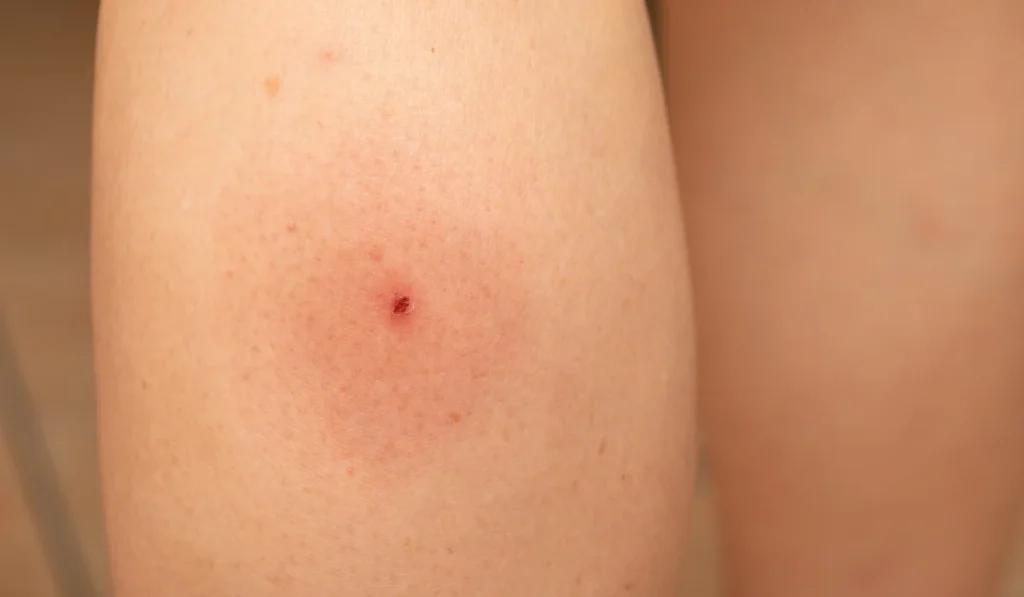
Scorpion stings from either Alabama species produce a sharp, burning pain that typically lasts about 30 minutes. The sting site can remain swollen, red, and itchy for several days. Most people describe the sensation as similar to a wasp sting. The skin around the sting may remain swollen and tender even after the initial pain fades.
A nationwide review of scorpion exposures reported to U.S. Poison Control Centers found that outside Arizona and Nevada, local skin effects such as redness and swelling were far more common than systemic symptoms, which supports what Alabama homeowners experience: a painful but localized reaction rather than a medical emergency.
Allergic reactions are uncommon but do occur. Signs include spreading redness, difficulty breathing, or nausea. Seek medical attention if you notice a severe reaction after being stung. Children, elderly family members, and anyone with known allergic sensitivities deserve close monitoring. Research published in Intensive Care Medicine notes that up to 95% of scorpion stings are low-venom and produce only local signs, consistent with the experience reported by most Alabama residents stung by native species.
It is also worth knowing that according to a clinical review published in Critical Care Clinics, the Arizona bark scorpion is the only U.S.-endemic scorpion known to cause systemic envenomation in humans. Neither of Alabama’s two native species falls into that category. Painful, yes. A medical emergency for most healthy adults, no.
How Scorpions in Alabama Invade Your Home
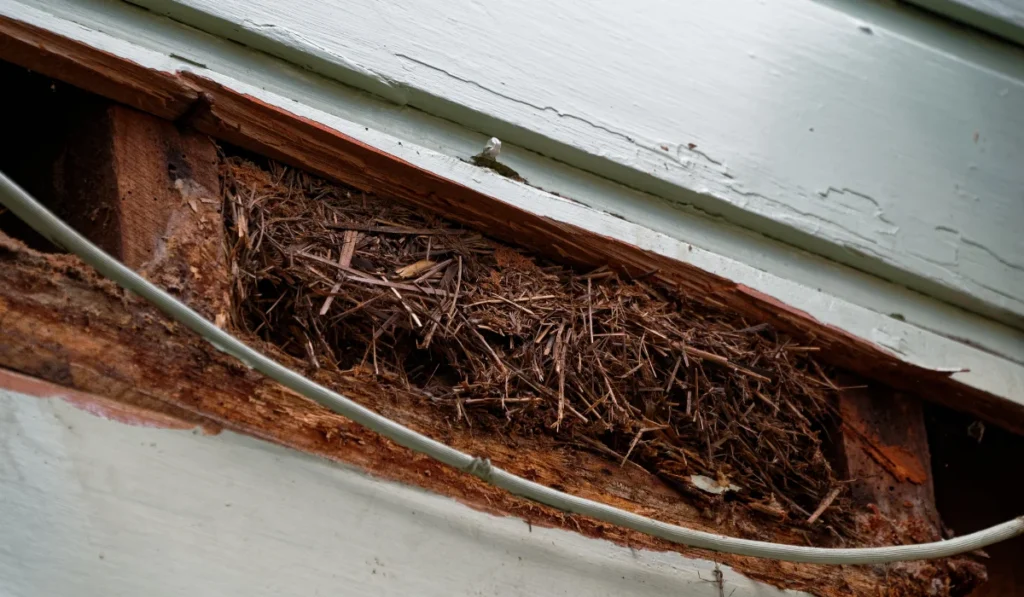
Scorpions cannot sustain themselves indoors long-term, but they enter your home while following food sources through gaps you may not notice. Insects and spiders are the primary prey for both Alabama scorpion species. Where those pests move, scorpions follow. Your walls, foundation, and door frames offer more entry points than most homeowners realize.
Common entry points include:
- Cracks in brick foundations and exterior walls
- Gaps around windows and worn door jams
- Loose-fitting doors without adequate weather stripping
- Inadequately sealed pipes inside walls
- Openings around utility lines where they enter the structure
Cooler weather drives more scorpion encounters indoors. As temperatures drop, these animals seek warm shelter, and your home provides exactly what they need. A single scorpion inside signals a gap in your exterior, not a colony infestation. These are solitary creatures by nature.
How to Reduce Scorpion Activity in Alabama Yards
Removing hiding places around your property is the single most effective step you can take to reduce scorpion activity near your home. Scorpions are dark-seeking arachnids that rest during the day and hunt at night. Fewer hiding spots near your foundation mean fewer scorpions near potential entry points.
Outdoor Habitat Changes That Deter Scorpions in Alabama
Yard conditions that attract insects and spiders also attract the scorpions that feed on them. Addressing the habitat reduces the entire food chain at once. The following changes make your yard less hospitable to scorpions and the pests they prey on:
- Clear pine straw, ground-level debris piles, and dead trees from the perimeter of your house
- Move large rocks and stones away from the foundation
- Stack wood piles at least 20 feet from exterior walls
- Reduce outdoor lighting that attracts the insects scorpions feed on at night
- Trim vegetation and ground cover close to the foundation so scorpions cannot hide against your walls
Sealing Entry Points to Keep Scorpions Out in Alabama
Sealing the gaps in your home’s exterior is the most direct way to prevent scorpions from entering. A scorpion can fit through a crack as narrow as a credit card. Start with the areas most likely to have unsealed openings and work outward from there.
- Seal foundation cracks with caulk or mortar
- Apply weather stripping to loose-fitting doors and windows
- Pack steel wool into gaps around inadequately sealed pipes where they pass through walls
- Check door jams for wear and replace seals that no longer contact the threshold
- Inspect utility line entry points and fill openings with appropriate sealant
These same steps reduce other pests such as spiders, insects, and other small animals that scorpions prey on. Cut the food source, and scorpions lose their reason to approach your walls in the first place. [According to the EPA’s integrated pest management guidance](https://www.epa.gov/managing-pests-schools/introduction-integrated-pest-management), exclusion and habitat modification are foundational to managing pest populations before treatment becomes necessary.
When to Call Pest Control for Scorpions in Alabama
A single scorpion inside does not always require professional pest control, but repeated sightings tell a different story. Multiple encounters suggest entry points you have not located, or a larger insect and spider population on your property drawing scorpions in consistently. At that point, a professional inspection identifies both the access points and the conditions sustaining the problem.
Waynes has served more than 150,000 families across Alabama for over 50 years. As a member of the EPA Pesticide Environmental Stewardship Program since 2004, Waynes applies targeted treatments to active pest areas and inspects potential entry points during every service visit. A technician trained in integrated pest management protocols can assess your property, identify the conditions drawing scorpions in, and build a plan that addresses root causes rather than just the visible pests.
Every little thing matters. A LOT. When it comes to keeping your family protected, the gaps you cannot see are just as important as the ones you can.
Keeping Scorpions in Alabama Out Year-Round
Scorpion pressure in Alabama does not disappear in winter, it shifts. Cooler weather drives scorpions to seek warmth, which brings them closer to your home’s foundation and increases the chance of an indoor encounter. Summer heat pushes activity into the evening hours, when scorpions hunt most actively. Year-round awareness means checking the usual hiding places in every season, not just when temperatures peak.
The two-part strategy that works is consistent: remove the habitat conditions that attract scorpions and their prey, and seal the structural gaps that let them inside. Neither step alone is enough. Both together, maintained across seasons, give your home the best chance of staying scorpion-free without a professional call every time the weather changes.
If you have children or family members with known allergic sensitivities, the stakes of an indoor encounter are higher. In those households, a scheduled pest control plan that targets the insects and spiders scorpions feed on is worth considering as a preventive measure rather than a reactive one.
Frequently Asked Questions
Are scorpions in Alabama dangerous?
Alabama’s two native scorpion species, the Hentz Striped Scorpion and the Southern Unstriped Scorpion, are venomous but not dangerous to most healthy adults. Stings cause localized pain, swelling, and redness similar to a wasp sting. Seek medical attention if you notice signs of a severe allergic reaction such as spreading redness, difficulty breathing, or nausea.
How many scorpion species live in Alabama?
Alabama has two native scorpion species: the Hentz Striped Scorpion and the Southern Unstriped Scorpion, also known as the Southern Devil Scorpion. The Hentz Striped Scorpion is more widespread across central and northern Alabama and the coastal plain, while the Southern Unstriped Scorpion is more common in the northern, wooded parts of the state.
What attracts scorpions to a house in Alabama?
Scorpions follow their prey, primarily small insects and spiders, through gaps in your home’s exterior. Conditions that attract scorpions include debris piles, pine straw, wood piles, and rocks near the foundation, along with outdoor lighting that draws the insects scorpions feed on. Reducing these habitat features and sealing entry points are the most effective deterrents.
How do you get rid of scorpions in your Alabama home?
Seal cracks in your foundation, apply weather stripping to doors and windows, and fill gaps around pipes with steel wool. Remove hiding places such as rocks, pine straw, and wood piles near your exterior walls. If scorpions appear repeatedly inside, contact a pest control provider to inspect for unresolved entry points and treat the pest population drawing them in.