
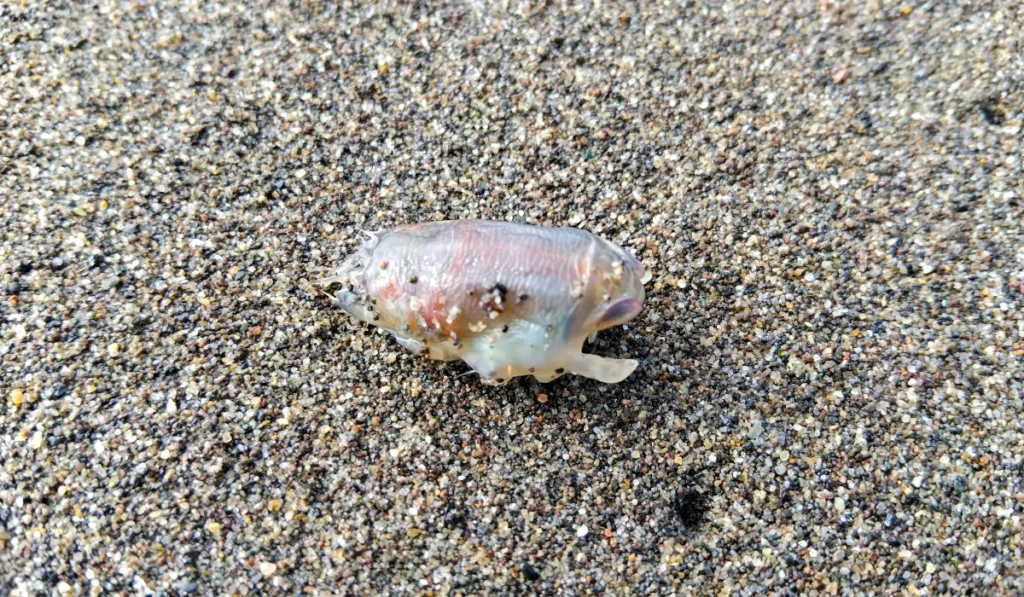
Sand fleas in Florida can mean two different things, and that is where most of the confusion starts. At the beach, “sand fleas” often refers to mole crabs, small crustaceans that live in the surf zone and are not household fleas.
When people talk about itchy bites near beaches, marshes, patios, or coastal yards, they may actually be dealing with biting midges, also called no-see-ums, sand flies, or sand gnats. The right identification matters because beach sand fleas, biting midges, and true fleas behave differently and require different prevention steps.
Key Takeaways
- “Sand fleas” in Florida often refers to mole crabs, which are crustaceans, not insects.
- Itchy “sand flea bites” are often caused by biting midges, also called no-see-ums or sand flies.
- Biting midges are tiny flies that can bite people and are common in coastal Florida.
- Activity is often worse around damp, protected, low-wind areas near dusk or dawn.
- Waynes provides pest control and Mosquito Plus services in the Florida Panhandle.
What Are Sand Fleas in Florida?
The phrase “sand flea” is not always used the same way. In Florida beach language, sand fleas often mean mole crabs. UF/IFAS Extension Escambia County’s Florida Panhandle beach wildlife guide describes sand fleas as mole crabs that live partly buried in the sand in the surf zone.
These beach sand fleas are not the same as the fleas that infest pets or the tiny biting flies people call no-see-ums. Mole crabs are part of the beach ecosystem and are also known as bait for surf fishing. They may hop or move quickly in wet sand, but they are not a household pest that infests carpets, pets, or beds.
Do Sand Fleas Bite?
Mole crabs, the beach animals many Floridians call sand fleas, are not the usual cause of itchy bites after time outdoors. If you have red, itchy bites after sitting near the beach, bay, marsh, or patio, biting midges may be the more likely culprit.
The UF/IFAS guide to biting midges explains that biting midges are also called no-see-ums, sand flies, or sand gnats. They are tiny blood-feeding flies, and many species are small enough to pass through regular window and door screens.
That distinction matters. If you are treating “sand fleas” as if they are pet fleas, but the bites are coming from no-see-ums outdoors, the problem will keep happening.
How to Identify Biting Midges
Biting midges are tiny flies, often much smaller than mosquitoes. Many people feel the bite or notice the itch before they ever see the insect. They are especially frustrating because they can be active in outdoor seating areas, coastal yards, marsh edges, and screened spaces.
Common clues include:
- Tiny flying insects that are hard to see
- Itchy red bumps after outdoor exposure
- Bites around ankles, legs, arms, neck, or exposed skin
- Activity around dusk, dawn, or cloudy low-wind periods
- More bites near marshes, beaches, bays, or damp areas
- Bugs slipping through ordinary screens
Biting midges do not behave like fleas in carpets or pet bedding. Their source is usually outdoors, especially in damp organic areas where they can breed.
Sand Fleas, No-See-Ums, and True Fleas
Homeowners often use the same name for different pests. Here is the practical difference.
Beach Sand Fleas
Beach sand fleas are usually mole crabs. They live in wet sand and the surf zone. They are not indoor pests, and they do not infest pets.
No-See-Ums
No-see-ums are biting midges. They are tiny flying insects that bite people and animals. They are common around coastal and damp areas and can make outdoor spaces uncomfortable.
True Fleas
True fleas are insects that feed on blood and are often tied to pets, wildlife, carpets, bedding, shaded yard areas, and animal resting spots. Waynes’ Florida pest control page notes that its Mosquito Plus service helps protect against mosquitoes, fleas, and ticks in the Florida Panhandle through specialty service options.
When Are Sand Fleas and No-See-Ums Active in Florida?
Mole crabs can be found in the surf zone when beach conditions are right, but homeowners are usually more concerned with the biting insects they experience outdoors.
Biting midges can be active for much of the year in warm coastal areas. They are often worse when conditions are humid, calm, and protected from wind.
You may notice more biting activity:
- Around dusk or dawn
- After rain or during humid weather
- Near marshes, bays, beaches, or wooded wetlands
- Around shaded patios or porches
- In low-wind areas
- Near damp soil or organic material
- Around outdoor seating areas close to vegetation
Because Florida’s Panhandle has coastal neighborhoods, wetlands, and warm weather, biting pests can remain a recurring outdoor issue.
Where Biting Midges Come From
Biting midges usually breed in moist environments with organic material. They are not coming from your couch or bed the way indoor pests might.
Potential activity areas include:
- Marsh edges
- Wet soil
- Muddy areas
- Mangroves or coastal vegetation
- Drainage areas
- Damp leaf litter
- Shaded yard edges
- Areas with poor air movement
Biting midges are weak fliers compared with many larger insects, but they can still make patios, decks, and yards uncomfortable when breeding sites are nearby.
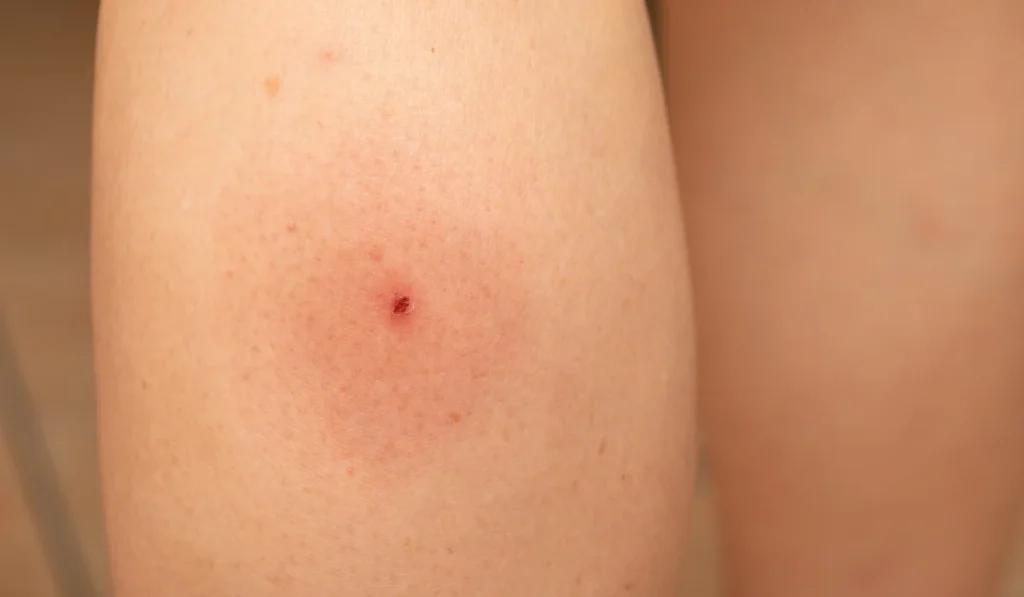
What Sand Flea Bites Look Like
People often use “sand flea bites” to describe small, itchy red bumps after a beach or outdoor visit. Those bites may come from biting midges, mosquitoes, fleas, or another biting insect.
Typical bite irritation may include:
- Small red bumps
- Itching
- Swelling around the bite
- Clusters on exposed skin
- More irritation after scratching
Do not scratch if you can avoid it. Scratching can irritate the skin and increase the risk of infection. If bites are severe, spreading, painful, or showing signs of infection, contact a healthcare provider.
How to Reduce Bites Outdoors
Prevention is mostly about timing, barriers, and reducing nearby conditions that support biting insects.
Helpful steps include:
- Use EPA-registered insect repellent as directed.
- Wear lightweight long sleeves and pants during peak biting times.
- Use fans on patios or porches to increase air movement.
- Repair or upgrade screens where insects are getting through.
- Reduce damp leaf litter and organic debris near seating areas.
- Keep gutters draining properly.
- Avoid sitting near marshy or damp areas during dusk and dawn.
- Treat pets for fleas through a veterinarian-approved prevention plan.
The Florida Department of Health’s mosquito and insect-borne disease prevention guidance recommends draining standing water, using EPA-registered repellents as directed, and covering exposed skin when biting insects are active.
Can Sand Fleas Infest a Home?
Beach sand fleas do not infest homes. Biting midges also do not usually breed inside carpets or bedding. If you are seeing biting activity indoors, the issue may involve fleas, mosquitoes, bed bugs, mites, or insects entering from outside.
True flea activity is different. Fleas may be tied to:
- Dogs or cats
- Wildlife under decks or crawl spaces
- Pet bedding
- Rugs and carpets
- Shaded outdoor resting areas
- Rodent activity
If bites are happening indoors or pets are scratching, do not assume beach sand fleas are the source. Inspection helps determine whether the problem is fleas, bed bugs, mosquitoes, no-see-ums, or another pest.
When to Call Waynes
Call us if biting pests are making your yard, patio, porch, or pet areas hard to enjoy, or if you are not sure whether the problem is fleas, no-see-ums, mosquitoes, or another pest. Waynes provides pest control services in the Florida Panhandle for common household pests, and our specialty Mosquito Plus service helps protect against mosquitoes, fleas, and ticks.
If bites are happening indoors, we can inspect for flea activity and other pests. If the problem is mostly outdoors, we can help identify pest pressure around the home and recommend the right next step.
For help with biting pests around your Florida Panhandle home, contact Waynes for a free quote.
FAQs About Sand Fleas in Florida
Are sand fleas in Florida real fleas?
Usually, no. In Florida beach language, “sand fleas” often refers to mole crabs, which are crustaceans that live in wet sand. They are not the same as pet fleas.
What is biting me at the beach in Florida?
Bites near beaches, bays, marshes, or coastal yards are often blamed on sand fleas, but biting midges, mosquitoes, fleas, or other small biting pests may be responsible.
Do sand fleas live in houses?
Beach sand fleas do not infest homes. If bites are happening indoors, the issue may involve true fleas, bed bugs, mosquitoes, mites, or another pest.
When are no-see-ums most active in Florida?
No-see-ums are often more noticeable around dusk, dawn, humid conditions, low-wind areas, and damp coastal habitats. Activity can vary by location and weather.
Does Waynes treat sand fleas in Florida?
Waynes can help inspect biting pest activity and identify whether the issue is fleas, mosquitoes, no-see-ums, or another pest. In the Florida Panhandle, our pest control and Mosquito Plus services can help with common biting pest concerns.