
Panama City’s warm, humid weather makes kitchens a target for pantry pests. To prevent pantry pests in Panama City, FL, start with smart storage and consistent cleaning. These steps protect food and help you catch issues early.
When pantry pests move in, they target cereals, flour, rice, nuts, and pet food. Even a few adults can start an infestation fast. Homeowners often spot Indian meal moths, rice weevils, flour beetles, or sawtoothed grain beetles near lights or crawling in opened packages. Finding larvae or fine dust in bags means pests have already infested the food.
You can fix this problem. With a simple plan and help from local pest control in Panama City, FL, you can prevent pantry pests year-round. Below are five clear steps and when to call a professional for help.
Key Takeaways
- Seal open bags and boxes in airtight, hard-sided containers to protect stored food.
- Deep-clean shelves, corners, and crevices, then monitor activity to quickly spot new pests.
- Throw away infested food outdoors and reset storage to stop larvae from spreading.
- If activity continues, schedule pest control services for an inspection and treatment plan.
Step 1: Store Food The Right Way
Smart storage is the fastest way to keep pantry pests out of your food. After opening, move cereals, baking mixes, rice, and pet food into glass or thick plastic containers with tight lids. Using sealed containers blocks entry points for beetles and moths, and makes any activity easy to see.
Panama City’s coastal humidity makes pest problems worse. Weevils and flour beetles can slip into thin packages, and Indian meal moths lay eggs where food smells escape. Hard-sided containers prevent most infestations and make cleanup easier if you need a reset.
At Waynes Pest Control, we help protect pantries across Panama City and the Florida Panhandle.
Step 2: Clean, then Monitor
Effective pest control starts with a clean pantry. Empty each shelf, vacuum crumbs, and wipe surfaces. Pay close attention to shelf lips, support holes, and tight crevices. Look for webbing, cocoons, or tiny larvae. Replace torn shelf paper and recycle dusty boxes that hide pests.
After cleaning, place a few monitoring cards or traps to track activity. Keep everything labeled and dated. If you still see adults after 10 to 14 days, move to a stronger treatment plan. Pair cleaning with good pest prevention habits across the kitchen to limit roaches and other household pests that follow moisture and food odors.
Step 3: Sort, Check, And Toss Infested Food
Open every bag or box. Check for clumps, fine dust, small holes, or moving larvae. If you find infested food, seal it in a bag and throw it in an outdoor trash bin right away. Wipe down containers and nearby shelves to ensure you do not leave eggs behind.
When in doubt, toss it out and start fresh. Expect to find common pantry pests, including flour beetles, rice weevils, sawtoothed grain beetles, and Indian meal moths. These insects develop inside food products, so when you spot adults, there’s usually more larvae hidden inside.
A quick reset now usually costs less than a larger extermination later and keeps minor pest issues from spreading into other rooms.
Step 4: Close Gaps And Reduce Attractions
Seal the entry points where pests slip in. Caulk cracks along baseboards, around utility lines, and along trim. Replace worn weatherstripping and fix torn screens. These steps block outdoor insects and limit cockroaches that raid pantries at night.
Fix leaks under the sink and reduce moisture to slow larval growth. In Panama City and nearby beach areas, seasonal storms and heavy traffic can increase pest problems. Keep pet bowls clean, store food off the floor, and take out trash often. These habits also reduce carpet beetles and other pests that feed on crumbs in laundry areas and mudrooms.
Step 5: Call Local Pros When Activity Persists
If you still see moths or beetles after a full clean and re-storage, call a trusted pest control company in Panama City. Ask for year-round service so trained teams can inspect, identify pests, and recommend pest control solutions tailored to your home and schedule. Clear guidance on storage and sanitation is part of an effective pest management plan.
Professional help matters when pantry pests overlap with cockroaches, when a broader infestation is present, or when bed bug concerns are in nearby rooms. At Waynes Pest Control, we offer EnviroPest Bundles that pair indoor and outdoor pest control, such as mosquito control in Florida, to reduce overall pest pressure.
What Pantry Pests Look Like In Panama City Kitchens
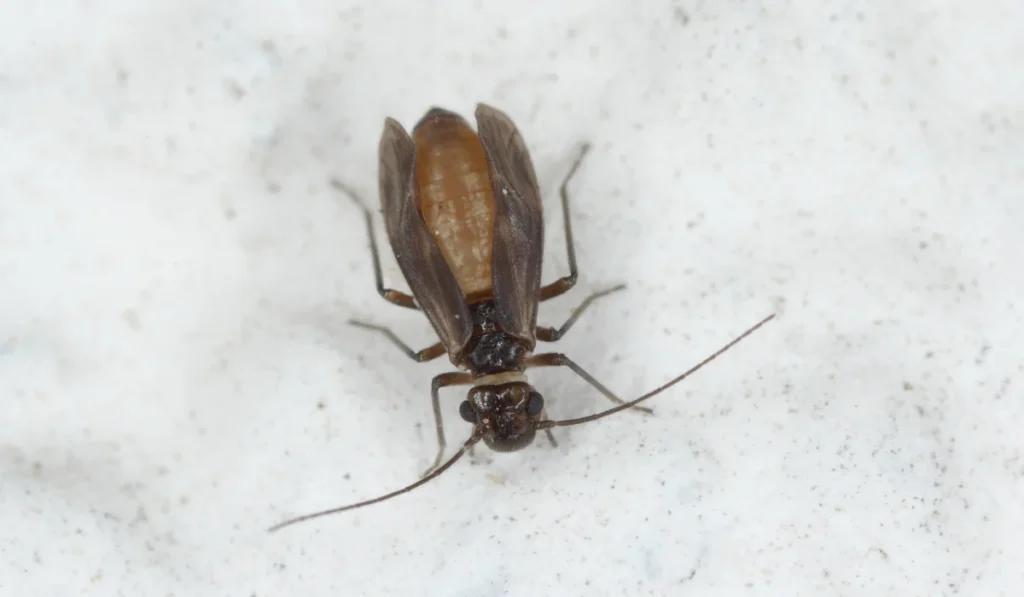
In local kitchens, you might see small tan moths fluttering at night, tiny brown beetles in flour, or weevils inside rice. Adults and larvae hide in box seams, folded bag corners, and the space where packages meet the shelf. Because larvae develop inside food, you often do not see them until you pour.
Panama City’s warm, coastal climate helps larvae develop quickly. Act fast: seal containers, clean shelf by shelf, and monitor for new activity. If traps continue to collect adults after two weeks, bring in pest control services that know the patterns of common pantry pests in our area.
Bonus: Whole-Home Prevention That Helps Your Pantry
Pantry protection gets easier when the rest of your home routine supports it. A steady, year-round plan for general pest control helps reduce roaches and other household pests that move between kitchens and bathrooms.
For homes near water or dense landscaping, adding mosquito control can lower outdoor pest pressure. The EnviroPest Bundle brings these services together so your interior and exterior stay on the same schedule.
If you are already scheduling termite treatment in Panama City, FL, ask the team to perform a termite inspection while they are on site. Early signals around garages or wood storage can protect structural areas and complement your kitchen-focused pest prevention steps.
When To Choose Professional Pantry Pest Control
Choose professional pantry pest control if your cleaning and storage reset does not stop activity, if you find pests in multiple rooms, or if you need help identifying flour beetles, rice weevils, or indian meal moths.
At Waynes Pest Control, our team will outline a treatment plan, set follow-ups, and share simple storage tips.
In Panama City and the surrounding areas, we offer pest control services for general pests, pantry pests, and more.
Making The Right Pantry Protection Choice In Panama City
Pantry pests can be persistent, but a professional plan helps you stop them for good. At Waynes Pest Control, we serve Panama City homes with targeted treatments and year-round prevention options.
If you’re ready for a cleaner, pest-free kitchen, contact us today to schedule your pantry inspection.
FAQs
What Are The Most Common Pantry Pests In Panama City?
Indian meal moths, flour beetles, sawtoothed grain beetles, and weevils like rice weevils. They target stored food such as cereals, flour, nuts, and pet food. Adults and larvae hide in seams and crevices, so airtight storage and regular cleaning help.
How Do I Know If My Food Is Infested?
Look for fine dust, webbing, clumped product, small holes, or moving larvae. If you find infested food, throw it away outside the same day and clean the shelf before restocking. Keep replacement food in sealed containers to prevent a new infestation.
When Should I Call A Professional?
If traps still catch moths or beetles after two weeks of cleaning and storage fixes, call a local pest control company. A year-round pest service can reduce roach and related pest problems and will advise on storage habits to prevent re-infestation.