
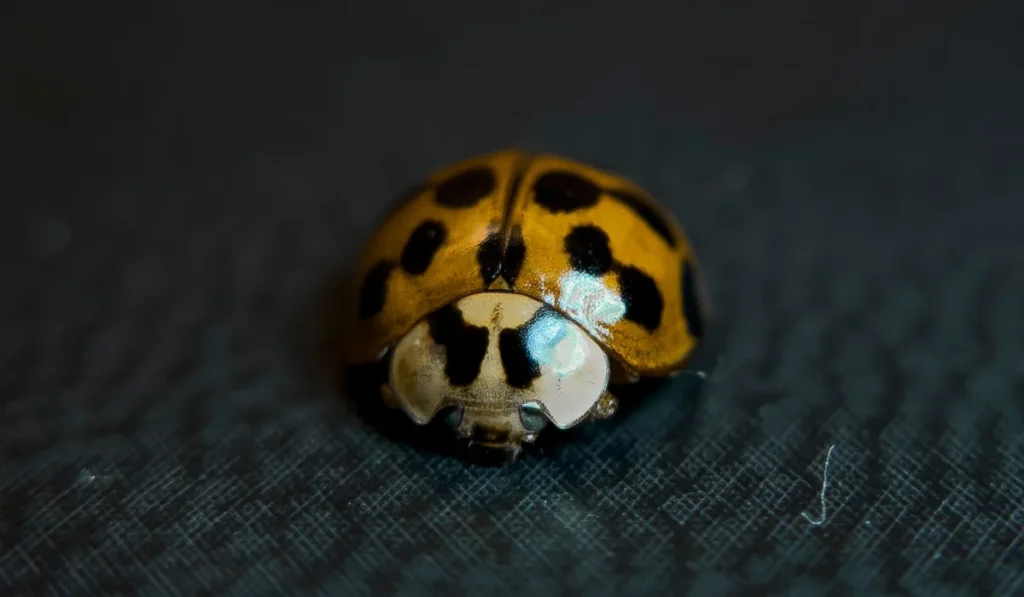
 When fall arrives in East Tennessee, many homeowners see clusters of orange, spotted insects on sunny walls and windows. These insects are Asian lady beetles, and they act very differently from the friendly ladybugs you see in your garden.
As temperatures drop, they gather in large groups and start looking for warm places to spend the winter. This search for warmth is why so many Knoxville homes end up with Asian lady beetles inside each year.
If you have been trying to prevent Asian lady beetle infestations in Knoxville, you are not alone. Many homeowners seek professional Asian lady beetle control in Knoxville, TN, when these pests slip in through small gaps and settle in wall voids, attics, and even around light fixtures. They stay hidden there until warmer weather returns. The good news is that you can block most entry points, reduce indoor activity, and protect your home.
This guide explains what attracts Asian lady beetles, what Knoxville residents should expect each fall, and the best prevention steps. We will also explain when it is time to call a local exterminator. Knowing when to bring in a pro gives you stronger long-term pest control support.
When fall arrives in East Tennessee, many homeowners see clusters of orange, spotted insects on sunny walls and windows. These insects are Asian lady beetles, and they act very differently from the friendly ladybugs you see in your garden.
As temperatures drop, they gather in large groups and start looking for warm places to spend the winter. This search for warmth is why so many Knoxville homes end up with Asian lady beetles inside each year.
If you have been trying to prevent Asian lady beetle infestations in Knoxville, you are not alone. Many homeowners seek professional Asian lady beetle control in Knoxville, TN, when these pests slip in through small gaps and settle in wall voids, attics, and even around light fixtures. They stay hidden there until warmer weather returns. The good news is that you can block most entry points, reduce indoor activity, and protect your home.
This guide explains what attracts Asian lady beetles, what Knoxville residents should expect each fall, and the best prevention steps. We will also explain when it is time to call a local exterminator. Knowing when to bring in a pro gives you stronger long-term pest control support.
Key Takeaways
Protection Calendar · Asian lady beetlesKnoxville, TN
Asian lady beetle season in Knoxville, TN
Tracks when Asian lady beetles leave summer habitats and push into homes seeking warmth for the winter. Darker shields mean heavier activity.
J
F
M
A
M
J
J
A
S
O
N
D
Peak: Oct–Nov, mass aggregation on sun-warmed structures as temperatures drop
Off Jan–AugLow Sep, DecPeak Oct–Nov
Waynes builds year-round protection across the Southeast, backed by 50 years and the EPA Pesticide Environmental Stewardship Program. Every little thing matters. A LOT.
- Asian lady beetles gather on light colored homes in the fall and squeeze into cracks to spend the winter.
- Sealing gaps with caulk, adding weatherstripping, and repairing window screens reduces your risk of infestations.
- These insects release a strong odor and yellow fluid when stressed, which makes DIY cleanup frustrating.
- Professional pest management from Waynes Pest Control targets exterior hotspots and closes entry points before Asian lady beetles get inside.
Understanding Asian Lady Beetles in Knoxville
To prevent Asian lady beetle infestations, it helps to understand why they choose Knoxville homes. The U.S. Department of Agriculture originally introduced these insects to help farmers manage aphids, which allowed them to thrive across the region. When temperatures drop across East Tennessee, they search for protected areas. These spots mimic the rocky crevices they use in their natural environment. Your home offers the same warmth and shelter they want. Siding, rooflines, soffit areas, and brick joints warm up in the afternoon sun, attracting beetles looking for a place to settle. Once they gather on exterior walls, they slip into cracks, loose siding, and unsealed trim. Common access points include door frames, attic vents, and small gaps near outdoor light fixtures. Their need to find a winter shelter makes them very persistent. Because of this strong drive to stay warm, vacuuming or surface cleaning never stops the problem for long. Knox County neighborhoods with older construction often see more beetle activity. Older homes usually have more gaps and cracks. Even newer homes can attract Asian lady beetles if the exterior is light colored and warms quickly in the sun. After they find a way inside, the beetles gather in wall voids and stay there all winter, which makes them hard to reach without help.Why Asian Lady Beetles Spread So Quickly in Tennessee
Asian lady beetles can grow from a minor fall problem to a widespread indoor issue in a short time. Their activity increases as temperatures shift, and warm days after cool nights often trigger sudden movement. This pattern leads to larger clusters on sunny walls and surprise indoor sightings. They also release a scent that other beetles can detect, which draws even more insects to the same area. That scent trail often prompts activity around a single window or wall section within a few days. Homes near wooded areas, open fields, or south-facing slopes tend to see the fastest buildup. If you notice early signs of activity, taking action before temperatures drop again can help reduce the number that gather around your home. Seasonal treatments applied before peak movement offer the strongest protection, especially in neighborhoods that see heavy fall pressure.How to Seal and Block Entry Points
To stop Asian lady beetles from getting into your Knoxville home, you need to seal common entry points. Here are some simple steps you can take to keep them out:- Start by inspecting the exterior on a sunny afternoon when beetles are active. Look closely at spots where siding meets window trim, around utility lines, and along roof peaks.
- Use caulk to seal small cracks near windows, trim, and places where siding overlaps.
- Check weatherstripping around exterior doors to make sure it seals nicely, and add door sweeps if you see gaps under the doors. If you live near wooded or open areas around Maryville or Sevierville, consider upgrading the door sweeps on your older doors.
- Check window screens for damage and repair any holes that could let beetles inside.
- Inspect attic vents and dryer vents for tears or loose fittings. Even small gaps can give beetles easy access.
Behavior Differences Between Ladybugs and Asian Lady Beetles
Many Knoxville homeowners confuse Asian lady beetles with the harmless ladybugs they see in their gardens. While they look similar at a glance, their behavior inside homes is very different. Homeowners now consider them “unwanted ladybugs” because of their behavior. The table below highlights the key differences so you can quickly tell which one you’re dealing with.| Feature | Ladybugs | Asian Lady Beetles |
|---|---|---|
| Where They Live | Outdoors year-round | Invade homes in the fall to overwinter |
| Group Size | Small groups | Large numbers gathering on walls and ceilings |
| Behavior Indoors | Rarely enter homes | Actively seek warmth and slip into gaps |
| Markings | Red or orange with black spots | Color varies; distinct M-shaped mark behind the head |
| Odor or Staining | No strong odor; no staining fluid | Release yellow fluid and a noticeable odor when stressed |
| Biting | Do not bite | May bite lightly when handled |
| Common Indoor Signs | Rare to see inside | Found near windows, siding, attic access points, and light traps |